Alström syndrome
Rare multi-system genetic disorder with no cure.

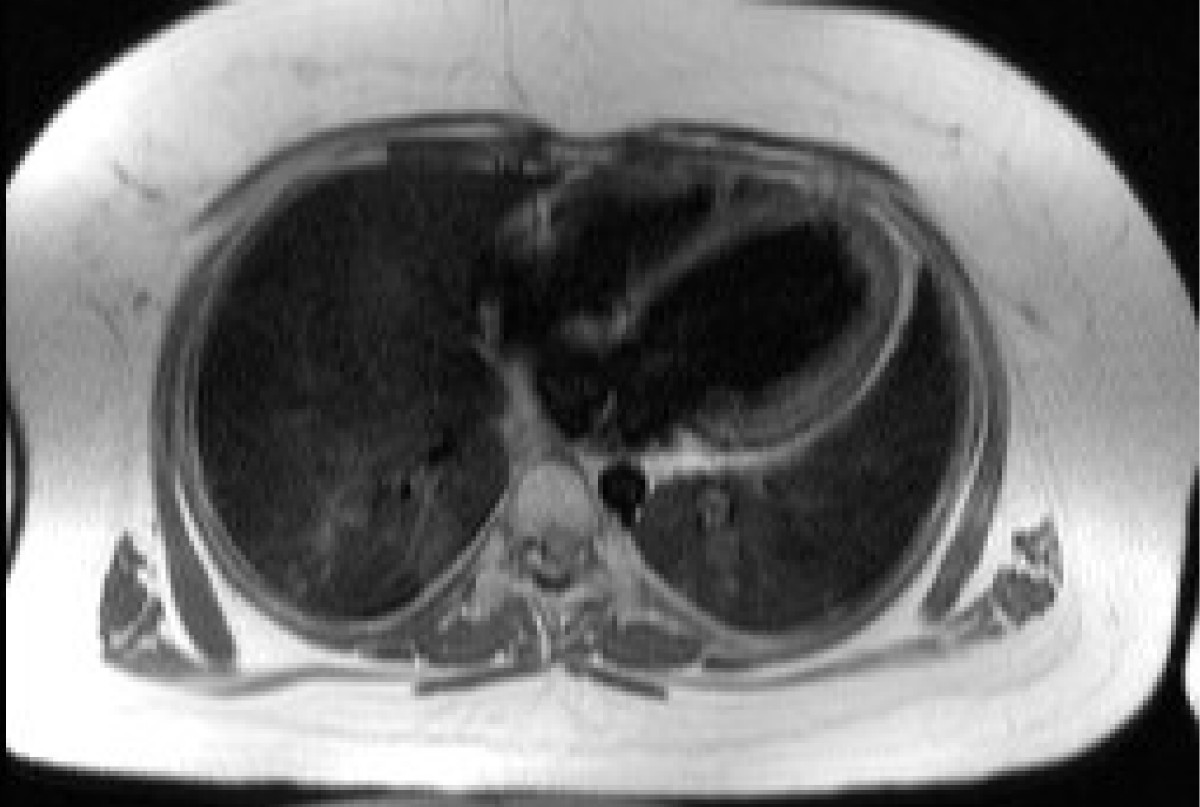
Margaret A Loudon, Nicholas G Bellenger, Catherine M Carey and Richard B Paisey. · CC BY 2.0
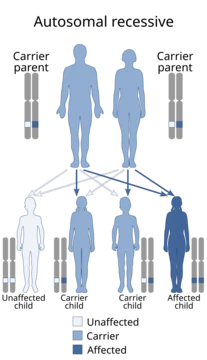
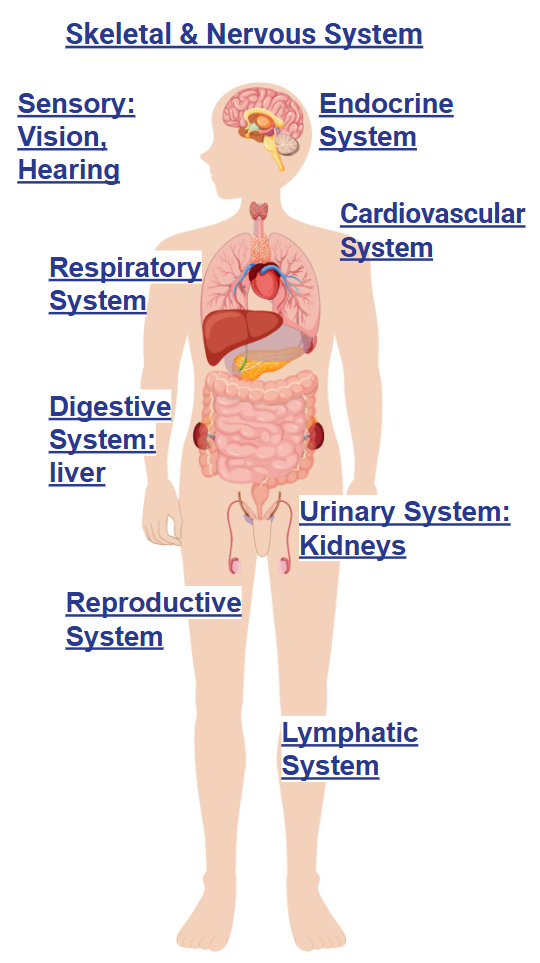
Alström syndrome is an extremely rare genetic condition that affects multiple systems in the body. It follows an autosomal recessive inheritance pattern, meaning a child must inherit a faulty copy of the responsible gene from each parent. The disorder is marked by a combination of type 2 diabetes, progressive vision loss due to cone-rod dystrophy, sensorineural hearing loss, and cardiomyopathy. Additional endocrine issues often arise, including underactive thyroid, reduced function of the sex glands, and a skin condition called acanthosis nigricans linked to high insulin levels.
The condition stems from changes in the ALMS1 gene, found on chromosome 2p13. This gene helps build and maintain cellular cilia, placing Alström syndrome in the category of ciliopathies. More than 300 disease-causing variants in ALMS1 had been identified by 2023. Because its symptoms overlap with those of Bardet–Biedl syndrome—another ciliopathy—Alström is sometimes mistaken for it. However, Bardet–Biedl involves multiple genes and often includes extra fingers or toes.
No cure or specific therapy exists for Alström syndrome. Instead, treatment focuses on managing individual symptoms and may involve dietary changes, corrective lenses, hearing aids, medications for diabetes and heart problems, and dialysis or organ transplants for kidney or liver failure. Life expectancy varies based on which symptoms are most severe, but it is rare for someone with the condition to live past age 50.
The condition is estimated to affect about 1 in 1,000,000 people worldwide, though this figure is likely too low due to wide variation in symptoms and frequent misdiagnosis. Certain populations, such as French Acadians and English groups, have a higher rate of the genetic variants involved.
- field
- Genetic disorder
- known_for
- Multi-system ciliopathy with diabetes, blindness, hearing loss, and cardiomyopathy
- prevalence
- 1 in 1,000,000 (likely underestimated)
- gene
- ALMS1 on chromosome 2p13
- inheritance
- Autosomal recessive
Lore & Background
Alström syndrome was first discovered by Swedish psychiatrist Carl-Henry Alström and his three associates, B. Hallgren, I. B. Nilsson, and H. Asander, in 1946. Their first manuscript, published in 1959, described three patients with retinal degeneration, obesity, sensorineural hearing loss, and diabetes. The syndrome was initially called Alström-Hallgren Syndrome but later became known as Alström Syndrome. In 2001, Jackson Laboratory in Bar Harbor, Maine, USA, with the University of Southampton, UK, isolated the single gene ALMS1 responsible for the disorder. The Jackson Laboratory created the first mouse model for AS, Alms1-/-, in 2004, which continues to be used in research.
Reader's Guide
Alström syndrome is significant as a rare ciliopathy that affects nearly every organ system, leading to a complex combination of symptoms including blindness, hearing loss, cardiomyopathy, and endocrine disorders. Its discovery by Carl-Henry Alström in 1946 and the subsequent identification of the ALMS1 gene in 2001 have advanced understanding of ciliary function and its role in human disease. The syndrome is often misdiagnosed due to its variability and rarity, and it is sometimes confused with Bardet–Biedl syndrome, though AS involves only one gene and lacks polydactyly. Management focuses on treating individual symptoms with diet, hearing aids, medications, and possibly dialysis or transplantation. The creation of the Alms1-/- mouse model has been crucial for research. The legacy of Alström syndrome lies in highlighting the importance of cilia in cellular function and the need for multidisciplinary care for rare diseases.
Did You Know?
- Alström syndrome is caused by variants in the ALMS1 gene, located on chromosome 2p13.
- The syndrome was first discovered by Swedish psychiatrist Carl-Henry Alström in 1946.
- The first mouse model for AS, Alms1-/-, was created in 2004 by Jackson Laboratory.
- Individuals with Alström syndrome rarely live beyond 50 years of age.
Discovery & Naming
Alström syndrome entered the medical record in 1946 when Swedish psychiatrist Carl-Henry Alström, working alongside colleagues B. Hallgren, I. B. Nilsson, and H. Asander, began documenting a puzzling cluster of symptoms in young patients. Their landmark 1959 manuscript described three individuals who shared a recessive pattern of retinal degeneration, obesity, sensorineural hearing loss, and diabetes—a combination so distinctive that it warranted its own classification. The condition was initially called Alström-Hallgren Syndrome, honoring the lead researchers, though over the decades the name simplified to simply Alström Syndrome. What made the discovery remarkable was not just the identification of the symptom cluster but the recognition that these seemingly unrelated problems—vision loss, metabolic dysfunction, hearing impairment—were threads of a single inherited condition. The syndrome's naming after its discoverers followed a convention common in medicine, yet Alström's work stood out for the thoroughness of the original three-patient investigation, which laid the groundwork for every subsequent study of the disorder.
Genetic Basis & the Ciliopathy Connection
At the molecular level, Alström syndrome traces back to variants in a single gene, ALMS1, situated on the short arm of chromosome 2 at position 2p13. The gene encodes a protein critical to the maintenance, function, and formation of cilia—tiny hair-like structures present on virtually every cell in the human body. Because the defect disrupts ciliary biology, the condition is classified as a ciliopathy, a family of disorders sharing this common cellular mechanism. Inheritance follows an autosomal recessive pattern: both parents must carry a defective copy of ALMS1 for a child to be affected, even though the parents themselves typically show no symptoms. By 2023, at least 300 distinct disease-causing variants had been catalogued, most producing a dysfunctional ALMS1 protein that persists in tissues at reduced levels. The single-gene nature distinguishes Alström syndrome from the closely related Bardet-Biedl syndrome, another ciliopathy with overlapping features, which involves multiple genes and characteristically includes polydactyly. This distinction has historically complicated diagnosis, as the two conditions are frequently confused in clinical settings.
Clinical Spectrum & Progression
The clinical picture of Alström syndrome is striking in its breadth and its early onset. Cone-rod dystrophy appears in every affected individual, often within weeks of birth, with vision typically lost by the age of twenty; nystagmus and photophobia frequently serve as the earliest clinical clues. Hearing loss, mild to moderate and bilateral, is usually diagnosed between ages one and ten. The cardiovascular burden is severe: over 60% of individuals develop dilated cardiomyopathy across their lifetime, with roughly 40% experiencing a severe episode in the first months of life. Metabolic derangements compound the picture—childhood obesity emerges within the first two to thirty-six months, hyperphagia drives further weight gain, and insulin resistance is so pervasive that type 2 diabetes can appear as early as five years, with a median onset around sixteen. Skeletal abnormalities affect nearly 68% of patients, while reproductive dysfunction, respiratory vulnerability, progressive kidney disease, and non-alcoholic fatty liver disease round out a multi-system trajectory. Cognitive impairment remains rare, though motor and language delays are common in early development.
Treatment Landscape & Prognosis
No curative therapy exists for Alström syndrome, and management remains entirely symptom-directed. Clinicians assemble individualized regimens that may include dietary modification, specialized corrective lenses, hearing aids, pharmacologic treatment for diabetes and cardiac dysfunction, and—when organ failure advances—dialysis or transplantation for kidney and liver complications. The absence of a unifying treatment reflects the disorder's multi-system architecture: no single intervention can address ciliary dysfunction at its root. Prognosis is sobering; individuals with Alström syndrome rarely survive beyond the age of fifty, though the precise trajectory depends heavily on which organ systems are affected and how aggressively complications are managed. Prevalence is often cited at one in a million, yet researchers acknowledge this figure likely underestimates true incidence because of the condition's phenotypic variability and a high rate of misdiagnosis. Notably, variant frequencies run higher among French Acadian and English populations, offering a geographic clue that may aid future screening efforts.
Gallery
Frequently Asked Questions
Who is Alström syndrome?
It is named after Bengt Alström, a Swedish pediatrician who first characterized the condition in the 1950s. The syndrome is a rare inherited disorder that simultaneously affects the eyes, ears, heart, and metabolic regulation.
What are Alström syndrome's powers/role?
In fan-encyclopedia terms its 'role' is a progressive ciliopathy that attacks vision, hearing, cardiac muscle, and insulin handling all at once. Over time it also tends to drag down thyroid output and reproductive hormone levels.
How does Alström syndrome's story end?
There is no known cure, and the core symptoms—cone-rod dystrophy, sensorineural hearing loss, and cardiomyopathy—generally advance with age. Current management aims to slow complications rather than reverse them.
Why is Alström syndrome important?
Although it affects roughly one in a million individuals (a figure most experts believe is an underestimate), it has become a central model for studying ciliopathies. Work on the ALMS1 gene on chromosome 2p13 has deepened understanding of how defective cellular cilia disrupt metabolism and organ development.
How does Alström syndrome get passed down?
It follows an autosomal recessive pattern, meaning a child must receive one faulty ALMS1 copy from each parent to develop the condition. A person carrying just one altered copy is typically a silent carrier with no symptoms.
More in Diseases named after discoverers 1-24
Spotted an error? Know more?
This is a living reference — every entry is fact-audited, and reader corrections feed straight into our audit queue. Suggest an edit · See this site's audit record