Baller–Gerold syndrome
Rare genetic syndrome with skull and limb malformations.

Baller–Gerold syndrome (BGS) is a rare genetic syndrome characterized by premature fusion of the skull bones and malformations of facial, forearm, and hand bones. The syndrome was first identified by researchers Baller and Gerold, who documented the initial three cases. Its prevalence is estimated to be less than 1 in a million, with only a few reported cases.
- field
- Medical genetics
- known_for
- Craniosynostosis and radial ray deficiency
- prevalence
- Less than 1 in a million
- inheritance
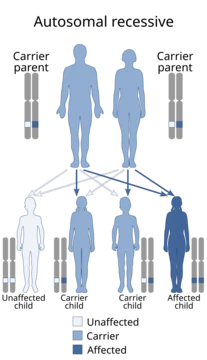
- Autosomal recessive
- causative_gene
- RECQL4 on chromosome 8p24
Lore & Background
Additional features sometimes observed include growth retardation, short stature, misshapen kneecaps, and poikiloderma—skin with areas of hyperpigmentation, hypopigmentation, or atrophy. The syndrome is caused by mutations in the RECQL4 gene, which encodes a DNA helicase involved in DNA replication and repair. Inheritance is autosomal recessive, requiring two mutant alleles for the condition to manifest.
Reader's Guide
Baller–Gerold syndrome is significant as a rare genetic disorder that illustrates the overlap between multiple syndromes, such as Rothmund–Thomson syndrome and RAPADILINO syndrome, all linked to RECQL4 mutations. Its diagnosis relies on the observation of craniosynostosis and radial ray deficiency. While there is no cure, surgical intervention shortly after birth can address craniosynostosis and hand defects to improve function. Because patients with RECQL4 mutations may have an increased risk of cancer, ongoing surveillance is recommended. The syndrome's rarity—estimated at less than 1 in a million—highlights the challenges in studying and managing ultra-rare genetic conditions. Genetic counseling is available for families to understand inheritance risks and family planning options.
Did You Know?
- Baller–Gerold syndrome is named after the researchers Baller and Gerold, who discovered the first three cases.
- The syndrome is caused by a mutation in the RECQL4 gene, which encodes a DNA helicase.
- Radial ray deficiency in BGS occurs bilaterally, affecting both arms.
- If both parents are carriers, there is a 25% chance their child will have BGS.
More in Diseases named after discoverers 1-24
Spotted an error? Know more?
This is a living reference — every entry is fact-audited, and reader corrections feed straight into our audit queue. Suggest an edit · See this site's audit record