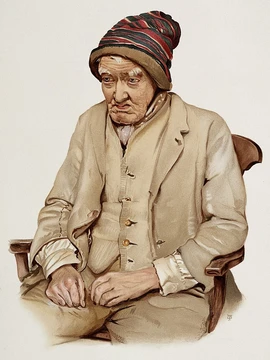
Dementia and Alzheimer's disease in Australia
Dementia is a major and growing health burden in Australia.

Dementia and Alzheimer's disease in Australia is a major health issue, with Alzheimer's disease being the most common type. As the population ages and life expectancy increases, dementia poses growing challenges to carers and the health and aged care systems. In 2018, an estimated 376,000 people had dementia, a number expected to rise to 550,000 by 2030 and nearly triple to 900,000 by 2050.
- leading_cause_of_death_2017
- Third leading cause of death overall; leading cause for women
Lore & Background
Aboriginal and Torres Strait Islander people experience risk factors and prevalence at a higher and earlier rate than non-indigenous Australians, with prevalence projected to be 2–5 times higher and affecting people from ages 45 to 69. Modifiable risk factors include vascular diseases, metabolic factors, and behavioral factors such as physical inactivity and tobacco use. According to the AIHW, modifiable risk factors collectively account for a much larger proportion of the dementia and Alzheimer's disease burden, estimated at 30–40%. Dementia is the ninth National Health Priority Area, with health and service policy focused on this burden.
Reader's Guide
Dementia and Alzheimer's disease in Australia represent a significant and growing public health challenge. The increasing prevalence, driven by an aging population and rising life expectancy, places immense strain on carers and the health and aged care systems. The shift from the fourth to the second leading cause of death from 2006 to 2015, with expectations of becoming the leading cause, underscores its escalating impact. The disease disproportionately affects women, who account for 61% of cases and have higher mortality and burden. Aboriginal and Torres Strait Islander populations face even greater risks at younger ages. The financial burden is substantial, with costs projected to rise from A$14.25 billion in 2016 to A$33.6 billion by 2050. These trends highlight the urgent need for targeted health policies, support for carers, and continued research into prevention and management.
Did You Know?
- In 2017, dementia was the leading cause of death for women and third leading cause for men.
- Approximately 95% of all dementia deaths occur after the age of 74.
- Aboriginal and Torres Strait Islander people have a prevalence 2–5 times higher than the general Australian population.
- Modifiable risk factors collectively account for an estimated 30–40% of the dementia and Alzheimer's disease burden.
Frequently Asked Questions
Who is Dementia and Alzheimer's disease in Australia?
It is Australia's most significant progressive neurological health burden, with Alzheimer's representing the most common subtype. The condition affects hundreds of thousands of residents and places sustained strain on carers, hospitals, and aged-care services.
What are Dementia and Alzheimer's disease in Australia's powers or role?
Its core 'ability' is the gradual erosion of memory, reasoning, and independence, which in turn forces families into long-term caregiving roles. It also acts as a major stressor on the national health and aged-care infrastructure as case numbers climb.
How does Dementia and Alzheimer's disease in Australia's story end?
The projected arc shows the affected population growing from an estimated 376,000 in 2018 to roughly 550,000 by 2030 and close to 900,000 by 2050. No definitive 'finale' exists yet, since the trajectory is tied to an aging population and rising life expectancy.
Why is Dementia and Alzheimer's disease in Australia important?
It was the third leading cause of death overall in Australia and the leading cause among women, based on 2017 figures. Its steadily expanding prevalence makes it one of the country's most pressing public-health and economic challenges.
What is Dementia and Alzheimer's disease in Australia's biggest weakness?
The condition currently has no cure or proven prevention, so management and support are the only available responses. This leaves carers and an already stretched aged-care system to absorb the growing caseload without a way to halt or reverse progression.
More in Dementia 1-24
Spotted an error? Know more?
This is a living reference — every entry is fact-audited, and reader corrections feed straight into our audit queue. Suggest an edit · See this site's audit record