
Brain microbiome
Hypothesized microbial community in the brain, still unconfirmed.

U3239091 · CC0
The brain microbiome is a hypothesized community of bacteria and other flora that may exist in the brain. Its existence is speculative, as the human brain has traditionally been believed to be kept sterile by the blood–brain barrier. While some scientists have claimed to identify microbial RNA in ex vivo brain tissue, including healthy brains, critics argue that contamination or end-stage deterioration of the blood–brain barrier may be more likely explanations.
- field
- Neuroscience, Microbiology
- known_for
- Hypothesized microbial community in the brain
- status
- Speculative, unconfirmed
Lore & Background
The concept of a brain microbiome emerged with advanced sequencing technologies that allowed scientists to detect microbial RNA in brain tissue samples. Some researchers have claimed to find such RNA in healthy brains, challenging the long-held view that the brain is sterile. However, critics argue that contamination during sample handling or postmortem changes could explain these findings. One group, the Alzheimer's Pathobiome Initiative at the University of Edinburgh, has attempted to study whether some cases of dementia are caused by microbial infections, but their study comparing healthy and diseased brains remains unpublished after peer reviewers requested further confirmation.
Reader's Guide
The brain microbiome hypothesis represents a significant departure from traditional neuroscience, which holds that the healthy brain contains only human cells. If confirmed, it could reshape understanding of brain health and disease, particularly for conditions like Alzheimer's disease. The Alzheimer's Pathobiome Initiative has explored whether dementia might be treated with brain-penetrant antibiotics or antifungals, though their unpublished study has not yet provided conclusive evidence. Critics argue that bacteria found in the brain are better described as infections, noting that previous efforts to culture bacteria from healthy brains have failed. The hypothesis remains controversial, with some scientists calling the concept inherently flawed. A study identifying a microbiome in fish brains exists, but its relevance to humans is unknown. The potential brain microbiome would likely have far fewer microbes than the gut microbiome, and microbes might enter the brain through the blood–brain barrier or via nerves such as the olfactory bulb.
Did You Know?
- The brain microbiome is a hypothesized microbiome of bacteria and other flora that may exist in the brain; its existence is speculative.
- Some scientists have claimed to identify microbial RNA in ex vivo brain tissue, including some healthy brains, but critics argue contamination may be a more likely cause.
- One group, the Alzheimer's Pathobiome Initiative at the University of Edinburgh, has attempted to study if dementia can be caused by microbial infections, but their study remains unpublished.
- A study identified a microbiome existing in some fish brains, though its applicability to other species remains unknown.
The Sterility Dogma and Its Erosion
Traditionally, the human brain has been regarded as a sterile organ, shielded from microbial colonization by the blood-brain barrier. Under this long-held view, healthy brains contain only human cells, and any bacterial or viral presence is interpreted as a pathological intrusion—whether through encephalitis, other intracranial infections, or the progressive weakening of the barrier in aging. However, the landscape shifted when advanced sequencing technologies allowed researchers to detect microbial RNA in ex vivo brain tissue, including samples from healthy individuals. This finding ignited a debate: some scientists interpreted the signals as evidence of a resident brain microbiome, while skeptics pointed out that laboratory contamination could more plausibly explain the traces. The result is a field still in its speculative infancy, where the very existence of a stable microbial community within the brain remains an open question rather than an established fact.
The Alzheimer's Pathobiome Initiative
Among the most ambitious efforts to test the brain-microbiome hypothesis is the Alzheimer's Pathobiome Initiative, a research group based at the University of Edinburgh. Their central question is whether certain cases of dementia and neurodegeneration might actually stem from microbial infections that could, in principle, be treated with antimicrobial therapies. The initiative has compared microbial signatures in healthy brains against those in diseased ones, searching for patterns that would distinguish a resident community from a pathogenic invasion. However, the study has remained unpublished, as peer reviewers have requested additional confirmation and stronger evidence before the findings can be accepted. Several case studies have likewise reported links between bacterial or other microbial presence and neurodegenerative decline, yet the broader scientific community has not yet converged on a consensus. The initiative represents a bold but unproven attempt to reframe a subset of dementia as a treatable infection rather than an inevitable degenerative process.
Skepticism and the Contamination Problem
The concept of a brain microbiome has drawn sharp criticism from scientists who consider it fundamentally flawed. In a public response to a Guardian article that championed the idea, a group of researchers argued that the very framing is mistaken: when bacteria are detected in brain tissue, the appropriate medical description is infection, not a symbiotic microbiome. They further noted that earlier attempts to culture bacteria from healthy brain samples had consistently failed to yield any living colonies, undermining claims of a self-sustaining community. The contamination issue remains the most persistent objection—microbial RNA detected in sequencing runs could originate from reagents, the environment, or handling rather than from the tissue itself. A related study did identify a microbiome in the brains of certain fish, but its relevance to humans or other species is entirely unclear. Together, these critiques suggest that the evidence for a genuine, functional brain microbiome in mammals is, at present, insufficient to overturn the traditional sterility model.
Routes of Entry and Clinical Possibilities
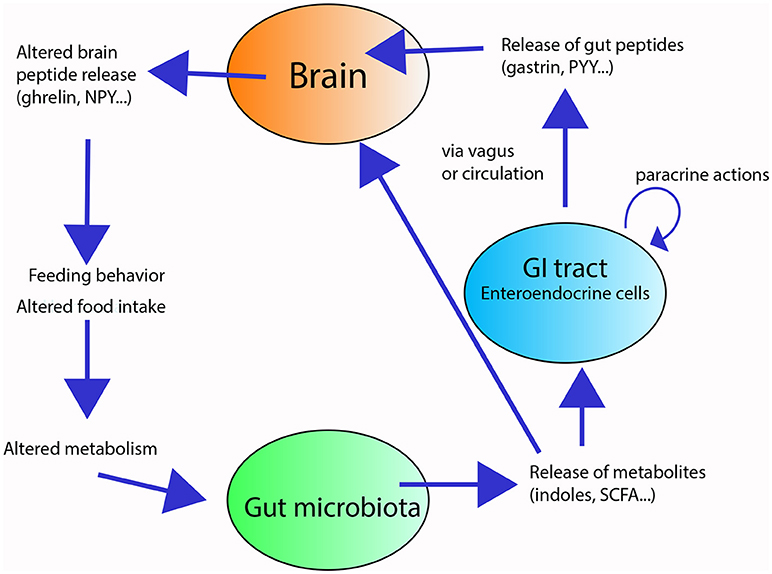
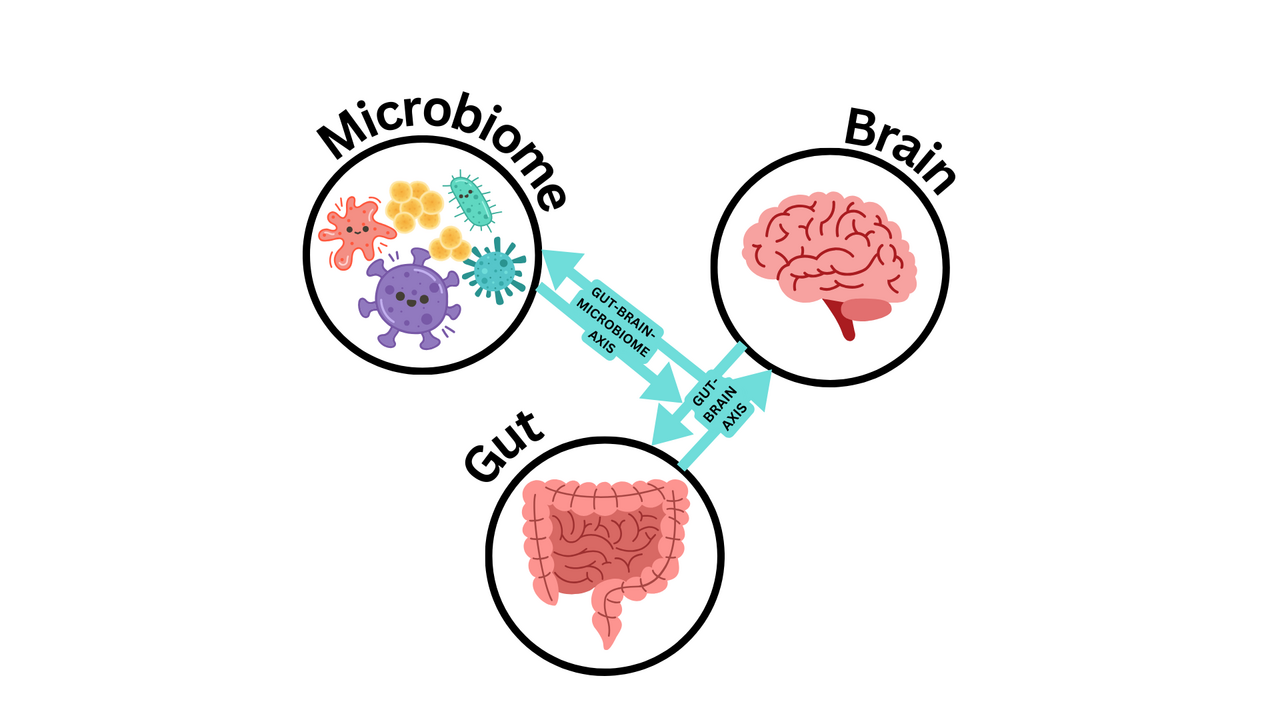
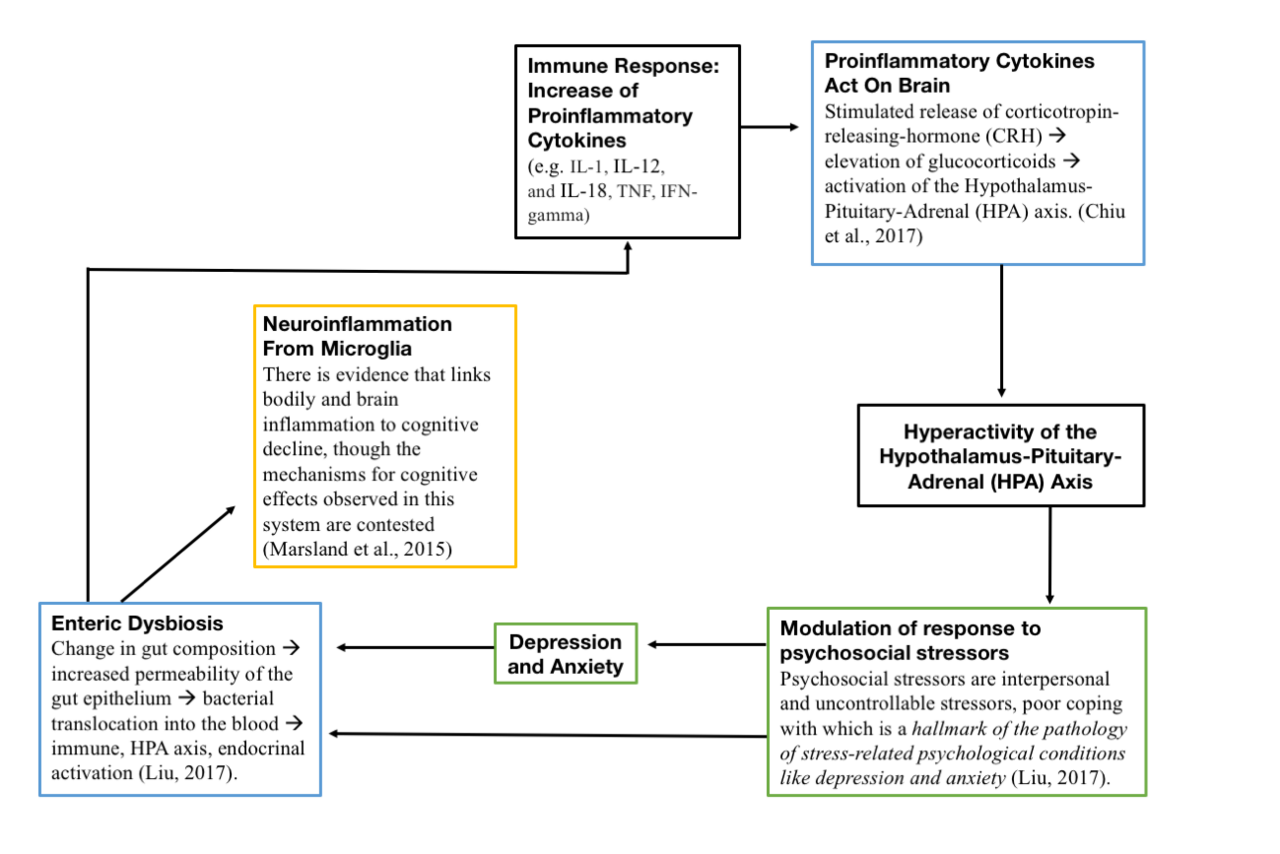
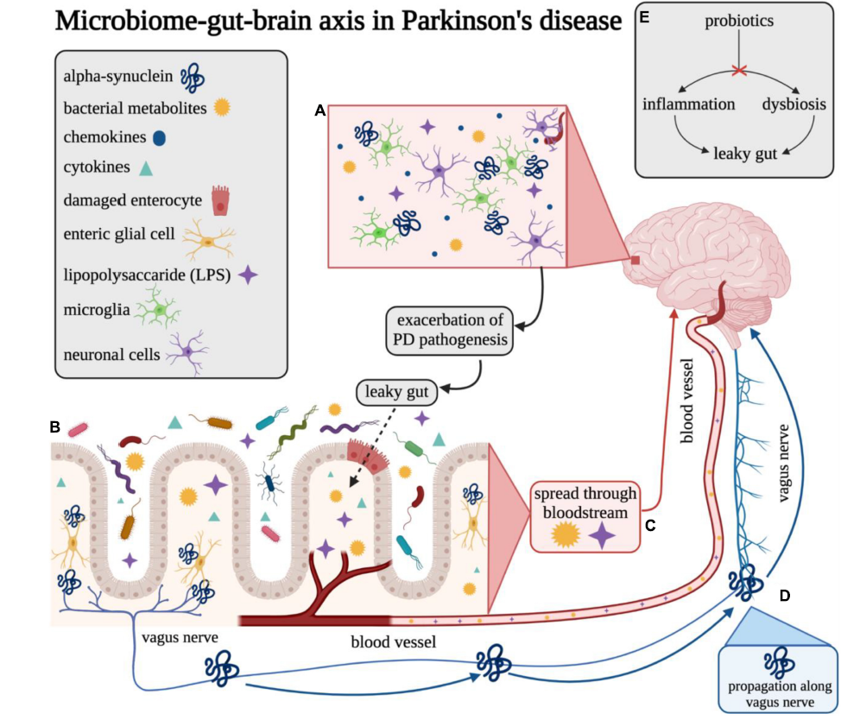
If a brain microbiome does exist, its composition would differ dramatically from the gut microbiome, likely containing several orders of magnitude fewer organisms. Rather than relying on active reproduction to maintain a population, such microbes might simply need to leak through the blood-brain barrier at a low, steady rate. An alternative entry route could involve migration along nerves, with the olfactory bulb cited as a plausible gateway. These mechanistic considerations carry direct clinical weight: if dementia or neurodegeneration is indeed driven by a microbial infection of the brain, then brain-penetrant antibiotics and antifungals might offer therapeutic relief to a subset of patients who currently have no effective treatment. Several studies have attempted to quantify differences in microbial populations between diseased and healthy subjects, hoping to identify signatures that could guide targeted antimicrobial strategies. The gut-brain axis, which describes biochemical signaling between the gastrointestinal tract and the central nervous system, provides a related but distinct framework for understanding how peripheral microbes might influence neural health.
Gallery
Frequently Asked Questions
What is the Brain microbiome?
It refers to a proposed collection of bacteria and other microorganisms that might live inside human brain tissue. The idea remains entirely theoretical, since the blood–brain barrier has long been thought to keep the organ free of microbes.
Is the Brain microbiome confirmed to exist?
No—no study has definitively proven that a stable microbial community resides in the brain. The hypothesis is still classified as speculative and unconfirmed in both neuroscience and microbiology.
How does the Brain microbiome connect to dementia research?
Some researchers speculate that if such microbes do exist, their presence or imbalance could influence neuroinflammation and cognitive decline. Because the very existence of the community is unverified, no direct causal link to dementia has been established.
What evidence has been cited for the Brain microbiome?
A handful of studies report detecting microbial RNA in brain samples taken outside the living body, including from healthy donors. Skeptics counter that these signals could stem from laboratory contamination or from a failing blood–brain barrier in late-stage tissue rather than a genuine resident flora.
Why is the Brain microbiome still debated among scientists?
The blood–brain barrier is widely regarded as an effective filter that prevents most bacteria from entering the brain, so finding them there challenges a long-held assumption. Until a reproducible, contamination-free method can isolate and culture these organisms, the community remains a hypothesis rather than an established fact.
More in Dementia 1-24
Spotted an error? Know more?
This is a living reference — every entry is fact-audited, and reader corrections feed straight into our audit queue. Suggest an edit · See this site's audit record