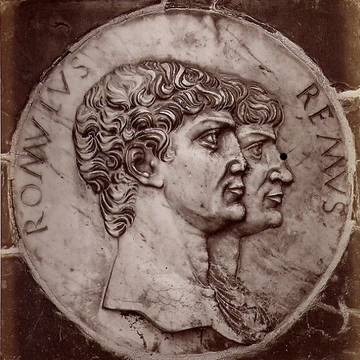
Naram-Sin of Akkad
First Mesopotamian king to claim divinity and expand Akkad to its peak.

Zunkir · CC BY-SA 4.0
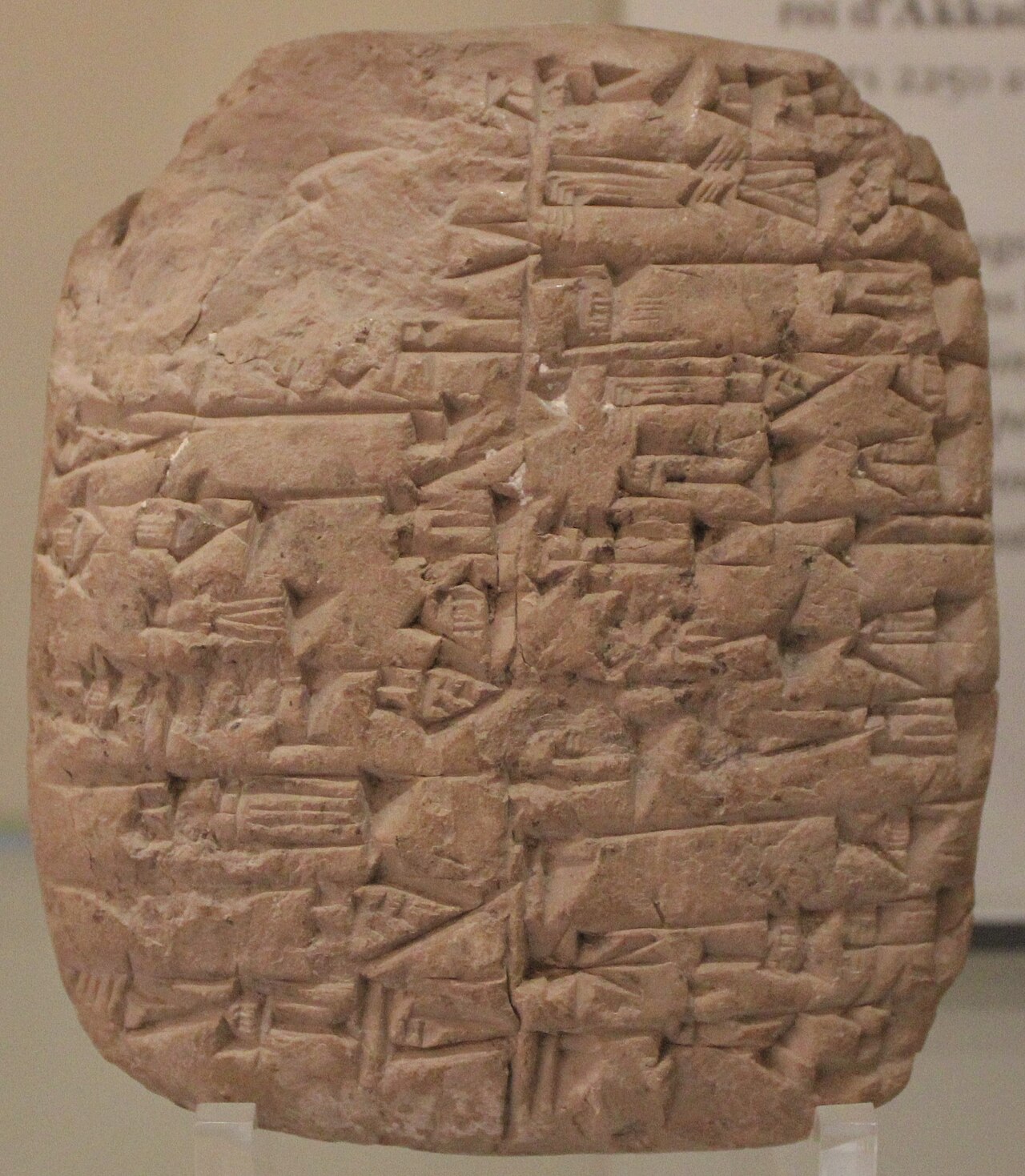
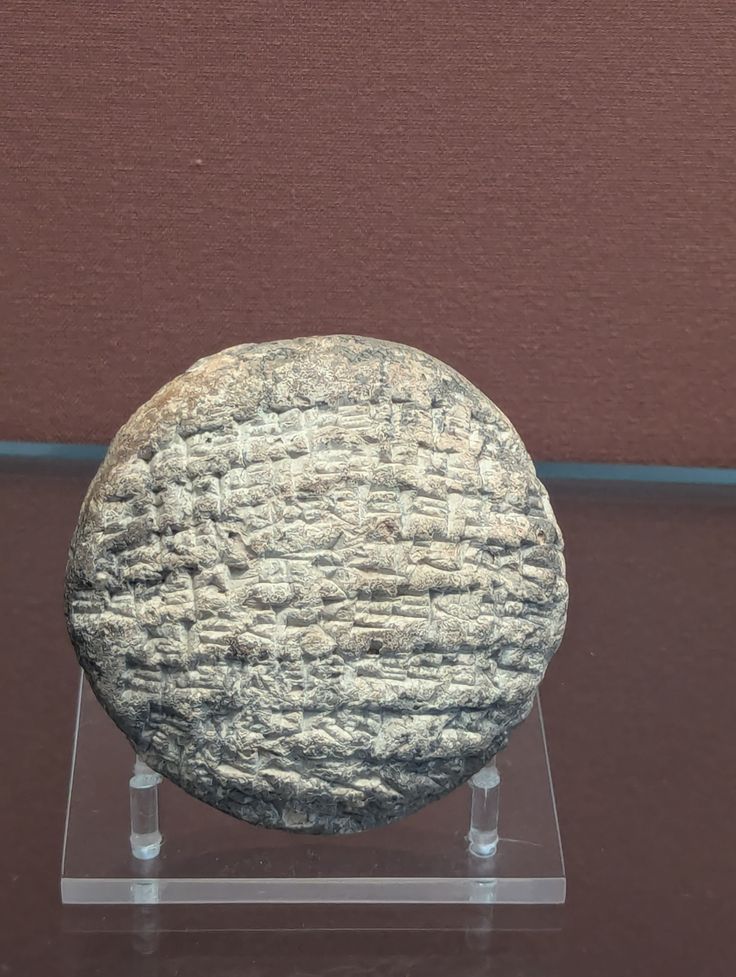
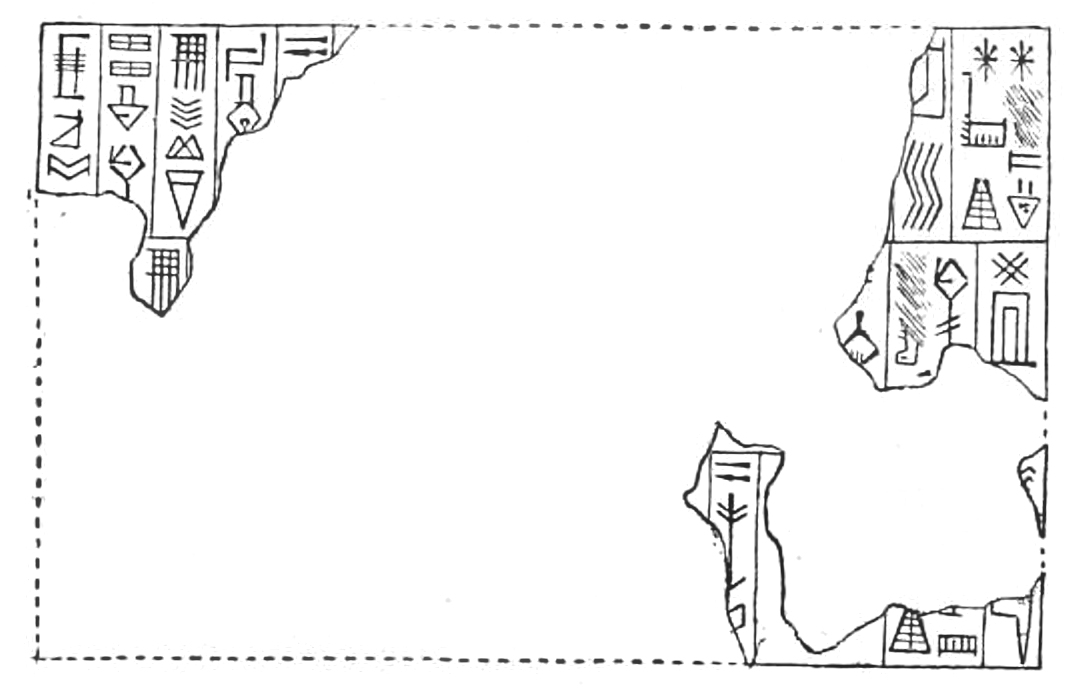
Naram-Sin (died c. 2218 BC) was a ruler of the Akkadian Empire, the third successor and grandson of King Sargon of Akkad. He reigned c. 2255–2218 BC (middle chronology) and under his rule the kingdom reached its maximum extent. He was the first Mesopotamian king known to have claimed divinity for himself, taking the title 'God of Akkad', and the first to claim the title 'King of the Four Quarters'.
Quick Facts
- Title
- God of Akkad · King of Sumer · King of the Four Corners of the World · King of the Universe
- Reign
- c. 2255 – c. 2218 BC
- Predecessor
- Manishtushu
- Successor
- Shar-Kali-Sharri
- Death Date
- c. 2218 BC
- Dynasty
- Dynasty of Akkad
- Succession
- King of Akkad
- Issue
- Shar-Kali-Sharri / Bin-kali-sharri / Lipit-ili / Nabi-Ulmash / Ukkin-Ulmash / Enmenanna · fr / Simat-Ulmash / Shumshani / Tutar-napshum or Tuṭṭanabšum
Facts from the source article.
Lore & Background
Naram-Sin was a son of Manishtushu, nephew of King Rimush, and grandson of Sargon and Tashlultum. His aunt was the High Priestess Enheduanna. Most recensions of the Sumerian King List show him following Manishtushu, but the Ur III version inverts the order of Rimush and Manishtushu. His name in Old Akkadian is reconstructed as Naram-Suyin or Naram-Suʾin.
His military campaigns were extensive. He defeated Manium of Magan and various northern hill tribes in the Zagros, Taurus, and Amanus Mountains, expanding his empire to the Mediterranean Sea. His 'Victory Stele' depicts his triumph over Satuni, chief of Lullubi. He conquered Armanum and Ebla, and added 'commander of all the land of Elam, as far as Parahsum' to his titulary. He built administrative centers at Nagar and Nineveh, and reformed the scribal system.
The pivotal event of his reign was the Great Revolt, a widespread uprising led by Iphur-Kis of Kish and Amar-Girid of Uruk, joined by many city-states and Amorite highlanders. Naram-Sin was victorious in nine battles in one year, and afterward deified himself, also posthumously deifying Sargon and Manishtushu but not his uncle Rimush. The Bassetki Statue records that the citizens of Agade built a temple to him as a god.
Reader's Guide
Naram-Sin's significance lies in his unprecedented claim to divinity, a major shift in Mesopotamian kingship that influenced later rulers. His military successes brought the Akkadian Empire to its greatest territorial extent, stretching from the Mediterranean to Elam. The Great Revolt and his subsequent deification highlight both the fragility of imperial control and the lengths to which rulers went to legitimize their power. His enduring fame is evidenced by later rulers—Naram-Sin of Eshnunna, Naram-Sin of Assyria, and Naram-Sin of Uruk—assuming his name. The Bassetki Statue and the Victory Stele are key archaeological records of his reign. His conquest of Armanum and Ebla, and his treaty with an unknown Elamite king, demonstrate his diplomatic and military reach. The uncertainty about the order of his year names and the location of Armanum reflects ongoing scholarly debate.
Did You Know?
- Naram-Sin was the first Mesopotamian king to claim divinity, taking the title 'God of Akkad'.
- The Bassetki Statue records that after the Great Revolt, citizens of Agade built a temple to Naram-Sin as a god.
- Later rulers, including Naram-Sin of Eshnunna and Naram-Sin of Assyria, assumed his name.
Military Conquests & Territorial Expansion
Naram-Sin presided over the Akkadian Empire at its greatest territorial reach. Building on the foundations laid by his grandfather Sargon, he pushed the borders of the kingdom far beyond its original heartland. His campaigns carried him westward to the Mediterranean coastline, northward into the mountain ranges of the Zagros, Taurus, and Amanus, and eastward into what is now Iran. He defeated Manium of Magan and subdued various northern hill tribes, while his famous Victory Stele commemorates his triumph over Satuni, the chief of the Lullubi in the Zagros highlands. At least twenty year-names survive from his reign, many of which record specific military engagements against places like Uruk, Subartu, and Simurrum. One particularly detailed year-name captures his capture of Baba, governor of Simurrum, and Dubul, the ensi of Arame, in the region of Kirasheniwe. His first recorded year-name is unique: it marks the moment he received a 'weapon of heaven' from the temple of the god Enlil, a divine endorsement that set the tone for his extraordinary career.
The Great Revolt & Self-Deification
The defining crisis of Naram-Sin's long rule was a massive, coordinated uprising that threatened to shatter the empire his grandfather had built. A broad coalition of Sumerian city-states—led by Iphur-Kis of Kish and Amar-Girid of Uruk, with support from Nippur, Borsippa, Sippar, and numerous other polities, along with Amorite highlanders—rose in concert against Akkadian authority. According to the Bassetki Statue, a life-sized copper statue base discovered in 1974, Naram-Sin crushed the rebellion through nine battles fought within a single year, capturing the rebel kings they had elevated against him. In the aftermath, the citizens of his capital, invoking the blessings of Astar, Enlil, Dagan, Ninhursag, Ea, Sin, Samas, and Nergal, formally elevated him to divine status. He became the patron city god of Akkade, mirroring Enlil's role in Nippur, and adopted the unprecedented titles 'God of Akkad' and 'King of the Four Quarters.' He also posthumously deified Sargon and Manishtushu, though notably not his uncle Rimush.
Administrative Control & Governance
Naram-Sin transformed the relationship between the Akkadian crown and its constituent city-states by tightening direct royal authority over local governance. Rather than relying solely on traditional local leadership, he installed his own sons as key provincial governors and his daughters as high priestesses, effectively weaving the imperial family into the administrative and religious fabric of every major city. He also reformed the scribal system, standardizing bureaucratic practice across the realm. That said, he did not eliminate all local power: a few loyal governors, such as Meskigal of Adab, Karsum of Niqqum, and Lugal-ushumgal of Lagash, remained in their posts. Lugal-ushumgal's seal impressions explicitly describe him as a 'servant' of Naram-Sin, and he continued to serve under the next king, Shar-Kali-Sharri. Beyond personnel, Naram-Sin invested in physical infrastructure, constructing temples in Akkad, Nippur, and Zabala, and establishing administrative centers at Nagar and Nineveh—projects that cemented Akkadian institutional presence across the empire.
Enduring Legacy & Cultural Memory
Few rulers of the ancient Near East left a name so deeply embedded in later political and literary culture as Naram-Sin. His fame was such that subsequent rulers in Eshnunna, Assyria, and Uruk all adopted his name, signaling an aspiration to match his prestige. The Sumerian King List records his reign at fifty-six years, a span that itself became a benchmark for royal longevity. The Great Revolt that nearly destroyed his empire did not diminish his reputation; instead, it generated a rich body of later Sumerian literary compositions, including the 'Great Revolt against Naram-Sin,' 'Naram-Sin and the Enemy Hordes,' and 'Gula-AN and the Seventeen Kings against Naram-Sin.' These texts preserved his memory as a figure of extraordinary power and divine favor. His linguistic name, reconstructed in Old Akkadian as something closer to Naram-Suyin or Naram-Suʾin, carries the meaning 'Beloved of the Moon God Sîn,' a pious invocation that would echo through centuries of Mesopotamian kingship.
Gallery
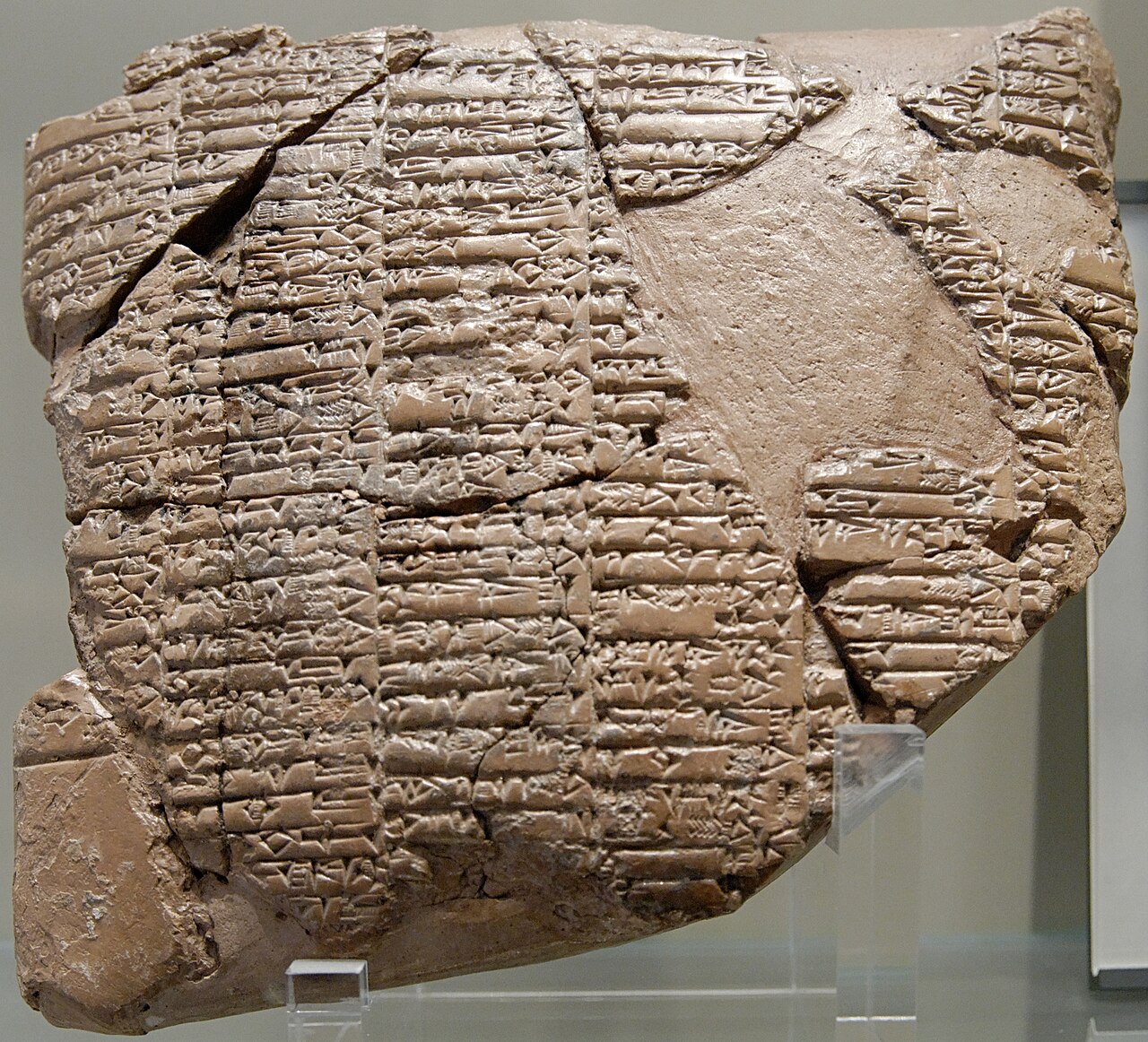
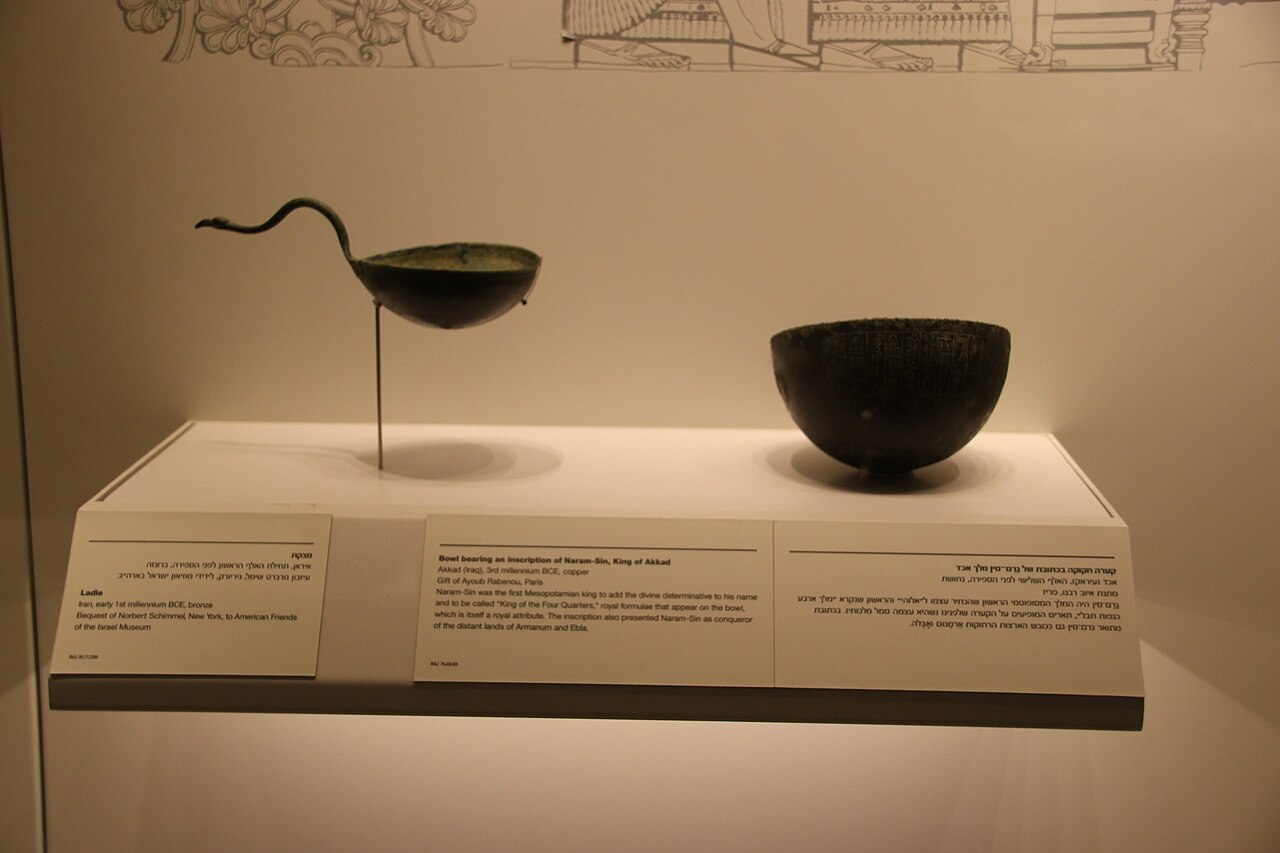
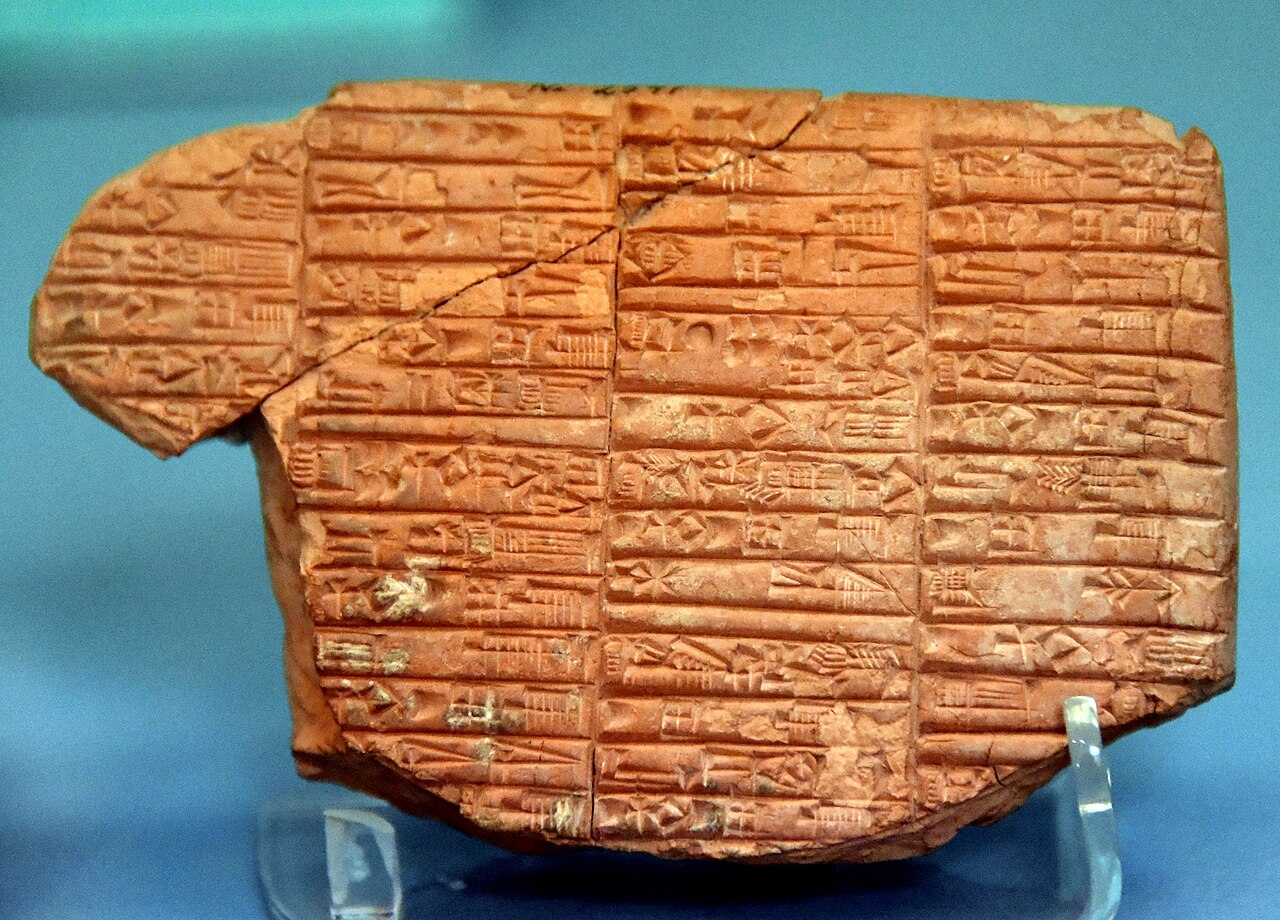
Frequently Asked Questions
Who is Naram-Sin of Akkad?
Naram-Sin was the third ruler of the Akkadian Empire and the grandson of its founder, Sargon. He governed roughly from 2255 to 2218 BC and is best known as the first Mesopotamian king to declare himself a god.
What made Naram-Sin of Akkad's claim to divinity unique?
He was the earliest known Mesopotamian monarch to adopt the personal title 'God of Akkad,' separating himself from the older convention that kept kingship and divinity distinct. He also became the first ruler to style himself 'King of the Four Quarters,' asserting sovereignty over the entire known world.
How did Naram-Sin of Akkad expand the empire?
Under his military leadership the Akkadian realm stretched to its greatest territorial extent in its history. He also led a decisive campaign to crush a major internal revolt that had threatened to fracture the kingdom.
Why is Naram-Sin of Akkad important in the history of deified monarchs?
He established the precedent of a living ruler claiming divine status in Mesopotamia, a practice that later kings would adopt. His reign marks the peak of Akkadian power before the empire's eventual collapse.
When did Naram-Sin of Akkad die?
He died around 2218 BC according to the middle chronology, bringing to a close a reign of roughly thirty-seven years.
More in Deified male monarchs 1-24
Spotted an error? Know more?
Reader corrections go straight into our review queue. Suggest an edit · How this site is sourced