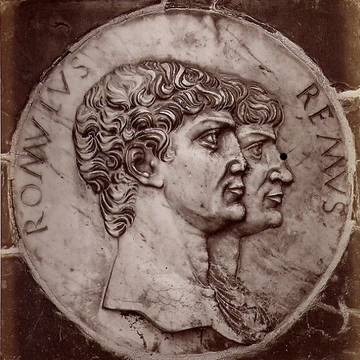
Lugalbanda
Deified Sumerian king, father of Gilgamesh, and epic hero.

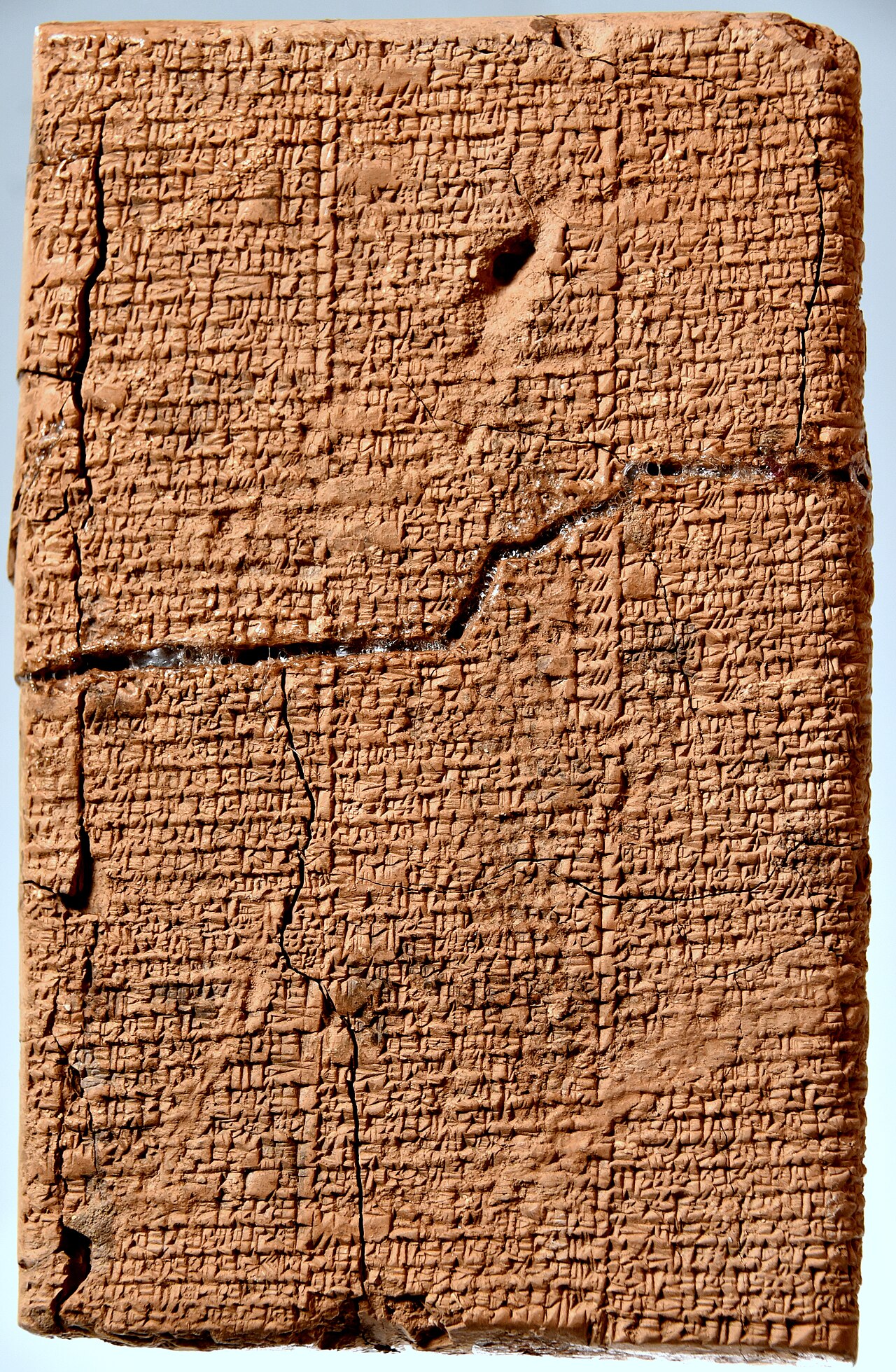
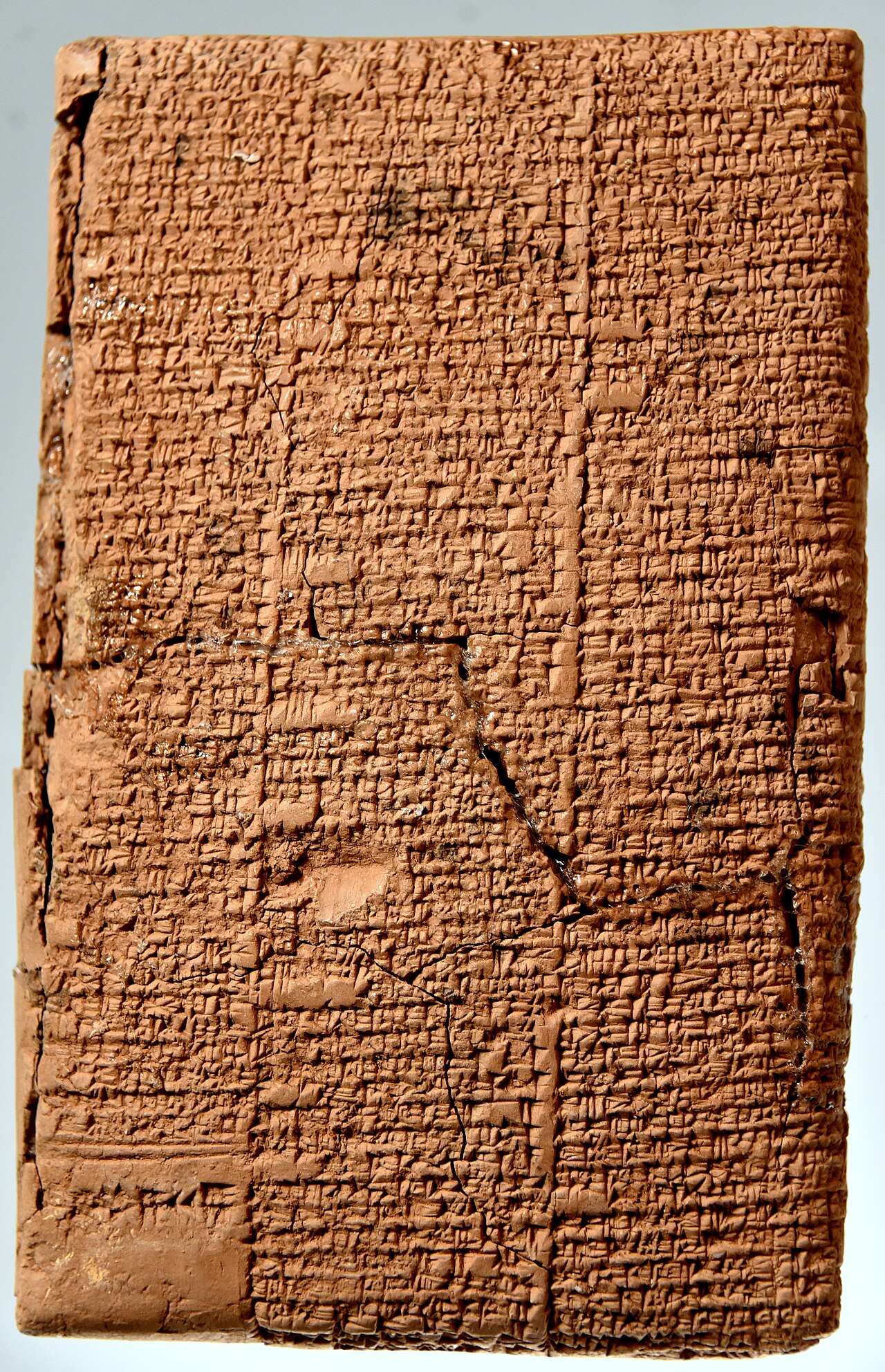
Osama Shukir Muhammed Amin FRCP(Glasg) · CC BY-SA 4.0
Lugalbanda is a deified Sumerian king from Uruk, best known in Mesopotamian literature as the father of Gilgamesh. Early texts mention his wife, Ninsun, and his participation in a heroic expedition to Aratta led by King Enmerkar. The Sumerian King List places him as the second king of the First Dynasty of Uruk, after Meskiaggasher and before Enmerkar, assigning him a reign of 1,200 years and the title "the Shepherd." Scholars are uncertain whether Lugalbanda was a historical figure; attempts to place him in the Early Dynastic II period rely on a mix of epic traditions from the second millennium and unclear archaeological evidence.
In mythology, Lugalbanda appears in Sumerian sources as early as the mid-third millennium. An incomplete text called *Lugalbanda and Ninsuna*, found at Abu Salabikh, describes a romance between the two. Early god-lists from Fara list his name separately and in a lower rank than Ninsun, but later traditions, continuing into the Seleucid period, often pair them together. Evidence for his worship as a deity dates from the Ur III period, with tablets from Nippur, Ur, Umma, and Puzrish-Dagan. During the Old Babylonian period, Sin-kashid of Uruk built a temple called É-KI.KAL for Lugalbanda and Ninsun and appointed his daughter Niši-īnī-šu as the eresh-dingir priestess of Lugalbanda.
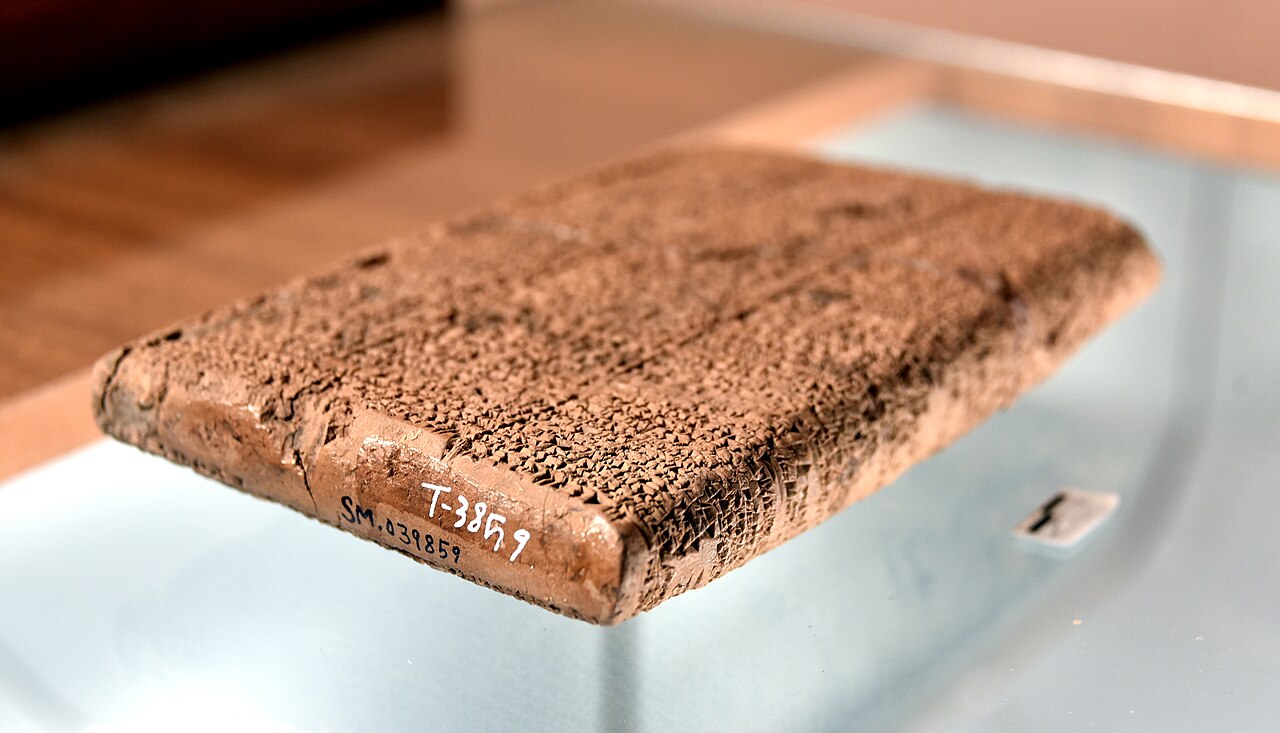
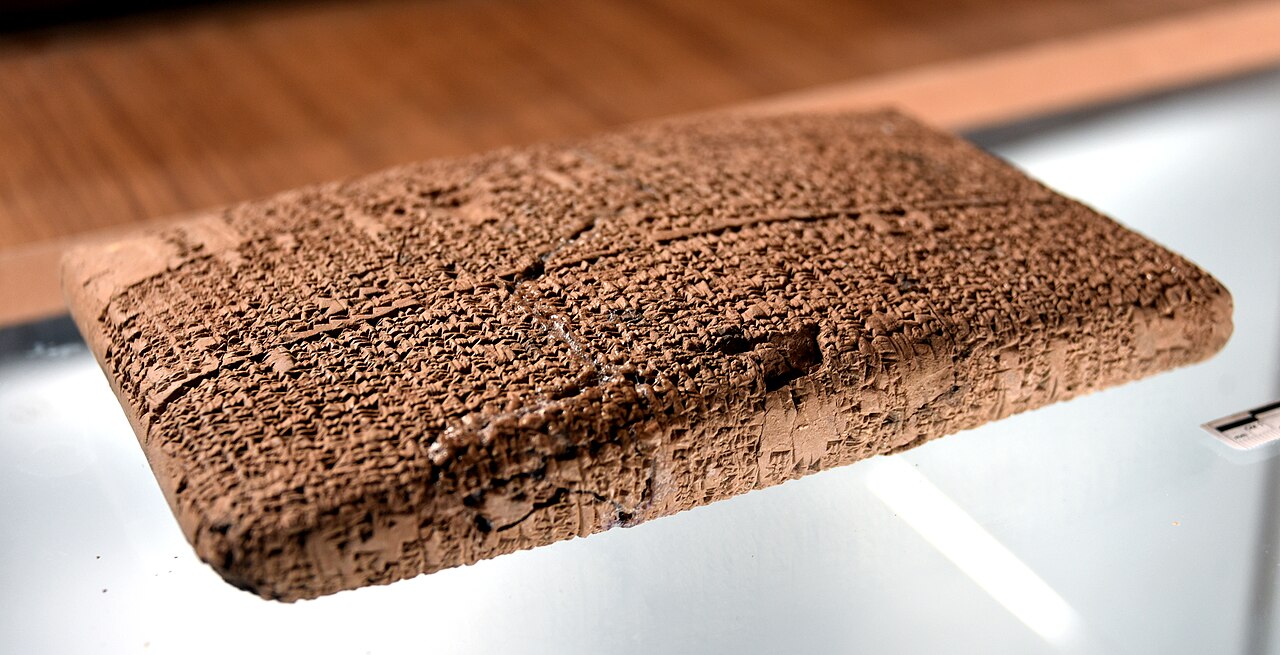
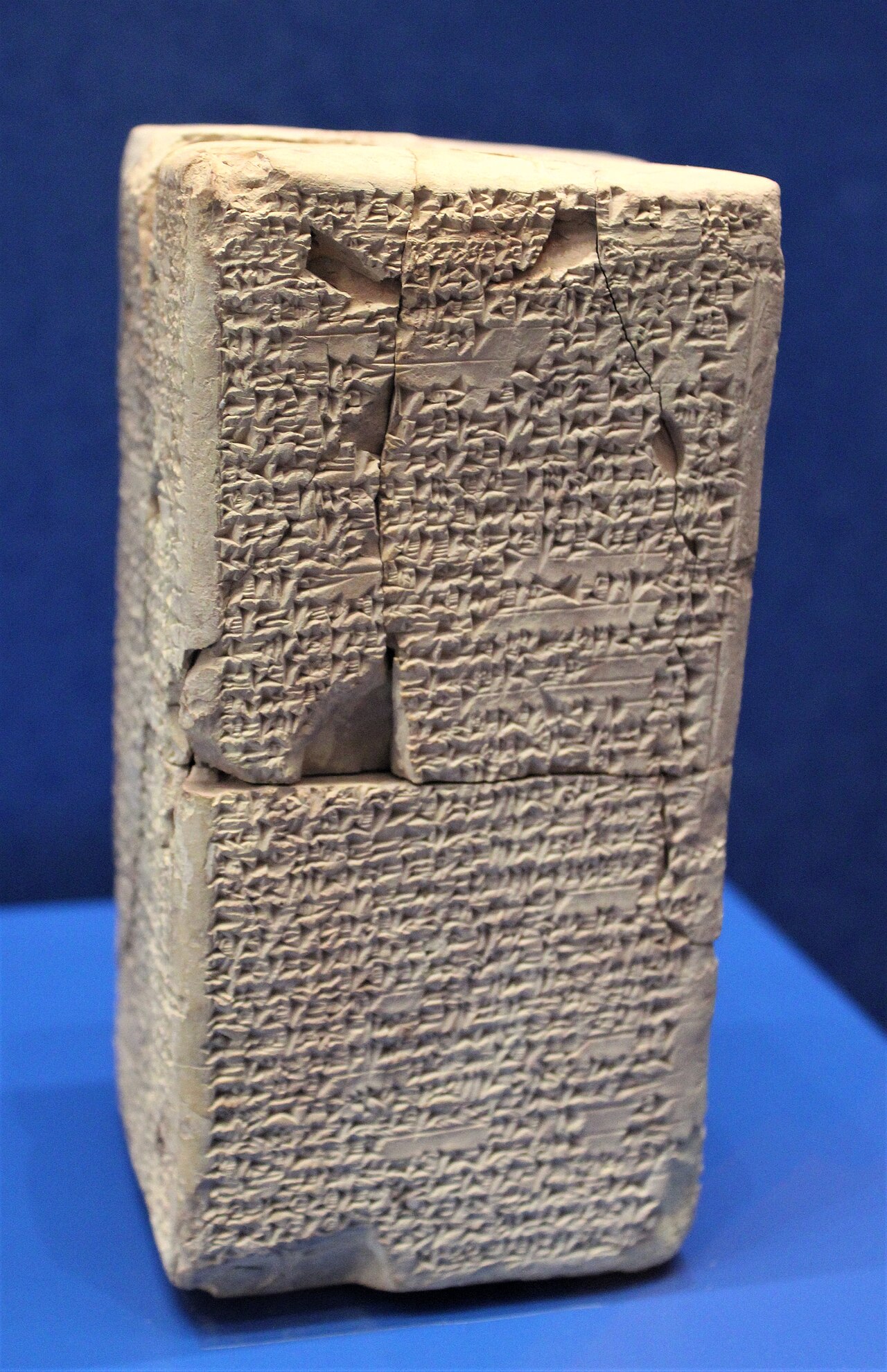
Lugalbanda is the hero of two Sumerian stories from the Ur III period or early Old Babylonian period, known as *Lugalbanda I* (or *Lugalbanda in the Mountain Cave*) and *Lugalbanda II* (or *Lugalbanda and the Anzu Bird*). These survive only in later versions, though an Ur III fragment differs significantly from the 18th-century BC copies. Both tales are part of a series about conflicts between Enmerkar of Uruk and Ensuhkeshdanna of Aratta, likely in the Iranian highlands. In these stories, Lugalbanda serves as a soldier in Enmerkar’s army—Enmerkar is listed in the Sumerian King List as the second king of the First Dynasty of Uruk and Lugalbanda’s successor. The surviving fragments do not mention Lugalbanda succeeding Enmerkar as king.
In royal hymns from the Ur III period, Ur-Nammu and his son Shulgi refer to Lugalbanda and Ninsun as their divine parents and call themselves brothers of Gilgamesh. Sin-Kashid of Uruk also claims Lugalbanda and Ninsun as his divine parents and names Lugalbanda as his personal god.
Quick Facts
- First
- c. 2500 BC
- Occupation
- King of Uruk (reigned c. 1,200 years)
- Spouse
- Ninsun
- Children
- Gilgamesh
Facts from the source article.
Lore & Background
Lugalbanda appears in Sumerian literary sources as early as the mid-3rd millennium, as attested by the incomplete mythological text Lugalbanda and Ninsuna from Abu Salabikh, which describes a romantic relationship between Lugalbanda and Ninsun. In the earliest god-lists from Fara, his name appears separate and in a much lower ranking than the goddess; however, in later traditions until the Seleucid period, his name is often listed along with his consort Ninsun. Evidence suggests the worship of Lugalbanda as a deity originating from the Ur III period, as attested in tablets from Nippur, Ur, Umma and Puzrish-Dagan.
Reader's Guide
Lugalbanda's significance lies in his dual role as a legendary king and a deity, bridging mortal and divine realms in Mesopotamian tradition. As the father of Gilgamesh and a hero in his own right, he appears in two Sumerian stories—Lugalbanda in the Mountain Cave and Lugalbanda and the Anzu Bird—part of a series about conflicts between Enmerkar of Uruk and Ensuhkeshdanna of Aratta. Royal hymns of the Ur III period depict Ur-Nammu and Shulgi calling Lugalbanda and Ninsun their holy parents, and Sin-Kashid of Uruk built a temple dedicated to them. In the Epic of Gilgamesh, Gilgamesh calls himself the son of Lugalbanda and Ninsun, and refers to Lugalbanda as his personal god. This legacy underscores the integration of kingly and divine authority in Sumerian culture, though his historicity remains uncertain.
Royal Lineage and the King List
Lugalbanda occupies a pivotal position in the Sumerian King List as the second ruler of Uruk, following Enmerkar. The list credits him with a reign of 1,200 years and bestows upon him the epithet of the Shepherd, a title that evokes pastoral authority and care over his people. His most consequential legacy, however, is genealogical: he is identified across multiple literary traditions as the father of Gilgamesh, the hero who would become the most celebrated figure in Mesopotamian storytelling. In the Gilgamesh and Huwawa poem, the king repeatedly invokes his parentage with the emphatic declaration, "By the life of my own mother Ninsun and of my father, holy Lugalbanda!" In Akkadian retellings of the epic, Gilgamesh goes further, referring to Lugalbanda as his personal god and even presenting sacred anointing oil for him. Despite this towering literary presence, scholars remain divided on whether Lugalbanda was a historical figure. Attempts to anchor him in the ED II period rely on blending second-millennium epic traditions with ambiguous archaeological evidence, leaving his historicity firmly in the realm of uncertainty.
Heroic Deeds in the Aratta Cycle
The two stories scholars label Lugalbanda I and Lugalbanda II place the hero not on a throne but in the ranks of an army. In both tales, he serves as a soldier under King Enmerkar of Uruk during a military expedition against Ensuhkeshdanna, the lord of Aratta, a realm presumably situated in the Iranian highlands. Lugalbanda I, subtitled "Lugalbanda in the Mountain Cave," and Lugalbanda II, "Lugalbanda and the Anzu Bird," are dated by scholars to the Third Dynasty of Ur, though surviving fragments from that era differ notably from the more complete eighteenth-century versions that reached modern readers. Notably, the extant fragments of these stories make no mention of Lugalbanda succeeding Enmerkar to the throne, leaving a gap between his military service and his later kingship. The Aratta cycle thus frames Lugalbanda first and foremost as a warrior whose extraordinary feats in the field earned him a place in the pantheon of Sumerian heroes, even if the narrative thread connecting his battlefield glory to royal succession remains unspoken in the texts we possess.
From Mortal King to Worshipped Deity
The trajectory of Lugalbanda from legendary king to object of formal worship is well documented across several millennia. The earliest god-lists from Fara record his name separately and at a considerably lower rank than that of his consort Ninsun, suggesting that her divine status preceded or overshadowed his. Over time, however, the two became increasingly inseparable in religious practice; by the Seleucid period, his name is routinely paired with Ninsun's in liturgical contexts. Concrete evidence of his cultic veneration dates to the Ur III period, with tablets recovered from Nippur, Ur, Umma, and Puzrish-Dagan attesting to his worship as a deity. In the Old Babylonian era, Sin-kashid of Uruk constructed a temple called É-KI.KAL dedicated to both Lugalbanda and Ninsun and appointed his daughter Niši-īnī-šu as the eresh-dingir priestess of Lugalbanda. Royal hymns from the Ur III period reveal that Ur-Nammu and his son Shulgi regarded Lugalbanda and Ninsun as their holy parents, while Sin-kashid himself named Lugalbanda as his personal god.
Literary Evolution and Scholarly Inquiry
The literary footprint of Lugalbanda stretches back to the mid-third millennium BCE, with the incomplete text Lugalbanda and Ninsuna, discovered at Abu Salabikh, offering the earliest known depiction of a romantic relationship between him and Ninsun. This early attestation predates the more elaborate epic cycles by centuries, hinting at a long and layered tradition of storytelling. The Ur III fragments that survive from the Lugalbanda narratives are described as quite different from the eighteenth-century versions that form the basis of modern scholarship, indicating significant editorial and thematic shifts across the intervening centuries. Scholars such as Bendt Alster have examined his role in the early epic tradition and the demonic elements in the conclusion of the Hurrumkurra story, while Robert Falkowitz has focused on the relationship between Lugalbanda and Enmerkar. Jennifer Larson has drawn parallels between Lugalbanda and the Greek figure Hermes, and Scott Noegel has situated the Mesopotamian epic within the broader landscape of ancient world literature. These studies collectively underscore that Lugalbanda remains a figure whose full narrative is still being reconstructed from scattered and often fragmentary sources.
Gallery
Frequently Asked Questions
Who is Lugalbanda?
Lugalbanda is a deified Sumerian king from Uruk who occupies a central place in Mesopotamian epic literature. He is best remembered as the father of Gilgamesh and as a heroic figure in two surviving Sumerian narrative poems.
What are Lugalbanda's powers and role in the myths?
As a deified ruler, Lugalbanda wields divine kingship over Uruk and is portrayed as a warrior-hero capable of extraordinary feats. He also appears in the older Enmerkar cycle, joining the king's expedition to the distant land of Aratta, which underscores his status as a legendary figure alongside other great Sumerian kings.
Why is Lugalbanda important to Mesopotamian literature?
He serves as the mythic bridge between the antediluvian kings and the more historically grounded dynasty of Uruk, and his paternity of Gilgamesh anchors one of the oldest known epic cycles in human history. His title 'the Shepherd' in the King List also reflects an early Sumerian ideal of the king as caretaker of his people.
Is Lugalbanda a real historical person?
Scholars generally regard him as a legendary or semi-legendary figure rather than a verifiable historical king. The 1,200-year reign listed in the Sumerian King List is clearly mythologized, and attempts to anchor him in the Early Dynastic II period depend on second-millennium epic traditions rather than contemporary inscriptions.
More in Deified male monarchs 1-24
Spotted an error? Know more?
Reader corrections go straight into our review queue. Suggest an edit · How this site is sourced