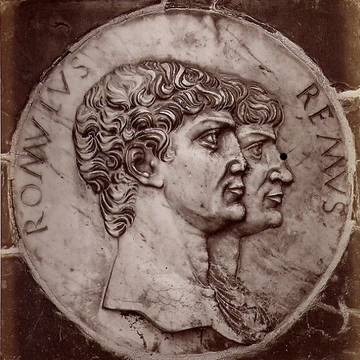
Antiochus IV Epiphanes
Seleucid king whose actions sparked the Maccabean revolt.

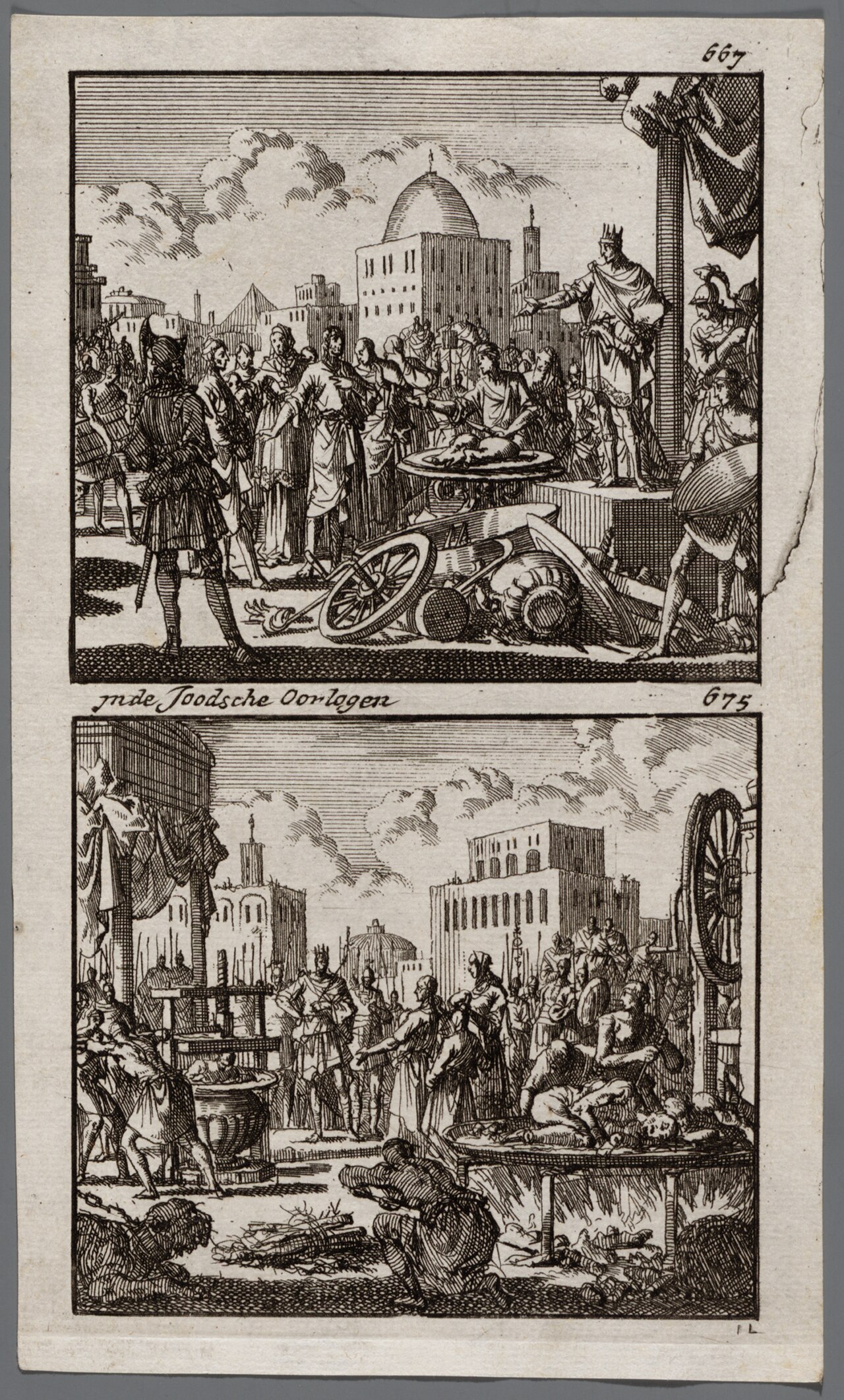
Jan Luyken (etser) (naar) Jan Luyken (tekenaar) Flavius Josephus (auteur) · Public domain
Antiochus IV Epiphanes ruled the Seleucid Empire from 175 BC until his death in 164 BC. He was born around 215 BC. His reign is remembered for nearly conquering Ptolemaic Egypt, persecuting Jews in Judea and Samaria, and sparking the Maccabean revolt. His path to power was disputed. After his brother King Seleucus IV Philopator was killed in 175 BC, the rightful heir was Seleucus’s son Demetrius I, but Demetrius was a young hostage in Rome. Antiochus seized the throne, rallying enough support among Antioch’s Greek elite to declare himself king. This move contributed to a pattern of instability: later, many claimants tried to usurp the throne, and power struggles between rival dynastic lines helped collapse the empire. Antiochus’s unpredictable and odd behavior earned him the nickname Epimanes (“The Mad”), a play on his official title Epiphanes (“God Manifest”). Some Christian traditions view him as a prototype of the Antichrist.
Originally named Mithridates, Antiochus was a son of Antiochus III the Great. After the Treaty of Apamea in 188 BC, he became a political hostage in Rome. When his brother Seleucus IV became king, Antiochus was exchanged for his nephew Demetrius. He then lived in Athens. While there, Seleucus was assassinated by the minister Heliodorus, who declared himself regent. With help from King Eumenes II of Pergamum, Antiochus traveled from Athens through Asia Minor and reached Syria by November 175 BC. He took the throne, proclaiming himself co-regent with Seleucus’s infant son, also named Antiochus. That child died in 170 BC, possibly murdered by Antiochus.
Antiochus cultivated a reputation for extravagance. He scattered money to commoners in Antioch’s streets, gave unexpected gifts to strangers, funded the Temple of Zeus in Athens and the altar at Delos, staged a massive military parade at Daphne, and held lavish banquets. He also hired mercenaries for the army. These expenses strained the treasury, but the empire raised enough taxes to cover them. His odd behavior—like appearing in public baths and applying for municipal offices—led critics to call him Epimanes.
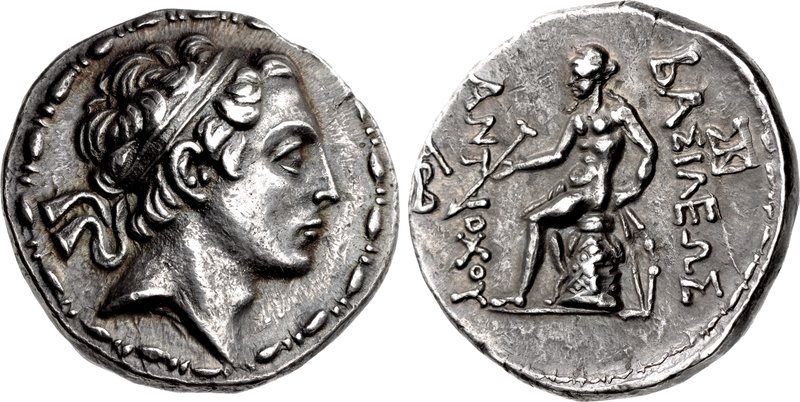
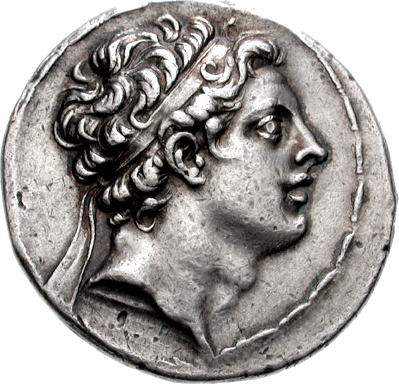
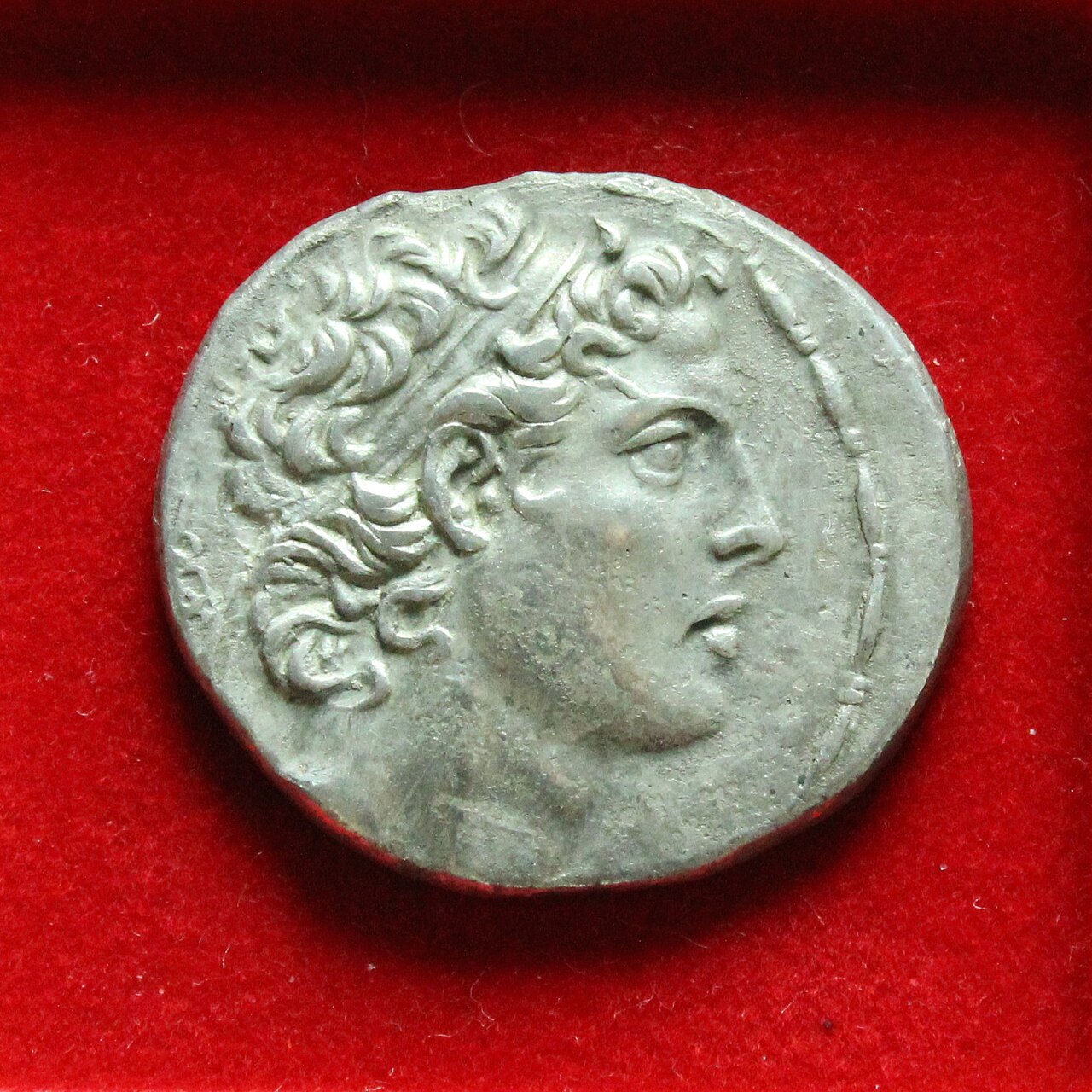
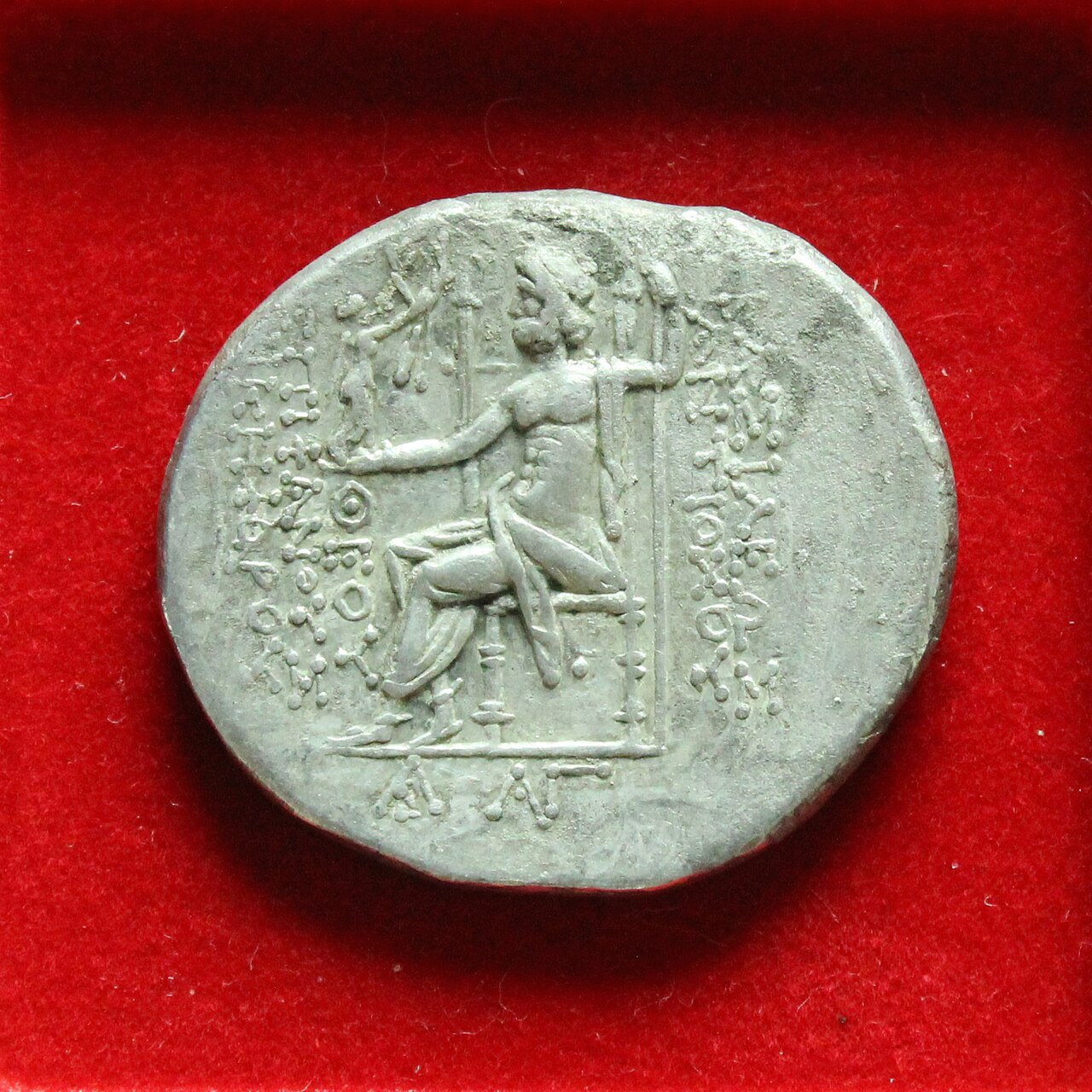
He was the first Seleucid king to put divine epithets on coins, possibly inspired by Bactrian Greek kings or building on his father’s ruler cult. These epithets included “Manifest God” and, after defeating Egypt, “Bringer of Victory.”
Antiochus kept good relations with Rome.
Quick Facts
- Succession
- Basileus of the Seleucid Empire
- Reign
- 3 September 175 – November/December 164 BC
- Predecessor
- Antiochus, son of Seleucus IV
- Successor
- Antiochus V Eupator
- Regent
- Antiochus, son of Seleucus IV (175–170 BC)
- Reg Type
- Co-king
- Issue
- Antiochus V Eupator / Laodice VI / Antiochis / Alexander Balas (possibly) / Laodice (possibly)
- Era Name
- Antiochene crises
- House
- Seleucid
- House Type
- Dynasty
- Father
- Antiochus III the Great
- Mother
- Laodice III
Facts from the source article.
Lore & Background
Antiochus IV was a son of King Antiochus III the Great. After his brother Seleucus IV Philopator was assassinated in 175 BC, Antiochus seized the throne, proclaiming himself co-regent with an infant son of Seleucus. The legitimate heir, Demetrius I, was a young hostage in Rome at the time. Antiochus's rise helped set a destabilizing trend in the Seleucid Empire, as increasing numbers of claimants tried to usurp the throne in subsequent generations.
Antiochus cultivated a reputation as an extravagant ruler, scattering money in the streets, giving unexpected gifts, and holding opulent banquets. His eccentric behavior, such as appearing in public bath houses and applying for municipal offices, led detractors to call him Epimanes ('The Mad'), a wordplay on his title Epiphanes ('God Manifest'). He was the first Seleucid king to use divine epithets on coins.
In 170 BC, war broke out with Ptolemaic Egypt. Antiochus defeated Egyptian forces, seized Pelusium, and captured King Ptolemy VI, allowing him to rule as a puppet. In 168 BC, a second attack on Egypt was halted by the Roman ambassador Gaius Popillius Laenas, who drew a line in the sand and demanded Antiochus withdraw or face war with Rome. Antiochus complied, an event known as the 'Day of Eleusis.'
Reader's Guide
Antiochus IV Epiphanes is significant for his role in the escalation of tensions in Judea, which led to the Maccabean revolt and the eventual establishment of an independent Jewish state. His persecution of the Jews, including the deposing of High Priest Jason and the installation of Menelaus, followed by a violent crackdown after a rumor of his death sparked a revolt, is chronicled in 2 Maccabees. This persecution and the subsequent rebellion had lasting religious and cultural impacts, and Antiochus is often taken as a prototype of the Antichrist in certain forms of Christianity.
His reign also contributed to the destabilization of the Seleucid Empire. His usurpation of the throne set a precedent for future claimants, and power struggles after his death heavily contributed to the empire's collapse. The Roman intervention at the 'Day of Eleusis' demonstrated the limits of Seleucid power relative to Rome, though some modern historians suggest Antiochus may have been reconciled to the withdrawal as it avoided a costly siege of Alexandria.
Did You Know?
- Antiochus IV was originally named Mithridates, but changed his name either after the death of his elder brother or when he ascended the throne.
- He was a political hostage of the Roman Republic under the Treaty of Apamea before becoming king.
- The Roman ambassador Gaius Popillius Laenas drew a line in the sand around Antiochus and demanded he withdraw from Egypt or face war with Rome.
- Antiochus was the first Seleucid king to use divine epithets on coins, such as 'God Manifest' and 'Bringer of Victory.'
The Contested Crown
Antiochus IV, born around 215 BC as a son of Antiochus III the Great, likely went by the name Mithridates before assuming his royal title. His path to power was anything but straightforward. Under the 188 BC Treaty of Apamea, he served as a political hostage in Rome. When his older brother Seleucus IV took the throne in 187 BC, Antiochus was swapped for his nephew Demetrius and settled in Athens. In 175 BC, Seleucus was assassinated by his own minister Heliodorus, who briefly declared himself regent. With the legitimate heir Demetrius still held captive in Rome, Antiochus seized the moment. Assisted by Eumenes II of Pergamum, he marched through Asia Minor and reached Syria by November 175 BC, rallying enough support among the Greek ruling class in Antioch to declare himself king. He nominally shared the throne with an infant son of Seleucus, who would later die in 170 BC under suspicious circumstances. This act of usurpation set a dangerous precedent that would plague the Seleucid dynasty for generations.
A King Who Defied Convention
Antiochus IV cultivated an image of a ruler who moved between the divine and the thoroughly mundane. He was the first Seleucid monarch to stamp divine epithets onto his coinage—Theos Epiphanes, meaning manifest god, and later Nikephoros, bringer of victory—a practice possibly inspired by Bactrian Hellenistic kings or his father's earlier ruler-cult traditions. Yet the same man could be found in public bathhouses or even applying for municipal offices, behaviors that led contemporaries to mock him as Epimanes, The Mad, a deliberate pun on his godly title. His generosity was legendary: he tossed coin to strangers in Antioch's streets, funded the Temple of Zeus at Athens and the altar at Delos, staged a massive military parade at Daphne, and hosted lavish banquets with the aristocracy featuring the finest spices and textiles. He also supplemented his army with mercenaries. All of this drained the treasury, though the empire's tax base proved sufficient to sustain it. The result was a ruler who simultaneously worshipped himself and delighted in anonymous, almost absurd, public appearances.
The Egyptian Gambit
Antiochus IV carefully managed his relationship with Rome, dispatching an embassy in 173 BC that delivered part of the remaining Apamea indemnity and secured a renewed alliance, aided by the fact that his own rise to power had been backed by Rome's ally Eumenes II. This diplomatic cushion gave him room to act against Ptolemaic Egypt. In 170 BC, the guardians of the young Ptolemy VI declared war, assuming the Seleucid empire was fractured after Antiochus' suspected murder of his nephew. Antiochus, however, had already positioned his forces. The Egyptian army was struck the moment it left Pelusium and routed. The Seleucids captured Pelusium, rolled through Egypt, and took Ptolemy himself prisoner, leaving only Alexandria unconquered. Rome, consumed by the Third Macedonian War, stayed out. To avoid provoking the Republic, Antiochus left Ptolemy ruling as a puppet from Memphis before withdrawing. In 168 BC he launched a second campaign and sent a fleet toward Cyprus, but his advance was halted before Alexandria by a single elderly Roman ambassador, Gaius Popillius Laenas, who drew a circle in the sand and demanded an immediate answer: withdraw or face war. Antiochus chose to withdraw.
A Shadow That Outlived the Empire
Antiochus IV's reign left scars that extended far beyond his own lifetime. His seizure of the throne from a young, legitimate heir established a pattern of dynastic usurpation that would unravel the Seleucid state over the following generations, as competing claimants tore the empire apart after his death in late 164 BC. His persecution of the Jewish communities in Judea and Samaria provoked the Maccabean rebellion, a conflict that reshaped the religious and political landscape of the region. In the realm of theology and popular imagination, Antiochus became something more than a historical king: in certain strands of Christian thought, he is regarded as a prototype of the Antichrist, a figure whose arrogance and desecration of sacred spaces gave him an almost mythic resonance. His very name, Epiphanes, meaning God Manifest, and the mocking counter-epithet Epimanes, The Mad, encapsulate the duality with which later generations remembered him: a man who claimed divinity and was remembered as a cautionary symbol of hubris, persecution, and imperial overreach.
Gallery
Frequently Asked Questions
Who is Antiochus IV Epiphanes?
Antiochus IV Epiphanes was a Seleucid king who held the throne from 175 BC until his death in late 164 BC. Born around 215 BC, he is remembered as one of the most aggressive and controversial Hellenistic rulers, whose policies reshaped the political and religious landscape of the eastern Mediterranean.
How did Antiochus IV Epiphanes seize the throne?
After his brother Seleucus IV Philopator was murdered in 175 BC, the legitimate heir was the young Demetrius I, who was held as a hostage in Rome. Antiochus bypassed Demetrius by rallying the Greek elite in Antioch to declare him king, a power grab that set a pattern of dynastic instability for the Seleucid line.
What is Antiochus IV Epiphanes most known for?
He is chiefly remembered for his near-conquest of Ptolemaic Egypt and his brutal suppression of Jewish religious life in Judea and Samaria. His persecution directly ignited the Maccabean revolt, one of the defining uprisings of the ancient world.
Why is Antiochus IV Epiphanes important?
His reign marked a turning point in Hellenistic history because his military overreach and religious persecution destabilized both the Seleucid state and the broader regional balance of power. The Maccabean revolt he provoked became a foundational narrative in Jewish history and collective identity.
More in Deified male monarchs 1-24
Spotted an error? Know more?
Reader corrections go straight into our review queue. Suggest an edit · How this site is sourced