Martin of Tours
Third bishop of Tours, patron saint, and former Roman soldier.
Last updated

Unknown Unknown . Architect: Étienne de Mortagne Eusebius · Public domain
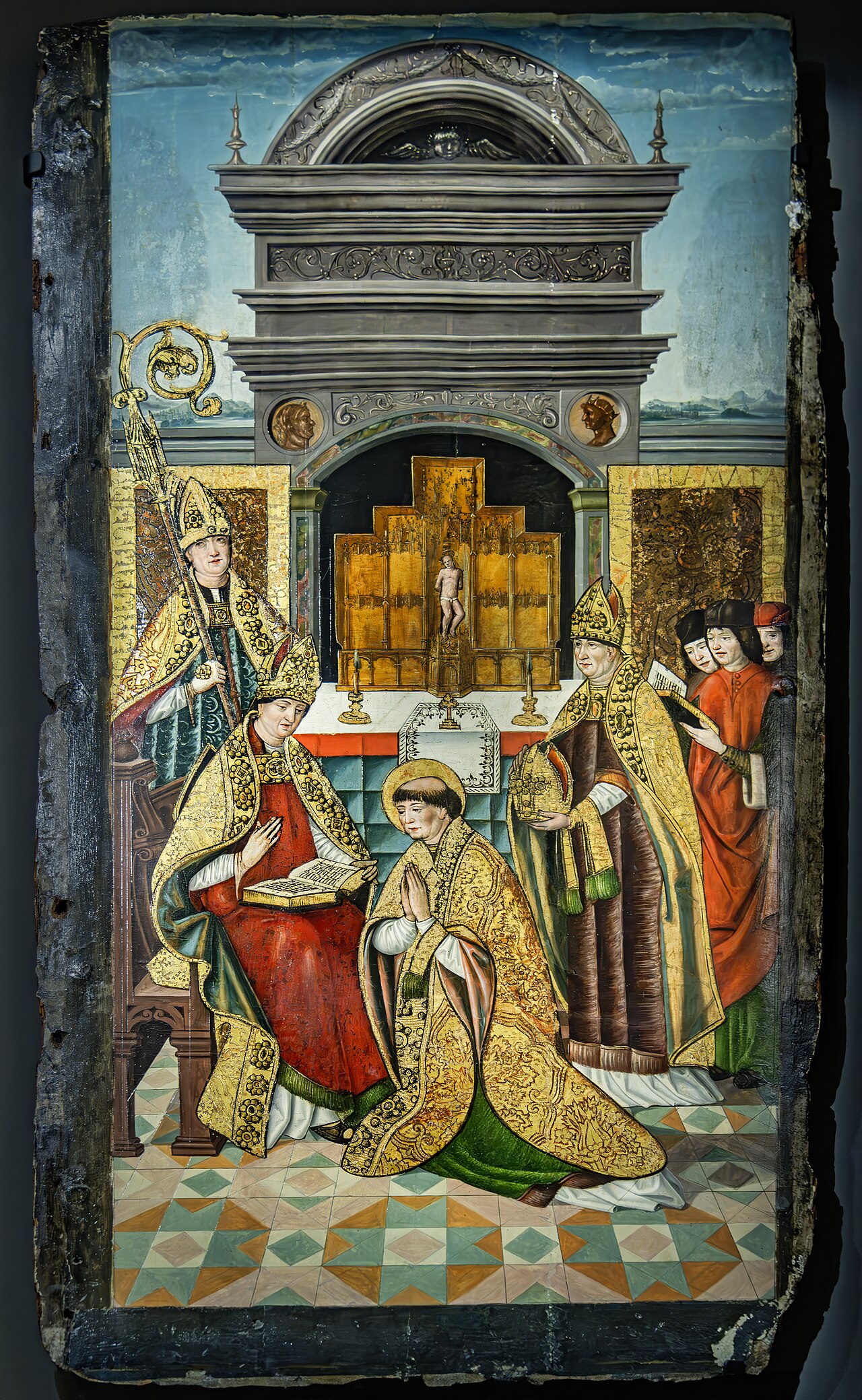
Martin of Tours, born in 316 or 336 in Savaria, Pannonia (present-day Szombathely, Hungary), was the son of a senior Roman military officer. His father received veteran status and retired to Ticinum (now Pavia, Italy), where Martin grew up. At age ten, against his parents’ wishes, he began attending Christian church and became a catechumen.
At fifteen, following his father’s path, he was required to join a cavalry ala, and at eighteen he was stationed in Gaul at Ambianensium civitas (now Amiens, France), likely serving in an elite heavy cavalry unit that accompanied the emperor. He served under Constantine II and later under Julian. Shortly before a battle at Borbetomagus (now Worms, Germany), Martin declared himself a soldier of Christ and refused to fight, offering to go unarmed to the front. His superiors planned to accept, but the invaders sued for peace, and Martin was released from service.
Monk and hermit
He then became a disciple of Hilary of Poitiers, opposing Arianism. When Hilary was exiled, Martin returned to Italy, converting an Alpine brigand and confronting the Devil. He later revisited Pannonia, converting his mother but not his father.
Hagiography
After being expelled from Milan by the Arian archbishop Auxentius, he lived as a hermit on the island of Gallinaria (now Isola d’Albenga). Upon Hilary’s return in 361, Martin established a hermitage at Ligugé, attracting followers. He was consecrated bishop of Caesarodunum (Tours) in 371 and actively suppressed remnants of Gallo-Roman religion. His contemporary hagiographer Sulpicius Severus recorded his miracles: casting out demons, healing a paralytic, raising the dead, turning back flames from a house while burning a Roman temple, deflecting a felled sacred pine, and the healing power of a letter.
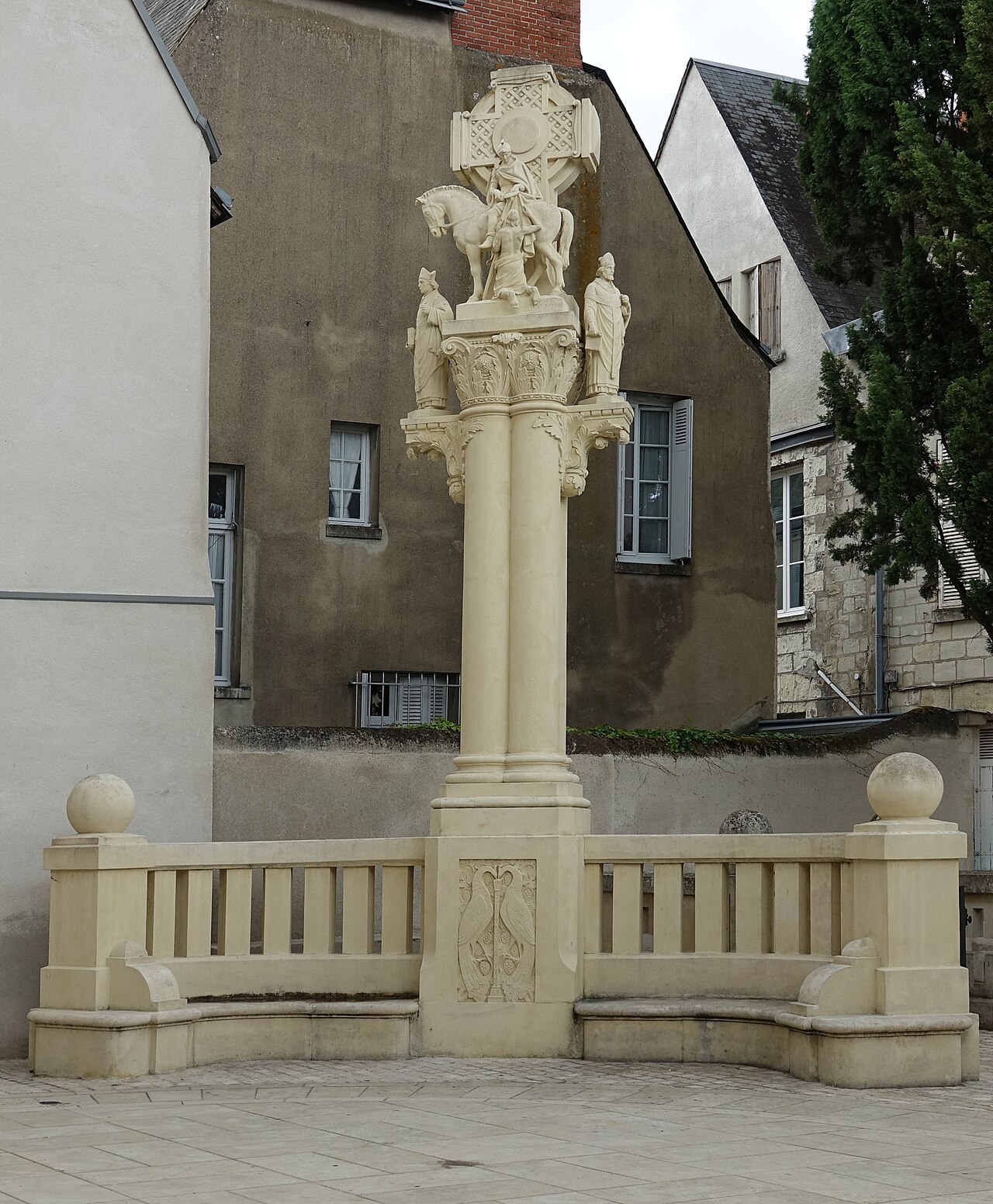
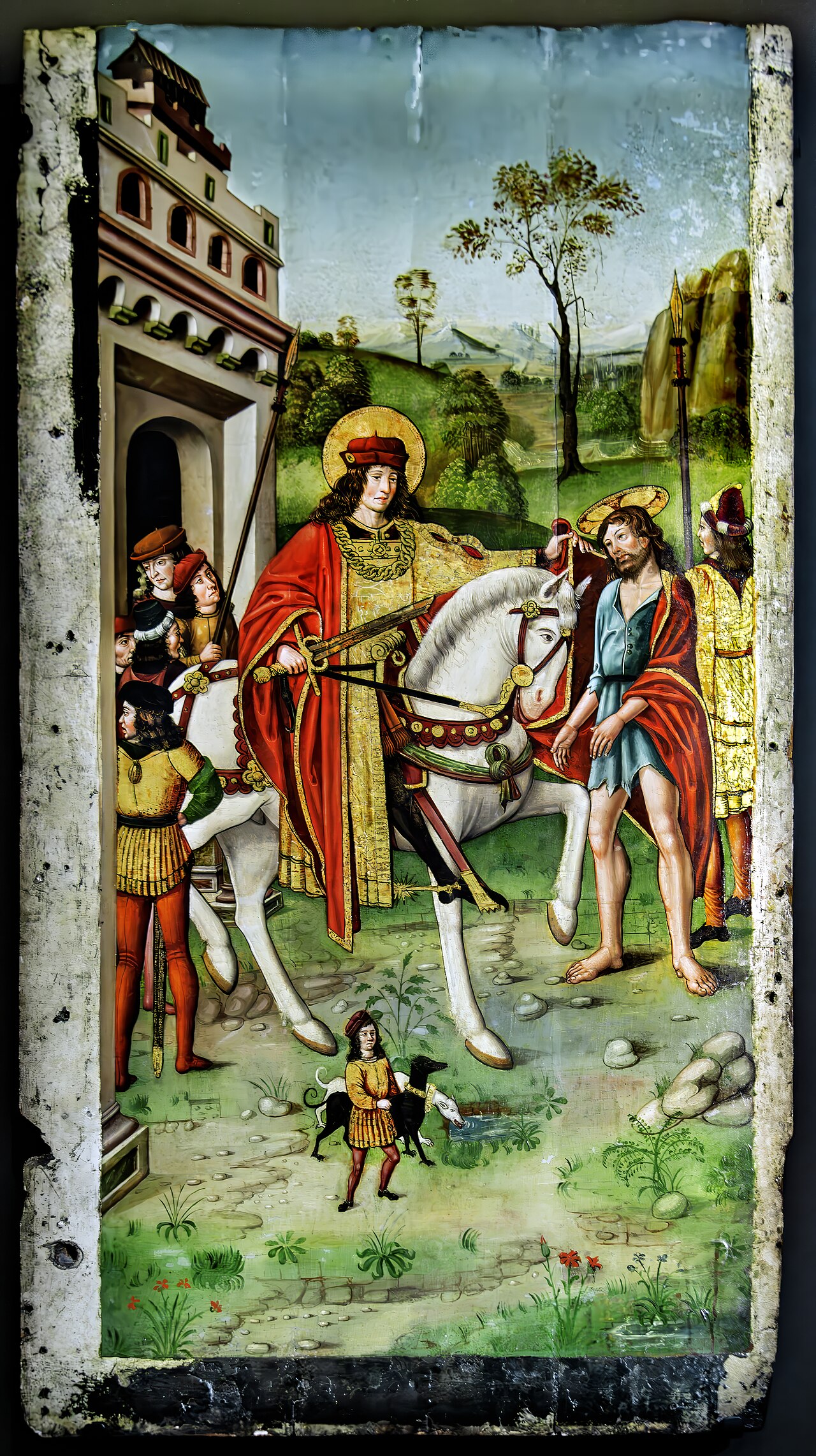
Martin is best known for cutting his cloak in two with his sword to give half to a beggar in winter. His shrine in Tours became a major stop for pilgrims on the road to Santiago de Compostela. He died on 8 November 397.
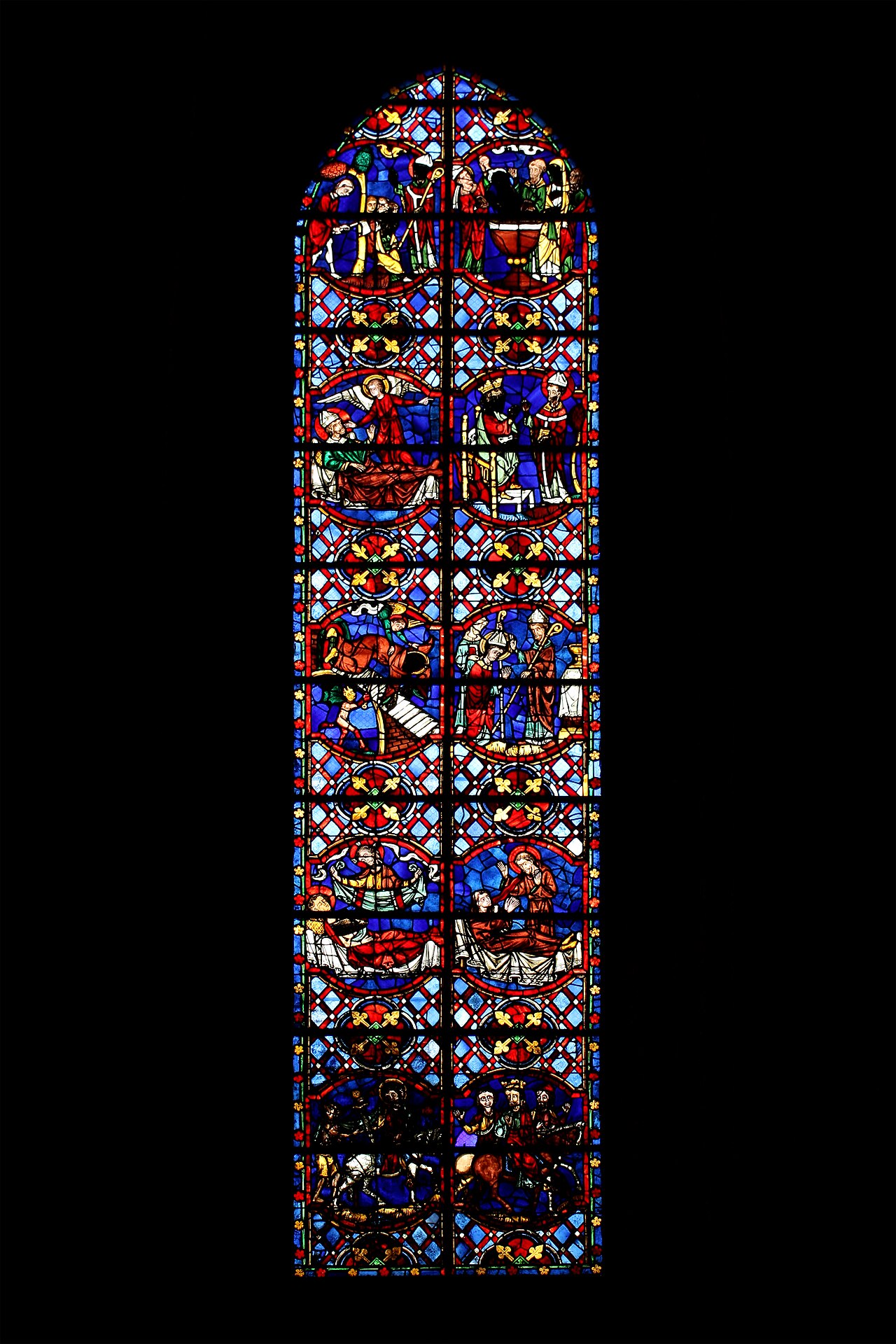
Lore & Background
Martin was born in AD 316 or 336 in Savaria, in the Diocese of Pannonia (now Szombathely, Hungary). His father was a senior officer (tribune) in the Roman military. At age 10, he attended the Christian church against his parents' wishes and became a catechumen. At 15, he was required to join a cavalry ala.
At age 18 (around 334 or 354), he was stationed at Ambianensium civitas or Samarobriva in Gaul (now Amiens, France). He likely joined the Equites catafractarii Ambianenses, a heavy cavalry unit. Historian Andre Mertens concluded that Martin served under Constantine II (ruled 337–340) and afterwards under Julian (ruled 361–363).
Sulpicius Severus reports that just before a battle at Borbetomagus (now Worms, Germany), Martin declared, 'I am the soldier of Christ: it is not lawful for me to fight.' He was charged with cowardice and jailed, but volunteered to go unarmed to the front. The invaders sued for peace, the battle never occurred, and Martin was released. He became a disciple of Hilary of Poitiers and opposed the Arianism of the Imperial Court. When Hilary was forced into exile, Martin returned to Italy, converted an Alpine brigand, and confronted the Devil.
He crossed the Alps to Pannonia, where he converted his mother but not his father. In Illyricum, he was publicly whipped and forced to leave for opposing Arians. He lived as a hermit on the island Gallinaria (now Isola d'Albenga).
With Hilary's return in 361, Martin established a hermitage at Ligugé. In 371, he succeeded Litorius as bishop of Tours, reluctantly allowing himself to be consecrated. As bishop, he destroyed pagan temples, altars, and sculptures. He founded the rural monastery of Marmoutier and introduced a rudimentary parish system, visiting each parish annually on foot, by donkey, or by boat.
Also in the Codexery
More in Catholic Saints & Popes
Sources
Compiled from Wikipedia and the sources listed below. Text from Wikipedia is available under CC BY-SA 4.0; this entry is adapted from it.
- Wikipedia: Martin of Tours (CC BY-SA 4.0).
Spotted an error? Know more?
Reader corrections go straight into our review queue. Suggest an edit · How this site is sourced