Mary MacKillop
First Australian Catholic saint and co-founder of the Josephites.
Last updated

Lalupa · CC BY-SA 3.0
Mary Helen MacKillop, known in religious life as Mary of the Cross, was born in 1842 in what is now Fitzroy, Melbourne, then part of the colony of New South Wales. Her parents, Alexander MacKillop and Flora MacDonald, had emigrated from Scotland. Alexander had studied for the priesthood before leaving just prior to ordination, but struggled as a farmer and gold prospector, leaving the family in hardship. Mary was the eldest of eight children; one brother became a Jesuit priest working with Aboriginal peoples, and a sister joined the Good Shepherd Sisters.
After working as a clerk and then a governess in South Australia, she began teaching children on her aunt’s estate. In 1866, with Father Julian Tenison-Woods, she opened a Catholic school in a stable in Penola. She declared her dedication to God, adopted the religious name Sister Mary of the Cross, and together with other women formed the Sisters of St Joseph of the Sacred Heart. Their rule emphasized poverty, reliance on divine providence, and willingness to serve wherever needed.
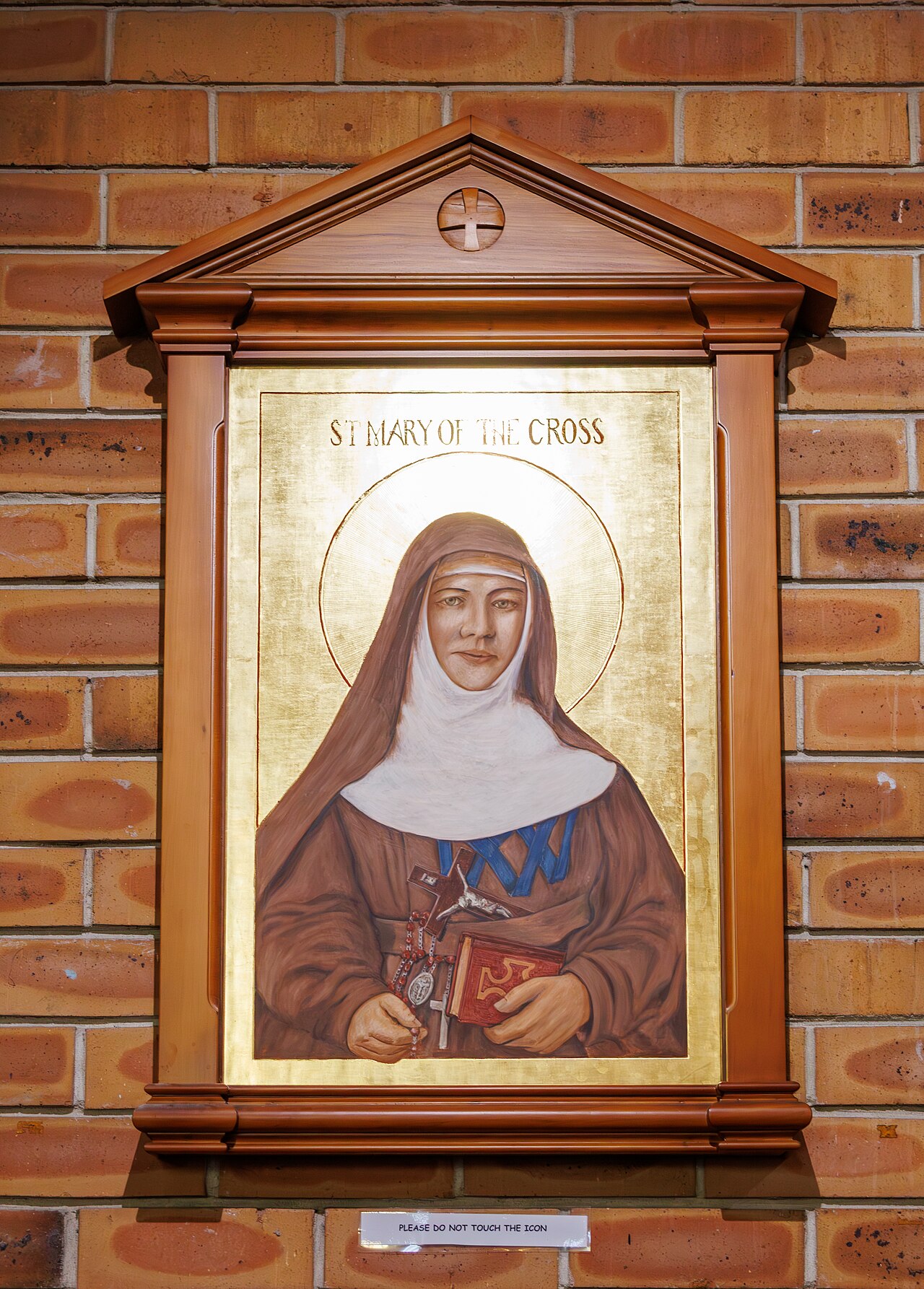
The sisters, known as “Brown Joeys” for their plain brown habits, established numerous schools and welfare institutions across Australia and New Zealand, focusing on education for the rural poor. MacKillop died in 1909. The process for her sainthood began in the 1920s; she was beatified in 1995 by Pope John Paul II. Pope Benedict XVI prayed at her tomb in 2008, and in 2009 the Church recognized a second miracle through her intercession. She was canonized in 2010 at the Vatican, becoming Australia’s first Catholic saint and is the patron saint of the Archdiocese of Brisbane and of Australia.
Lore & Background
Mary MacKillop was born on 15 January 1842 in what is now the Melbourne suburb of Fitzroy, Victoria, to Alexander MacKillop and Flora MacDonald. She was the eldest of eight children. Her family faced financial hardship, and she started work at age 16 as a clerk in a stationery store in Melbourne. In 1860 she took a job as governess at her aunt and uncle's estate in Penola, South Australia, where she taught children including those of farm workers.
Founding of school and religious congregation
There she met Fr Julian Tenison-Woods, who had been the parish priest in the south east since 1857. In 1866, Woods invited MacKillop and her sisters Annie and Lexie to open a Catholic school in Penola, which they started in a stable, teaching more than 50 children. On 21 November 1866, several other women joined MacKillop and her sisters; she adopted the religious name 'Sister Mary of the Cross' and the group began calling themselves the Sisters of St Joseph of the Sacred Heart. They moved to a new house in Grote Street, Adelaide, and founded a school at the request of Bishop Laurence Sheil.
Expansion of the Sisters of St Joseph
By the end of 1867, ten other women had joined the Josephites, who adopted a plain brown religious habit and became known as the 'Brown Joeys'. The congregation expanded rapidly: by the end of 1869, more than 70 members were educating children at 21 schools in Adelaide and the country. MacKillop and her Josephites were also involved with an orphanage, neglected children, girls in danger, the aged poor, a reformatory, and a home for the aged and incurably ill. In December 1869, MacKillop travelled to Brisbane to establish the order in Queensland, and two years later she was in Port Augusta for the same purpose.
By 1871, 130 sisters were working in more than 40 schools and charitable institutions across South Australia and Queensland. MacKillop clashed with Bishop James Quinn of Brisbane over control of schools; in 1879, Quinn directed the sisters to leave his diocese, and they had left by mid-1880. After the Diocese of Rockhampton was created in 1882, MacKillop and her sisters returned to Queensland, establishing a school in Clermont and elsewhere.
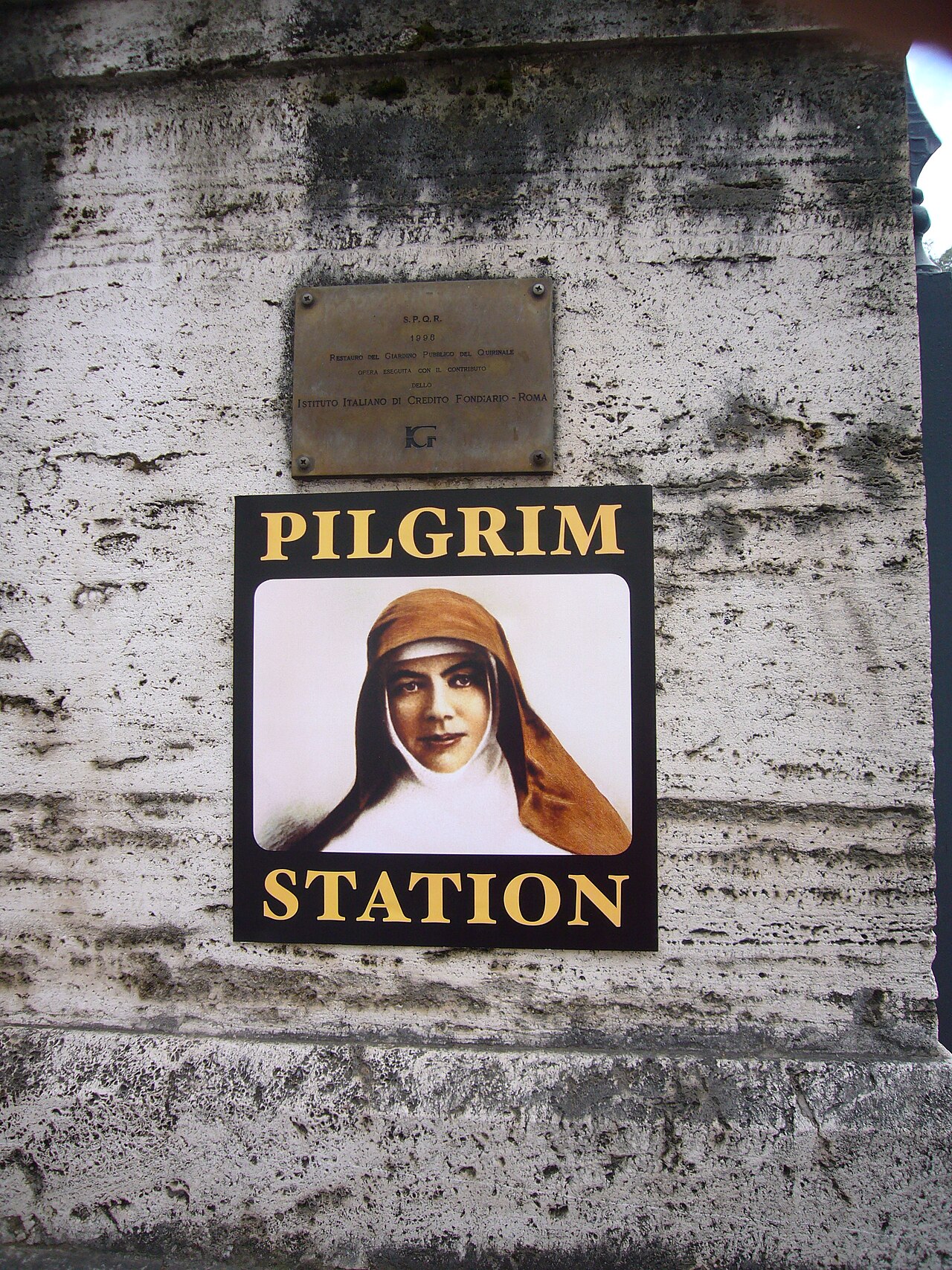
In 1881, Bishop Elzear Torreggiani of Armidale established the Sisters of St Joseph at Tenterfield and defended their central government at the 1885 Plenary Council. MacKillop died on 8 August 1909. The process to have her declared a saint began in the 1920s. She was beatified in January 1995 by Pope John Paul II.
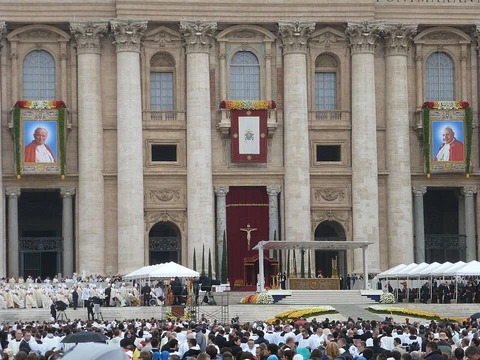
Pope Benedict XVI prayed at her tomb during his visit to Sydney for World Youth Day 2008. In December 2009, the Catholic Church recognized a second miracle attributed to her intercession. She was canonised on 17 October 2010 during a public ceremony in St Peter's Square at the Vatican. She is the patron saint of the Archdiocese of Brisbane and of Australia.

A Childhood Forged by Emigration and Want
Mary Helen MacKillop entered the world on 15 January 1842 in what is now the Melbourne suburb of Fitzroy, then known as Newtown in the colony of New South Wales. Her parents, Alexander MacKillop and Flora MacDonald, had emigrated from Scotland within a year of each other. Alexander, who had studied for the priesthood but abandoned his training just before ordination, reached Sydney in 1838; Flora arrived in Melbourne in 1840.
They married that July, and Mary grew up as the eldest of eight children. The family's financial footing was always uncertain. Alexander proved unsuccessful as both a farmer and a gold prospector, and in early 1851 he mortgaged the farm and their livelihood before leaving for a seventeen-month trip to Scotland, leaving Mary and her siblings to manage.
Years of hardship followed. In 1886, Flora was killed when the steamer SS Ly-ee-Moon ran aground and sank at Green Cape on New South Wales' far south coast. These early experiences of loss and scarcity would profoundly shape Mary's lifelong dedication to the poor and marginalised.
From a Stable to a Religious Order
In 1866, Fr Julian Tenison-Woods, who had first met Mary while she worked as a governess in Penola, invited her and her sisters Annie and Lexie to open a Catholic school in that small South Australian town. Woods was appointed director of education and became co-founder of the school, which operated out of a stable. After renovations, the sisters were teaching more than fifty children.
At this time Mary made a declaration of total dedication to God and began dressing in black. On 21 November 1866, the feast of the Presentation of Mary, a small group of women gathered around her. She took the religious name Sister Mary of the Cross, and the community called itself the Sisters of St Joseph of the Sacred Heart.
They moved to a house on Grote Street in Adelaide, where, at Bishop Laurence Sheil's request, they founded a new school. The rule of life that Woods and MacKillop developed together centred on radical poverty: no personal property, complete reliance on divine providence, and a readiness to go wherever need was greatest. By the end of 1867, ten more women had joined, and the sisters adopted a brown habit that earned them the nickname 'Brown Joeys.'
Education for the Rural Poor
The Josephites' founding mission was to bring schooling and care to communities that established institutions largely ignored. Within a year of the Adelaide school, a new classroom opened in Yankalilla in October 1867, and the pace of expansion accelerated rapidly. By the close of 1869, more than seventy sisters were educating children across twenty-one schools in Adelaide and the surrounding country. Their work extended well beyond the classroom.
The congregation ran an orphanage, took in neglected children and girls in danger, cared for the aged poor, operated a reformatory at Johnstown near Kapunda, and maintained a home for the elderly and incurably ill. Crucially, the sisters were prepared to follow farmers, railway workers, and miners deep into the isolated outback, living under the same conditions as the families they served. This willingness to go where others would not, combined with a rule that forbade personal ownership and trusted entirely in God's provision, made the Josephites uniquely suited to the vast, sparsely populated interior. Their schools and welfare institutions eventually spread throughout Australia and New Zealand, leaving a lasting mark on rural education.
From Beatification to the First Australian Saint
The cause for Mary MacKillop's recognition by the Catholic Church began in the 1920s, more than a decade after her death on 8 August 1909. In January 1995, Pope John Paul II formally beatified her, declaring her Blessed. The process toward full sainthood continued for another decade. During his 2008 visit to Sydney for World Youth Day, Pope Benedict XVI prayed at MacKillop's tomb, a gesture that drew widespread attention to her story.
In December 2009, the Vatican approved the Church's recognition of a second miracle attributed to her intercession, clearing the final hurdle. On 17 October 2010, in a public ceremony in St Peter's Square at the Vatican, Pope Benedict XVI canonised her. She became the first Australian to be declared a Catholic saint, a milestone that resonated powerfully across the nation. Today she holds the distinction of patron saint of both the Archdiocese of Brisbane and of Australia as a whole, a testament to how a woman who once taught in a stable in Penola came to be recognised as a figure of national and spiritual significance.
Frequently Asked Questions
Who is Mary MacKillop?
Mary Helen MacKillop (1842–1909), also called Mary of the Cross, was an Australian religious sister and educator who co-founded the Sisters of St Joseph of the Sacred Heart. She holds the distinction of being the first Australian to be canonized as a Catholic saint.
What is Mary MacKillop known for?
She is best known for establishing the Josephite order and for building schools and welfare institutions that served rural poor communities across Australia and New Zealand. Her work focused on bringing education and charitable care to isolated, underserved areas.
When and how was Mary MacKillop canonized?
Mary MacKillop was canonized in 2010, officially entering the Catholic calendar of saints. This made her the first person born in Australia to receive full sainthood in the Catholic Church.
Also in the Codexery
More in Catholic Saints & Popes
Related in Catholic Saints & Popes
Links follow this subject's own source article.
Sources
Compiled from Wikipedia and the sources listed below. Text from Wikipedia is available under CC BY-SA 4.0; this entry is adapted from it.
- Wikipedia: Mary MacKillop (CC BY-SA 4.0).
Spotted an error? Know more?
Reader corrections go straight into our review queue. Suggest an edit · How this site is sourced