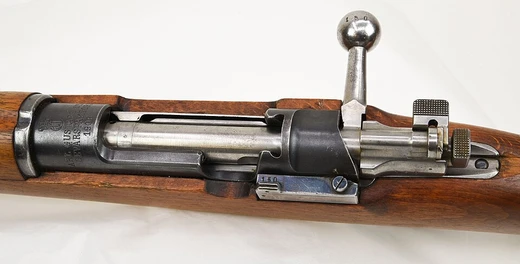
Krag–Jørgensen
A bolt-action rifle with a distinctive side-loading magazine.

Wolfmann · CC BY-SA 4.0
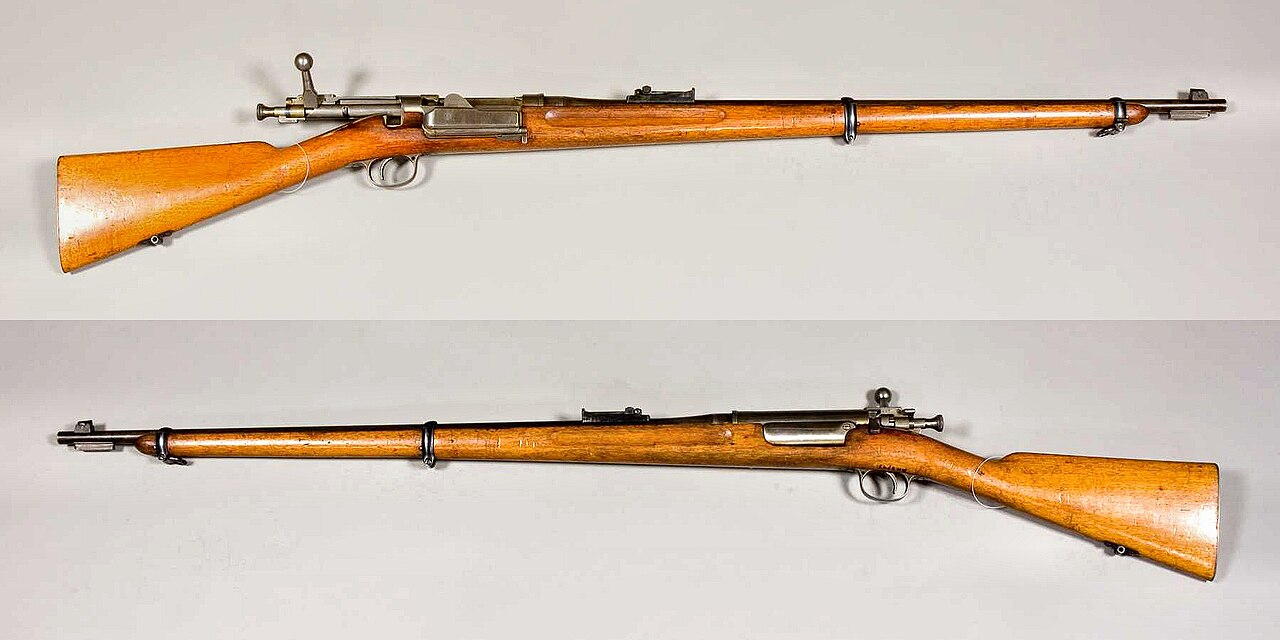
The Krag–Jørgensen is a bolt-action repeating rifle created by Norwegian designers Ole Herman Johannes Krag and Erik Jørgensen near the end of the 1800s. It became standard issue for the armed forces of Norway, Denmark, and the United States. Around 300 of these rifles were also sent to Boer forces in the South African Republic.
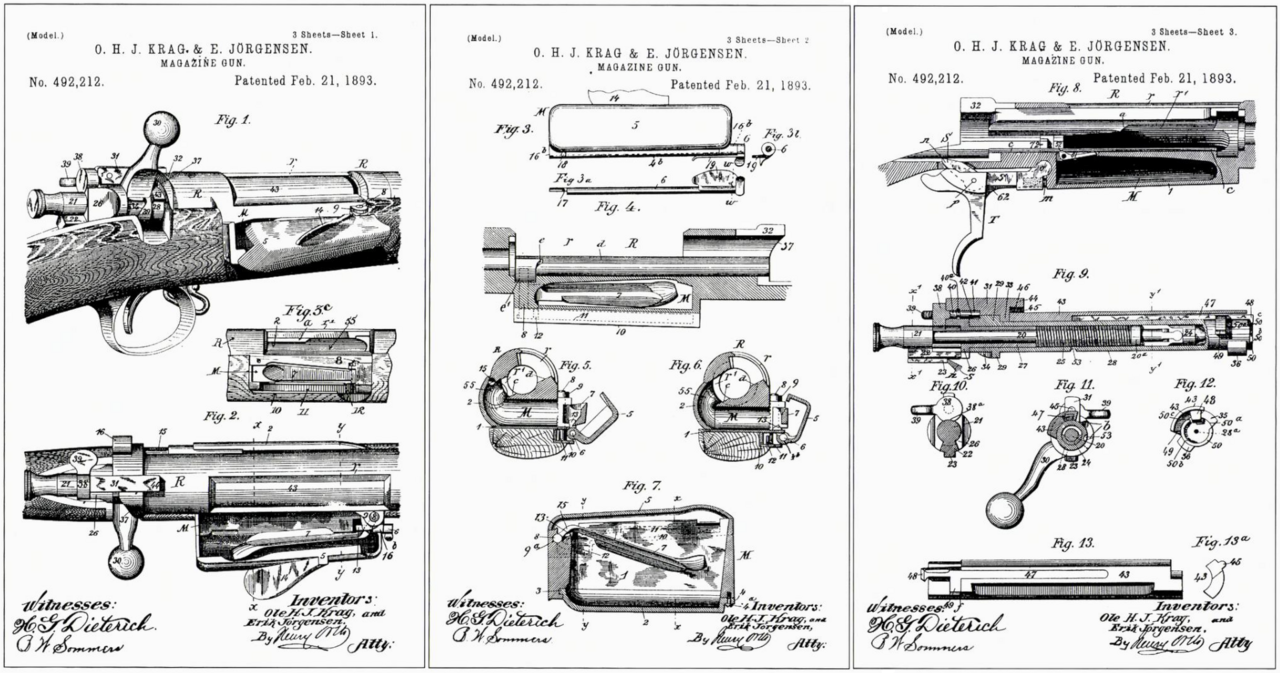
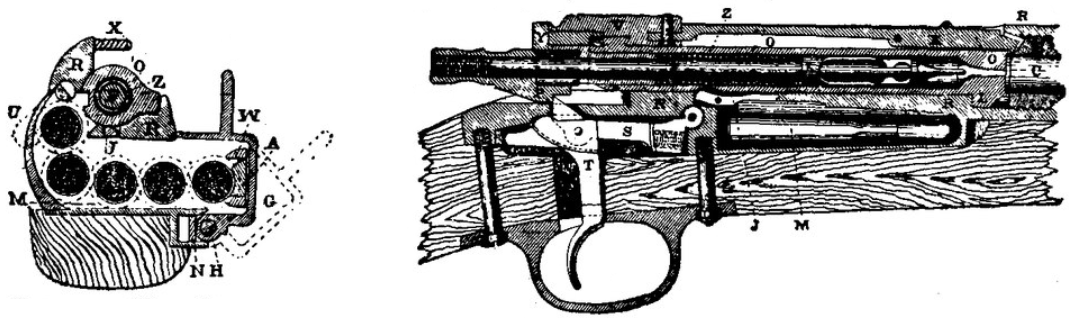
What sets the Krag–Jørgensen apart from many other rifles of its time is its magazine. Instead of the common box magazine loaded with a charger or stripper clip, the Krag’s magazine is built into the receiver, with a hinged cover on the right side. Single cartridges are dropped in through this side opening, then a spring follower pushes them up and around into the action. Later, a claw-type clip—called the Krag "speedloader magazine"—was developed to load the magazine all at once.
This design has both strengths and weaknesses compared to a top-loading box magazine. Loading one cartridge at a time is easier with a Krag than with a box-magazine rifle. You can even dump several cartridges into the open magazine at once without careful placement; closing the door forces them into proper alignment. The magazine is also simple to "top off" without opening the bolt, unlike most top-loading designs. Collectors and shooters alike prize the Krag–Jørgensen for its smooth action.
The 1880s saw smokeless powder become common, and military rifles shifted to smaller calibers with high-velocity smokeless cartridges. Many countries adopted repeating bolt-actions during this period. Norway had already adopted the Jarmann repeating rifle in 1884, but it was clearly a temporary solution. Ole Krag, a captain in the Norwegian Army and director of the Kongsberg Våpenfabrikk government factory, had been working on small arms since at least 1866. Unsatisfied with the tubular magazine of the Jarmann and his earlier Krag–Petersson rifle (adopted by the Royal Norwegian Navy in 1876), he enlisted master gunsmith Erik Jørgensen. Together, they created the capsule magazine. Instead of a straight box protruding below the stock, this magazine wrapped around the bolt action. Early versions held ten rounds and were fitted to modified Jarmann rifles, though they could be adapted to any bolt-action.
In 1886, Denmark was about to adopt a new rifle. An early prototype of the Krag–Jørgensen was sent there, and Danish feedback proved crucial.
Quick Facts
- Is Ranged
- yes
- Origin
- Norway
- Designer
- Ole Herman Johannes Krag and Erik Jørgensen
- Design Date
- 1885–1889
- Manufacturer
- Kongsberg Våpenfabrikk
- Production Date
- 1886–1945
- Service
- 1889–1945
- Cartridge
- .30-40 Krag / 6.5×55mm / 8×58mmR Danish Krag
- Action
- Bolt action
- Rate
- 21.5-30/RPM by skilled user
- Velocity
- 580 m/s (1900 ft/s) to 870 m/s (2860ft/s) depending on ammunition
- Range
- 900 m
Facts from the source article.
Lore & Background
The 1880s saw smokeless powder come into general use, and many nations adopted repeating bolt-action rifles using new small-bore, high-velocity cartridges. Even though Norway had adopted the repeating Jarmann rifle in 1884, it was soon clear that it was at best an interim weapon. Ole Krag, captain in the Norwegian Army and director of Kongsberg Våpenfabrikk, continued development of small arms and enlisted master gunsmith Erik Jørgensen. Together they developed the capsule magazine, which wrapped around the bolt action instead of protruding below the stock. Early models contained ten rounds and were fitted to modified versions of the Jarmann.
In 1886, Denmark was on the verge of adopting a new rifle. One of the early prototypes was sent to Denmark, and the feedback given by the Danes was vital in further development. Krag and Jørgensen converted the magazine into a half-capsule containing only five rounds. They also combined ideas from other gunsmiths with their own to design a distinct bolt action. The long extractor on top of the bolt was inspired by the Jarmann mechanism, while curved surfaces for cocking and ejecting were probably inspired by Mauser designs. The rifle had a magazine cut-off, a switch on the left rear of the receiver that, when flipped up, prevented cartridges in the internal magazine from being fed into the chamber, intended for use when soldiers were firing at distant targets with single shots, holding the magazine in reserve.
Reader's Guide
The Krag–Jørgensen's magazine design presented both advantages and disadvantages compared with a top-loading 'box' magazine. Normal loading was one cartridge at a time, but this could be done more easily with a Krag than a rifle with a box magazine; several cartridges could be dumped into the opened magazine at once with no need for careful placement, and shutting the magazine door forced the cartridges to line up correctly. The design was also easy to 'top off', and unlike most top-loading magazines, the Krag–Jørgensen's magazine could be topped up without opening the rifle's bolt. The United States Military held a competition in 1892 comparing 53 rifle designs, and the Krag was awarded the contract in August 1892, though initial production was deferred due to protests from domestic inventors and arms manufacturers. Two rifle designers, Russell and Livermore, sued the US government over the initial selection, forcing a review of the testing results in April and May 1893. An improved form of the Krag–Jørgensen was again selected and awarded the contract, primarily due to its magazine design, which could be topped off as needed without raising and retracting the bolt. The Krag–Jørgensen is a popular rifle among collectors and is valued by shooters for its smooth action.
Did You Know?
- About 300 Krag–Jørgensen rifles were delivered to Boer forces of the South African Republic.
- The Danish Krag–Jørgensen was chambered for the 8×58R cartridge and stayed in service up to the German invasion of Denmark on April 9, 1940.
- The M1903 Springfield that replaced the American Krags had a magazine cutoff, as did the SMLE (Lee–Enfield) until 1915.
The Capsule Magazine: A Different Kind of Loading
The Krag–Jørgensen's most defining characteristic is how it feeds ammunition. Rather than the top-loading box magazine that became standard across the bolt-action world, this rifle houses its cartridges in a magazine physically integrated into the receiver. A hinged cover on the right side swings open to reveal the loading port, and individual rounds are dropped in before a spring follower pushes them up, around, and into the action. This arrangement offered practical advantages in the field: a soldier could simply dump several cartridges into the open magazine without worrying about precise placement, and closing the door forced them into proper alignment. Perhaps most notably, the magazine could be topped up with a fresh round without cycling the bolt—a convenience that top-loading designs generally did not offer. A later claw-type speedloader clip eventually allowed the full five-round capacity to be loaded in one motion. Today, collectors and sport shooters prize the Krag–Jørgensen for the smoothness of its action, a testament to the thoughtful engineering behind its mechanism.
From Interim Weapon to Purpose-Built Design
The 1880s brought a revolution in small arms as smokeless powder made smaller, faster cartridges viable, and nations scrambled to replace aging rifles. Norway had settled on the repeating Jarmann in 1884, but Captain Ole Herman Johannes Krag—who had been developing small arms since at least 1866 and who directed the government weapons factory at Kongsberg—saw it as little more than a stopgap. Dissatisfied with the tubular magazine of the Jarmann and his own earlier Krag–Petersson design (adopted by the Royal Norwegian Navy in 1876), Krag turned to master gunsmith Erik Jørgensen for collaboration. Together they conceived the capsule magazine: a curved magazine that wrapped around the bolt action rather than hanging as a straight box beneath the stock. The earliest versions held ten rounds and were grafted onto modified Jarmann rifles, though the concept was adaptable to any bolt-action platform. This partnership set the stage for a rifle that would eventually serve three nations and even find its way into the hands of Boer fighters in South Africa.
Danish Trials and the Magazine Cut-Off
In 1886, with Denmark preparing to select a new service rifle, an early Krag–Jørgensen prototype crossed the border for evaluation. The Danish testing feedback proved decisive: the rifle needed to be lighter, and the team saw an opportunity to refine the action. Krag and Jørgensen shortened the magazine to a five-round half-capsule and spent months synthesizing the best ideas from other gunsmiths with their own innovations. The long extractor atop the bolt drew on the Jarmann principle, while curved surfaces for cocking and ejection likely echoed Mauser designs. They briefly experimented with dual frontal locking lugs but abandoned the idea on grounds of cost and weight, since the existing three-lug arrangement was deemed more than adequate. The rifle also featured a magazine cut-off—a switch on the left rear of the receiver that, when engaged, prevented the internal magazine from feeding the chamber. This let a soldier fire deliberate single shots at range while holding five rounds in reserve, then disengage the cut-off for rapid fire if the enemy closed in. The M1903 Springfield and the Lee–Enfield carried similar cut-offs, underscoring how widely the concept was valued.
A Century of Service and a Collector's Favorite
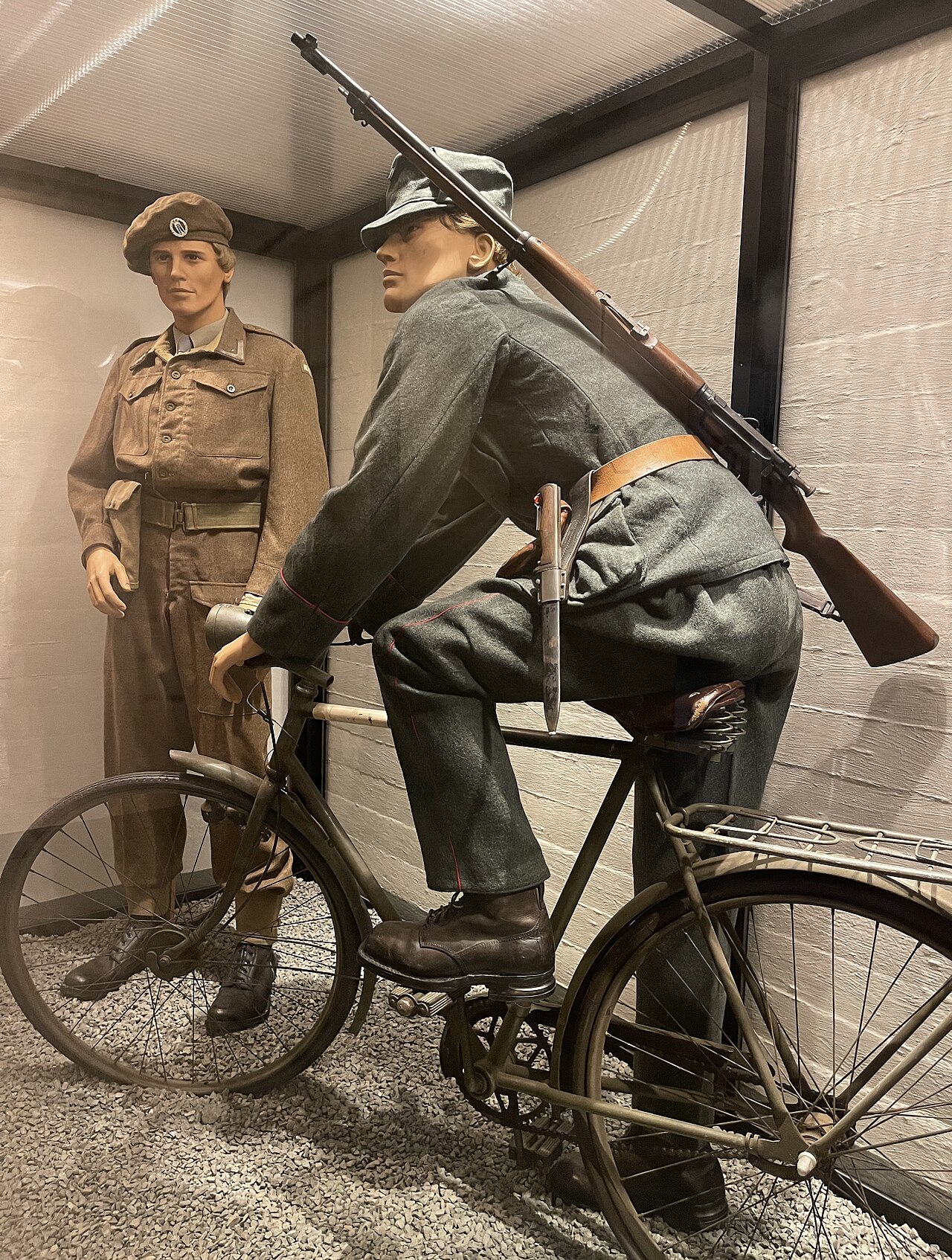
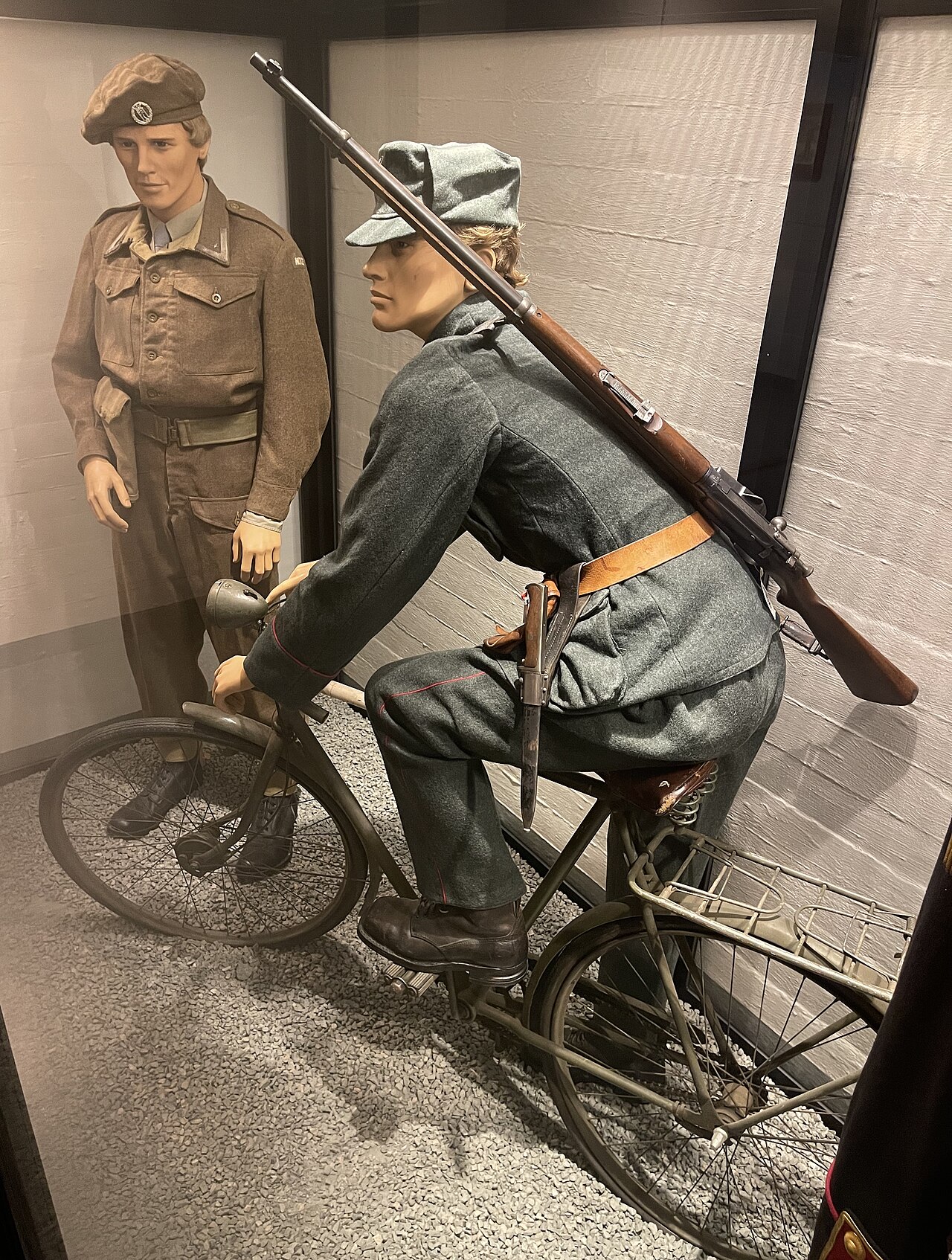
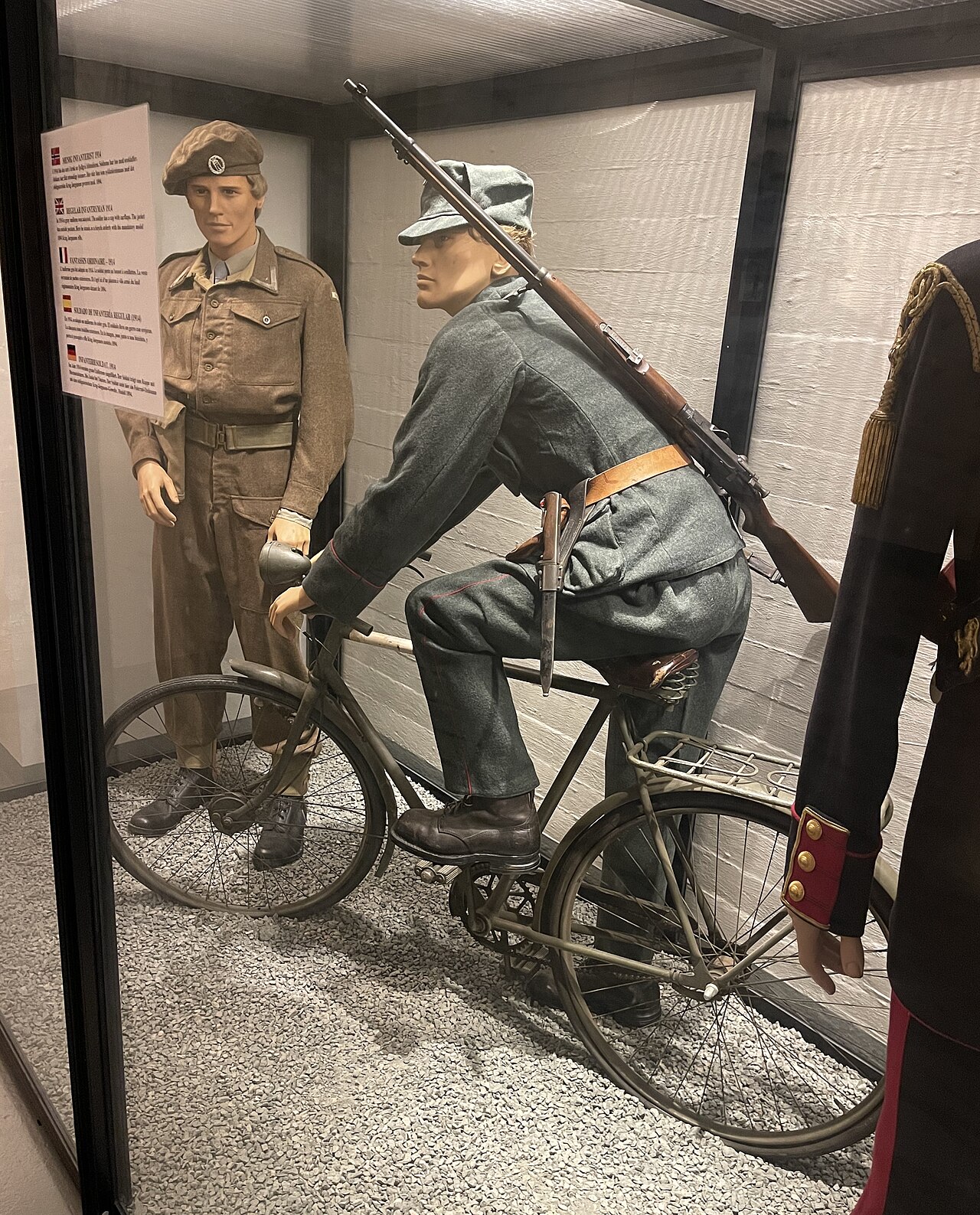
Denmark adopted the Krag–Jørgensen on July 3, 1889, following strenuous trials, and the Danish variant carried several distinguishing traits: a forward-hinged magazine door, rimmed 8×58R ammunition, and an outer steel liner on the barrel. In its early years the Danish army employed the rifle primarily as a single-shot weapon, keeping the five-round magazine in reserve behind the cut-off. The M/89 model, typical of its era, featured a long barrel, a stock extending nearly to the muzzle without a pistol grip, a straight bolt handle, and no hand guard. It originally lacked a safety catch, relying instead on a half-cock notch in the firing-pin assembly; a manual safety was added in 1910 on the right side of the receiver. The rifle remained in Danish service for over half a century, seeing duty right up until the German invasion on April 9, 1940, when it was catalogued under the German designation Scharfschützen-Gewehr 312(d). Beyond Denmark, the design served Norway and the United States, and roughly three hundred examples reached Boer forces in the South African Republic. Today the Krag–Jørgensen enjoys a devoted following among collectors and shooters who appreciate its smooth action.
Gallery
Frequently Asked Questions
Who designed the Krag-Jørgensen?
The rifle was developed by two Norwegian engineers, Ole Herman Johannes Krag and Erik Jørgensen, in the late 1800s. Their collaboration produced what became one of the most distinctive bolt-action designs of its era.
What makes the Krag-Jørgensen's magazine unique compared to other bolt-actions?
Rather than using the standard box magazine fed by a charger or stripper clip, the Krag loads individual cartridges into an integral magazine housed inside the receiver. A hinged cover on the right side opens to allow one round at a time to be inserted.
Which militaries adopted the Krag-Jørgensen as standard issue?
Norway, Denmark, and the United States all fielded the rifle as a primary service weapon. Additionally, roughly 300 units were supplied to Boer forces in the South African Republic.
What is the magazine cut-off switch on the Krag-Jørgensen?
Located on the left rear of the receiver, this switch lets the shooter lock the bolt to a single-shot mode, preventing the magazine from feeding additional rounds. It was a practical feature for controlled, deliberate fire.
Why is the Krag-Jørgensen considered important in rifle history?
It proved that a bolt-action could incorporate a built-in repeating magazine without relying on external clips, offering a cleaner loading method than most contemporaries. Its adoption across three national armies plus a notable export run cemented its place as a landmark design of the late nineteenth century.
More in Bolt-Action Rifles, Part 4 1-24
Spotted an error? Know more?
Reader corrections go straight into our review queue. Suggest an edit · How this site is sourced