Edward Lawrie Tatum
American geneticist and Nobel laureate in Physiology or Medicine.
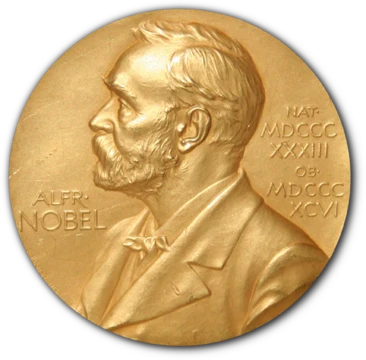
Edward Lawrie Tatum, a geneticist from the United States, was awarded half of the 1958 Nobel Prize in Physiology or Medicine alongside George Beadle. Their work proved that genes regulate distinct metabolic steps. Tatum also held membership in the National Academy of Sciences, the American Philosophical Society, and the American Academy of Arts and Sciences.
Quick Facts
- Born
- December 14, 1909
- Birthplace
- Boulder, Colorado, U.S.
- Died
- 5 November 1975
- Place of death
- New York City, U.S.
- Field
- Genetics
- Education
- University of Chicago; University of Wisconsin–Madison
- Workplaces
- Stanford University
- Yale University
- Rockefeller Institute
- Doctoral students
- Joshua Lederberg, Carolyn Slayman
Facts from the source article.
Education
Edward Lawrie Tatum came into the world on December 14, 1909, in Boulder, Colorado. His father, Arthur L. Tatum, was a chemistry professor who by 1925 taught pharmacology at the University of Wisconsin in Madison; his mother was Mabel Webb Tatum. After two years at the University of Chicago, Tatum moved to the University of Wisconsin–Madison, earning a BA in 1931 and a PhD in 1934. His dissertation was titled Studies in the biochemistry of microorganisms.
Career
Tatum started at Stanford in 1937, teaming up with George Beadle to study fruit flies. In 1945 he moved to Yale, where he served as a mentor to Lederberg. After returning to Stanford in 1948, he later joined the Rockefeller Institute faculty in 1957 and stayed there for the rest of his life. A lifelong heavy smoker, he died from heart failure and chronic emphysema in New York City on November 5, 1975.
Research
Tatum and Beadle published pioneering studies of biochemical mutations in Neurospora in 1941, providing a prototype for investigating gene action. Their key experiments exposed Neurospora crassa to x-rays, causing mutations that altered specific enzymes in metabolic pathways, leading to the one gene, one enzyme hypothesis. Tatum also studied biosynthetic pathways and bacterial genetics, including tryptophan biosynthesis in Escherichia coli, and with student Joshua Lederberg showed that E. coli could share genetic information through recombination.
More in American Nobel Laureates
Spotted an error? Know more?
Reader corrections go straight into our review queue. Suggest an edit · How this site is sourced