
Hospicio Cabañas
One of the oldest and largest orphanage and hospital complexes in the Americas.

ProtoplasmaKid · CC BY-SA 4.0
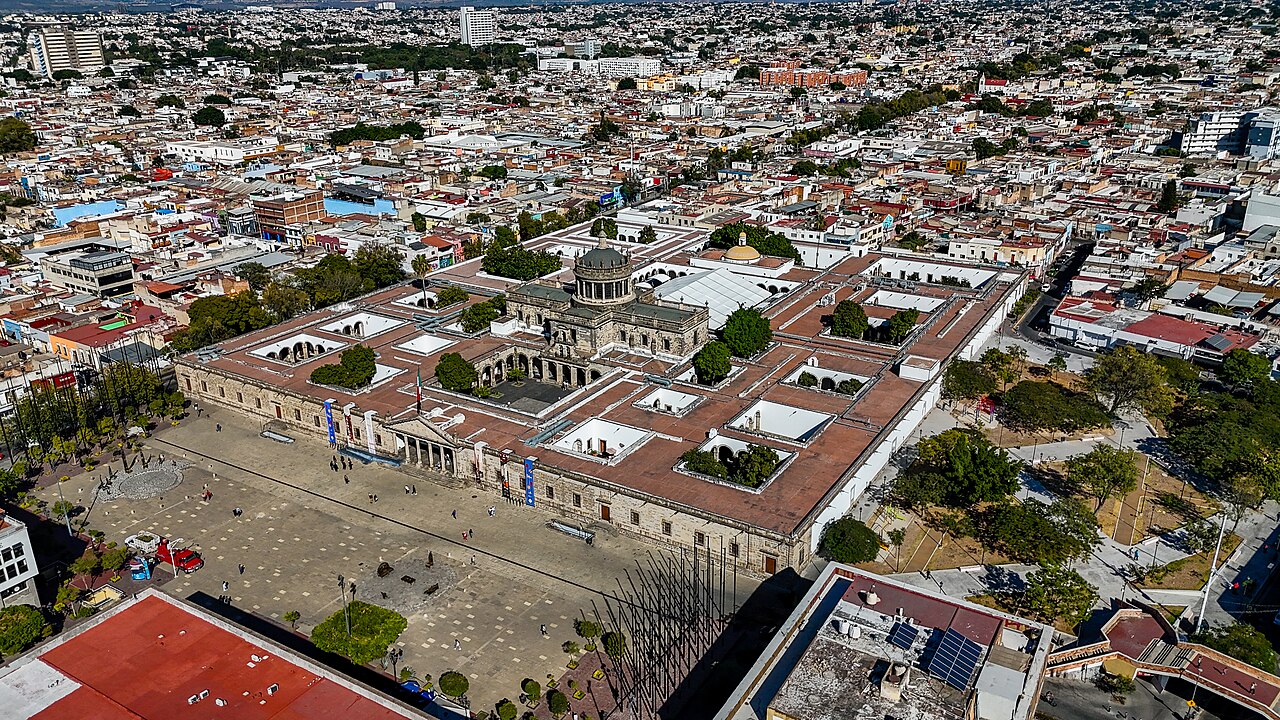
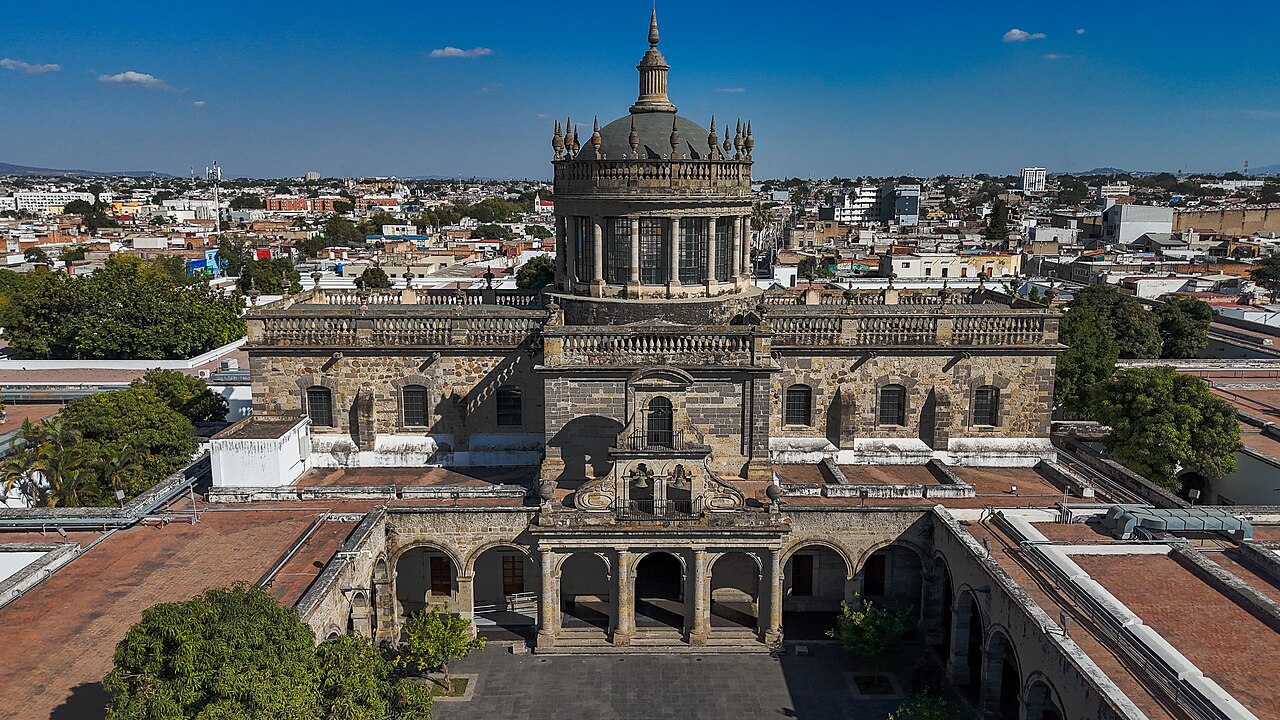
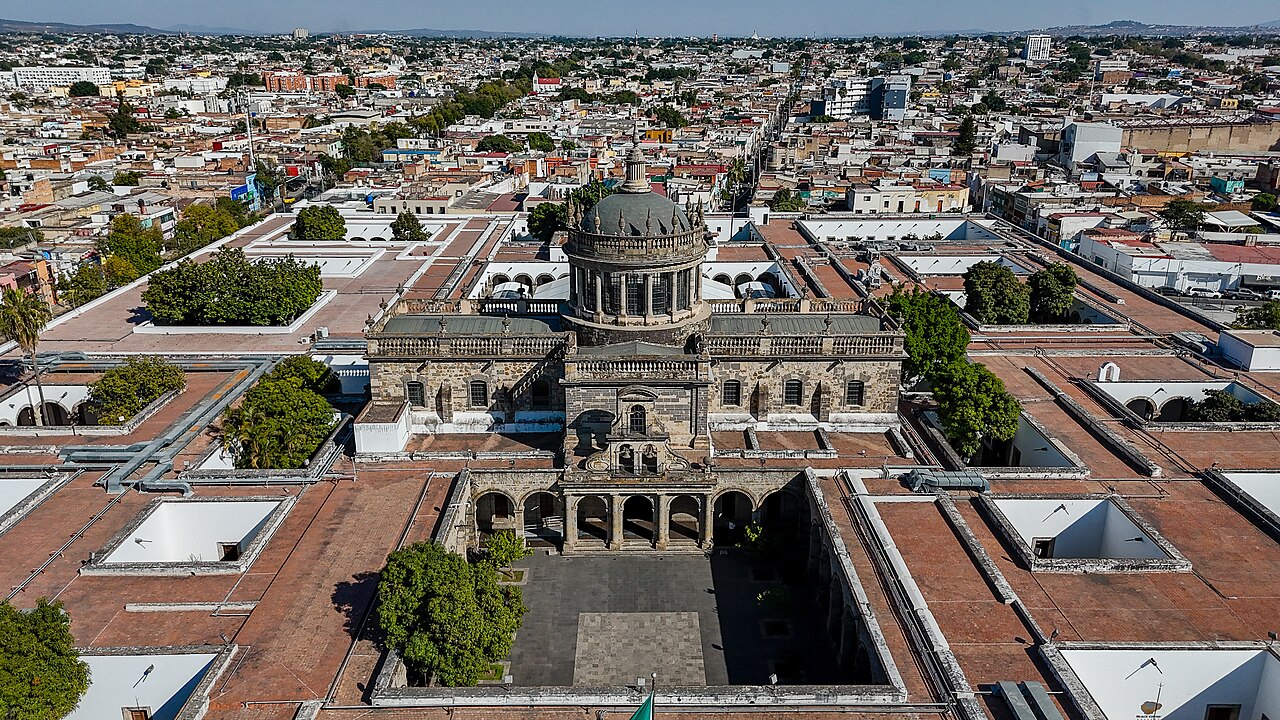
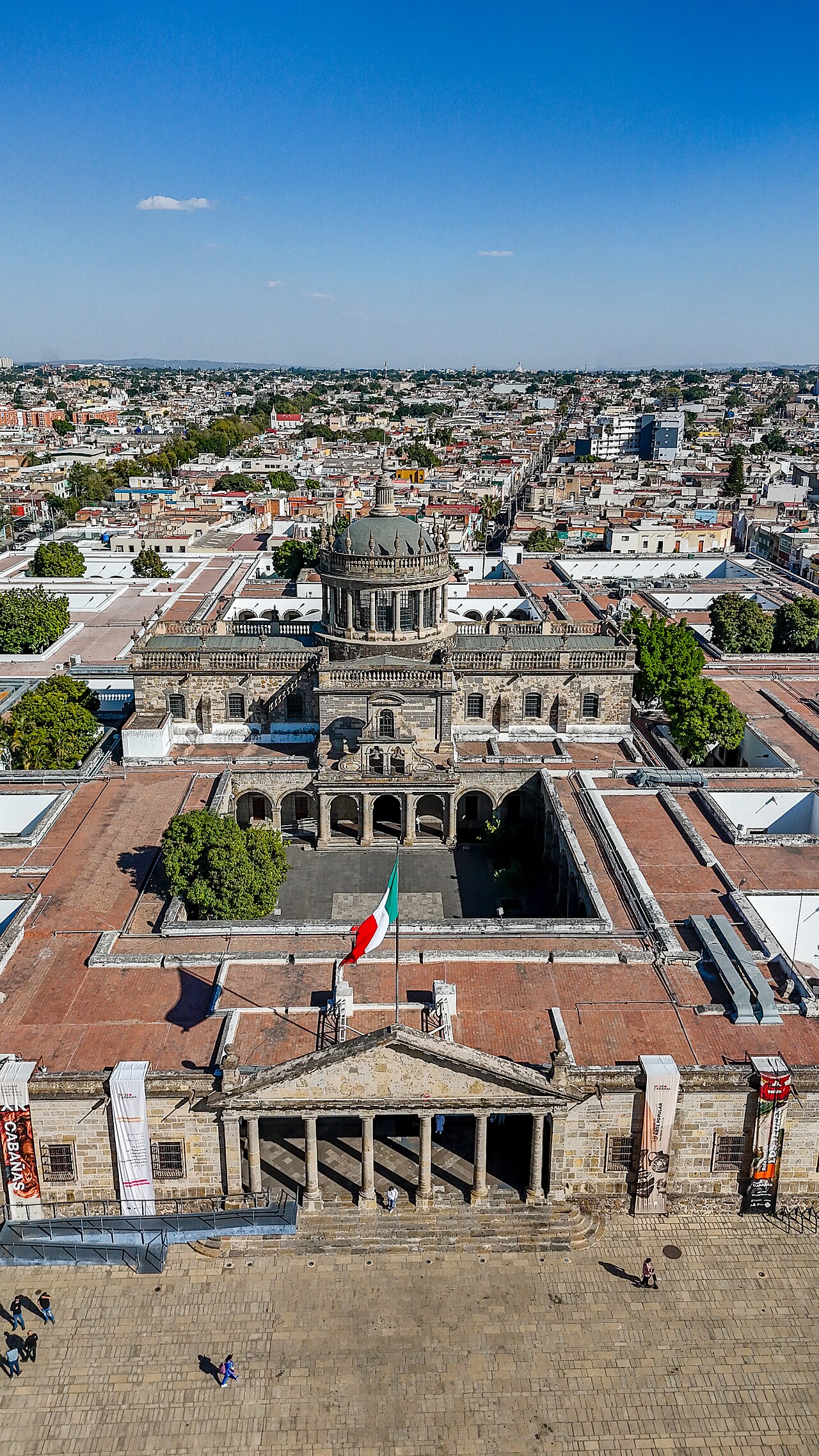
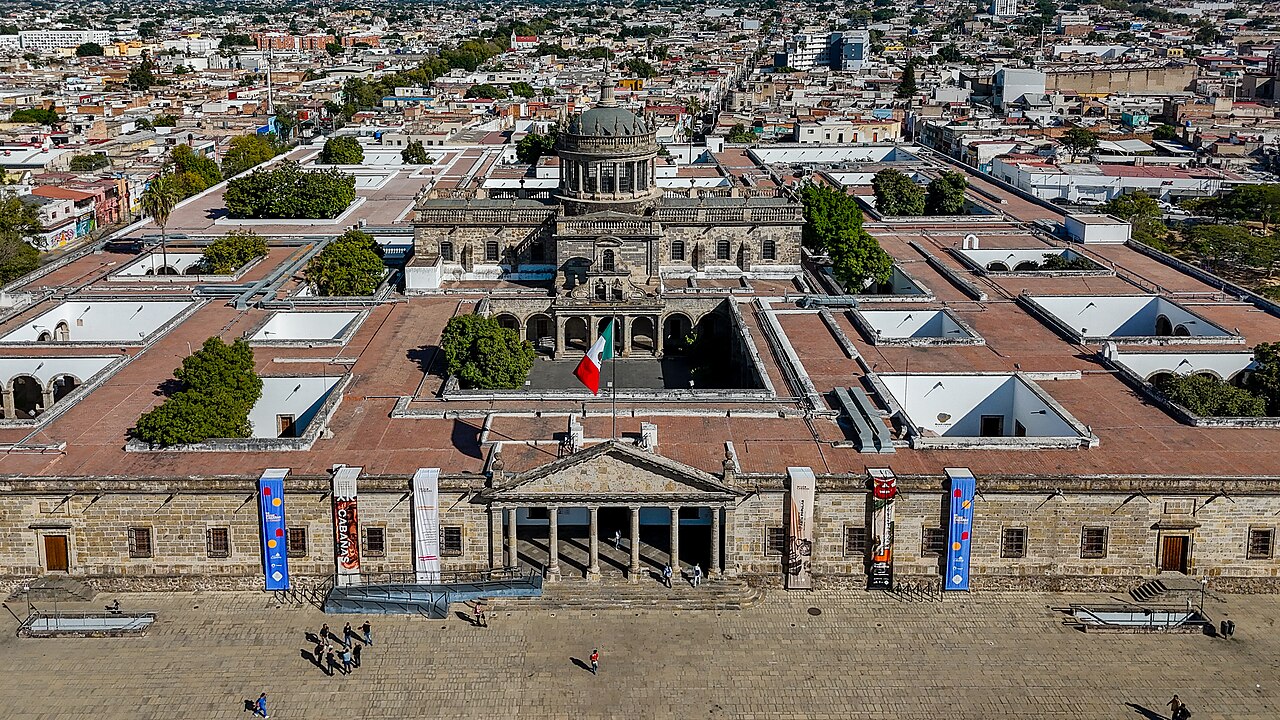
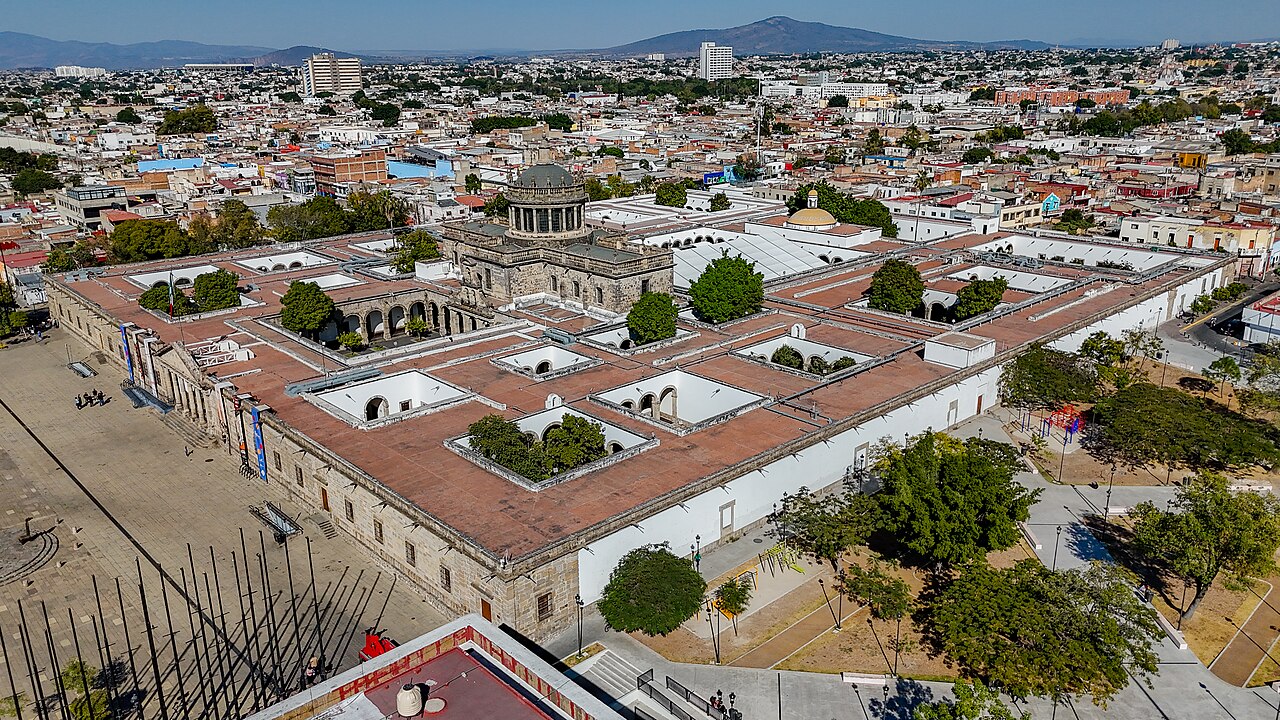
The Hospicio Cabañas, now the Cabañas Museum in Guadalajara, Jalisco, was among the oldest and largest complexes serving as an orphanage and hospital in the Americas. Its construction began in 1805 under the commission of Bishop Juan Ruiz de Cabañas, who intended it to operate as a workhouse, hospital, orphanage, and almshouse. The institution takes its name from Juan Ruiz de Cabañas, who, after becoming bishop in 1796, commissioned Mexico City architect Manuel Tolsá to design the building. Tolsá looked to classic models like Les Invalides in Paris and El Escorial near Madrid. The resulting rectangular complex measures 164 by 145 meters, with single-story structures 7.5 meters tall. The chapel rises to twice that height, topped by a dome reaching 32.5 meters. The entire complex sits on one level to ease movement for the sick, elderly, and children. After Cabañas died in 1823, work continued until 1829. Though briefly used as barracks during the Mexican-American War (1846–1848) and later during the French intervention in the 1860s, the hospital operated into the 20th century, finally ceasing as a hospice/orphanage in 1980. The Cabañas Cultural Institute then moved in, along with affiliated arts and crafts schools, and the site was restored and opened as a museum in the 1980s. Inside, the main hall features the monumental frescoes of muralist José Clemente Orozco, including his celebrated allegory *The Man of Fire* (1936–39). UNESCO designated the site a World Heritage Site in 1997. In 2014, a collaboration between the Cabañas Institute, Jalisco’s cultural ministry, and the Hilario Galguera Gallery funded French conceptual artist Daniel Buren to create site-specific works in 18 of the 23 courtyards, wrapping cloister columns in geometric patterns, painting vaults in bright colors, and installing mirrored structures that distort familiar views. Outside stand Alejandro Colunga’s sculptures *La sala de los magos* and *Los magos universales*.
- Founded
- 1805
- Location
- Guadalajara, Jalisco
- Architect
- Manuel Tolsá
- Named after
- Juan Ruiz de Cabañas
- Designation
- UNESCO World Heritage Site (1997)
- Dimensions
- 164 by 145 metres (538 by 476 ft)
Lore & Background
The complex was commissioned by Bishop Juan Ruiz de Cabañas, with construction beginning in 1805, to serve as a workhouse, hospital, orphanage, and almshouse. It owes its name to Juan Ruiz de Cabañas, who was appointed to the see of Guadalajara in 1796 and engaged Manuel Tolsá, a renowned architect from Mexico City, to design the structure. Tolsá's design was based on classic examples such as Les Invalides in Paris and El Escorial near Madrid. The buildings form a rectangle measuring 164 by 145 metres, with single-storey structures 7.5 metres in height; the chapel is twice as high with a dome rising to 32.5 metres. The complex is erected on one level to facilitate movement of the sick, the aged, and children.
Reader's Guide
Following the death of Cabañas in 1823, construction continued until 1829. Although it served for a time as barracks in the mid-19th century, the hospital lasted well into the 20th century and continued to function until 1980, when the Cabañas Cultural Institute, with affiliated schools for arts and crafts, moved in. The highlight of the interior decoration is a series of monumental frescoes by José Clemente Orozco, including one of his most famed creations, the allegory of The Man of Fire (1936–39). In 2014, French conceptual artist Daniel Buren created site-specific works in 18 of the 23 courtyards. Sculptures by Alejandro Colunga are installed outside the building. The site's UNESCO designation in 1997 underscores its historical and cultural importance as a preserved complex that served vulnerable populations and now houses significant art.
Did You Know?
- It was designed by architect Manuel Tolsá, based on Les Invalides and El Escorial.
- The main hall hosts the magnum opus frescoes of muralist José Clemente Orozco.
Founding & Architectural Vision
The Hospicio Cabañas traces its origins to 1810, when the Bishop of Guadalajara set out to create a single complex that would serve as a workhouse, hospital, orphanage, and almshouse all at once. The project bore the name of Juan Ruiz de Cabañas, who had been appointed to the Guadalajara see in 1796 and commissioned Manuel Tolsá, a celebrated architect working out of Mexico City, to draft the plans. Tolsá drew inspiration from grand European precedents, notably Les Invalides in Paris and the monastery of El Escorial near Madrid. The resulting footprint is a rectangle spanning 164 by 145 metres, composed of single-storey buildings standing 7.5 metres tall. A deliberate design choice placed every structure on a single level so that the movement of the sick, the elderly, and children would remain unobstructed. The chapel rises to twice the height of the surrounding wings, crowned by a dome reaching 32.5 metres. Construction outlived Cabañas, who died in 1823, and was not completed until 1829.
Orozco's Frescoes & Artistic Legacy
Today the main hall of the former orphanage and hospital is best known as the home of José Clemente Orozco's monumental fresco cycle, widely regarded as the painter's magnum opus. Among the most celebrated individual compositions within that cycle is the allegory known as The Man of Fire, painted between 1936 and 1939. These large-scale murals transformed what had been a functional institutional space into a canvas for some of the most powerful imagery in Mexican modernist art. The building's designation as a museum ensured that the frescoes would be preserved and displayed for public viewing, anchoring the site's identity in the twentieth-century Mexican muralist tradition. The complex had already earned its reputation as one of the oldest and largest orphanage-and-hospital complexes in the Americas, but it was Orozco's work that elevated the interior decoration to a level of international artistic significance, making the main hall a destination for scholars, students, and visitors drawn to the intersection of social commentary and monumental painting.
Institutional Life & Transformation
From its completion in 1829, the complex served its original charitable purpose for well over a century. It functioned as a combined workhouse, hospital, orphanage, and almshouse, providing shelter and care to the most vulnerable members of Guadalajara's population. In the mid-nineteenth century, the buildings were pressed into service as military barracks, a temporary repurposing that interrupted their humanitarian mission. Nevertheless, the hospital component endured well into the twentieth century, continuing to treat patients until 1980. That year marked a decisive turning point: the Cabañas Cultural Institute moved into the complex, bringing with it affiliated schools dedicated to arts and crafts. This transition shifted the building's identity from a place of medical and social care to one of artistic education and cultural production. The physical spaces that had once housed the sick and the orphaned now sheltered students learning to create, while the walls that had witnessed decades of institutional routine became the backdrop for Orozco's frescoes and, later, for new artistic interventions.
UNESCO Recognition & Contemporary Interventions
In 1997, the United Nations Educational, Scientific and Cultural Organization inscribed the Hospicio Cabañas on its World Heritage list, acknowledging the site's outstanding universal value as a surviving example of early-nineteenth-century institutional architecture in the Americas. Nearly two decades later, in 2014, the complex received a bold contemporary overlay. Funded through a collaboration among the Cabañas Institute, Jalisco's cultural ministry, and the Hilario Galguera Gallery, French conceptual artist Daniel Buren was invited to create site-specific installations across eighteen of the building's twenty-three courtyards. His intervention wrapped cloister columns in geometric patterns, painted vaults in vivid hues, and erected mirrored structures that produced distorted, fragmented reflections of the familiar surroundings. Outside the main building, visitors encounter two sculptures by Alejandro Colunga—La sala de los magos and Los magos universales—which frame the approach and add a sculptural dimension to the ensemble. Together, these layers of artistic activity ensure that the site remains a living cultural space rather than a static monument.
Gallery
Frequently Asked Questions
What is Hospicio Cabañas?
It is a historic institutional complex in Guadalajara, Jalisco, that today houses the Cabañas Museum. Originally built in the early 1800s, it was one of the oldest and largest combined orphanage-and-hospital complexes in the Americas.
Who designed Hospicio Cabañas and who commissioned it?
Bishop Juan Ruiz de Cabañas initiated the project in 1805 and gave the building its name. He selected Mexico City architect Manuel Tolsá to create the design, drawing inspiration from European landmarks such as Les Invalides and El Escorial.
What was Hospicio Cabañas originally built to do?
The complex was conceived as a multi-purpose institution that would serve simultaneously as a workhouse, hospital, orphanage, and almshouse for the city's poorest residents. Construction began in 1805 under the bishop's direct commission.
Why is Hospicio Cabañas a UNESCO World Heritage Site?
UNESCO inscribed it in 1997 in recognition of its outstanding architectural and cultural value as a landmark of late-colonial institutional design in the Americas. Its scale, originality, and role in social history make it a singular example of its type.
Where is Hospicio Cabañas located and how large is it?
The site sits in the city of Guadalajara, in the state of Jalisco, Mexico. At its widest points the structure spans roughly 164 by 145 metres (about 538 by 476 feet).
More in World Heritage Sites in Mexico 1-24
Spotted an error? Know more?
Reader corrections go straight into our review queue. Suggest an edit · How this site is sourced