
El Tajín
Major Classic-era Mesoamerican city with unique niche architecture.

Juan Carlos Fonseca Mata · CC BY-SA 4.0
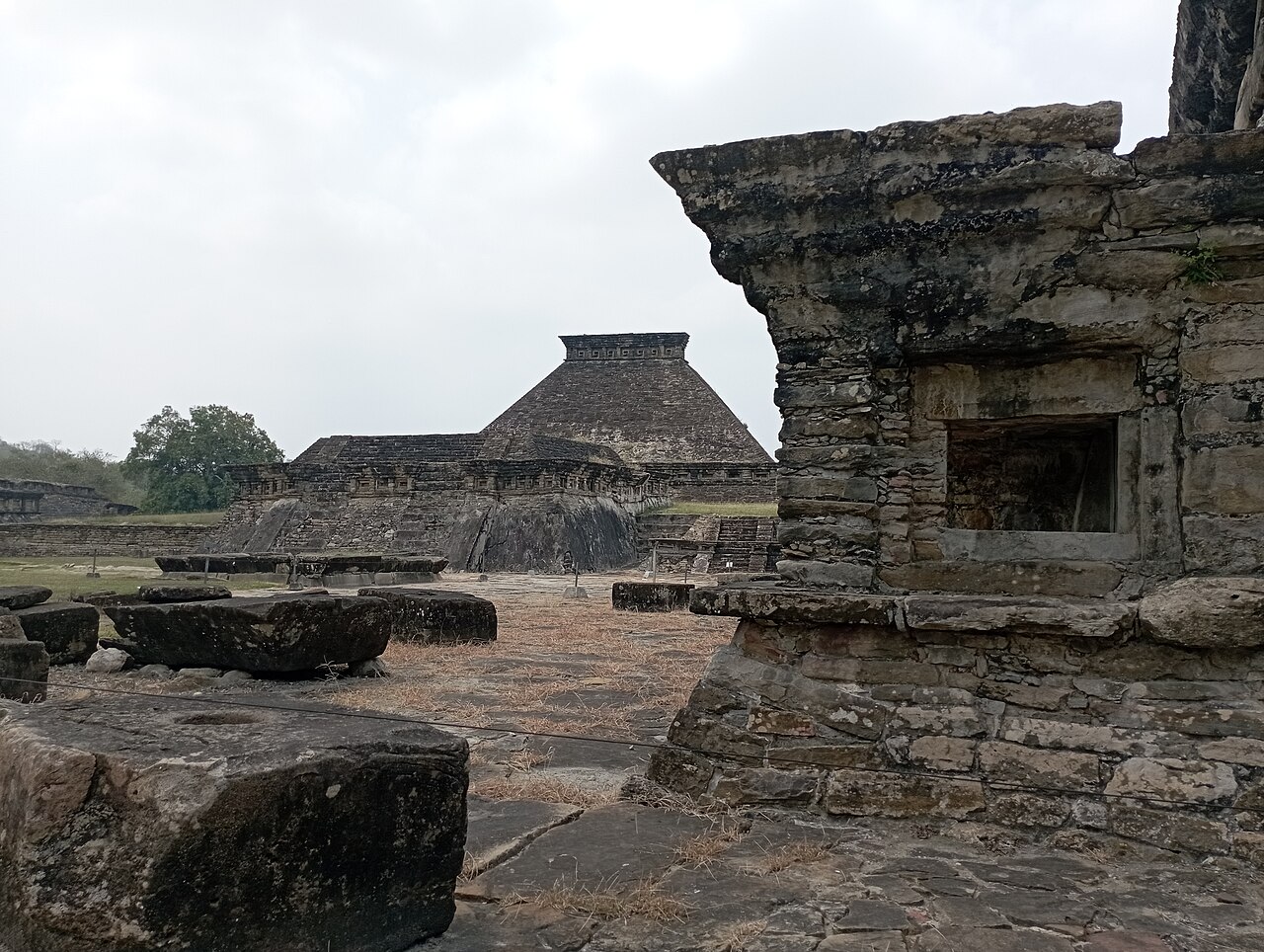
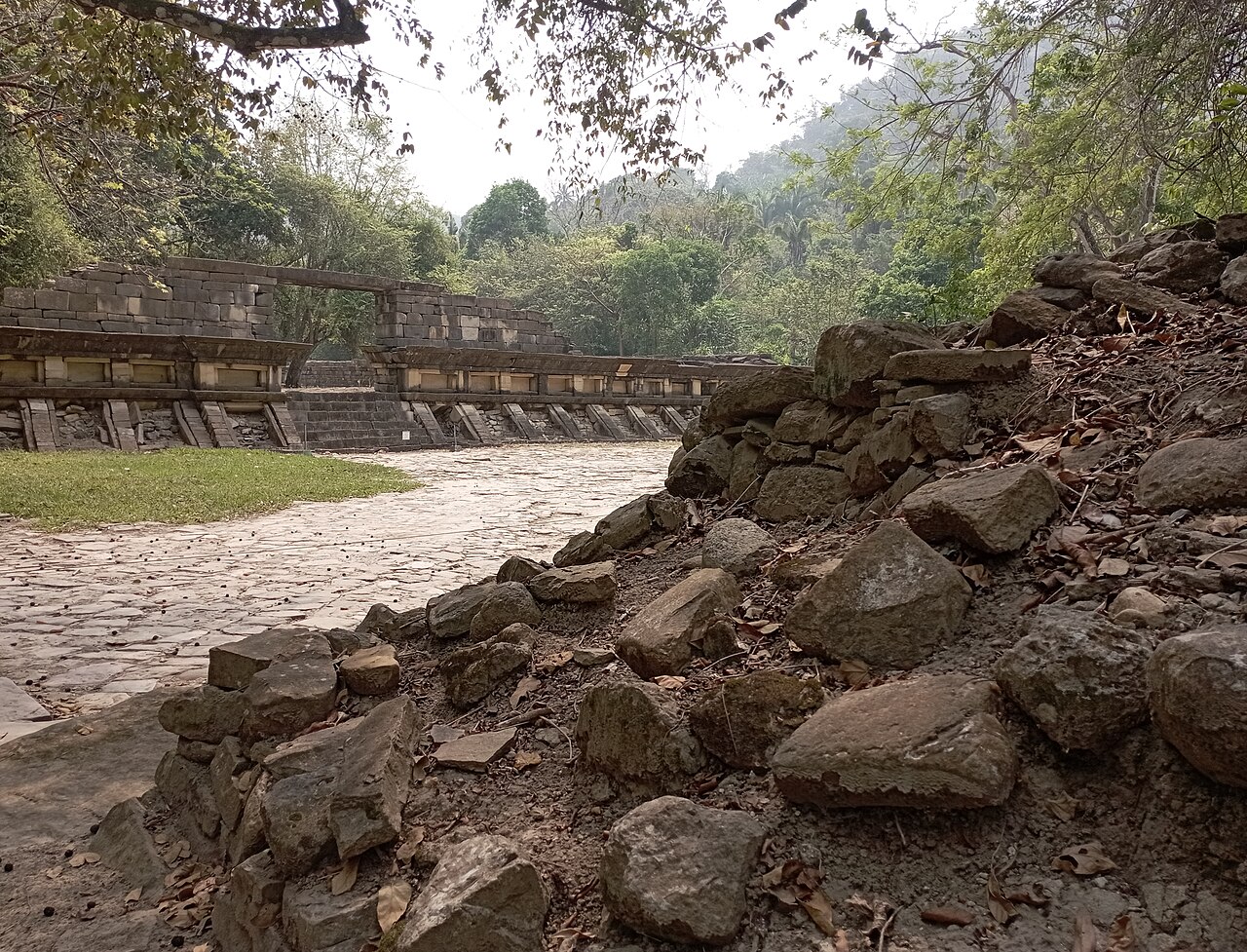
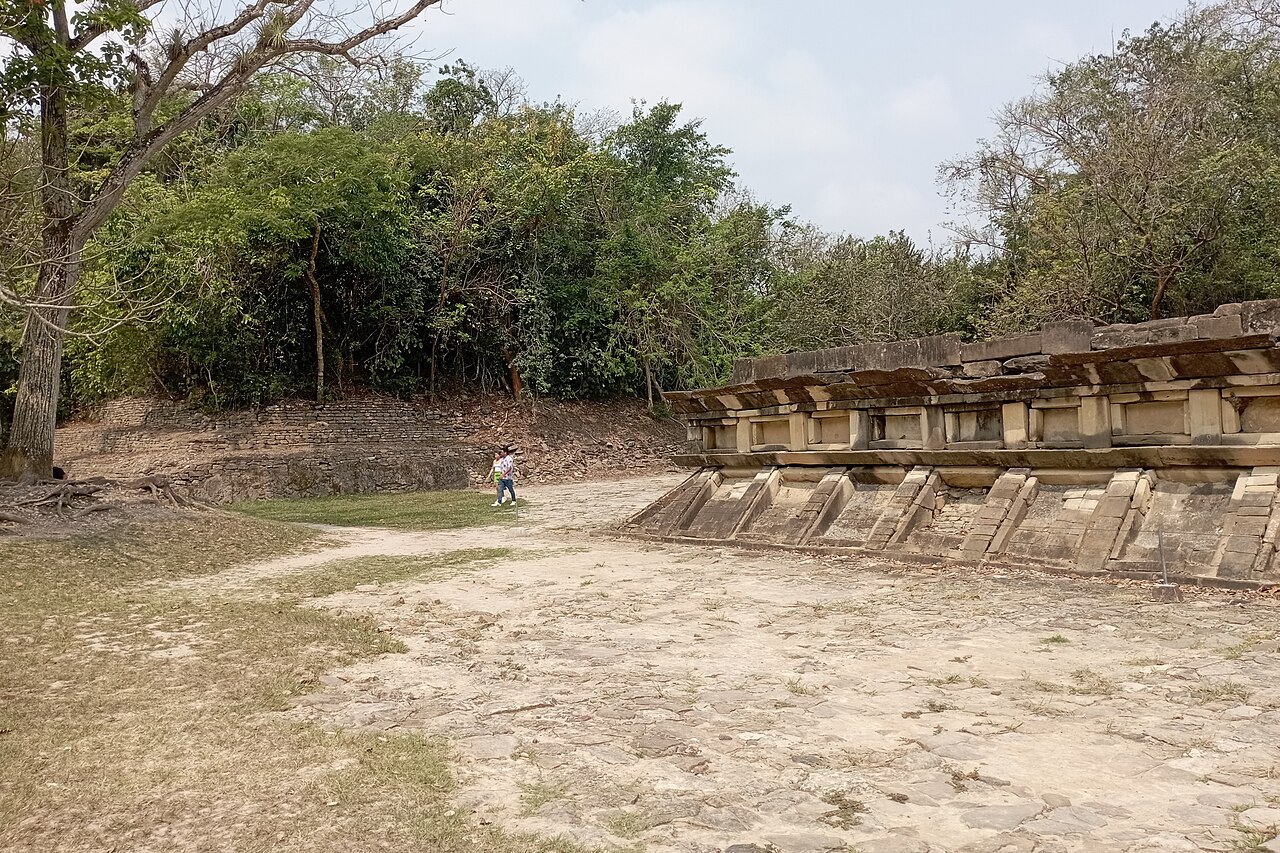
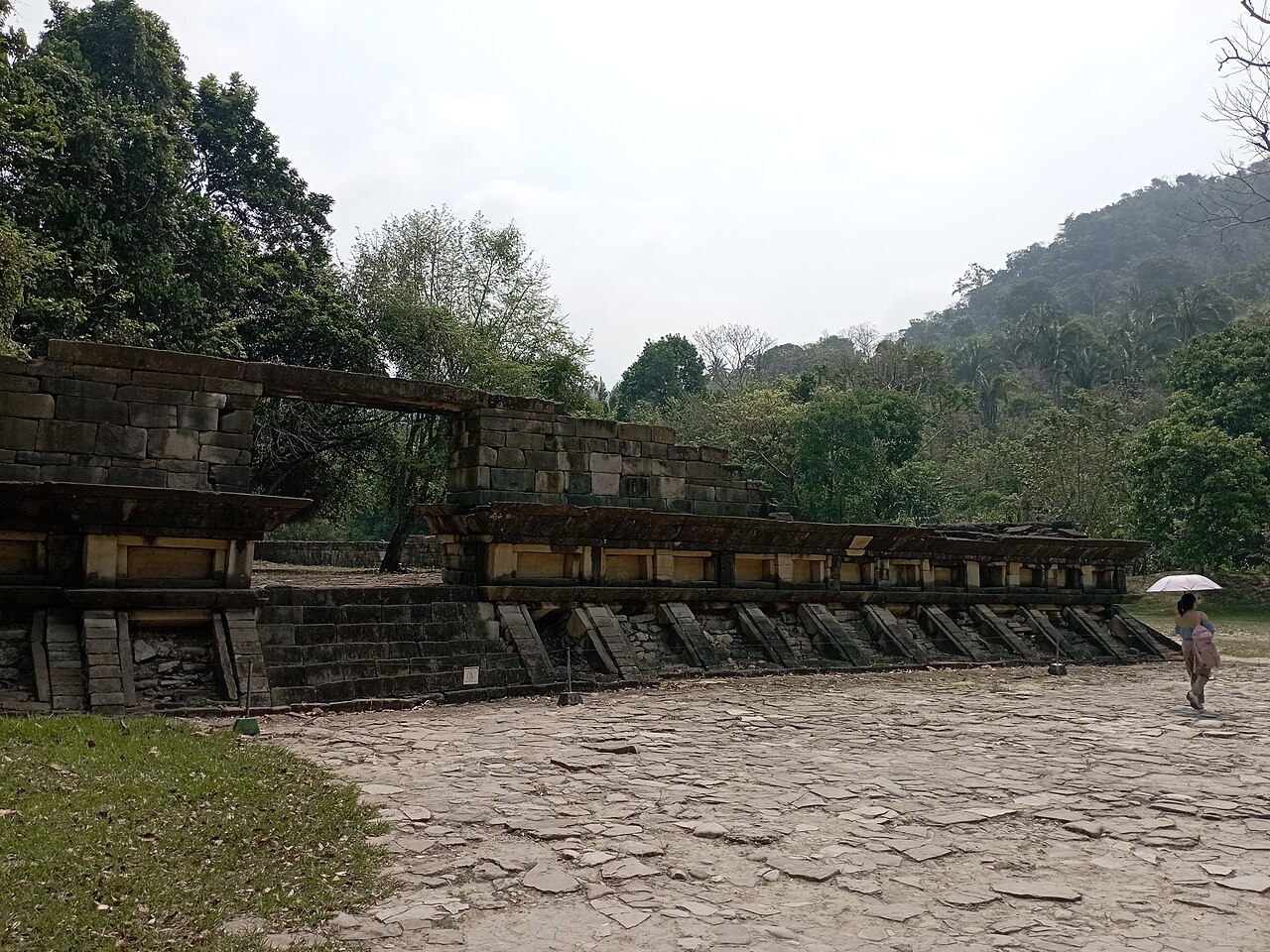
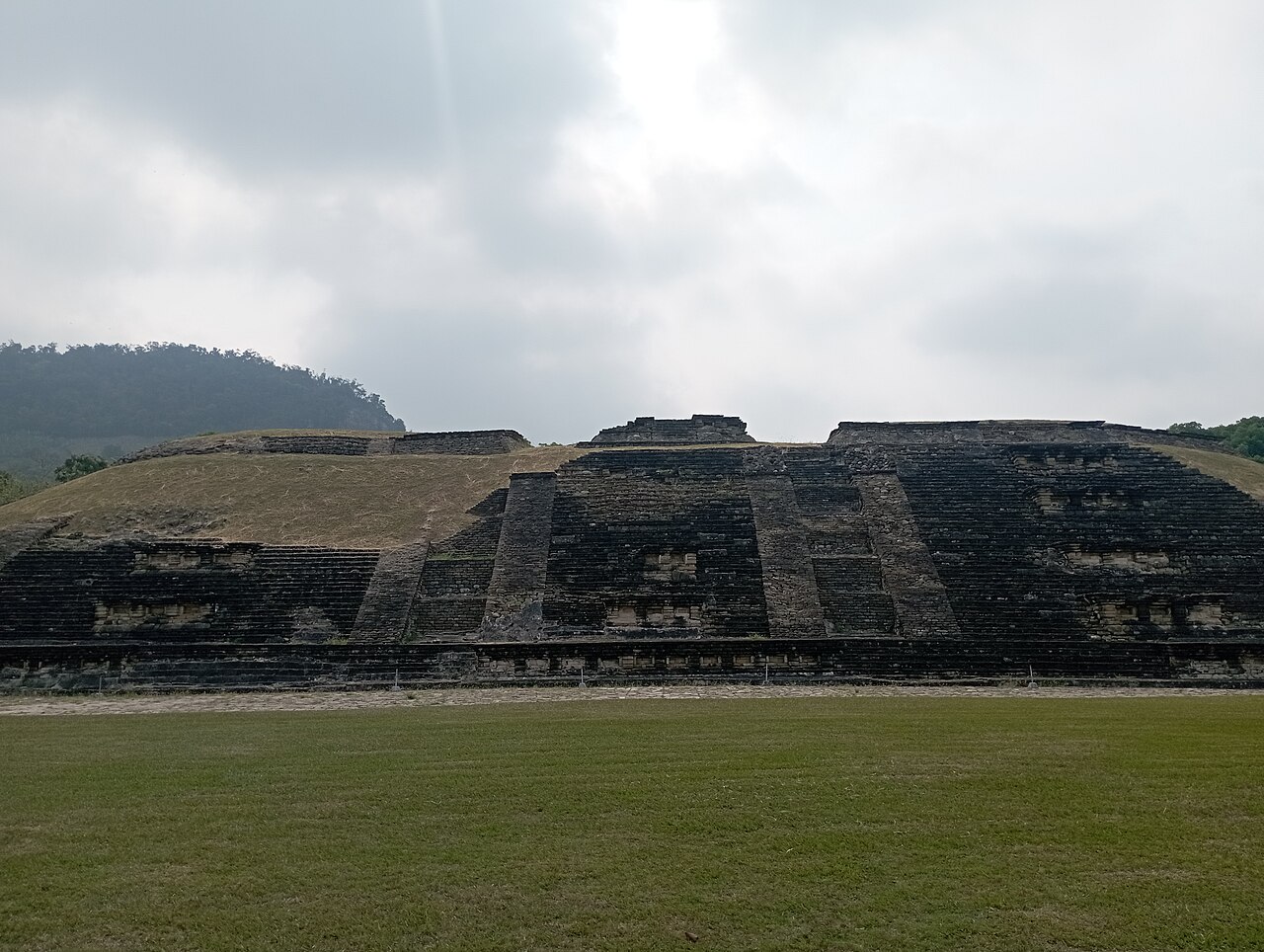
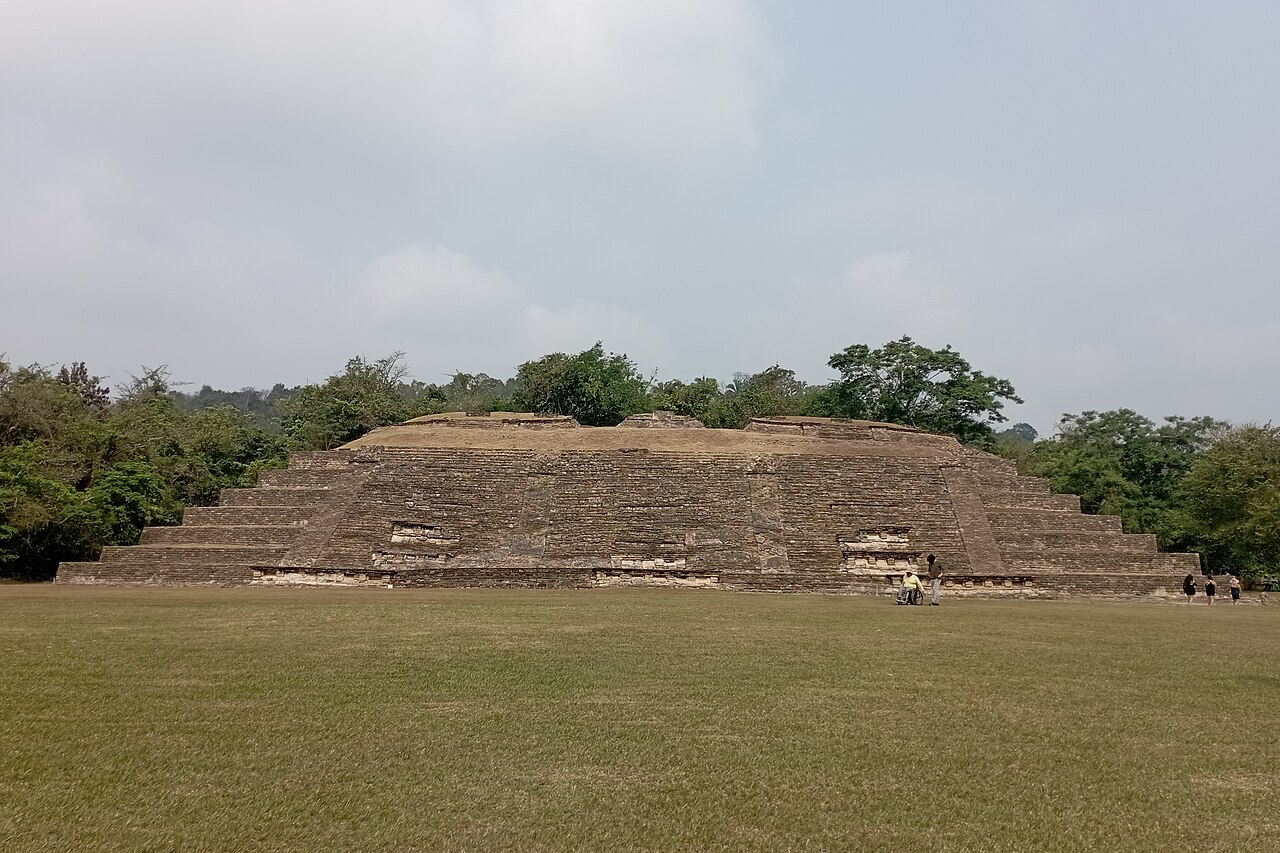
El Tajín is a pre-Columbian archeological site in Veracruz, Mexico, and one of the largest and most important cities of the Classic era of Mesoamerica. A part of the Classic Veracruz culture, it flourished from 600 to 1200 AD and is noted for its numerous temples, palaces, ballcourts, and pyramids, including the iconic Pyramid of the Niches. Named a World Heritage site in 1992, El Tajín is recognized for its cultural importance and unique architecture featuring decorative niches and cement.
- Location
- Lowlands of Papantla, Veracruz, Mexico
- Flourished
- 600 to 1200 AD
- Culture
- Classic Veracruz
- World heritage site
- 1992
- Known for
- Pyramid of the Niches, 20 ballcourts, annual Cumbre Tajin Festival
- Visitors in 2017
- 386,406
Lore & Background
The city was built by an uncertain people—some argue for the Totonacs or Xapaneca, while the founding date and ethnic attribution remain uncertain; Huastec presence at its founding in the 1st century CE is speculative. Monumental construction began soon after, and by 600 CE El Tajín was a city. It prospered due to its strategic position along Mesoamerican trade routes, controlling commodities like vanilla and cacao. The city reached its peak after the fall of Teotihuacan, in the Epi-Classic (900-1100 CE), before its decline—the cause of which is debated and not definitively attributed to a Chichimec invasion. The Totonacs then established nearby Papantla.
Reader's Guide
El Tajín's significance lies in its role as a major Classic-era city that survived the widespread collapse at the end of the Classic period and reached its apogee in the Epi-Classic. Its architecture, including the use of decorative niches and cement, is unique in Mesoamerica. The site contains 20 ballcourts, more than any other Mesoamerican site, reflecting the importance of the ballgame in its religion. Since the 1970s, it has been the most important archeological site in Veracruz for tourists, attracting 386,406 visitors in 2017. The annual Cumbre Tajin Festival, held each March, features indigenous and foreign cultural events and concerts. El Tajín was named a World Heritage site in 1992, preserving its cultural and architectural legacy.
Did You Know?
- El Tajín has 20 ballcourts, the last three discovered in March 2013.
- The Pyramid of the Niches was first described by a European in 1785, when government official Diego Ruiz documented it; earlier mentions may exist.
- The annual Cumbre Tajin Festival occurs each March.
El Tajín as Cultural Heritage
The 1972 UNESCO World Heritage Convention drew a clear line between cultural and natural heritage, and it is within the cultural category that an archaeological site like El Tajín finds its place. The Convention's definition of cultural heritage encompasses monuments—architectural works, monumental sculptures, inscriptions—along with groups of buildings and sites, explicitly including archaeological sites. By accepting the convention on 23 February 1984, Mexico opened the door for its historical and archaeological treasures to be recognized on the international stage. El Tajín, as an archaeological site, falls squarely within this framework, representing the kind of human-made heritage that the Convention was designed to protect. Its inclusion among Mexico's World Heritage Sites reflects the global community's acknowledgment that such places carry significance that transcends national borders, belonging to the shared cultural memory of humanity rather than to a single nation's narrative alone.
Mexico's World Heritage Portfolio
El Tajín exists within a remarkable national collection. Mexico currently holds 36 inscribed World Heritage Sites, the highest number of any country in the Americas, alongside 23 additional properties on its tentative list. The nation's first six sites were inscribed at the 11th Session of the World Heritage Committee, held at UNESCO headquarters in Paris in 1987, establishing Mexico's early presence on the global heritage register. Of the 36 inscribed sites, 28 are classified as cultural, six as natural, and two as mixed—recognized for both their cultural and natural significance. El Tajín, as an archaeological site, belongs to the cultural majority that dominates Mexico's portfolio. This concentration of cultural sites underscores the depth and breadth of Mexico's pre-Columbian and colonial heritage, positioning the country as a global leader in preserving human-made historical landscapes and the stories embedded within them.
The Criteria and Nomination Pathway
For any site to earn a place on the World Heritage list, it must satisfy at least one of ten established criteria. Criteria i through vi address cultural significance, while vii through x pertain to natural value. As an archaeological site, El Tajín would be evaluated against the cultural criteria, which examine aspects such as outstanding universal value, cultural exchanges, and testimonies of vanished civilizations. Beyond meeting a criterion, the nomination process itself carries a strict prerequisite: a site must first appear on its member state's tentative list before it can be formally nominated. Mexico maintains 23 properties on this tentative roster, representing candidates that may one day join the 36 already inscribed. This two-stage pathway—tentative listing followed by formal nomination—ensures that each site receives careful preparation and thorough documentation before the international committee reviews its candidacy.
Heritage Under Pressure and the Broader System
The World Heritage framework is not merely a celebratory register; it also functions as a monitoring and protection system. A stark reminder of the vulnerabilities that heritage sites face can be seen in the Gulf of California site, which has been listed as endangered due to the imminent extinction of the vaquita, an endemic porpoise species. While El Tajín, as a cultural and archaeological site, confronts different pressures—urban encroachment, environmental degradation, or loss of interpretive context—the underlying principle remains identical: without active stewardship, even the most significant sites can diminish beyond recovery. The Convention, established in 1972, created a shared international responsibility for such places. Mexico's most recent inscription, the Wixárika Route through Sacred Sites to Wirikuta in 2025, demonstrates that the system continues to evolve, recognizing living cultural landscapes alongside ancient archaeological sites like El Tajín.
Gallery
Frequently Asked Questions
What is El Tajín and where is it located?
El Tajín is a major pre-Columbian archaeological site situated in the lowlands near Papantla, in the state of Veracruz, Mexico. It served as one of the most significant urban centers during the Classic period of Mesoamerican civilization.
What is the Pyramid of the Niches?
The Pyramid of the Niches is the most recognizable structure at El Tajín, distinguished by its rows of recessed decorative panels set into the pyramid's stepped faces. This niche-based design is virtually unique in Mesoamerican architecture and gives the site its signature visual identity.
When was El Tajín at its height?
The city thrived roughly between 600 and 1200 AD, spanning the Classic Veracruz cultural period. During that window it grew into one of the largest and most architecturally ambitious cities in all of Mesoamerica.
Why did UNESCO designate El Tajín as a World Heritage Site?
UNESCO inscribed El Tajín on the World Heritage list in 1992 because of its outstanding cultural value and its distinctive architectural style, particularly the use of decorative niches and stucco that set it apart from other Mesoamerican cities. The site is considered a key example of Classic Veracruz civilization.
What is the Cumbre Tajin Festival?
The Cumbre Tajin Festival is an annual cultural event held in the Papantla area that celebrates the living traditions and indigenous heritage connected to the El Tajín region. It draws hundreds of thousands of visitors each year and has become a major draw in addition to the archaeological site itself.
More in World Heritage Sites in Mexico 1-24
Spotted an error? Know more?
Reader corrections go straight into our review queue. Suggest an edit · How this site is sourced