
El Pinacate y Gran Desierto de Altar Biosphere Reserve
A volcanic shield and dune field visible from space.

Kyle Magnuson from Los Angeles, United States · CC BY 2.0
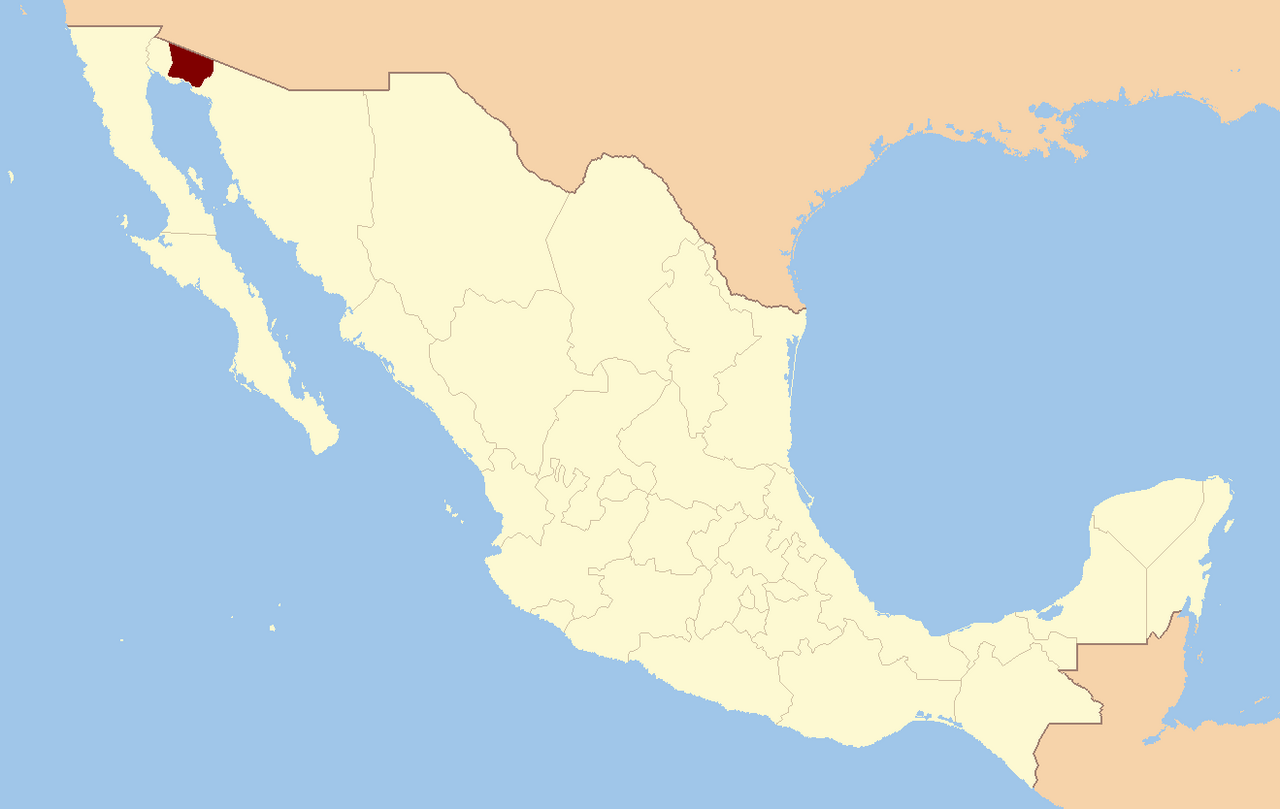
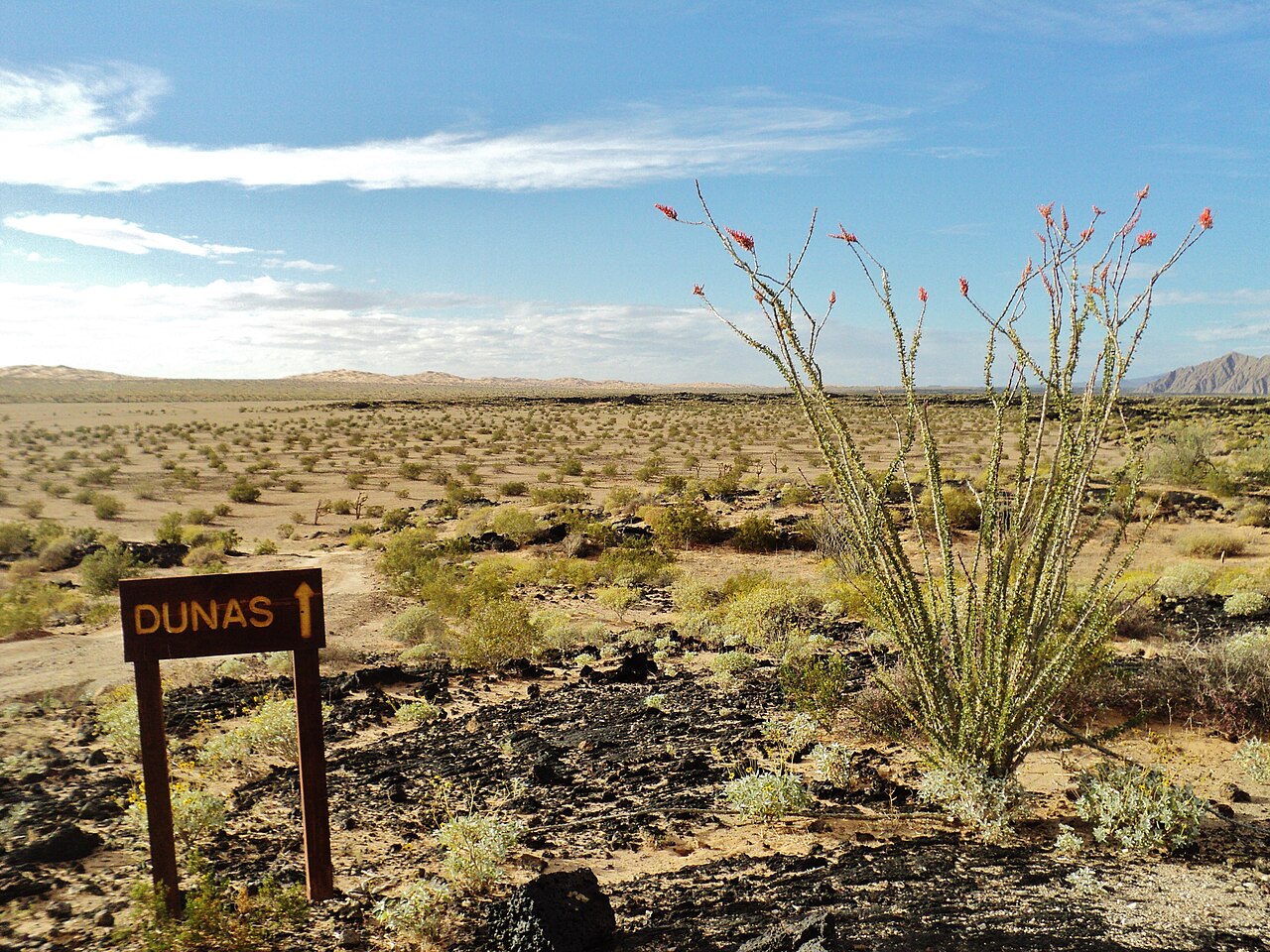
El Pinacate and Gran Desierto de Altar Biosphere Reserve is a biosphere reserve and UNESCO World Heritage Site in northwest Mexico, managed by the federal government of Mexico in collaboration with the state governments of Sonora and the Tohono O'odham. Located in the Sonoran Desert east of the Gulf of California, it is one of the most significant visible landforms in North America from space, featuring a volcanic shield, active dunes, and the greatest concentration of Maar craters.
- Area (biosphere reserve)
- 7,146 km²
- Number of mammal species
- 44
- Number of bird species
- 222
- Number of reptile, amphibian, and freshw
- 44 (40 reptiles, 4 amphibians)
Lore & Background
The reserve's volcanic system, known as the Pinacate volcanic field, includes three peaks: Pinacate, Carnegie, and Medio. The highest peak is Cerro del Pinacate (Santa Clara volcano). The Pinacate Peaks have erupted sporadically for about 4 million years, with the most recent activity about 11,000 years ago. NASA sent astronauts to the Gran Desierto de Altar from 1965 to 1970 to train for walking on the Moon due to terrain similarities to the lunar surface.
First inhabited by the San Dieguito people, hunter-gatherers who moved between the mountains and the Gulf of California, the area saw two stages of occupation separated by drought periods. The most recent indigenous inhabitants are the Pinacateño band of the Hia C-ed O'odham, who left signs of their presence including paths between tinajas and stone tools.
Possibly first seen by European explorer Melchior Díaz in 1540, the site was later visited by priest Eusebio Kino in 1698, who climbed to the top and named it Santa Clara Hill. In 1907, the group MacDougal, Hornaday, and Sykes explored the western part of the mountain.
Reader's Guide
El Pinacate and Gran Desierto de Altar Biosphere Reserve holds significance as a UNESCO World Heritage Site and a key ecological and geological landmark. Its unique physical features—a volcanic shield, extensive active dunes, and the highest concentration of Maar craters—make it a site of scientific interest. The reserve's biodiversity includes over 540 plant species, 40 mammal species, 200 bird species, and 40 species of reptiles, amphibians, and freshwater fishes, with threatened endemic species such as the Sonoran pronghorn, bighorn sheep, gila monster, and desert tortoise.
Its legacy extends to space exploration: NASA trained Apollo astronauts there in the 1960s. The reserve is also a sister park to Organ Pipe Cactus National Monument in Arizona. However, its wildlife is threatened by the militarization of the Mexico–United States border and the construction of the border wall. The reserve covers about half of the larger World Heritage site, which at 7,146 km² exceeds the area of several Mexican states. The name 'Pinacate' comes from the Náhuatl word for a stink beetle endemic to the Sonoran Desert.
Did You Know?
- The name 'Pinacate' comes from the Náhuatl word pinacatl, for the Pinacate beetle, a stink beetle endemic to the Sonoran Desert.
- The World Heritage site area of 7,146 km² is greater than that of the states of Aguascalientes, Colima, Morelos, and Tlaxcala combined.
Volcanic Architecture & Geological Heritage
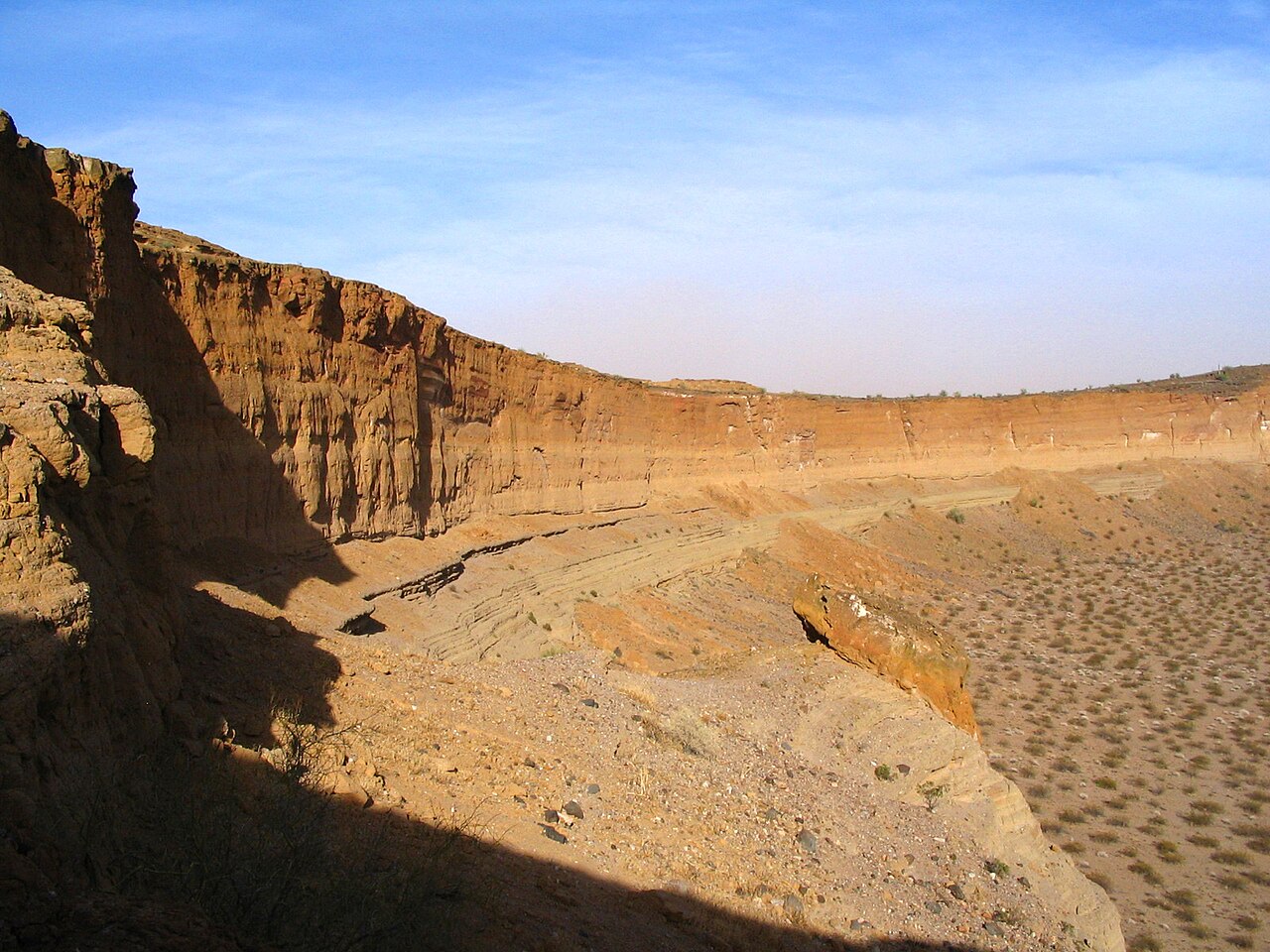
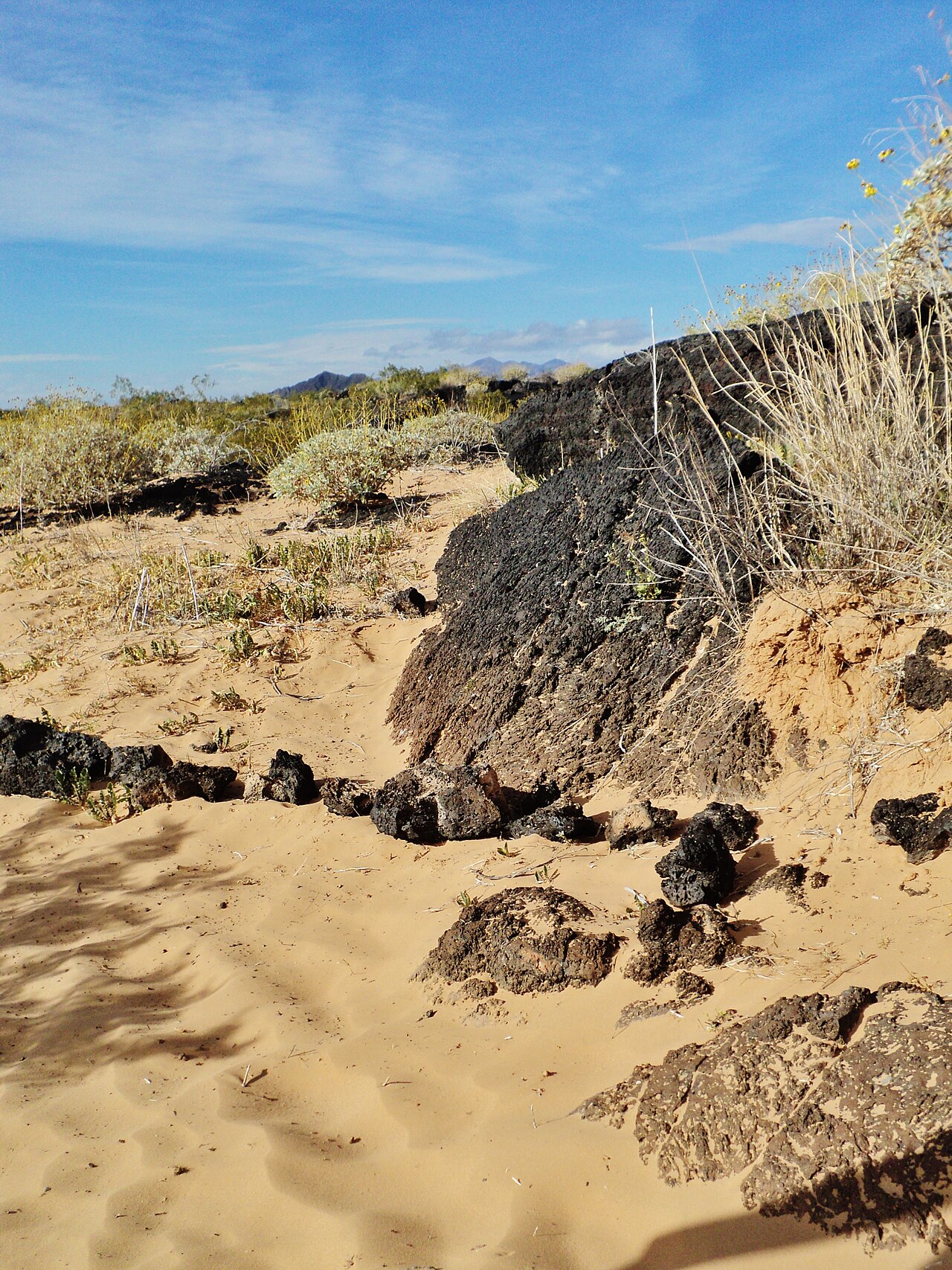
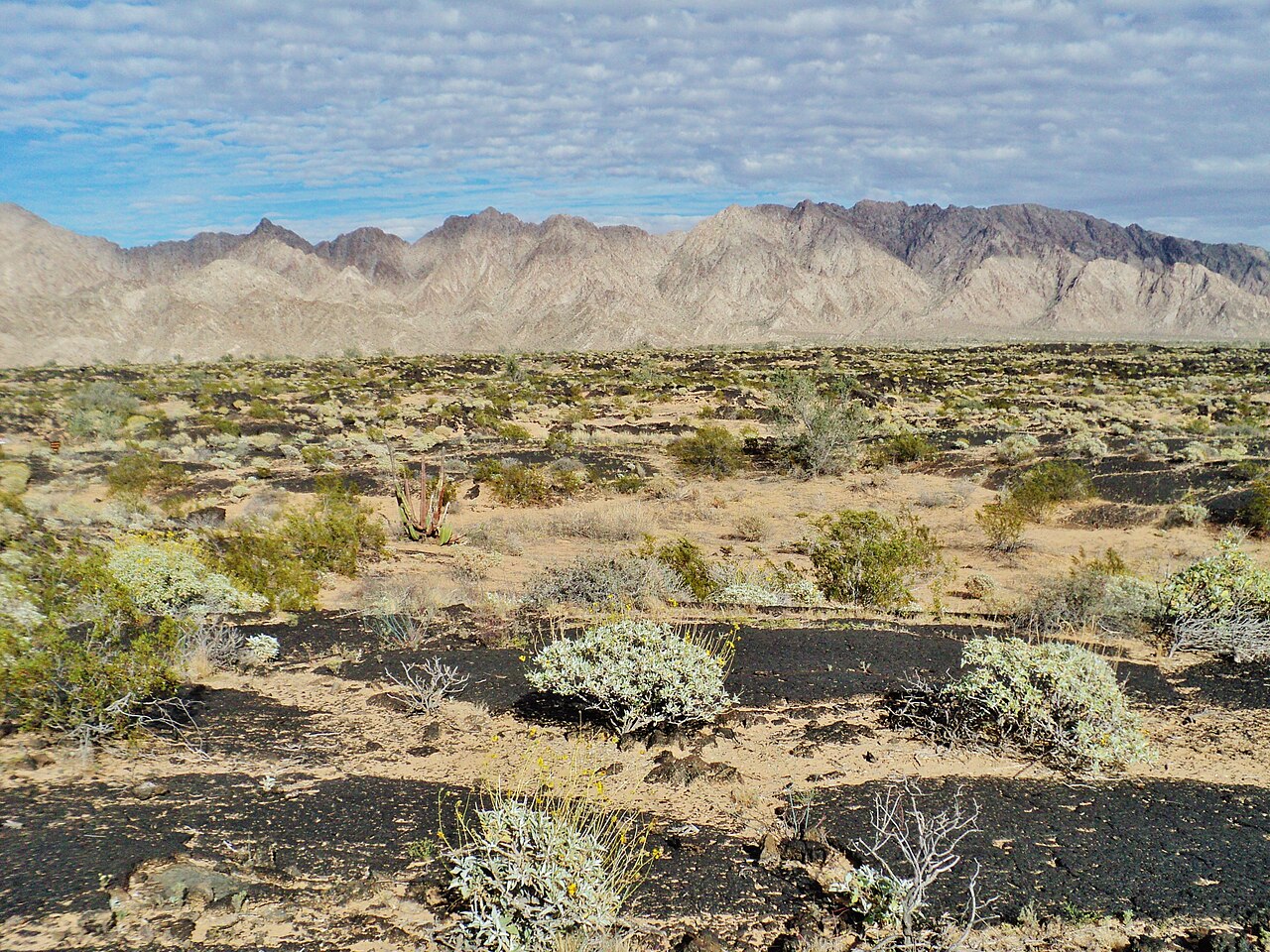
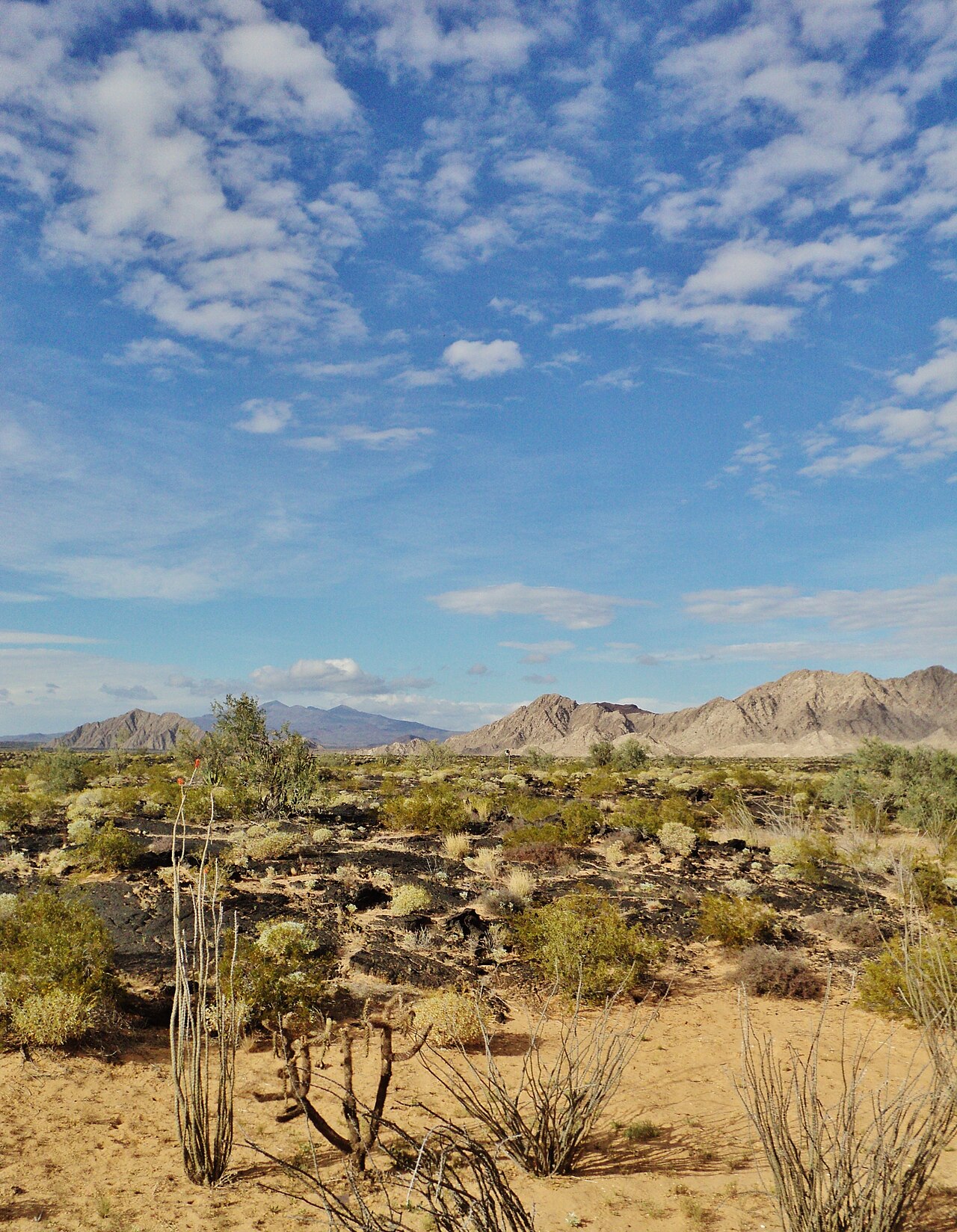
The reserve's landscape is dominated by the Santa Clara volcanic system, a shield volcano whose three peaks—Pinacate, Carnegie, and Medio—rise above the surrounding desert. The highest of these, Cerro del Pinacate, reaches 1,190 metres. The name "Pinacate" itself traces back to the Náhuatl word pinacatl, referring to a stink beetle found only in the Sonoran Desert. This volcanic complex has been erupting in sporadic bursts for roughly four million years, with the last known activity occurring around 11,000 years ago. The eruptions left behind compacted lava, sand, and volcanic ash that created striking color patterns across the terrain. The area also holds the greatest concentration of maar craters anywhere, including notable formations like El Elegante, Cerro Colorado, MacDougal, and Sykes. Surrounding the volcanic shield are extensive active dune fields, giving the reserve a physical character unlike much of North America.
Biodiversity & Conservation Pressures
The reserve shelters an extraordinary range of life for a desert environment. More than 540 plant species thrive here, alongside 40 mammal species, 200 bird species, and 40 species of reptiles, amphibians, and freshwater fish. Among the most vulnerable residents are several endemic or threatened animals, including the Sonoran pronghorn, bighorn sheep, the gila monster, and the desert tortoise. Despite this richness, the ecosystem faces mounting pressure from geopolitical forces. The militarization of the Mexico–United States border and the ongoing construction of the border wall directly threaten wildlife movement and habitat integrity in the reserve. The area sits just south of the Arizona border, making it one of the most exposed protected landscapes in North America. Management falls to Mexico's Secretariat of the Environment and Natural Resources in partnership with the state of Sonora and the Tohono O'odham, a collaboration that must now contend with security-driven development that few conservation frameworks were designed to address.
Indigenous Heritage & Early Exploration
Long before European contact, the San Dieguito people roamed this landscape as hunter-gatherers, moving between the mountains and the Gulf of California in search of food. Their earliest presence dates to roughly 20,000 years ago, though drought at the start of the ice age drove them from the range. They returned during the late glacial period, relying on tinajas—natural water sources—as anchors for their camps. A second antipyretic period around 9,000 years ago again displaced them. The most recent indigenous inhabitants are the Pinacateño band of the Hia C-ed O'odham, who followed similar patterns of seasonal movement, leaving behind networks of footpaths between tinajas, stone tools, and potsherds. European contact came tentatively: Melchior Díaz may have been the first European to sight the range in 1540, while Father Eusebio Kino climbed to the summit in 1698 and named it Santa Clara Hill. Scientific exploration remained sparse until the MacDougal, Hornaday, and Sykes party surveyed the western slopes in 1907.
International Recognition & the NASA Connection
The reserve's otherworldly terrain caught the attention of NASA between 1965 and 1970, when astronauts were sent to the Gran Desierto de Altar to rehearse lunar surface operations. The stark volcanic and dune landscapes closely resemble the Moon's surface, making the area an ideal terrestrial training ground. Today, the site holds dual prestige: it is both a UNESCO World Heritage Site and a Mexican biosphere reserve. The World Heritage designation spans 7,146 square kilometres—an area larger than the combined territories of Aguascalientes, Colima, Morelos, and Tlaxcala—while the biosphere reserve itself covers 2,695 square kilometres, roughly half the total. The reserve is also one of the most prominent visible landforms in North America when viewed from orbit. It maintains a sister-park relationship with Organ Pipe Cactus National Monument in Arizona, linking two desert ecosystems on either side of the international border.
Gallery
Frequently Asked Questions
What is El Pinacate y Gran Desierto de Altar Biosphere Reserve?
It is a protected area in northwest Mexico's Sonoran Desert, situated east of the Gulf of California, where a volcanic shield meets active sand dunes. The reserve covers roughly 7,146 square kilometers and carries UNESCO World Heritage designation.
Why is El Pinacate y Gran Desierto de Altar Biosphere Reserve important?
It holds the greatest known concentration of Maar craters on the planet and stands out as one of the most prominent landforms visible from orbit. That pairing of extraordinary volcanic geology with living desert ecology gives it global scientific and conservation value.
What makes El Pinacate y Gran Desierto de Altar Biosphere Reserve geologically unique?
The site combines a large volcanic shield, wind-shaped dune fields, and the densest cluster of Maar craters found anywhere in the world. This unusual mix of volcanic and aeolian landforms is so distinctive that it can be identified from space.
What wildlife can be found in El Pinacate y Gran Desierto de Altar Biosphere Reserve?
The reserve shelters 44 mammal species, 222 bird species, and 44 reptile and amphibian species across its volcanic and dune habitats. This diversity makes it one of the richest Sonoran Desert ecosystems in Mexico.
Who manages El Pinacate y Gran Desierto de Altar Biosphere Reserve?
Mexico's federal government oversees the reserve in partnership with the state of Sonora and the Tohono O'odham people. This shared stewardship reflects both the ecological sensitivity of the area and the cultural ties of its Indigenous inhabitants.
More in World Heritage Sites in Mexico 1-24
Spotted an error? Know more?
Reader corrections go straight into our review queue. Suggest an edit · How this site is sourced