
Historic center of Mexico City
Centro Histórico: Aztec and Spanish heart of Mexico City.

José Luiz · CC BY-SA 4.0
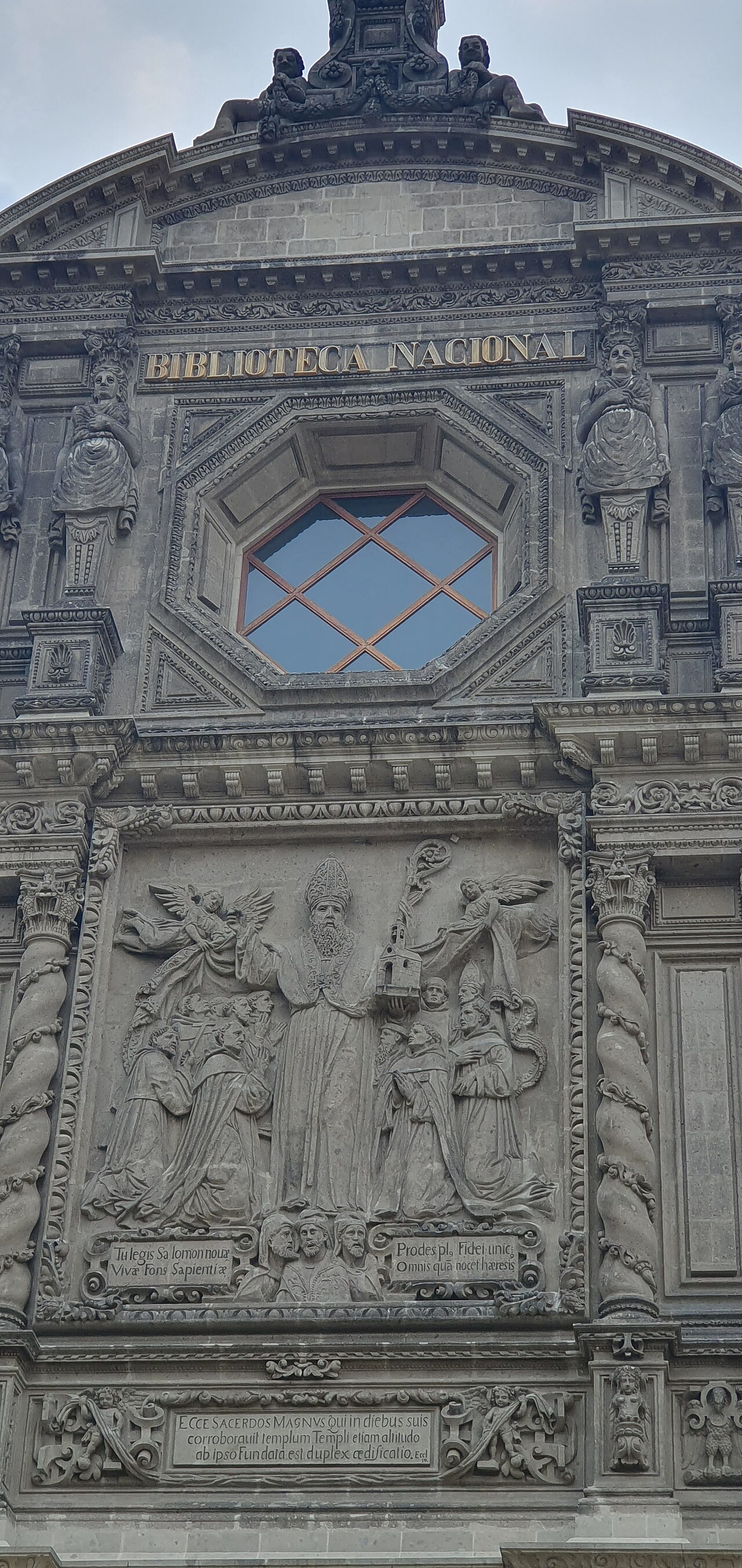
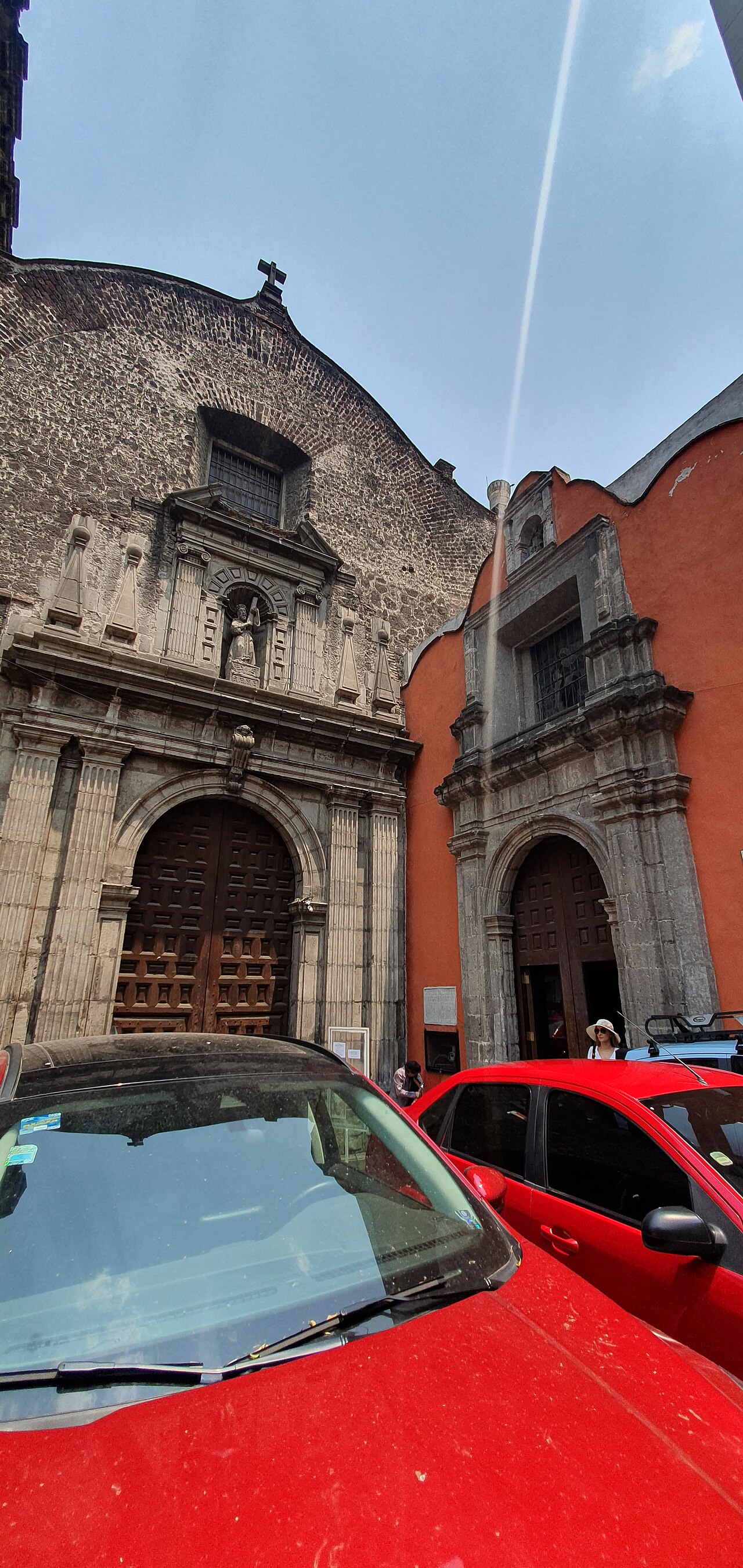
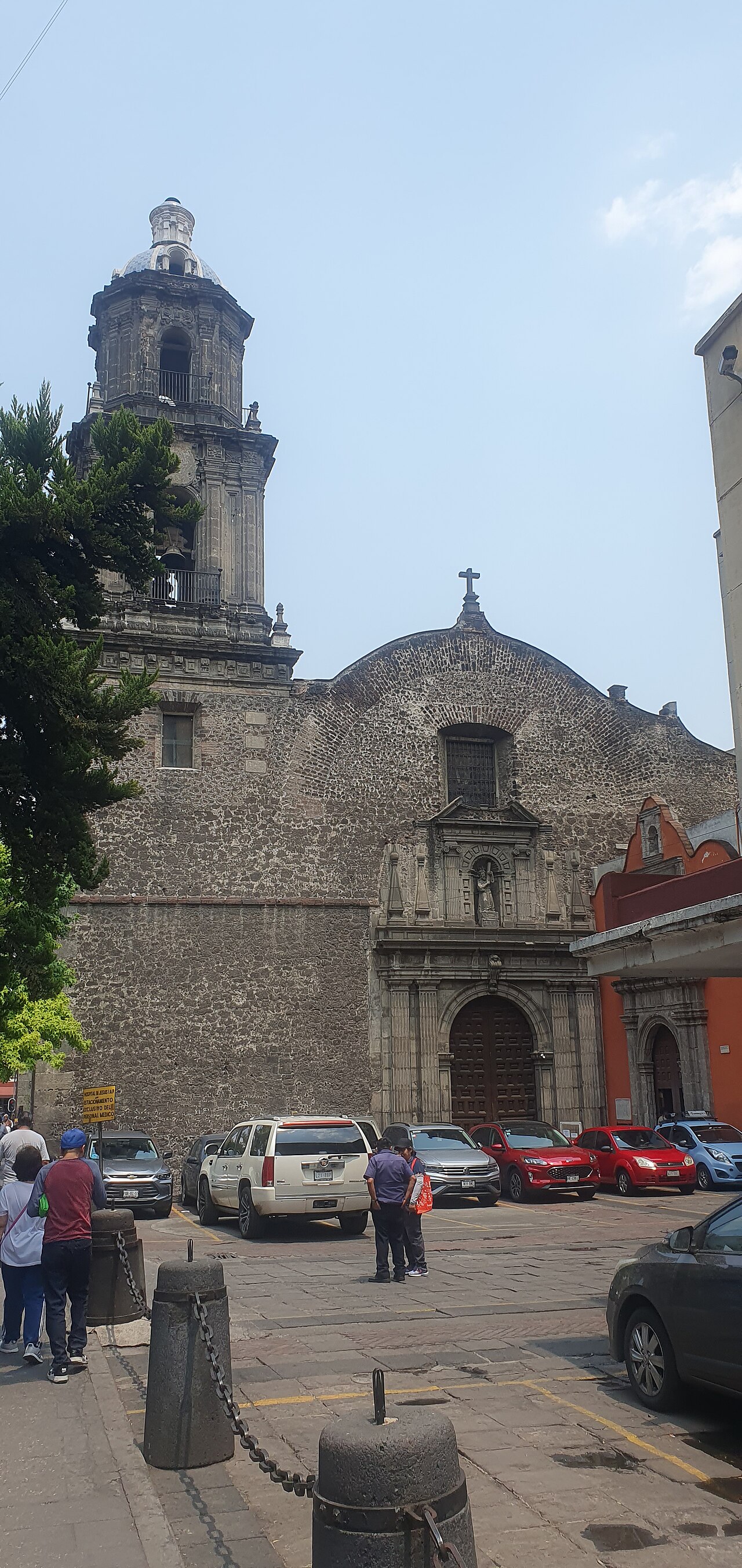
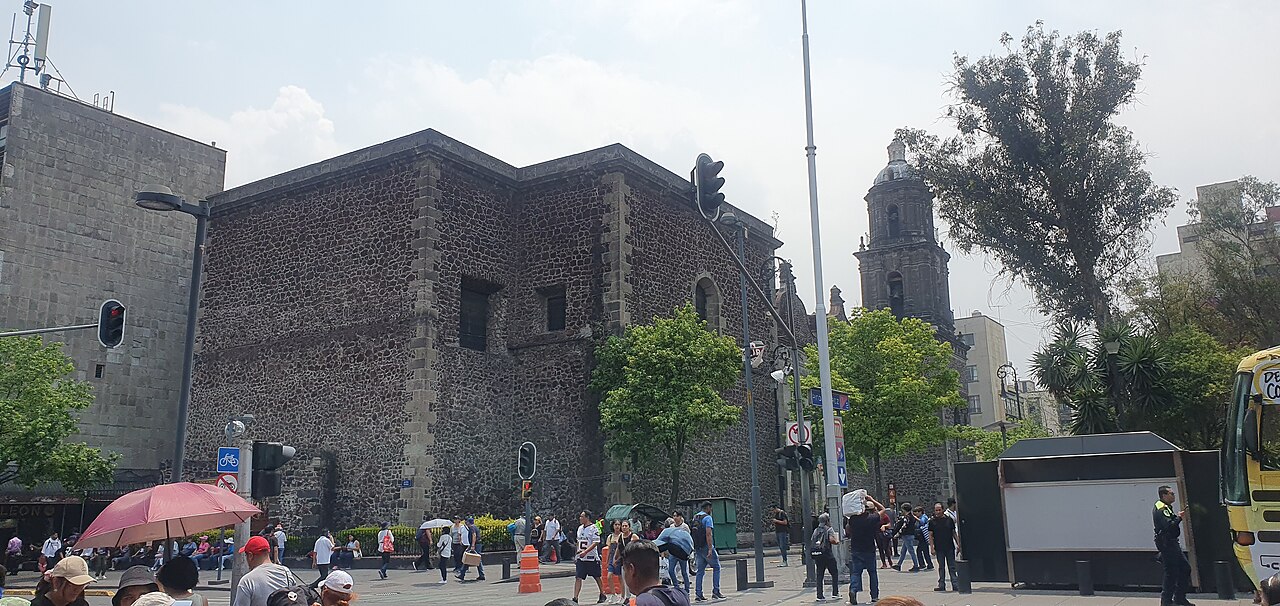
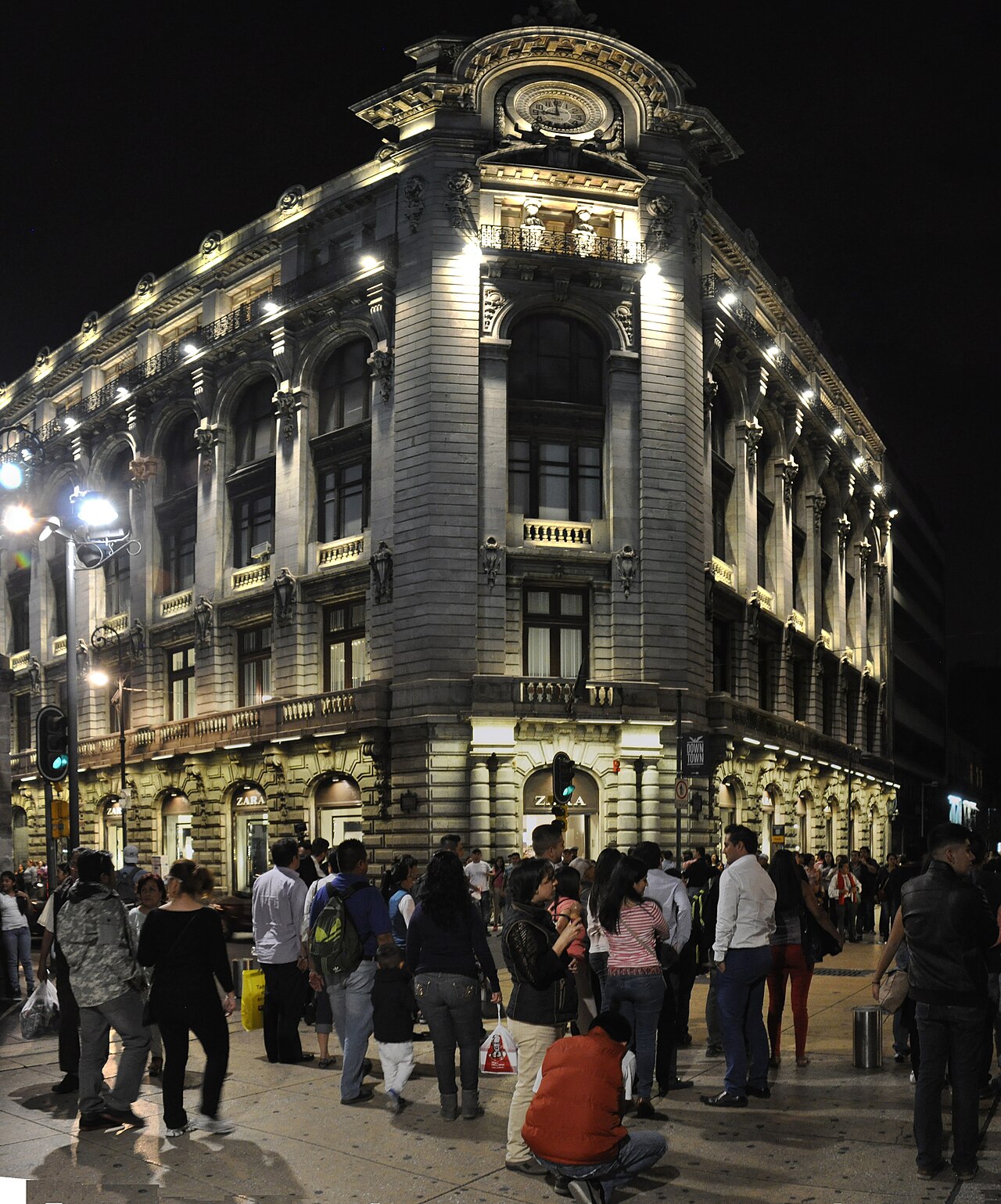
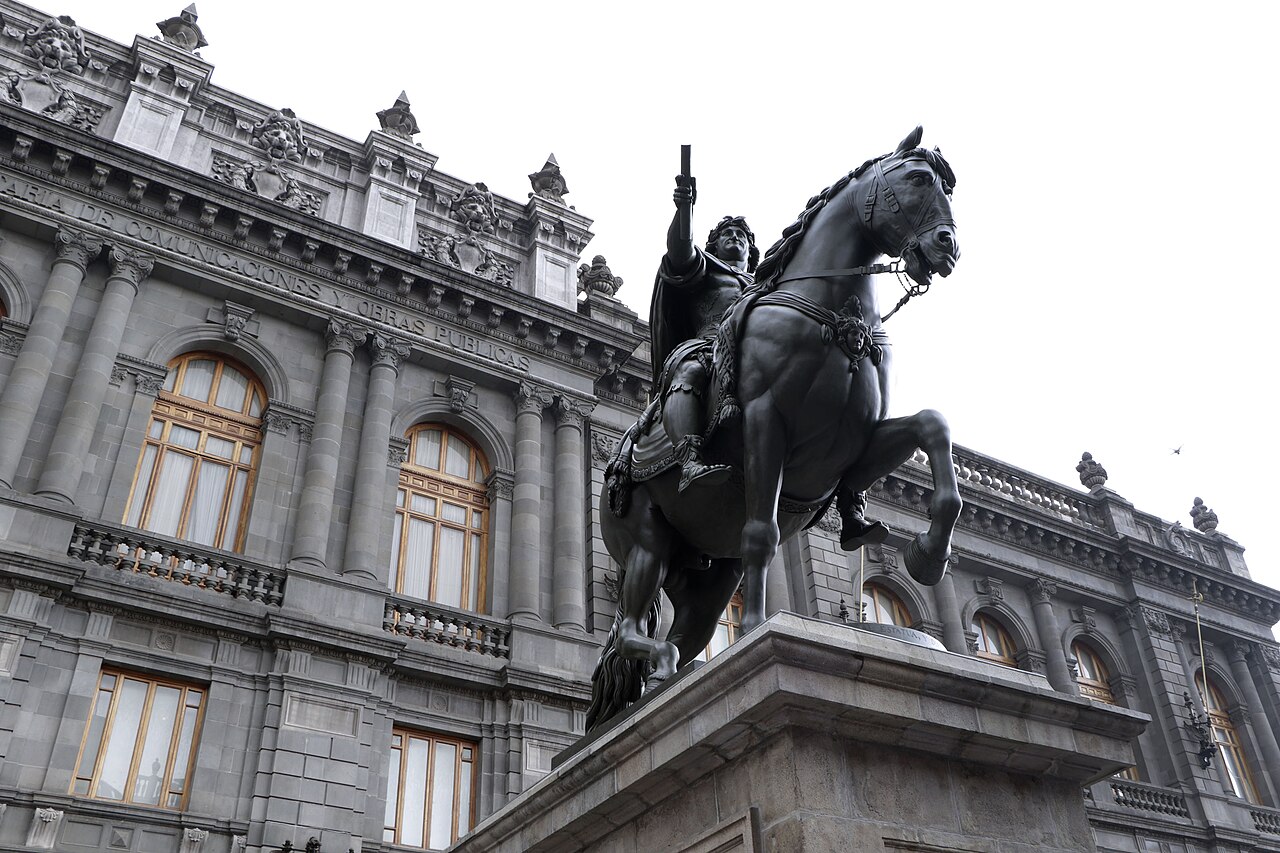
The historic center of Mexico City, also known as the Centro Histórico, is the central neighborhood in Mexico City, Mexico, focused on the Zócalo (main plaza) and extending in all directions for a number of blocks, with its farthest extent being west to the Alameda Central. It lies in the municipal borough of Cuauhtémoc, covers just over nine square kilometers, and occupies 668 blocks. The area contains 9,000 buildings, 1,550 of which have been declared of historical importance, most constructed between the 16th and 20th centuries. It is a World Heritage Site because it contains most of the city's historic sites from both the Aztec Empire and the Spanish colony of New Spain.
- Largest plaza
- Zócalo, one of the largest plazas in Latin America (capacity disputed)
Lore & Background
What is now the historic downtown of Mexico City roughly correlates with the ancient Aztec city of Tenochtitlan, founded around 1325. The island city was divided into four calpullis (neighborhoods) by main roads aligned with cardinal directions. At the intersection stood the Templo Mayor, palaces of the tlatoani, and the two most renowned Aztec schools. After the Spanish conquest, the design remained largely intact due to the efforts of Alonso Garcia Bravo, who supervised rebuilding, conserving main thoroughfares and adding Christian prefixes to neighborhood names. Some buildings in the centro histórico reused stone from the destroyed Aztec city, though most were built with new materials.
Reader's Guide
The historic center of Mexico City is significant as the enduring core of both the Aztec Empire and the Spanish colony of New Spain. Its Zócalo is the largest plaza in Latin America, capable of holding nearly 100,000 people, and has been a venue for fine and popular cultural events as well as national protests. The area contains the Palacio Nacional (built on the ruins of Moctezuma II's palace), the Metropolitan Cathedral (built on the Aztec Sacred Precinct), and the Templo Mayor archaeological site (discovered in 1978 after a chance find of an eight-ton stone disk). The center is divided into two preservation zones: Zone A covers the pre-Hispanic city and its expansion through Independence; Zone B covers constructions to the end of the 19th century. Its 1,550 historically declared buildings reflect wealth from mining and commerce in the 17th and 18th centuries, seen in mansions like the Palace of Iturbide and Casa de Azulejos.
Did You Know?
- The Zócalo is one of the largest plazas in Latin America, though its capacity of nearly 100,000 people is disputed.
- The Templo Mayor was rediscovered in 1978 when electrical workers chanced upon an eight-ton stone disk depicting the Aztec goddess Coyolxauhqui.
- The Metropolitan Cathedral's construction began in 1573, when the foundation stone was laid; it was not completed until 1813.
The Global Framework for Heritage Recognition
The World Heritage Convention, brought into existence by UNESCO in 1972, established the international mechanism through which places of outstanding cultural or natural significance receive formal recognition. Under this framework, cultural heritage encompasses architectural works, monumental sculptures, inscriptions, groups of buildings, and archaeological sites, while natural heritage covers physical and biological formations, geological and physiographical features, habitats supporting threatened species, and landscapes valued for their scientific, conservation, or aesthetic importance. Mexico formally accepted the convention on 23 February 1984, a step that opened the door for its historical and natural landmarks to be considered for the global register. The system operates through ten distinct criteria—six addressing cultural significance and four addressing natural value—requiring every candidate site to satisfy at least one before it can be inscribed. This structured approach ensures that recognition is grounded in clearly defined standards rather than subjective judgment.
Mexico's Standing in the Western Hemisphere
Mexico holds the distinction of possessing the largest number of World Heritage Sites of any country in the Americas, with thirty-six inscribed properties on the global list. The portfolio breaks down into twenty-eight cultural sites, six natural sites, and two that carry dual designations for both their cultural and natural significance. Beyond these confirmed entries, the country maintains an additional twenty-three properties on its tentative register, signaling a deep reservoir of heritage yet to be formally nominated. The nation's first six sites earned their place at the eleventh session of the World Heritage Committee, convened at UNESCO headquarters in Paris in 1987. More than three decades later, the Wixárika Route through Sacred Sites to Wirikuta was added in 2025, demonstrating that Mexico's heritage story continues to evolve. This breadth of recognition—spanning architectural ensembles, natural landscapes, and indigenous cultural routes—reflects the extraordinary diversity of the country's historical and ecological legacy.
The Path from Tentative List to Inscription
A critical procedural requirement in the World Heritage system is that no site can be nominated for the global register unless it first appears on its member state's tentative list. This prerequisite ensures that nominations are carefully prepared and that the responsible government has committed to the long process of documentation and advocacy. Mexico currently holds twenty-three properties on this tentative register, each representing a potential future addition to its already substantial collection of inscribed sites. The ten criteria under which sites are evaluated—criteria one through six for cultural value and seven through ten for natural value—provide the analytical framework that nomination files must address. A property need only satisfy a single criterion to qualify, though many successful nominations demonstrate strength across multiple categories. This layered process, from tentative listing through formal nomination to committee deliberation, creates a rigorous pipeline that protects the integrity of the World Heritage designation.
Threats to Heritage and the Endangered List
Not all World Heritage Sites remain in stable condition once inscribed. The Islands and Protected Areas of the Gulf of California in Mexico has been placed on the endangered list, a designation that signals serious and ongoing threats to the site's outstanding universal value. The specific concern driving this listing is the imminent extinction of the vaquita, a small porpoise species found nowhere else on Earth, whose habitat lies within the gulf. This case illustrates that World Heritage status, while conferring international recognition, does not automatically guarantee the survival of the natural or cultural features that earned the designation. For the broader portfolio of thirty-six Mexican sites, the endangered listing of one property serves as a reminder that conservation is an ongoing, active commitment rather than a one-time achievement. The presence of threatened species within heritage boundaries underscores the intersection between biodiversity protection and cultural landscape preservation.
Gallery
Frequently Asked Questions
What is the Historic Center of Mexico City?
It is the old core neighborhood of Mexico City, radiating out from the Zócalo main square across roughly nine square kilometers and 668 city blocks in the Cuauhtémoc borough. Fans often describe it as the place where Aztec Tenochtitlan and the Spanish colonial city are physically layered on top of one another.
Why did UNESCO designate the Centro Histórico a World Heritage Site?
The district preserves an extraordinary architectural palimpsest spanning the 16th through the 20th centuries, with over 1,500 structures carrying a formal historical designation. It is one of the few urban areas in the world where pre-Columbian and colonial-era planning are stacked directly on top of each other.
What is the Zócalo and why is it the focal point?
The Zócalo is the enormous main plaza that anchors the entire historic district and is widely regarded as one of the largest public squares in all of Latin America, though exact capacity figures remain debated. Every major civic and ceremonial event in the neighborhood radiates outward from this square.
How many buildings are in the Historic Center and what eras do they cover?
The area contains roughly 9,000 structures, of which 1,550 have been officially declared of historical importance. The vast majority were constructed between the 1500s and the 1900s, producing a dense mix of colonial, neoclassical, and modernist styles block by block.
Where exactly do the boundaries of the Centro Histórico end?
The designated zone stretches in every direction from the Zócalo, with its westernmost limit reaching the Alameda Central park. The whole area sits within the Cuauhtémoc municipal borough and covers just over nine square kilometers.
More in World Heritage Sites in Mexico 1-24
Spotted an error? Know more?
Reader corrections go straight into our review queue. Suggest an edit · How this site is sourced