
Arab-Norman Palermo and the Cathedral Churches of Cefalù and Monreale
Nine Norman-era structures on Sicily's northern coast.

Pro Regnum Siciliæ · CC BY-SA 4.0
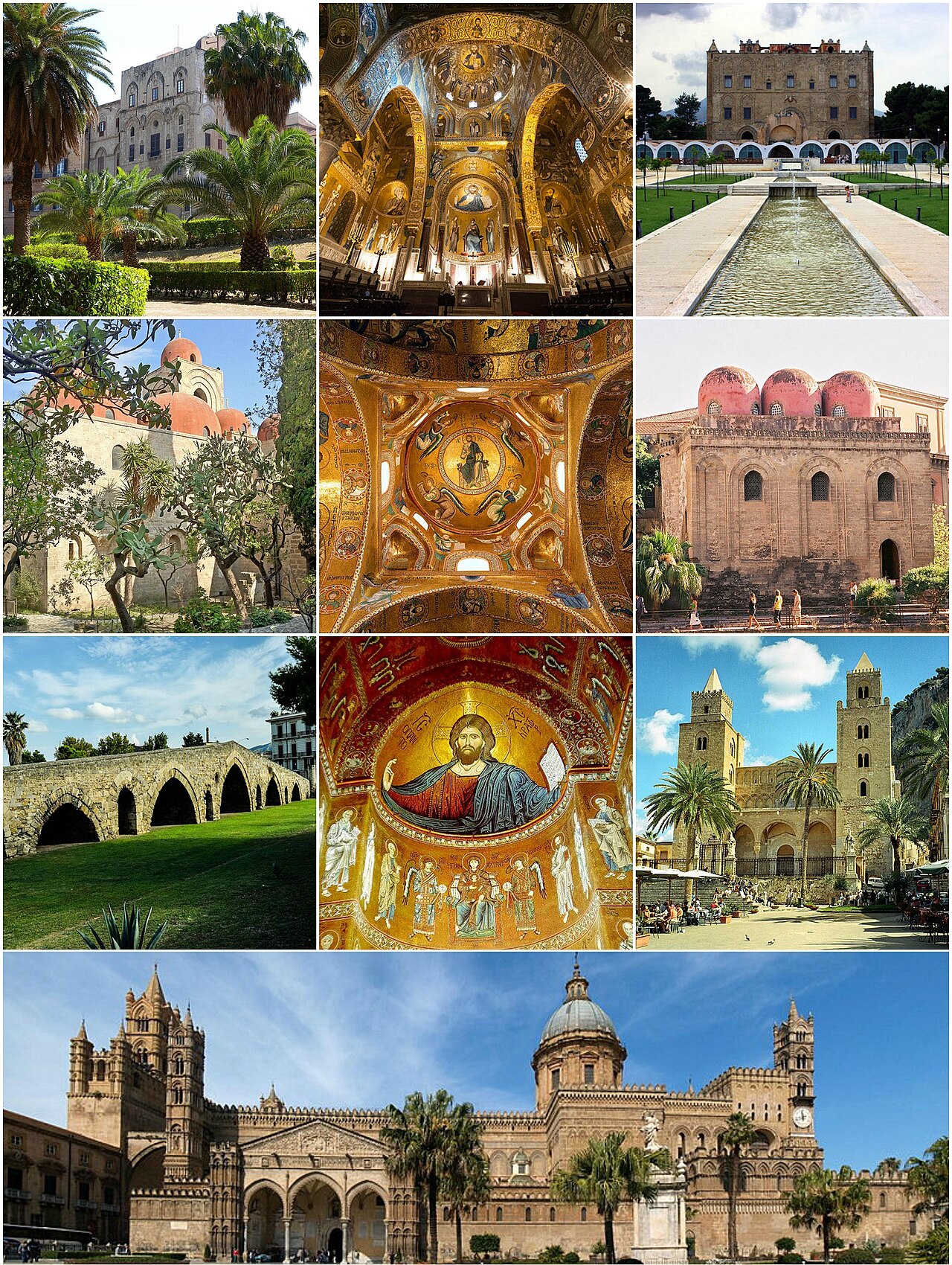
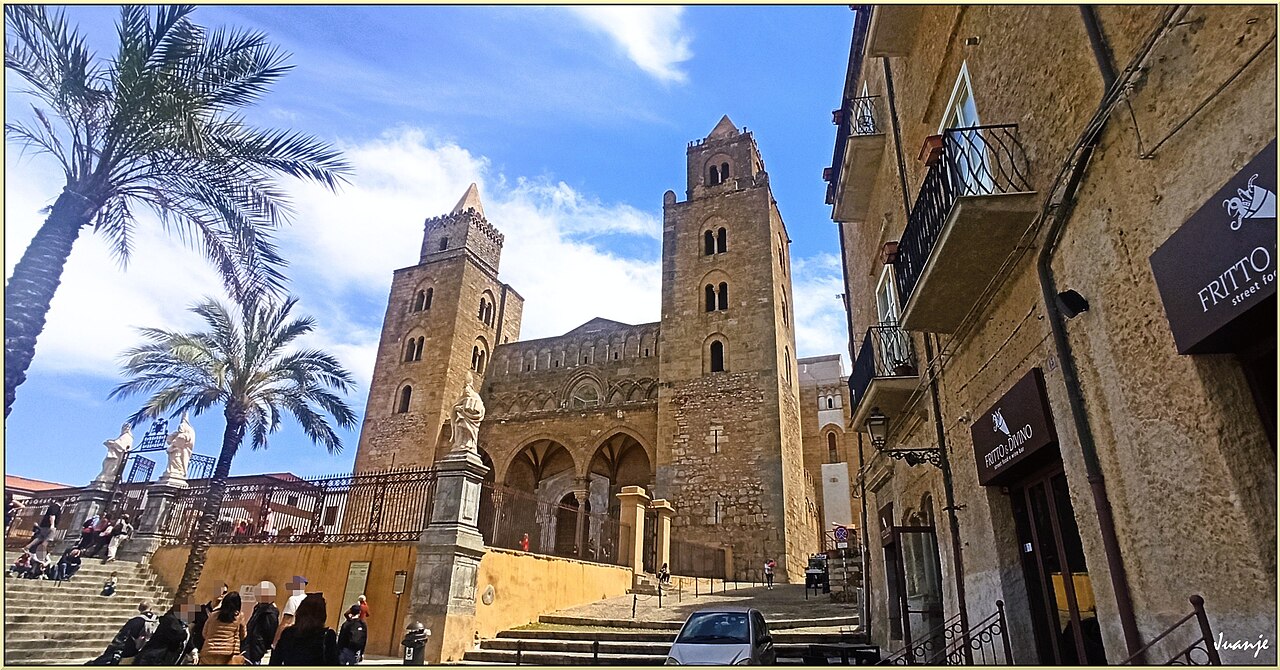
The Arab-Norman Palermo and the Cathedral Churches of Cefalù and Monreale are a series of nine religious and civic structures located on the northern coast of Sicily, dating from the era of the Norman Kingdom of Sicily (1130-1194). They include two palaces, three churches, a cathedral, and a bridge in Palermo, as well as the cathedrals of Cefalù and Monreale. Designated together as a UNESCO World Heritage Site in 2015, these buildings exemplify the Arab-Norman style, which incorporated best practices of Arab and Byzantine architecture into Norman art.
Quick Facts
- Location
- Sicily, Italy
- Includes
- Cefalù Cathedral, Cattedrale di Monreale
- Criteria
- (ii), (iv)(ii), (iv)
- Year
- 2015
- Area
- 6.235 ha
- Buffer Zone
- 483.008 ha
Facts from the source article.
Lore & Background
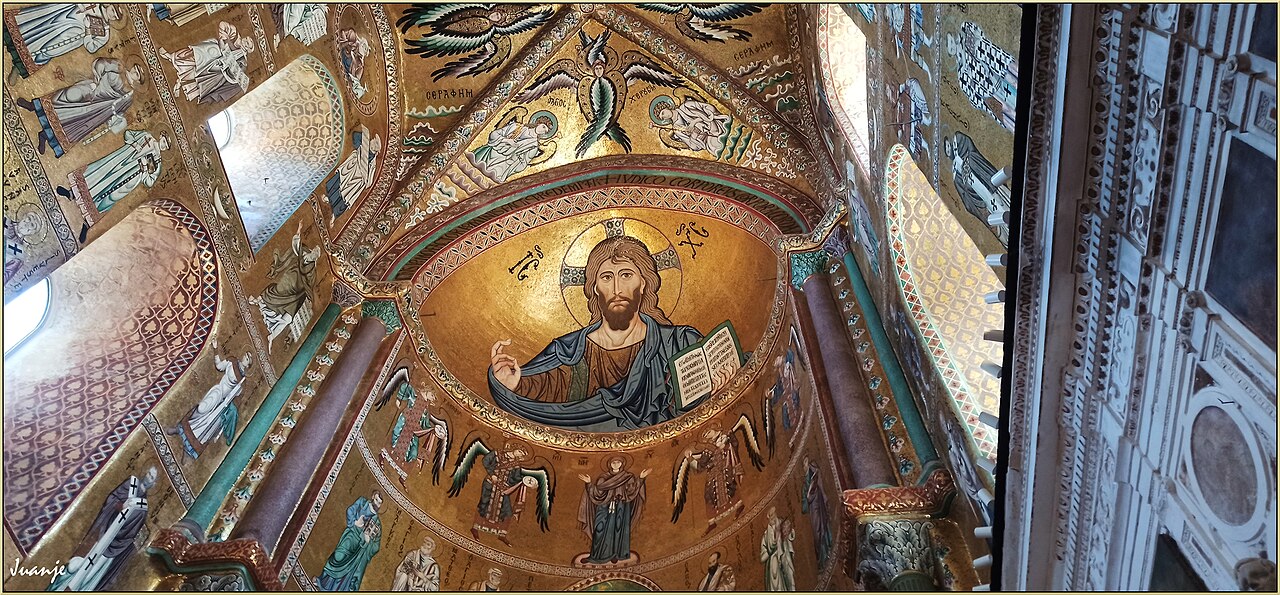
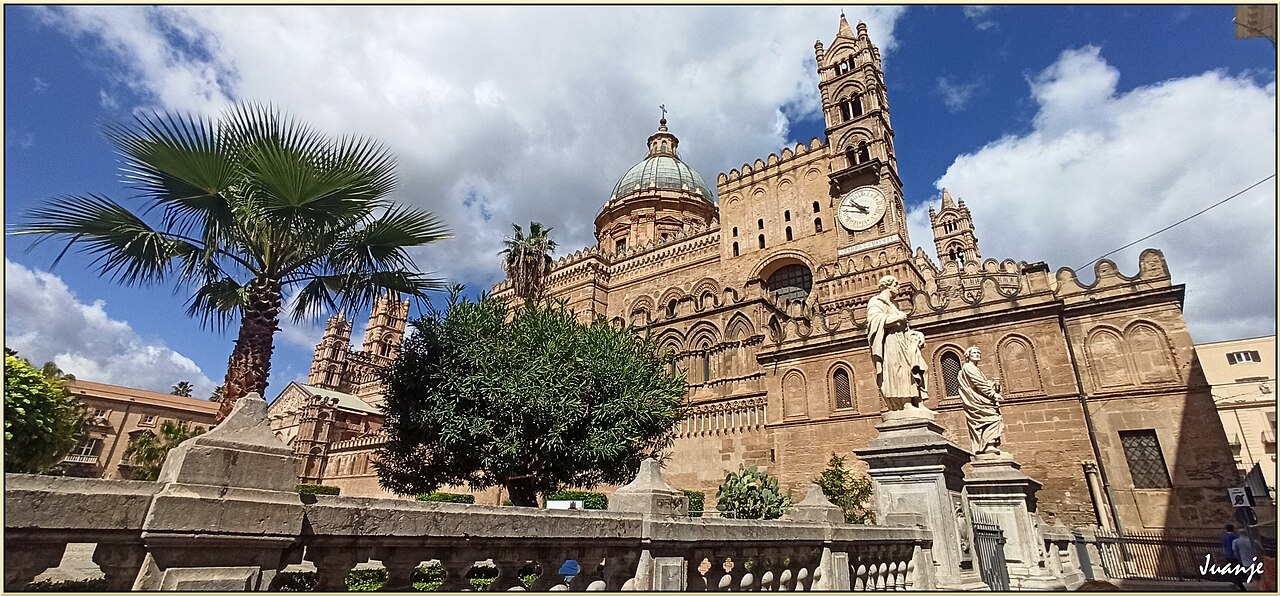
The new Norman rulers built various structures in what has become known as the Arab-Norman style, incorporating the best practices of Arab and Byzantine architecture into their own art. Although a different builder constructed each of the sites, they are linked together because of their shared architecture and time period. The series includes two palaces, three churches, a cathedral, and a bridge in Palermo, as well as the cathedrals of Cefalù and Monreale.
Reader's Guide
The Arab-Norman Palermo and the Cathedral Churches of Cefalù and Monreale represent a unique fusion of Norman, Arab, and Byzantine architectural traditions during the Norman Kingdom of Sicily (1130-1194). Designated as a UNESCO World Heritage Site in 2015, the nine structures—including palaces, churches, cathedrals, and a bridge—are located on the northern coast of Sicily. Their shared Arab-Norman style reflects the incorporation of Arab and Byzantine practices into Norman art, despite each site being built by a different builder. Currently, all buildings are under continuous restoration and care, which varies from site to site but most often consists of topical restoration (cleaning, maintaining murals), research into original appearance and use, and structural restoration for safety. The designation ceremony featured Italian officials, including Palermo Mayor Leoluca Orlando and then Italian president Sergio Mattarella, who unveiled a plaque at the entrance of the Palazzo dei Normanni, which hosts the Sicilian Regional Assembly. President Mattarella highlighted the contributions of the Arabs and Normans to Italian history, and Orlando stated that the sites send a message of coexistence.
Did You Know?
- The series includes nine structures: two palaces, three churches, a cathedral, and a bridge in Palermo, plus the cathedrals of Cefalù and Monreale.
- The sites were designated a UNESCO World Heritage Site in 2015.
- A different builder constructed each of the sites, but they are linked by shared architecture and time period.
- All buildings are under continuous restoration, including topical cleaning, research, and structural work.
The Ensemble and Its World Heritage Recognition
The Arab-Norman Palermo and the Cathedral Churches of Cefalù and Monreale comprise nine religious and civic structures spread across the northern coast of Sicily. Built during the Norman Kingdom of Sicily between 1130 and 1194, the group includes two palaces, three churches, a cathedral, and a bridge in Palermo, alongside the cathedrals at Cefalù and Monreale. In 2015, UNESCO brought these nine sites together under a single World Heritage Site designation, recognizing them as a collective rather than evaluating them individually. This grouping reflects the shared historical period and architectural language that ties them together, even though each was constructed by a different builder. The designation elevated the entire ensemble to international prominence, framing a specific window of Sicilian history as a treasure of global cultural significance.
A Synthesis of Cultures in Stone
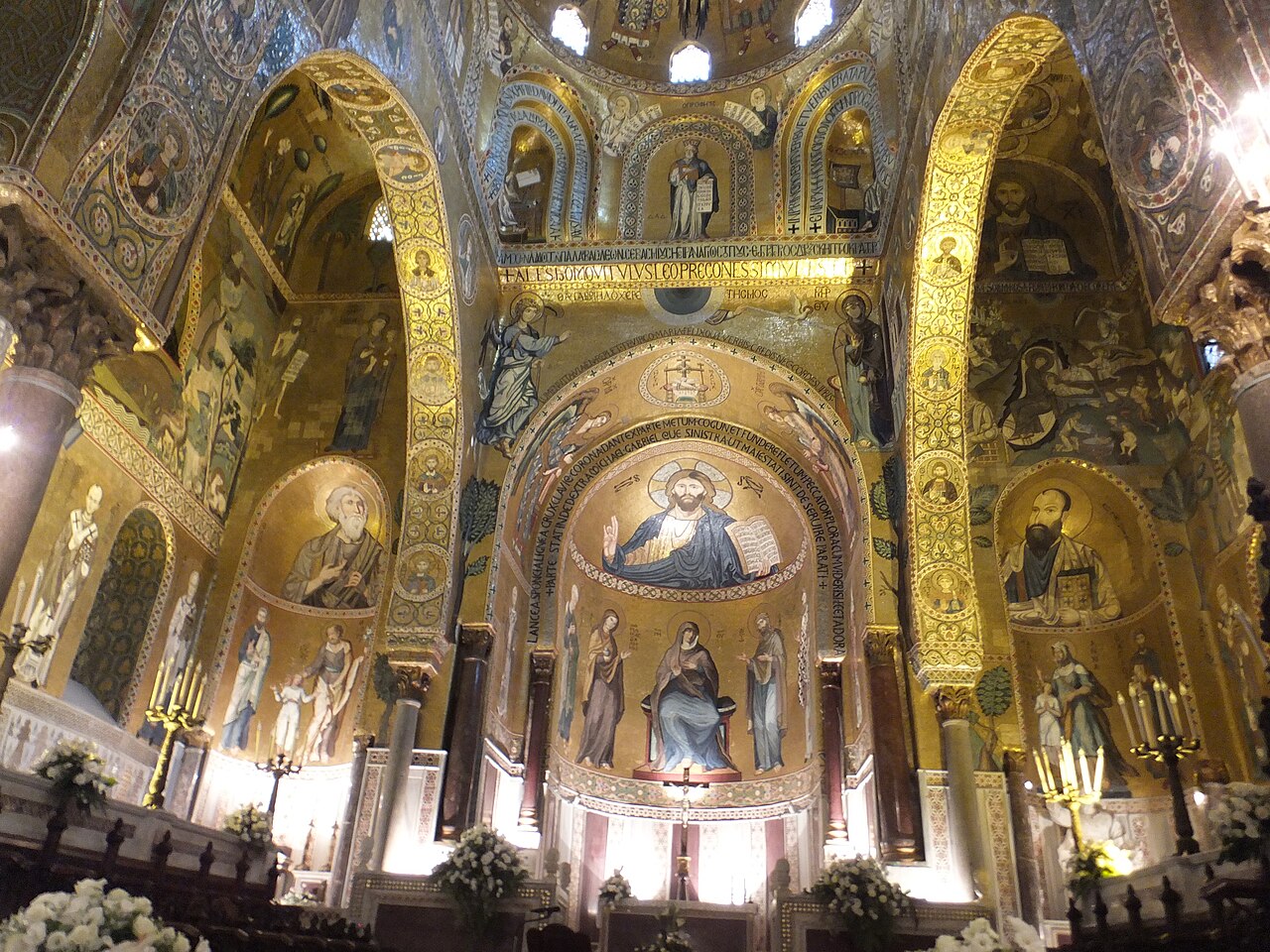
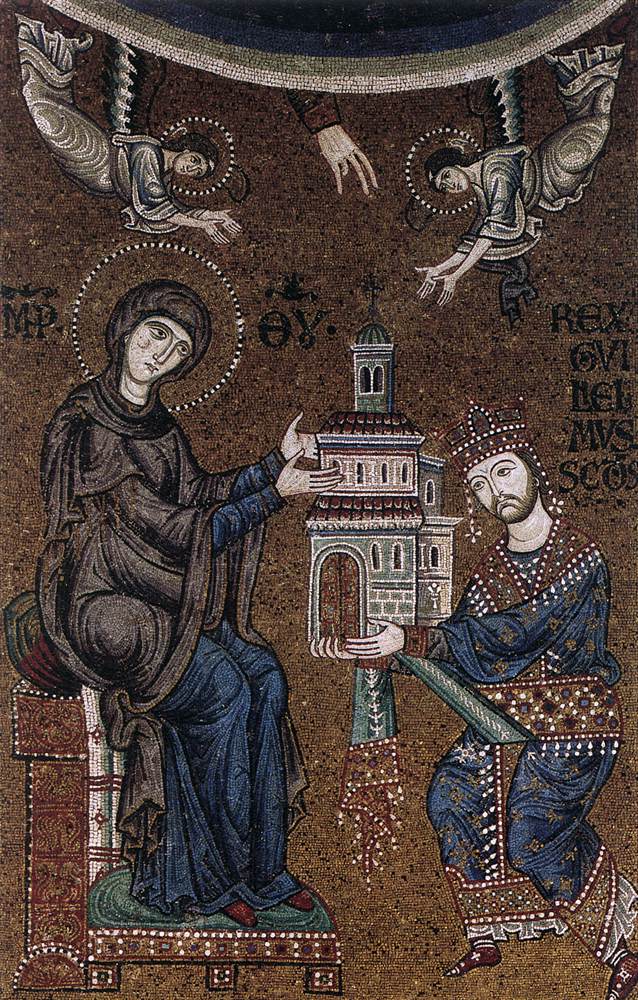
The Norman rulers who took control of Sicily did not simply impose their own architectural traditions. Instead, they drew on the finest practices of Arab and Byzantine architecture, weaving them into their own artistic expression and producing what has since been called the Arab-Norman style. This synthesis is the defining thread that connects all nine structures, even though no single architect or workshop was responsible for the entire group. Each site was raised by a different builder, yet the shared architectural language and time period link them into a coherent family. The result is a body of work in which the best elements of Arab and Byzantine building traditions coexist with Norman creative ambition within the same walls. Rather than representing a single cultural voice, these buildings testify to a period of genuine cross-pollination, where competing traditions were not merely tolerated but actively blended into something new.
The 2015 Ceremony and a Message of Coexistence
The Friday following the UNESCO designation, Italy marked the occasion with a ceremony at the entrance of the Palazzo dei Normanni in Palermo, the building that hosts the Sicilian Regional Assembly. Palermo Mayor Leoluca Orlando and Italian President Sergio Mattarella jointly revealed a plaque, with various Italian officials and public figures in attendance. Mattarella used the moment to highlight the contributions that both the Arabs and the Normans had made to Italian history, framing the ensemble as evidence of a shared heritage rather than the legacy of a single people. Orlando's remarks carried a deliberate forward-looking tone: "we send this message of coexistence." The ceremony thus served a dual purpose—honoring a specific architectural achievement while also projecting, in Orlando's words, a message of coexistence that extends well beyond the stones themselves.
Living Heritage Through Continuous Restoration
None of the nine structures stands as a frozen relic. Every site is subject to ongoing restoration and care, though the specific work required varies from building to building. The most common interventions fall into three categories. Topical restoration addresses the surface level: cleaning, maintaining murals, and attending to the visible fabric of each building. Research work is equally vital, as scholars investigate what each building may have looked like in its original state and what was done there over the centuries, informing how conservators approach areas that have changed or been damaged. Structural restoration ensures that the buildings remain safe and structurally sound, countering the slow effects of time and weather. Together, these layered efforts keep the Arab-Norman ensemble not merely preserved but actively understood, allowing each generation to encounter these structures with both their beauty and their history intact.
Gallery
Frequently Asked Questions
What does the Arab-Norman Palermo World Heritage Site actually include?
It brings together nine religious and civic buildings spread across Palermo, Cefalù, and Monreale on Sicily's northern coast. The collection spans two palaces, three churches, a cathedral, a bridge, and the cathedrals of Cefalù and Monreale.
When was Arab-Norman Palermo inscribed as a UNESCO World Heritage Site?
The site received its UNESCO designation in 2015. It was recognized for showcasing the distinctive Arab-Norman architectural fusion that flourished during the Norman Kingdom of Sicily.
What is the Arab-Norman style and where can it be best seen?
The Arab-Norman style weaves Arab and Byzantine building techniques into Norman artistic traditions. The nine structures in Palermo, Cefalù, and Monreale are the primary surviving examples of that fusion.
What time period do the structures belong to?
All nine buildings date from the Norman Kingdom of Sicily, specifically between 1130 and 1194. They represent the architectural output of that particular political and cultural era on the island.
Where exactly are these sites located?
The structures are concentrated along Sicily's northern coastline, spanning the city of Palermo and the nearby towns of Cefalù and Monreale. Their coastal placement reflects the strategic importance of that stretch of shoreline during the medieval period.
More in World Heritage Sites in Italy 1-24
Spotted an error? Know more?
Reader corrections go straight into our review queue. Suggest an edit · How this site is sourced