
Akragas (metropolis)
Wealthy Greek city-state famed for temples and prosperity.

Sailko · CC BY 3.0
Akragas was an ancient Greek city-state located on Sicily’s southern coast, famous across the classical Mediterranean for its wealth, strength, and grand buildings. Its ruins are preserved in the Valle dei Templi archaeological area, within the modern Italian city of Agrigento. The city was founded around 580 BCE by Greek colonists from Gela, and it quickly rose to become a major center of Magna Graecia, thanks to its rich farmland and favorable position along trade routes. By the 400s BCE, Akragas was a hub of culture and commerce, known for its magnificent temples and prosperity. The Carthaginians conquered and destroyed the city in 406 BCE, but Greek settlers rebuilt it in 338 BCE.
At its peak, Akragas was noted for both its intellectual life and its legendary wealth. The ancient historian Thucydides (or a later paraphrase) famously described its people as living “as if they would die tomorrow, and built as if they would live forever.” The philosopher Empedocles was born there, and rulers such as the tyrant Theron funded massive construction projects that left a lasting architectural mark. Among these were the impressive Doric temples, many of which still stand and rank among the best-preserved examples of Greek architecture outside mainland Greece.
**History**
**Ancient history**
Akragas was founded on a plateau with a view of the sea, near two rivers: the Hypsas and the Acragas, the latter giving the settlement its original name. A ridge, providing some natural defense, connects a northern hill called Colle di Girgenti to an eastern hill called Rupe Atenea. According to Thucydides, the city was founded around 582–580 BCE by Greek colonists from Gela in eastern Sicily, along with additional settlers from Crete and Rhodes. The founders, or oikistai, were Aristonous and Pystilus. It was the last of the major Greek colonies in Sicily to be established.
**Archaic period**
Akragas’s territory grew to cover the area between the Platani and Salso rivers, reaching deep into Sicily’s interior. Greek written sources credit this expansion to military campaigns, but archaeological evidence points to a slow, gradual process that peaked only in the early 400s BCE. Other Greek settlements in Sicily show similar patterns of territorial growth.
Quick Facts
- Location
- Agrigento, Sicily
- Region
- Sicily, italy
- Built
- 580 BCE
- Abandoned
- 406 BCE, Rebuilt: 338 BCE
- Epochs
- Classical Antiquity
- Cultures
- Greek
Facts from the source article.
Lore & Background
Akragas was founded on a plateau overlooking the sea, with two nearby rivers, the Hypsas and the Acragas, after which the settlement was originally named. According to Thucydides, it was founded around 582–580 BCE by Greek colonists from Gela, with further colonists from Crete and Rhodes. The founders were Aristonous and Pystilus. It was the last of the major Greek colonies in Sicily to be founded. The territory under Akragas's control expanded to encompass the region between the Platani and Salso rivers, extending deep into the Sicilian interior. Greek literary sources attribute this growth to military campaigns, but archaeological evidence suggests a gradual, long-term process reaching its height in the early fifth century BCE. Excavations at indigenous Sican sites show cultural interaction and adoption of Greek material culture, though the extent of coercion versus peaceful exchange remains debated. This territorial consolidation provided arable land and a labor force, and secured control over key inland routes, notably the corridor linking Akragas to Himera on the northern coast, a major artery between the Straits of Sicily and the Tyrrhenian Sea. Akragas's dominance over this route was crucial to its economic prosperity, and its wealth became proverbial; according to Plato, the inhabitants 'built as if they would live forever, yet ate as if each day were their last.' Around 570 BCE, the city came under the rule of Phalaris, a semi-legendary tyrant later remembered as cruel and despotic, allegedly executing enemies within a bronze bull. He remained in power until approximately 550 BCE. Around 488 BCE, Akragas came under the rule of Theron of the Emmenid family, who allied with Gelon of Syracuse. Around 483 BCE, Theron captured Himera, prompting a Carthaginian invasion in 480 BCE that culminated in the Greek victory at the Battle of Himera. This victory secured Akragas's dominance over a vast area of central Sicily and spurred an extraordinary phase of monumental construction, including the Temple of Olympian Zeus and the Kolymbethra reservoir. Theron's son Thrasydaeus ruled harshly after 472 BCE but was expelled by Hiero I of Syracuse, after which Akragas adopted a democratic constitution, though power remained with a wealthy civic aristocracy.
Reader's Guide
Akragas stands as a prime example of the prosperity and cultural achievement of Greek Sicily during the classical period. Its wealth, derived from fertile lands and strategic trade routes, enabled an ambitious building program that produced some of the largest and best-preserved Doric temples outside mainland Greece, many still standing in the Valle dei Templi. The city's intellectual life is exemplified by the philosopher Empedocles, its most famous native son. The conflict with Carthage, culminating in the Battle of Himera, highlights the geopolitical struggles of the Greek colonies in the central Mediterranean. The city's destruction in 406 BCE and subsequent rebuilding illustrate the volatility of ancient power. Its legacy endures in the archaeological remains that draw modern visitors and scholars, offering insight into Greek urbanism, religion, and art. The proverbial description attributed to Plato—that its people 'built as if they would live forever, yet ate as if each day were their last'—captures the blend of ambition and hedonism that defined Akragas at its height.
Did You Know?
- The city was the birthplace of the philosopher Empedocles.
- According to ancient sources, the tyrant Phalaris allegedly executed enemies within a bronze bull.
- The Temple of Olympian Zeus in Akragas was one of the largest temples ever conceived in the Greek world.
A Colony Carved from the Plateau
Around 580 BCE, a wave of Greek settlers from Gela in eastern Sicily established a new community on a high plateau that commanded sweeping views of the sea below. Thucydides places the founding between 582 and 580 BC, and the sources name two leaders, Aristonous and Pystilus, as the oikistai who directed the colonization effort. Additional colonists joined from Crete and Rhodes, making this the final major Greek colony to be planted on Sicilian soil. The settlement took its name from two rivers that wound nearby, the Hypsas and the Acragas, and its defensive potential was considerable. A natural ridge stitched together the hill to the north, known as Colle di Girgenti, and a second elevation to the east called Rupe Atenea, creating a ridge-line that offered a degree of natural fortification against attackers. This combination of fertile surrounding land, strategic coastal position, and built-in topographic protection set the stage for a city that would soon rival the great powers of the classical Mediterranean.
Empire of the Interior
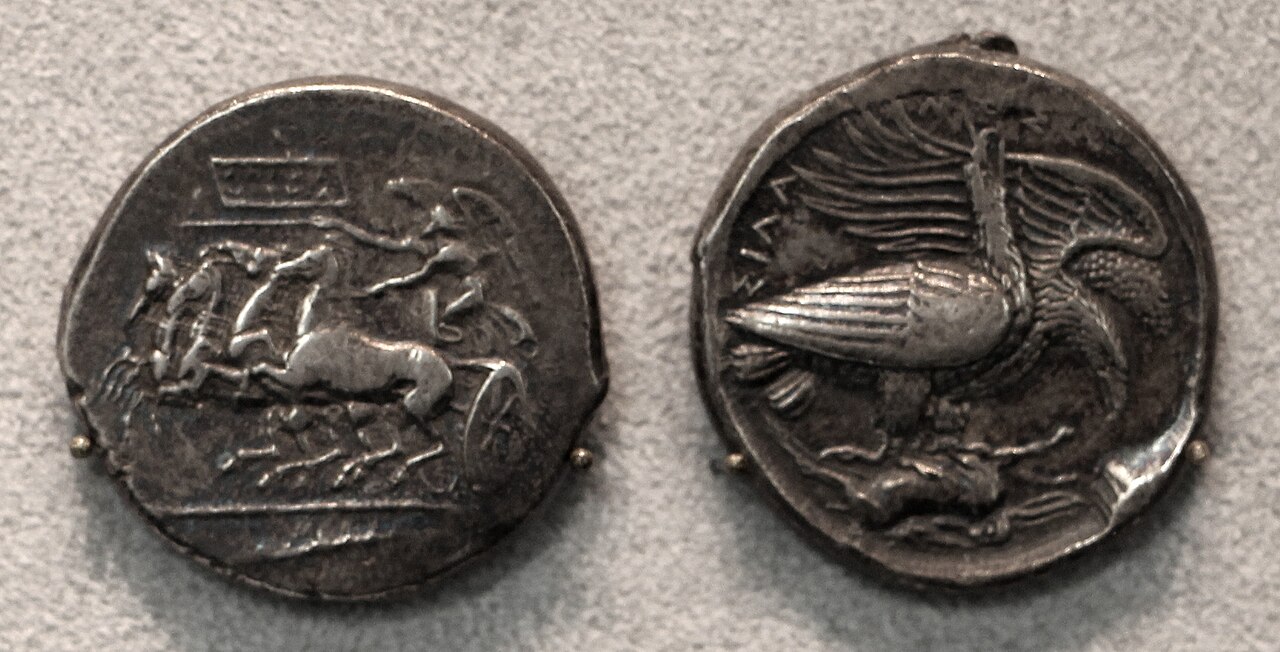
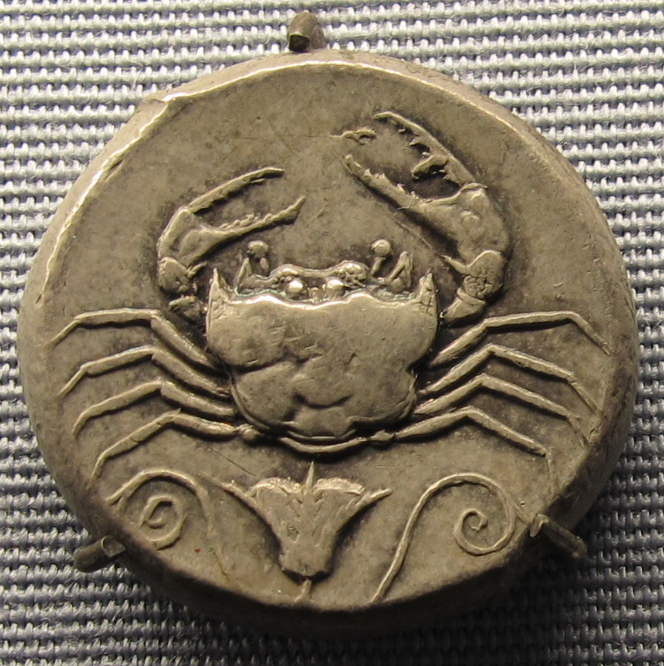
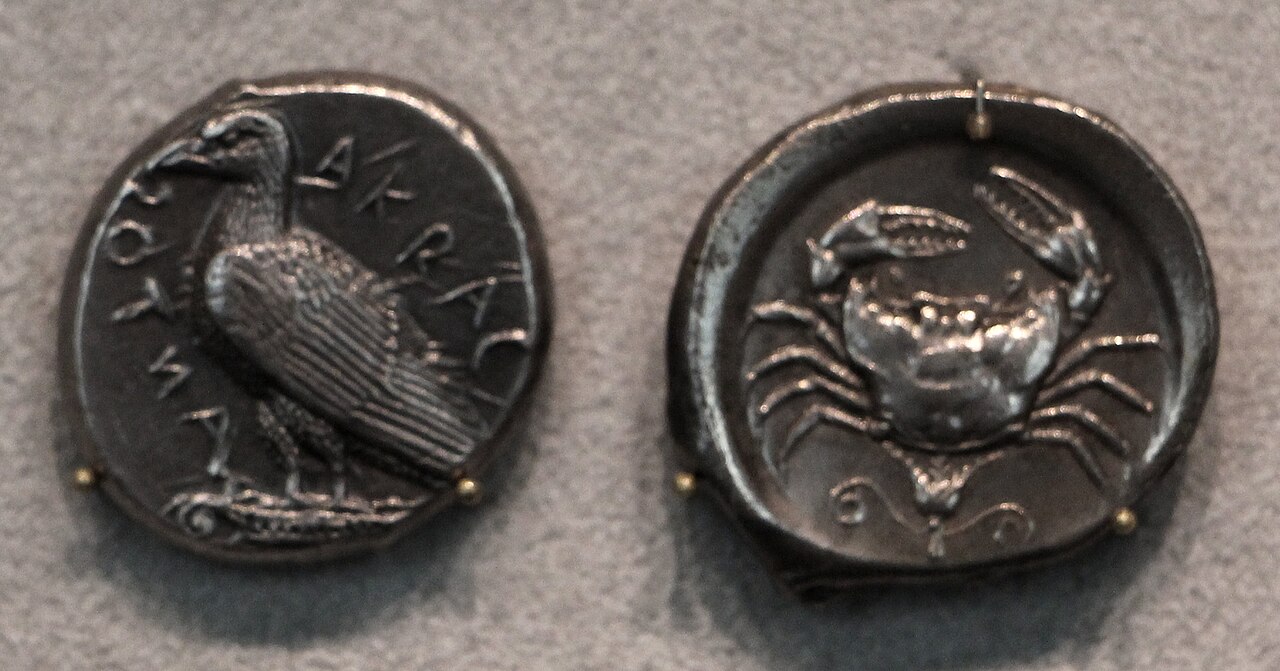
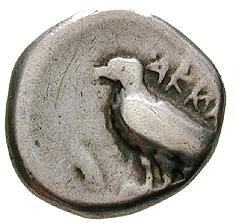
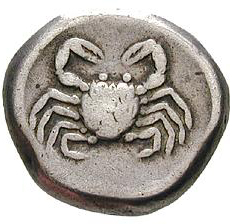
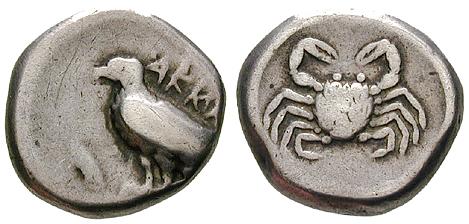
The territory under Akragas's authority stretched from the Platani River in the west to the Salso in the east, reaching far into the Sicilian heartland. Ancient literary accounts credit this growth to a string of military campaigns, yet archaeological work at indigenous Sican sites such as Monte Sabbucina, Gibil Gabib, Vassallaggi, Sant'Angelo Muxaro, and Mussomeli paints a more nuanced picture of gradual, long-term cultural interaction, with indigenous communities adopting Greek material practices over generations. Scholars continue to debate how much of this consolidation rested on coercion versus peaceful acculturation. What is clear is the practical payoff: the expanded domain supplied arable land for Greek settlers, a labor force that likely included subjugated native populations, and—most critically—command of the overland corridor linking Akragas to Himera on the northern coast. That corridor formed a major trade artery between the Straits of Sicily and the Tyrrhenian Sea, and its control underpinned the city's legendary affluence. Akragas was among the first Sicilian polities to strike its own coinage, beginning around 520 BCE, a tangible marker of its economic confidence.
Tyrants, Alliances, and the Carthaginian War
The political life of Akragas was shaped by a succession of strongmen. Around 570 BCE, Phalaris took power and became the archetype of the cruel tyrant in the Greek imagination, remembered for the legendary bronze bull in which he supposedly roasted his enemies. His rule lasted until roughly 550 BCE, after which the historical record grows thin, preserving only the names Alcamenes and Alcander. The city's fortunes turned again around 488 BCE, when Theron of the Emmenid family seized the tyranny and forged a strategic alliance with Gelon, the powerful ruler of Gela and later Syracuse. In 483 BCE Theron marched against Himera on the northern coast and deposed its ruler Terillus. The displaced Terillus appealed to his son-in-law Anaxilas of Rhegium and to Selinus, and together they called on Carthage for aid. The result was a massive Carthaginian invasion of Sicily in 480 BCE. At the Battle of Himera, the combined armies of Theron and Gelon crushed the Punic force, securing Akragantine control over an estimated 3,500 square kilometers of central Sicily.
Temples That Outlived the City
At its zenith, Akragas was celebrated across the ancient world for both its intellectual vitality and its staggering material wealth. Plato captured the spirit of the place with the observation that its people feasted as though each day were their last while constructing as though they would endure forever. The city gave birth to the philosopher Empedocles, and its rulers, Theron chief among them, poured enormous resources into monumental building programs. The sacred precinct that survives today as the Valle dei Templi in modern Agrigento contains a cluster of Doric temples that remain among the best-preserved examples of Greek architecture found outside the mainland. Among the most ambitious of these projects was the Temple of Olympian Zeus, conceived on a scale that ranked it among the largest temples ever planned in the Greek world. Yet the city's glory was not permanent. In 406 BCE the Carthaginians conquered and destroyed Akragas, and it was not until 338 BCE that Greek settlers rebuilt the settlement. The ruins that endure on the plateau today are a testament to a civilization that chose permanence in stone even as its political life proved fragile.
Gallery
Frequently Asked Questions
What is Akragas (metropolis)?
Akragas was a prosperous ancient Greek city-state on Sicily's southern coast, established around 580 BCE by colonists from Gela. Its ruins are preserved in the Valle dei Templi archaeological area within modern Agrigento, Italy.
What made Akragas (metropolis) famous in the ancient world?
During its 5th-century peak, the city was renowned for its monumental Doric temples, vast wealth, and role as a leading cultural center of Magna Graecia. It was also the birthplace of the philosopher Empedocles.
How does the story of Akragas (metropolis) end?
In 406 BCE, Carthaginian forces conquered and destroyed the city, bringing its first great era to a close. Greek settlers later rebuilt the site in 338 BCE, but it never regained the splendor of its classical heyday.
Why is Akragas (metropolis) important to world heritage?
The site stands as one of the finest surviving examples of Greek colonial architecture, with its temple complex representing the high point of Magna Graecia's artistic and urban achievement. It offers a rare, largely intact glimpse into the built environment of a wealthy 5th-century Greek polis.
Who founded Akragas (metropolis) and what gave it its early advantage?
Greek colonists from Gela laid the city's foundations around 580 BCE, soon joined by settlers from Crete and Rhodes. Its rich agricultural land and favorable position on southern trade routes allowed it to grow rapidly into a dominant regional power.
More in World Heritage Sites in Italy 1-24
Spotted an error? Know more?
Reader corrections go straight into our review queue. Suggest an edit · How this site is sourced