
Amalfi Coast
UNESCO-listed coastline on the Tyrrhenian Sea in southern Italy.

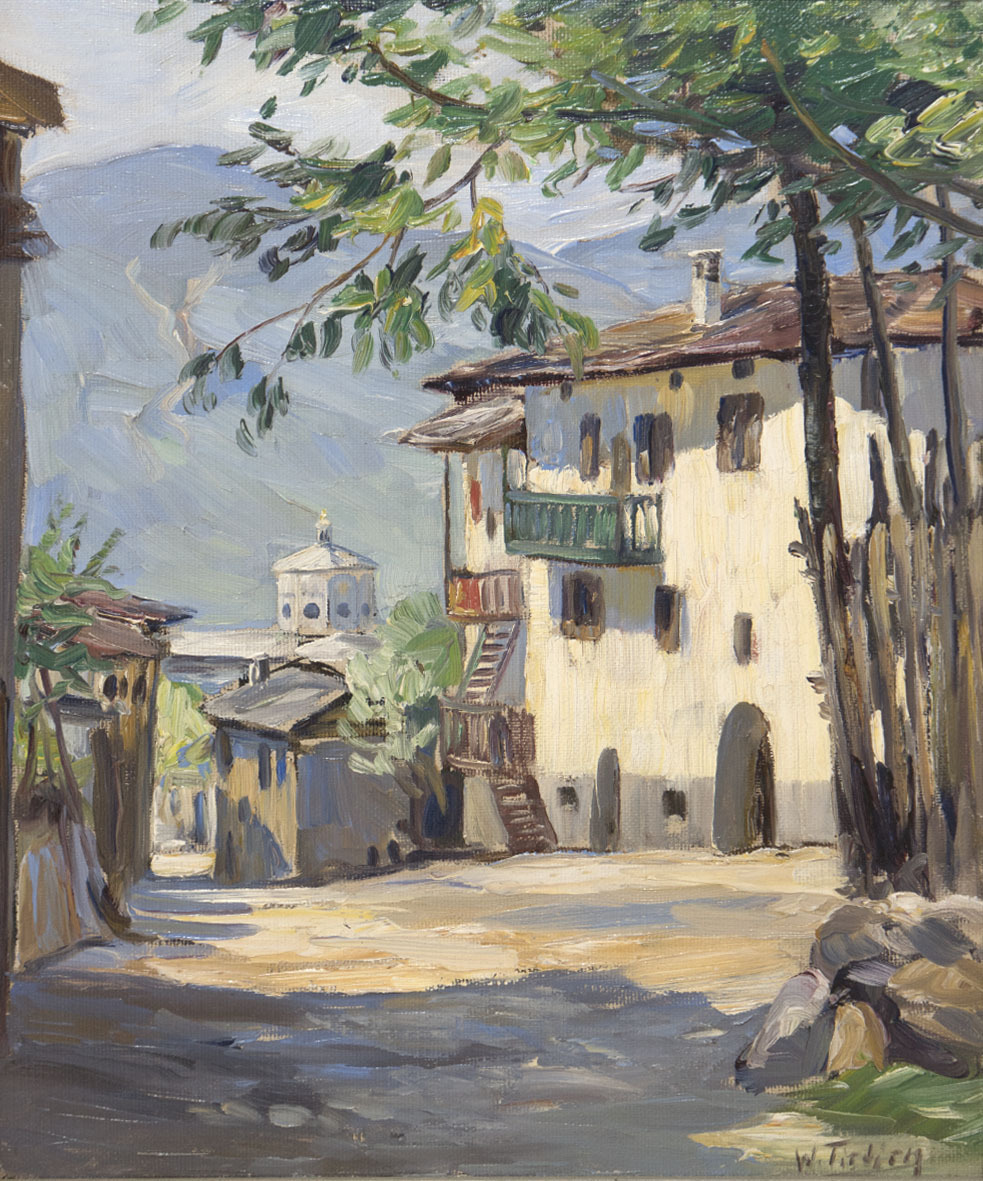
Willy Tiedjen · Public domain
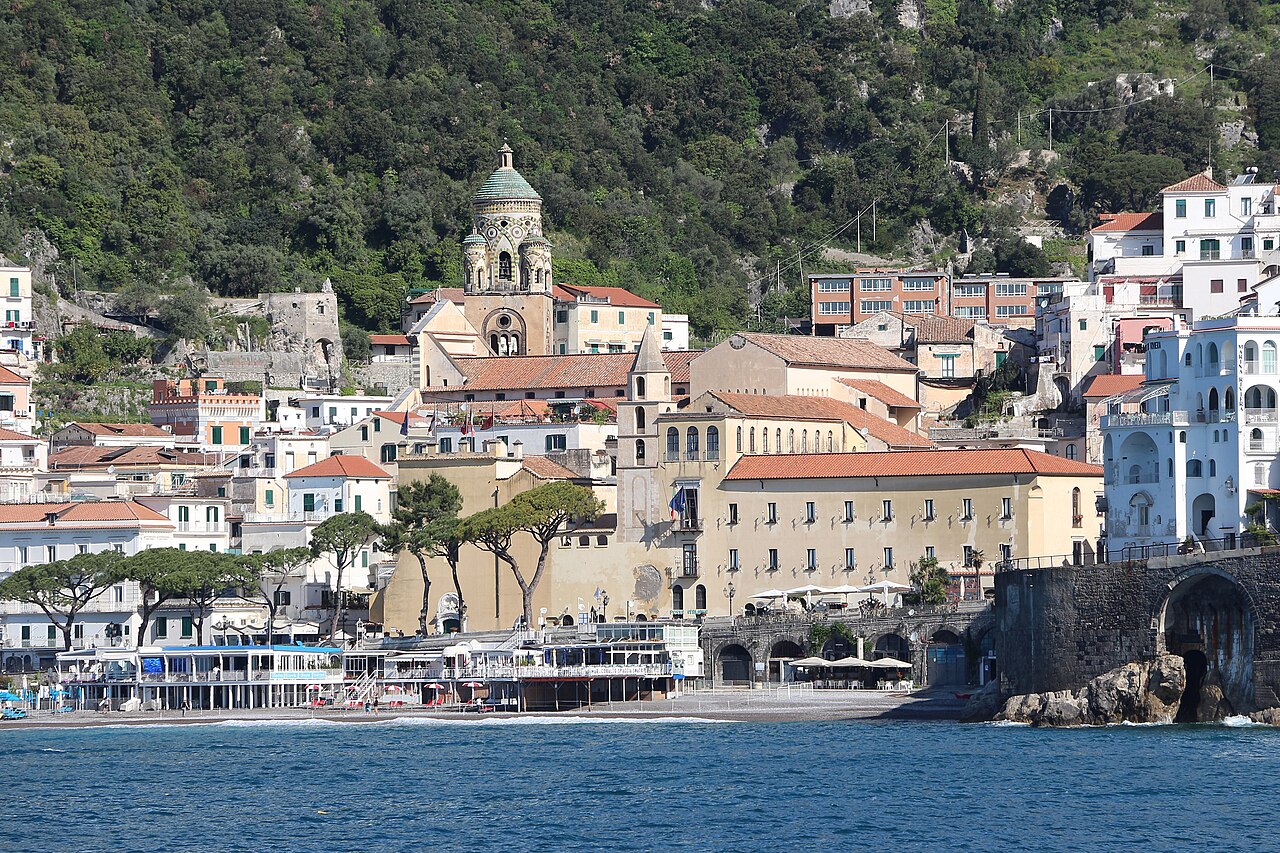
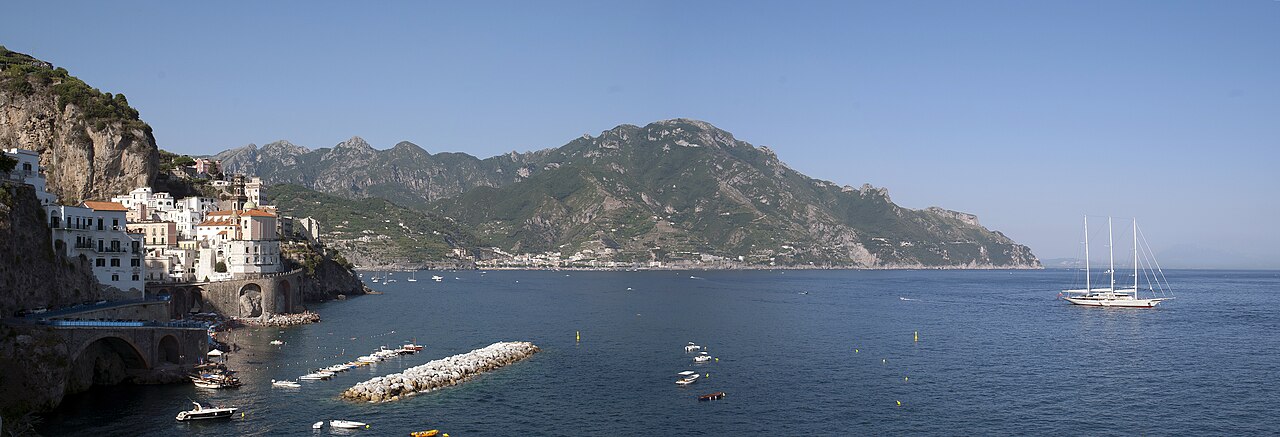
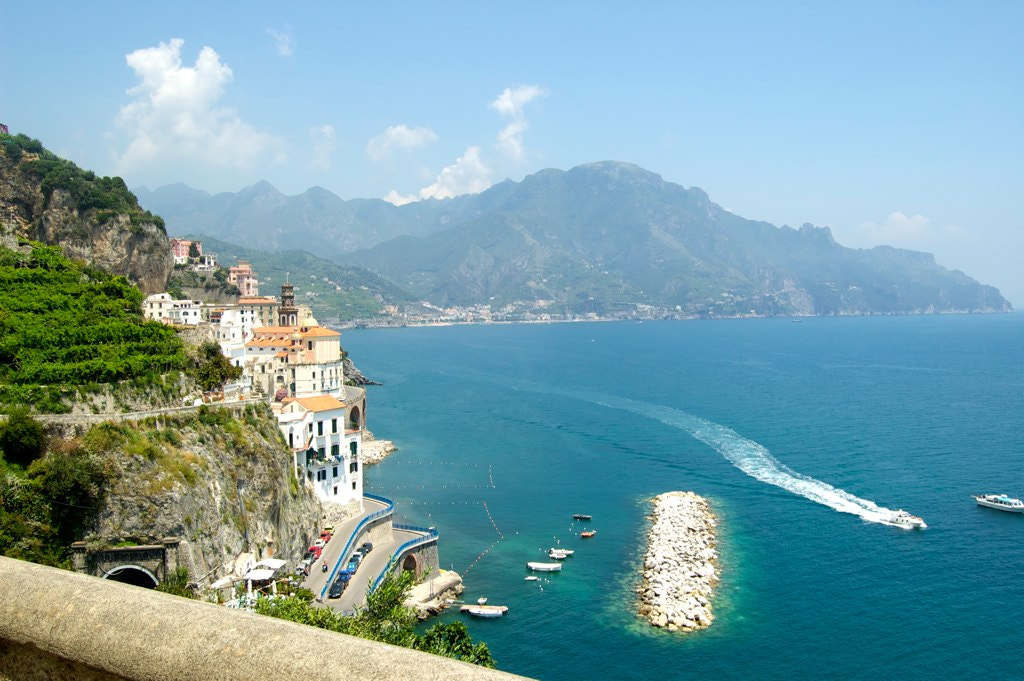
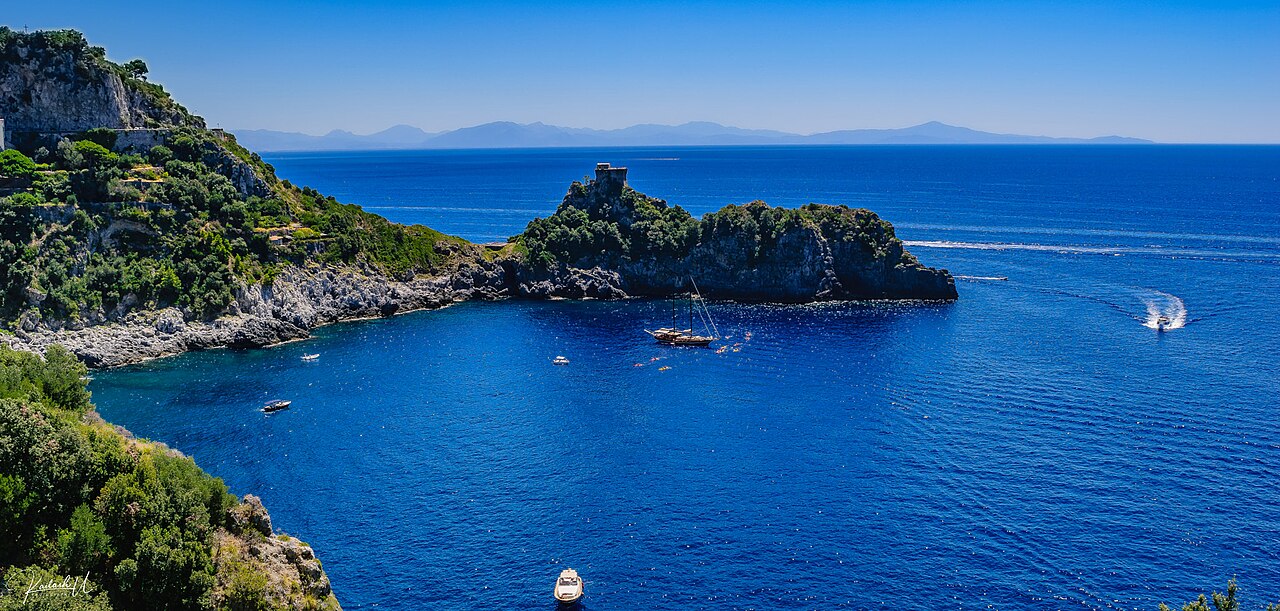
The Amalfi Coast (Italian: Costiera amalfitana or Costa d'Amalfi) is a stretch of coastline overlooking the Tyrrhenian Sea and the Gulf of Salerno, located in the Province of Salerno, Campania, southern Italy. It is named after the town of Amalfi, historically its main geographical and political hub, and has been a UNESCO World Heritage Site since 1997.
Quick Facts
- Official Name
- Costiera Amalfitana
- Location
- Campania, Italy
- Criteria
- (ii), (iv), (v)(ii), (iv), (v)
- Year
- 1997
- Area
- 11231 ha
Facts from the source article.
Lore & Background
During the 10th–11th centuries, the Duchy of Amalfi existed on the territory of the Amalfi Coast, centred in Amalfi. The coast was later controlled by the Principality of Salerno until Amalfi was sacked by the Republic of Pisa in 1137. The only land route is the 40 km Amalfi Drive (Strada Statale 163), running from Vietri sul Mare in the east to Positano in the west.
Reader's Guide
The Amalfi Coast is one of Italy's most popular seaside destinations, known for its natural beauty and picturesque landscapes. Its economy features production of limoncello liqueur from sfusato amalfitano lemons, concerto liqueur from Tramonti, handmade bambagina paper, anchovies from Cetara, and ceramics from Vietri. Buses, ferries, and boat excursions serve the coast; the nearest airport is Salerno Costa d'Amalfi, while Naples International Airport is the main international gateway. The coast appears in works by John Webster, M. C. Escher, Spike Milligan, Federico Fellini, and in films such as Wonder Woman and War 2, as well as in video games Forza Motorsport 3, Forza Motorsport 4, Gran Turismo 4, and Hitman.
Did You Know?
- Limoncello liqueur is made from sfusato amalfitano lemons grown in terraced gardens.
- The coast was used to depict the Amazon island of Themyscira in the 2017 film Wonder Woman. (This is incorrect; Themyscira was primarily filmed on the coast of Basilicata, not the Amalfi Coast.)
A Maritime Power's Rise and Fall
The Amalfi Coast derives its name from the town of Amalfi, which for centuries served as the region's principal geographical and political centre. During the tenth and eleventh centuries, the territory was home to the Duchy of Amalfi, a maritime entity centred on that very town. After the duchy's era, the coast fell under the control of the Principality of Salerno, a period that lasted until 1137, when the Republic of Pisa sacked Amalfi in a devastating blow that reshaped the region's political landscape. Despite these upheavals, the coastline endured as a distinctive cultural and geographical entity. Today, the entire stretch is recognised as a UNESCO World Heritage Site, a designation it received in 1997. This international recognition cements the coast's status as one of Italy's most celebrated seaside destinations, preserving a landscape whose identity was forged by centuries of maritime ambition, territorial contestation, and eventual transformation into a destination defined by its natural beauty rather than its political power.
A Landscape Shaped by Constraint
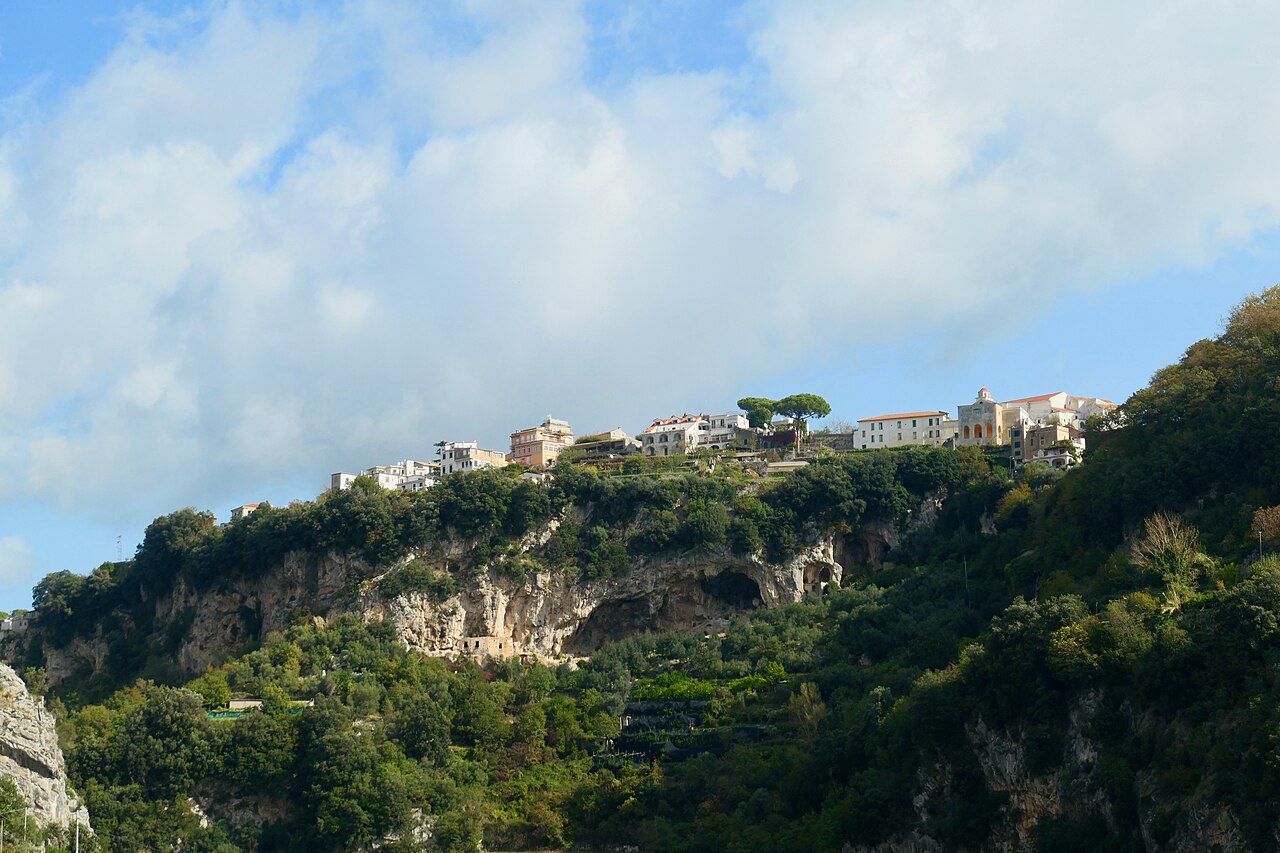
The Amalfi Coast occupies a narrow strip of land on the steep southern shore of the Sorrentine Peninsula, overlooking both the Tyrrhenian Sea and the Gulf of Salerno. Situated in the Province of Salerno within Campania, it lies south of the Sorrentine Peninsula and north of the Cilentan Coast. The terrain is unforgiving: the steep topography leaves very little room for rural settlement or agricultural expansion, a constraint that has shaped the region's character for generations. Access by land is limited to a single route, the 40-kilometre Amalfi Drive (Strada Statale 163), which winds along the coastline between Vietri sul Mare in the east and Positano in the west. Thirteen municipalities dot this narrow ribbon of land, many of them oriented heavily toward tourism. The climate is Mediterranean, with warm summers and mild winters, a combination that has made the coast a perennial draw for visitors seeking sun-drenched cliffside villages perched above the sea.
Craft, Cuisine, and the Flavour of Place
The Amalfi Coast's economy is deeply rooted in local production and artisanal tradition. Perhaps its most famous export is limoncello, a liqueur crafted between February and October from the sfusato amalfitano lemon, cultivated in terraced gardens that cling to the coastline. Another distinctive spirit is concerto, a dark rosolio with spicy herbal notes typically produced in Tramonti, its name derived from the blend of herbs that compose it. Amalfi itself is renowned for bambagina, a hand-made thick paper that symbolises Italy's traditional papermaking technique and was historically used for private correspondence, legal documents, and revenue stamps. The coast also yields a particular variety of anchovy known locally as alici, harvested in Cetara, while Vietri is celebrated for its colourful handmade ceramics. Together, these products form a sensory identity that is inseparable from the landscape that produces them.
The Divine Coast in Art and Imagination
The Amalfi Coast's natural beauty has earned it the nickname "Divine Coast" (Divina costiera) and made it a magnet for the world's jet set. Its cultural footprint extends far beyond tourism. The rulers of Amalfi serve as central figures in John Webster's Jacobean tragedy The Duchess of Malfi. The Dutch artist M. C. Escher produced several artworks depicting the coastline, while Spike Milligan recounted his time in Amalfi during military leave in his war memoirs. In cinema, the coast appeared in Federico Fellini's 1972 film Roma and was depicted as the Amazon island of Themyscira in the 2017 superhero film Wonder Woman. It also featured in the 2025 Hindi film War 2. In gaming, the coast serves as the setting for fictional racetracks in Forza Motorsport 3, Forza Motorsport 4, and Gran Turismo 4, and hosts the fictional town of Sapienza in Hitman. Positano, in particular, has inspired John Steinbeck's 1953 short story and appeared in Under the Tuscan Sun, Christopher Nolan's Tenet, and Kath & Kimderella.
Gallery
Frequently Asked Questions
Where exactly is the Amalfi Coast and what defines its geography?
It runs along the Tyrrhenian Sea and the Gulf of Salerno in the Province of Salerno, Campania, in southern Italy. The name comes from the old town of Amalfi, which long served as the region's political and geographic heart.
When did the Amalfi Coast earn its UNESCO World Heritage designation?
It was inscribed on the World Heritage List in 1997. UNESCO recognized the site for the way centuries of human settlement have sculpted a dramatic cliffside landscape between the sea and the mountains.
How long is the famous Amalfi Drive that fans drive along?
The coastal road stretches roughly 40 kilometers (about 25 miles) hugging the steep cliffs. It links the 13 municipalities that fall under the World Heritage site, from Vietri sul Mare in the west to Tramonti in the east.
Which towns are included in the Amalfi Coast World Heritage Site?
Thirteen municipalities are listed, with Positano, Amalfi, and Vietri sul Mare being the most internationally known. Smaller but equally protected communities like Cetara and Tramonti round out the group.
What kind of climate does the Amalfi Coast enjoy, and how does that shape daily life there?
It sits in a classic Mediterranean zone with hot, dry summers and mild, wetter winters. That climate has long supported citrus orchards on the terraced hillsides and keeps the coastline a popular year-round destination.
More in World Heritage Sites in Italy 1-24
Spotted an error? Know more?
Reader corrections go straight into our review queue. Suggest an edit · How this site is sourced