US National Parks
22 entries in the US National Parks compendium.
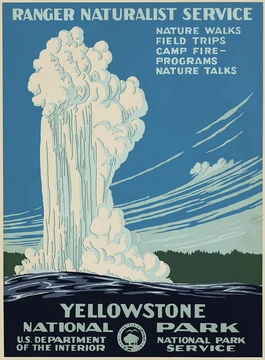
YellowstoneFirst national park in the world, established in 1872.YosemiteInternationally recognized for its granite cliffs, waterfalls, and giant sequoia groves.Grand CanyonA mile-deep canyon carved by the Colorado River, revealing nearly two billion years of Earth's history.ZionA biblical placename for Jerusalem and the Land of Israel, rooted in ancient history and Jewish tradition.GlacierA persistent body of natural ice that moves under its own weight.Great Smoky MountainsMost visited U.S. national park, straddling North Carolina and Tennessee.Rocky MountainHigh-altitude park with the Continental Divide running through its center.AcadiaHistorical colony of New France in northeastern North AmericaArchesNational park in eastern Utah with more than 2,000 natural sandstone arches.Bryce CanyonA collection of giant natural amphitheaters and colorful hoodoos in southwestern Utah.Grand TetonTallest peak in the Teton Range, rising above Jackson Hole.OlympicA large wilderness park preserving primeval forest and rugged coast.SequoiaPark protecting giant sequoias and the highest point in the contiguous US.Death ValleyHottest, driest, lowest national park in the United States.DenaliThe highest peak in North America, Denali stands as a monument of natural grandeur and cultural history.EvergladesA vast, slow-moving river of grass in southern Florida, shaped by water, fire, and human ambition.Joshua TreeA US National Park protecting two desert ecosystems.Crater LakeThe deepest lake in the United States, known for its deep blue color and water clarity.BadlandsEroded terrain of steep slopes, sparse vegetation, and high drainage density.RedwoodHome of the tallest trees on Earth.ShenandoahShenandoah: far more than a national park.Big BendA major river meander and the name of a Texas national park.
Browse US National Parks in the interactive codex →
Frequently asked questions about US National Parks · How this site is sourced