Betel nut chewing
A stimulant practice with ancient roots and modern health concerns.
Last updated

Jakub Hałun · CC BY-SA 4.0
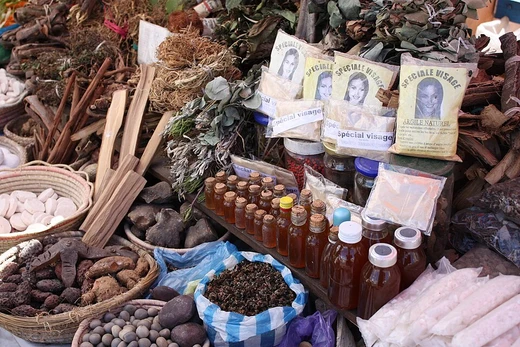
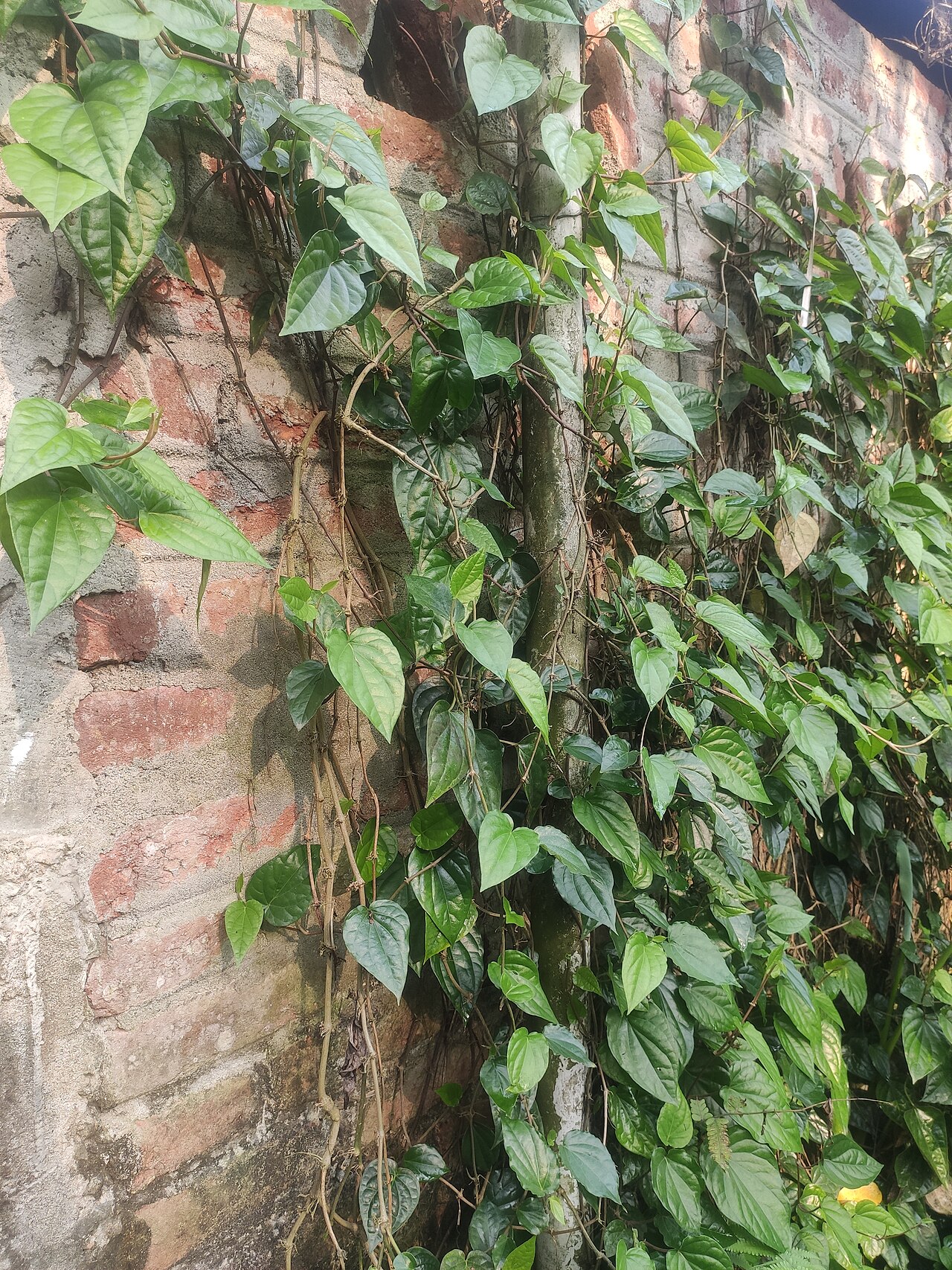
Betel nut chewing, also referred to as betel quid or areca nut chewing, involves chewing areca nuts with slaked lime and betel leaves to produce stimulant and narcotic effects, driven by the psychoactive compound arecoline. This habit is common across Southeast Asia, Micronesia, Island Melanesia, and South Asia, and also occurs among Han Chinese immigrants and indigenous groups in Taiwan, Madagascar, and parts of southern China. It reached the Caribbean during colonial times.

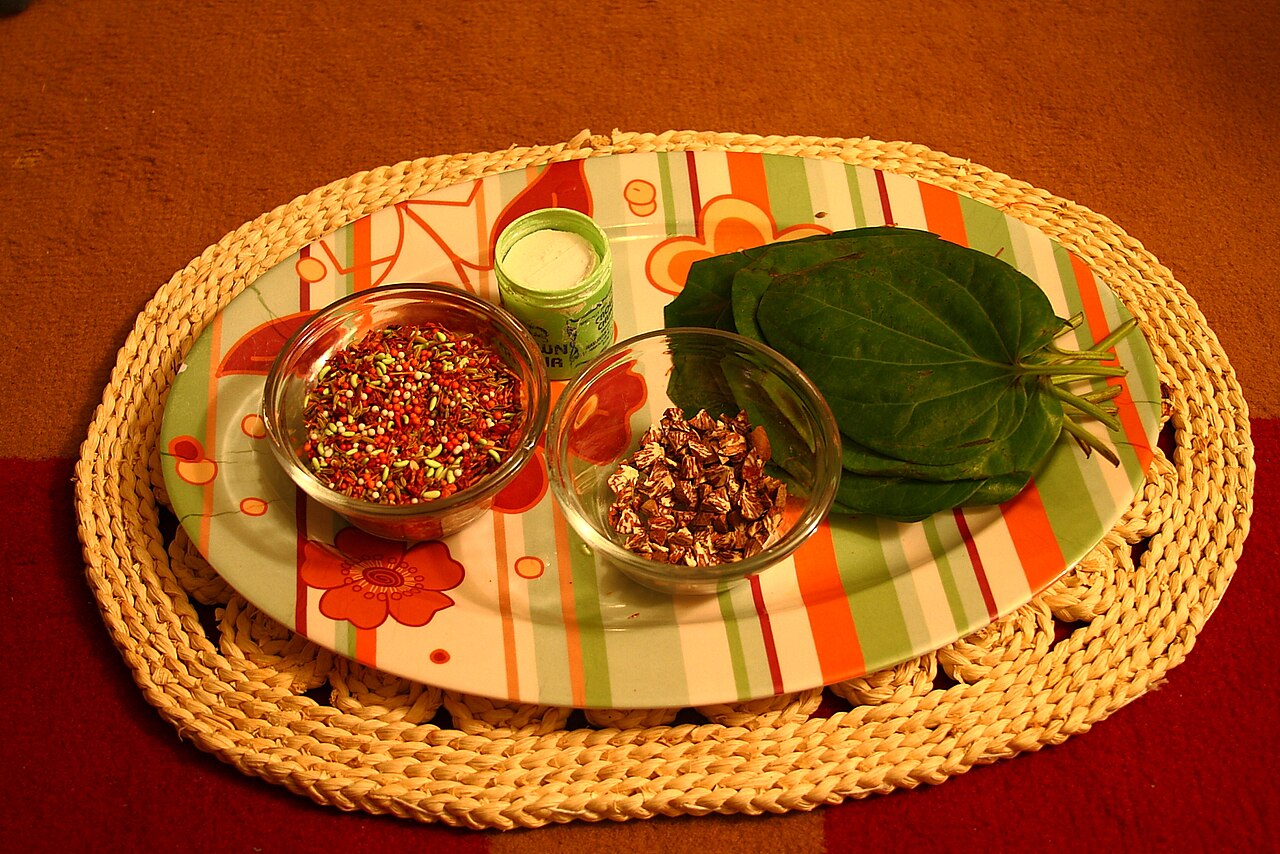
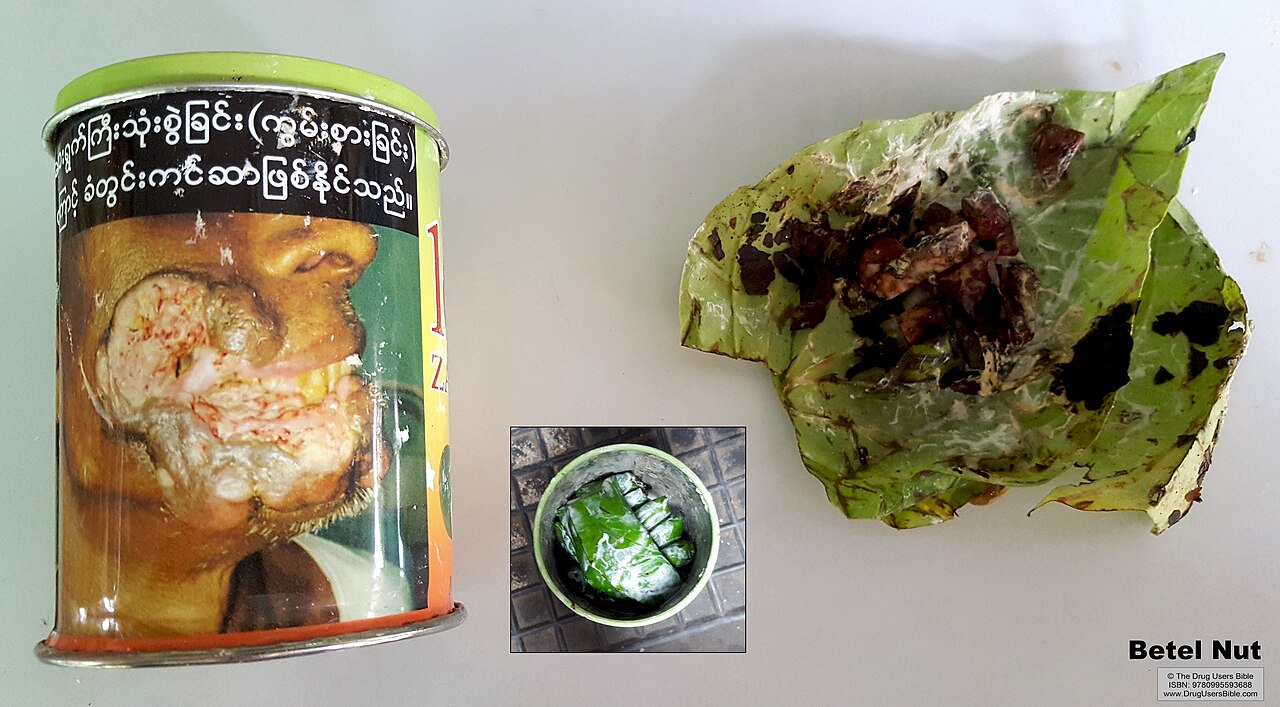
The mixture of areca nut, slaked lime, and betel leaves is called a betel quid, or paan in South Asia, though its makeup changes by region. Additional ingredients like coconut, dates, sugar, menthol, saffron, cloves, aniseed, or cardamom may be added for flavor and breath freshening. Sometimes tobacco replaces the areca nut or is chewed alongside it, and the betel leaves can be omitted.
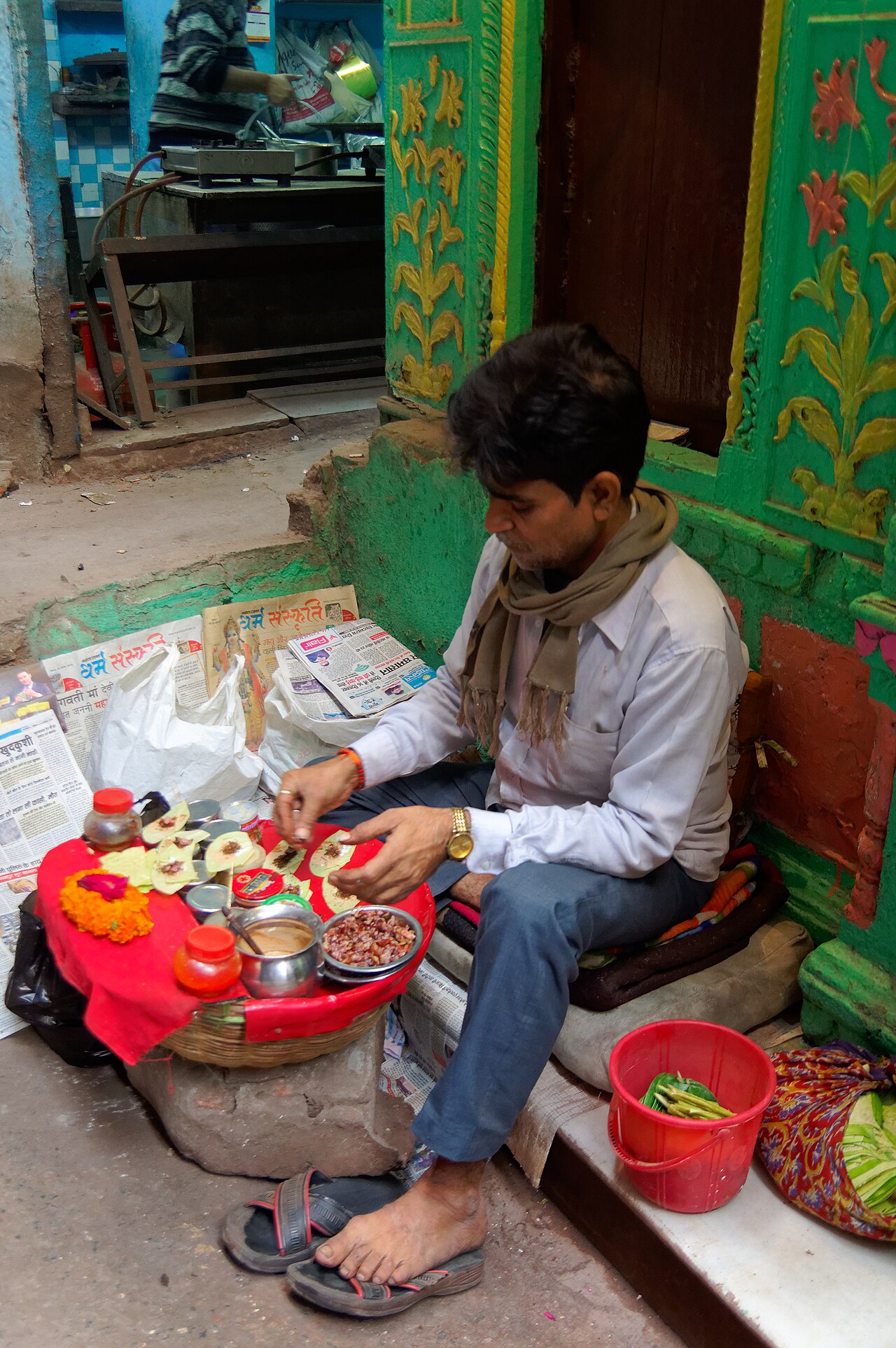
In West Papua, the stem and inflorescence of the betel plant are used instead of the leaf. The chewed mixture is not swallowed but spat out. Prolonged use leaves permanent red stains on teeth, and the red-stained spit is often seen as unhygienic and unsightly in public spaces in some countries.
Health effects
Betel nut chewing is addictive and leads to serious health problems, including oral and esophageal cancers and cardiovascular disease. When tobacco is added, as in gutka, the risk rises further, especially for oral and oropharyngeal cancers. With tobacco, it also increases the chance of fatal coronary artery disease, fatal stroke, and adverse reproductive outcomes like stillbirth, premature birth, and low birth weight.
History
The practice originated in Southeast Asia, where the plant ingredients are native. The oldest known evidence comes from a burial pit in the Duyong Cave site in the Philippines, dating to around 4,630±250 BP, an area where areca palms naturally grow. Its spread is closely linked to the Neolithic expansion of Austronesian peoples.
It reached Micronesia by 3,500 to 3,000 BP, Near Oceania by 3,400 to 3,000 BP, South India and Sri Lanka by 3,500 BP, Mainland Southeast Asia by 3,000 to 2,500 BP, Northern India by 1,500 BP, and Madagascar by 600 BP. From India, it spread westward to Persia and the Mediterranean. Archaeological remains from the Lapita culture, dated 3,600 to 2,500 BP, show its presence, but it did not reach Polynesia.
Quick Facts
- Origin
- Southeast Asia
- Primary psychoactive compound
- arecoline
- Associated health risks
- oral and esophageal cancers, cardiovascular disease
- Cultural regions
- Southeast Asia, Micronesia, Island Melanesia, South Asia
Facts from the source article.
Lore & Background
The oldest evidence of betel nut chewing is found in a burial pit in the Duyong Cave site of the Philippines, dated to around 4,630±250 BP. Its diffusion is closely tied to the Neolithic expansion of the Austronesian peoples, spreading to Micronesia by 3,500 to 3,000 BP, Near Oceania by 3,400 to 3,000 BP, South India and Sri Lanka by 3,500 BP, Mainland Southeast Asia by 3,000 to 2,500 BP, Northern India by 1,500 BP, and Madagascar by 600 BP. From India it spread westward to Persia and the Mediterranean. It was present in the Lapita culture but was not carried into Polynesia.
One of the earliest firsthand accounts by a western author was from Ibn Battuta, who described the use of areca nut and betel leaves with chalk. An early European description from the Magellan Expedition in 1521, by Antonio Pigafetta, noted that natives of the Rajahnate of Butuan chewed areca fruit wrapped in betel leaves with lime, spitting it out and making the mouth exceedingly red. The practice is considered an important cultural activity in many Asian and Oceanic countries, including India, Bangladesh, Myanmar, Cambodia, the Solomon Islands, Thailand, the Philippines, Laos, and Vietnam.
Reader's Guide
Betel nut chewing is a widespread cultural practice with deep historical roots in Southeast Asia and the Indo-Pacific, linked to Austronesian expansion. It remains a popular cultural activity in many countries, though its use has declined in some areas like Malaysia. The practice is addictive and carries significant health risks, including oral and esophageal cancers and cardiovascular disease, with increased risks when tobacco is added.
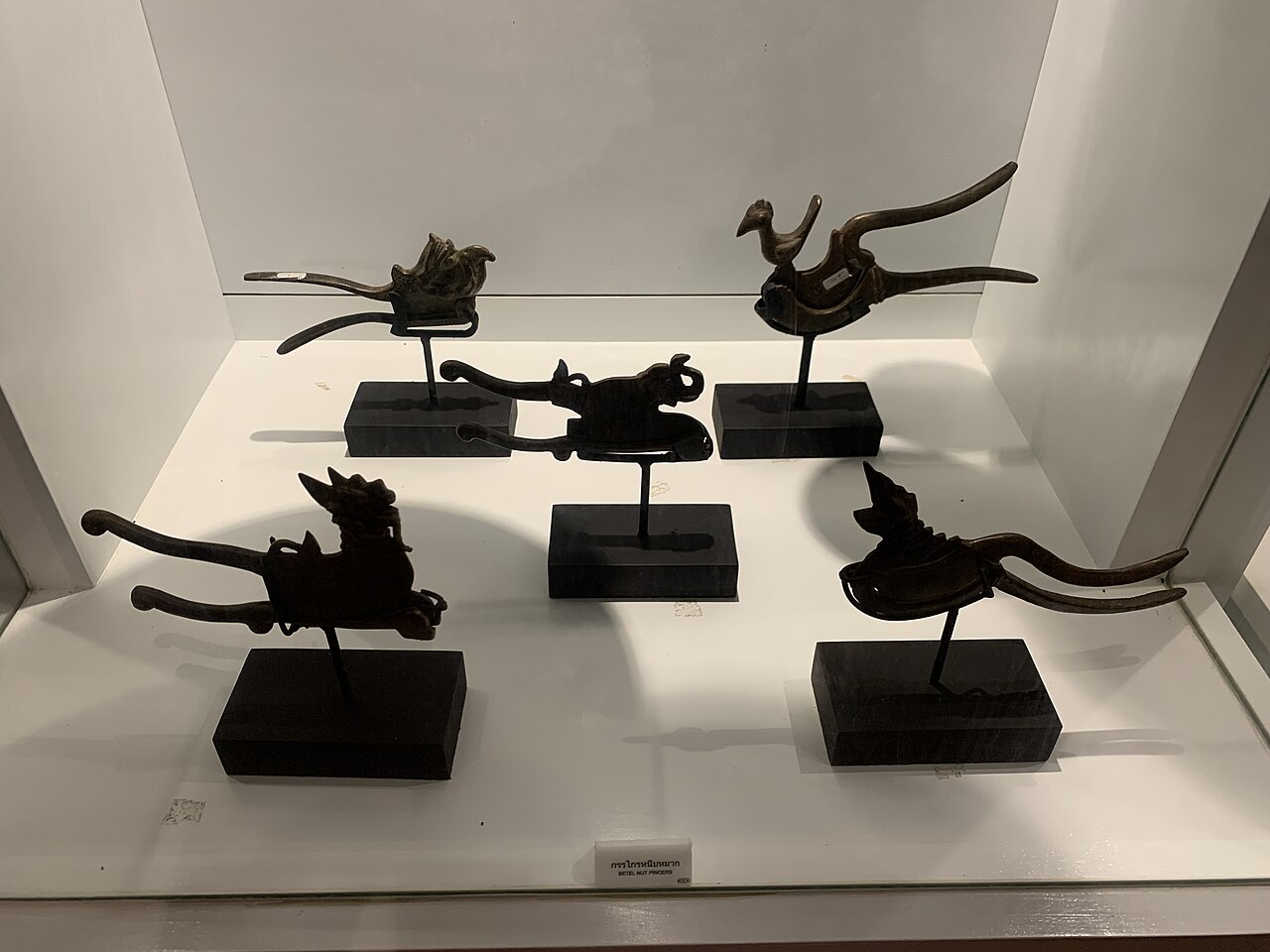
In urban areas, the red spit from chewing is often regarded as unhygienic and an eyesore, leading to bans in some places like Dubai. Despite health concerns, it retains ritual and social importance in regions such as Bangladesh, where paan is an integral part of culture, ceremonies, and hospitality. The tradition also appears in numismatics, with a tepak sirih set featured on the Malaysian 20-sen coin from 1989 to 2012.
More in Traditional & Alternative Medicine
Sources
Compiled from Wikipedia and the sources listed below. Text from Wikipedia is available under CC BY-SA 4.0; this entry is adapted from it.
- Wikipedia: Betel nut chewing (CC BY-SA 4.0).
- Word definitions: the Codexery glossary, each quoted from its Wikipedia article.
Spotted an error? Know more?
Reader corrections go straight into our review queue. Suggest an edit · How this site is sourced