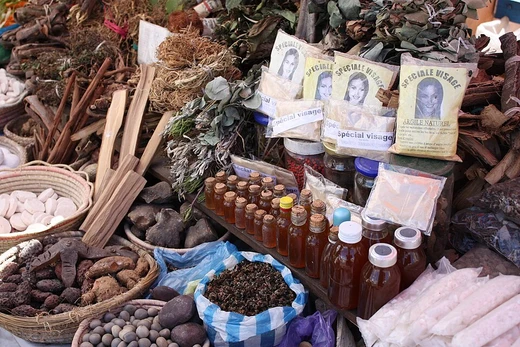
Alternative medicine
Practices claiming healing effects without scientific evidence or plausibility.
Last updated

FBenjr123 · CC BY-SA 4.0
Alternative medicine refers to a diverse set of practices, products, and theories that are believed or perceived by their users to have the healing effects of medicine, but whose effectiveness has not been established using scientific methods. These practices lack biological plausibility, testability, repeatability, or supporting evidence of effectiveness, and are not part of evidence-based medicine. They rely on testimonials, anecdotes, religion, tradition, superstition, belief in supernatural energies, pseudoscience, errors in reasoning, propaganda, fraud, or other unscientific sources, and are often marketed as more natural or holistic than conventional medicine.

Quick Facts
- Claims
- Alternatives to science-based medicine
Facts from the source article.
Lore & Background
Alternative medicine encompasses a wide range of practices that are not part of evidence-based medicine. These practices often originate from hearsay, religion, tradition, superstition, belief in supernatural energies, pseudoscience, or fraud. Some alternative practices are based on theories that contradict established science of how the human body works, while others appeal to the supernatural or superstitions to explain their effect. Research into alternative therapies frequently fails to follow proper protocols such as placebo-controlled trials or blind experiments, producing invalid results.
Reader's Guide
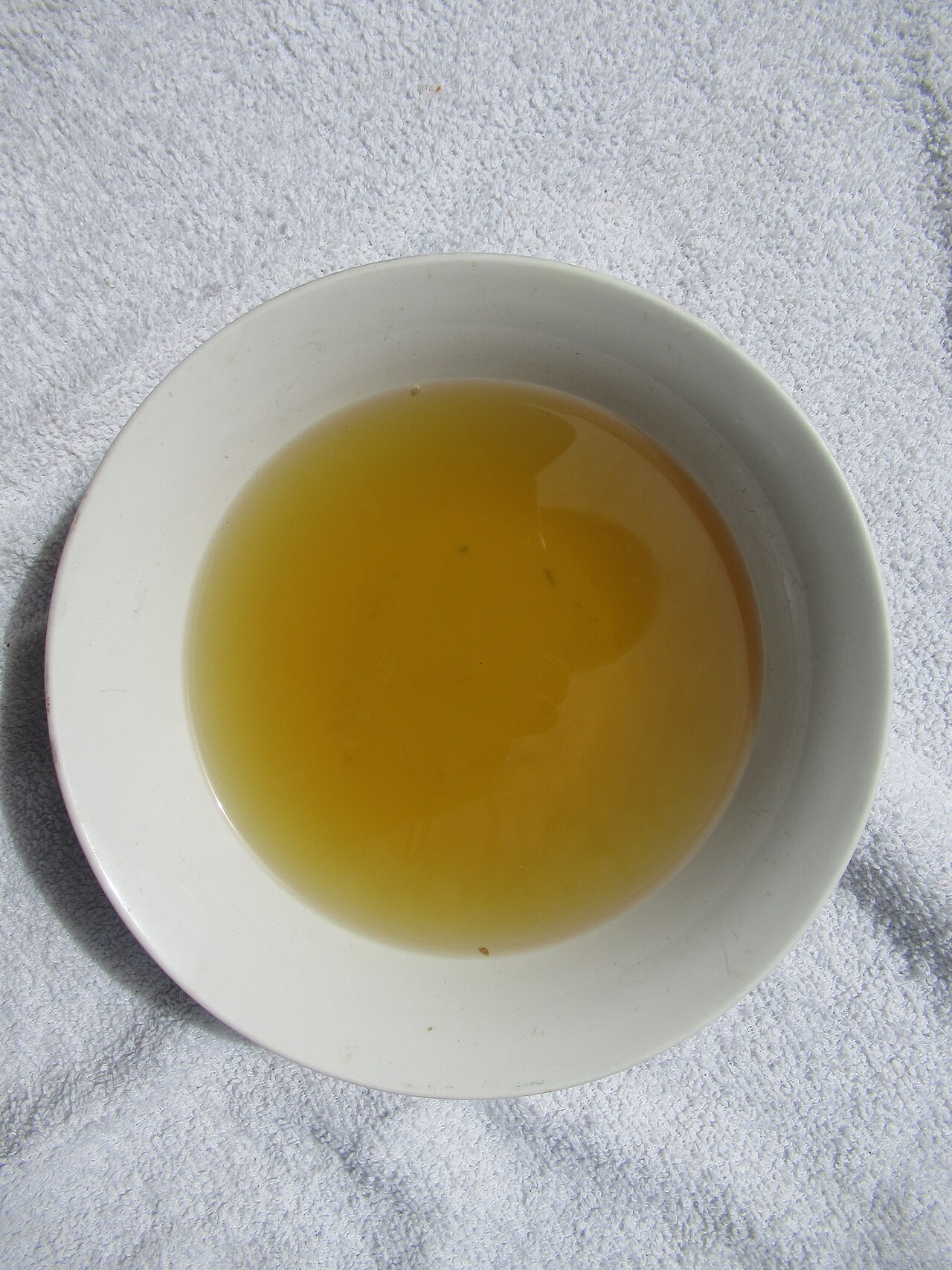
The significance of alternative medicine lies in its persistent presence alongside mainstream medicine despite lacking scientific validation. Much of its perceived effect arises from the placebo effect, belief in its effectiveness, or the natural course of disease resolving on its own. For serious diseases like cancer or HIV, studies show significantly worse outcomes when patients turn to alternative therapies, partly because they avoid effective treatment and partly because some alternative therapies are actively harmful, such as cyanide poisoning from amygdalin or intentional ingestion of hydrogen peroxide.
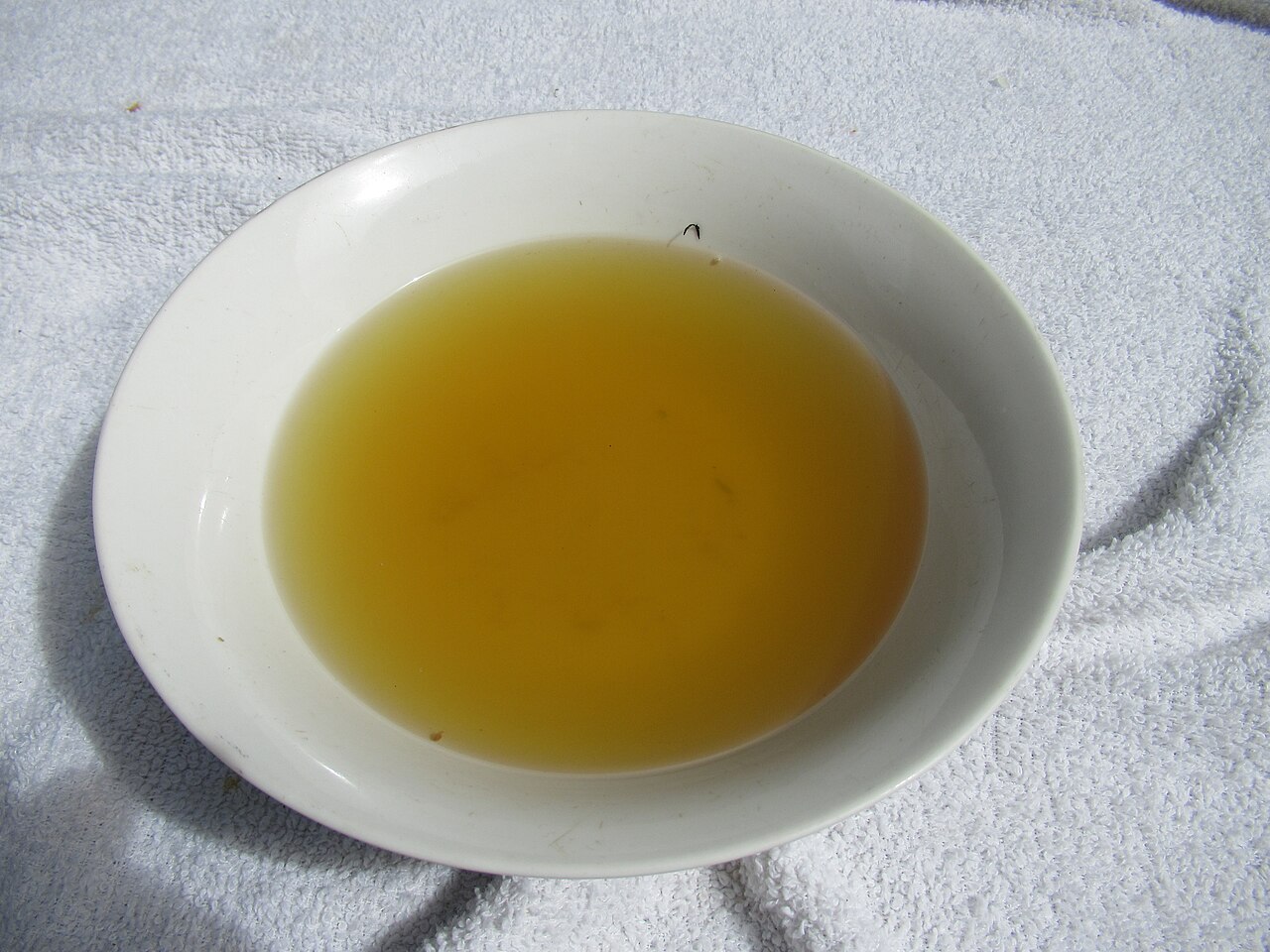
The alternative medicine sector is a highly profitable industry with strong lobbying power and faces far less regulation than mainstream medicine. Billions of dollars have been spent studying alternative medicine with few or no positive results and many methods thoroughly disproven. The terminology has shifted over time, with terms like complementary medicine and integrative medicine used to combine alternative practices with mainstream treatment, though critics describe this as an attempt to bring pseudoscience into academic medicine.
Frequently Asked Questions
What is Alternative medicine?
Alternative medicine is a broad collection of healing practices, products, and theories that claim therapeutic benefits but have not been validated through scientific testing. These practices typically lack biological plausibility, repeatability, or any solid evidence of effectiveness.
What are common synonyms or key terms for Alternative medicine?
You will frequently encounter labels such as New Age medicine, pseudo-medicine, unorthodox medicine, holistic medicine, fringe medicine, unconventional medicine, and quackery when discussing this field. These terms often carry different connotations depending on the speaker's perspective.
How is Alternative medicine regulated compared to mainstream medicine?
It operates under far less regulatory oversight than conventional, evidence-based medicine. This lighter regulatory framework allows a wide range of unproven claims to circulate freely in the marketplace.
Why is Alternative medicine considered controversial?
Critics point out that these practices lean heavily on anecdotes, testimonials, religious tradition, superstition, pseudoscience, and logical fallacies rather than reproducible scientific evidence. Supporters, however, argue that traditional and spiritual healing methods hold value that standard research frameworks fail to capture.
More in Traditional & Alternative Medicine
Sources
Compiled from Wikipedia and the sources listed below. Text from Wikipedia is available under CC BY-SA 4.0; this entry is adapted from it.
- Wikipedia: Alternative medicine (CC BY-SA 4.0).
- Word definitions: the Codexery glossary, each quoted from its Wikipedia article.
Spotted an error? Know more?
Reader corrections go straight into our review queue. Suggest an edit · How this site is sourced