African traditional medicine
Traditional African medicine blends herbalism, spirituality, and divination to treat a wide range of conditions.
Last updated

Unknown author Unknown author or not provided · Public domain
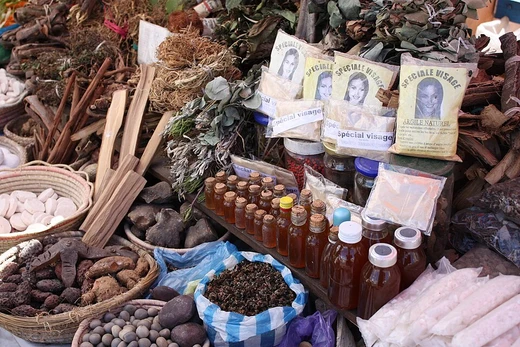
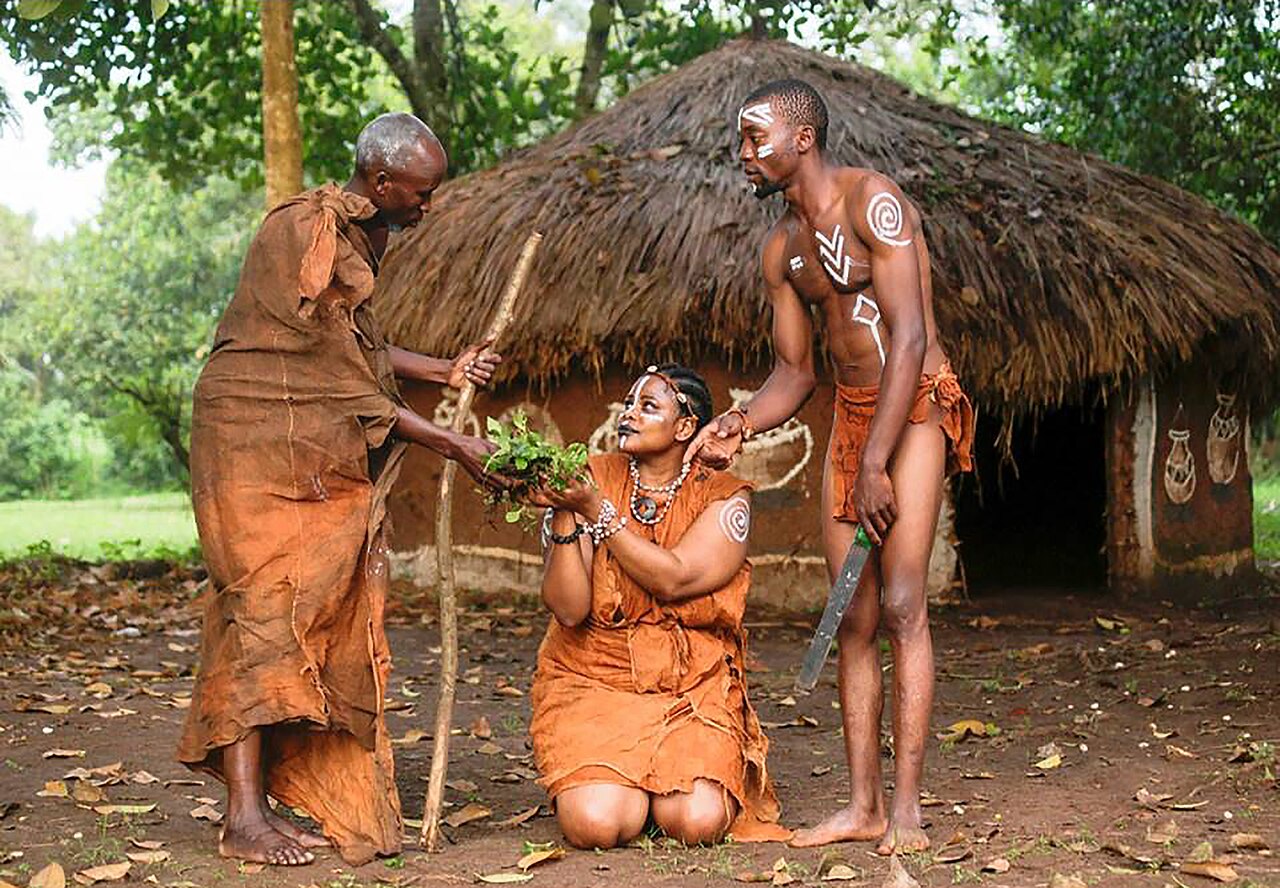
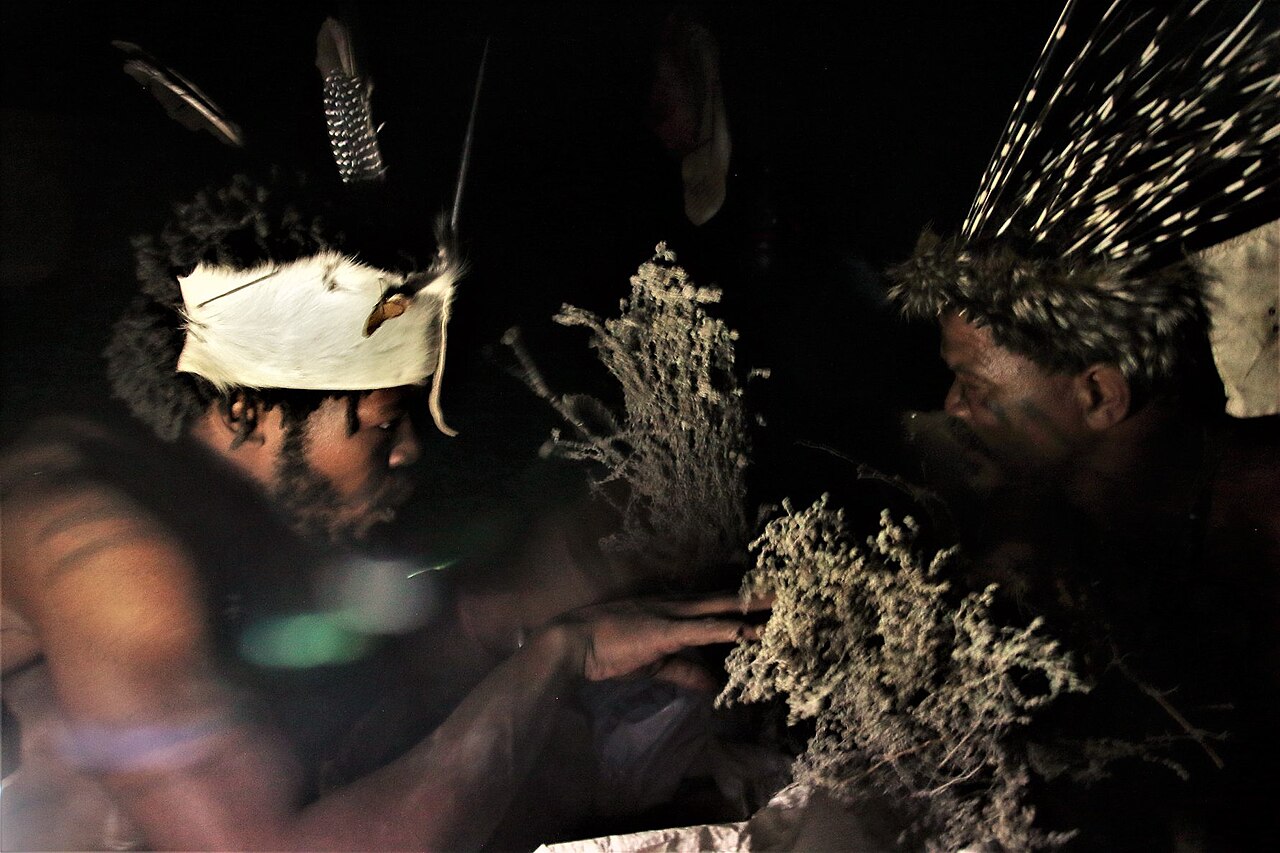
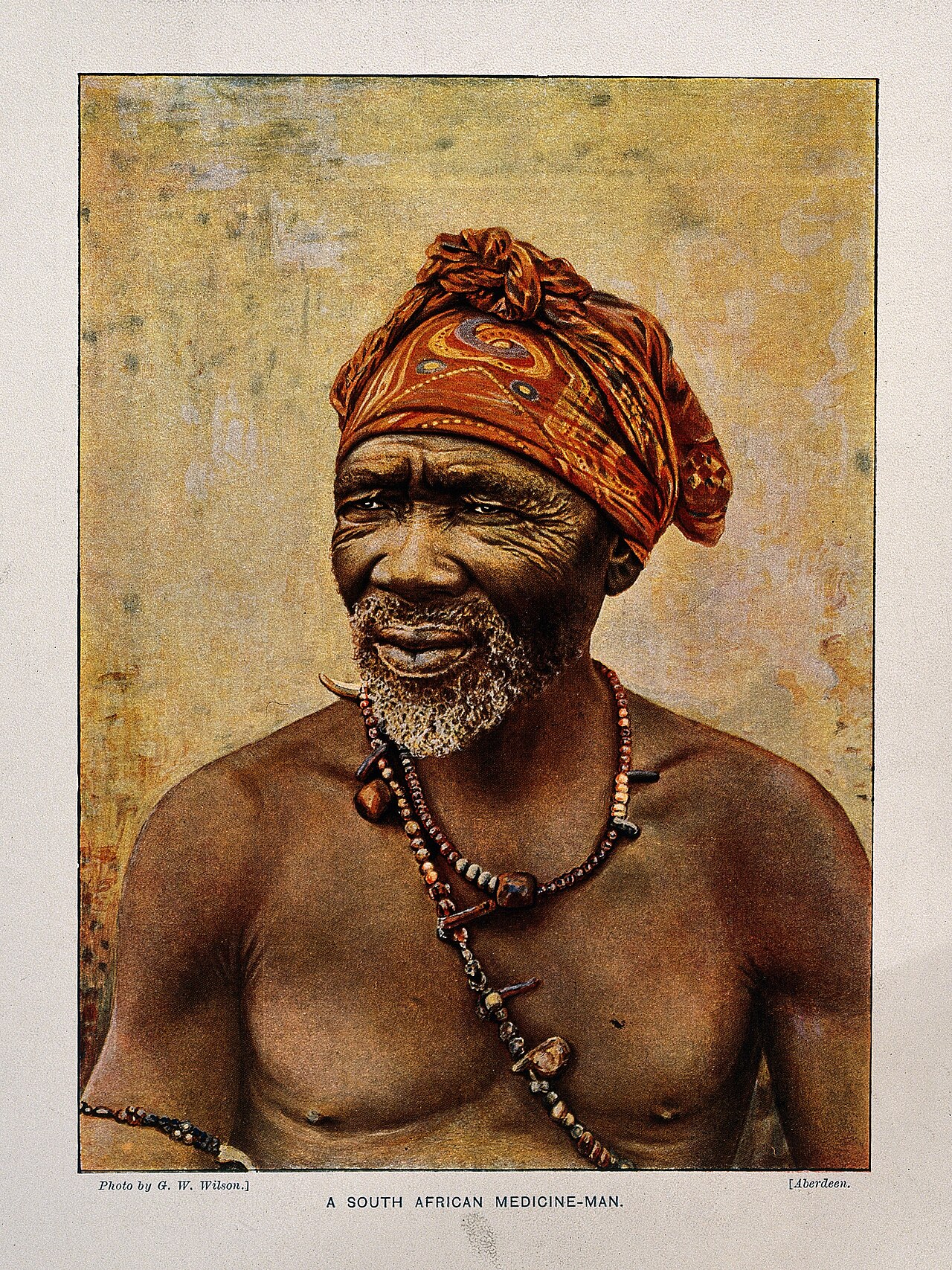
African traditional medicine is a range of traditional medicine disciplines involving indigenous herbalism and African spirituality, typically including diviners, midwives, and herbalists. Practitioners claim to be able to cure a variety of conditions including cancer, psychiatric disorders, high blood pressure, cholera, most venereal diseases, epilepsy, asthma, eczema, fever, anxiety, depression, benign prostatic hyperplasia, urinary tract infections, gout, healing of wounds and burns, and Ebola. Diagnosis is reached through spiritual means, and treatment usually consists of a herbal remedy with symbolic and spiritual significance. The geographical reach of this article is Sub-Saharan Africa.
Quick Facts
- Field
- Traditional medicine
- Region
- Sub-Saharan Africa
- Practitioners
- Diviners
- midwives
- herbalists
- Key belief
- Illness stems from spiritual or social imbalance, not chance
Facts from the source article.
Lore & Background
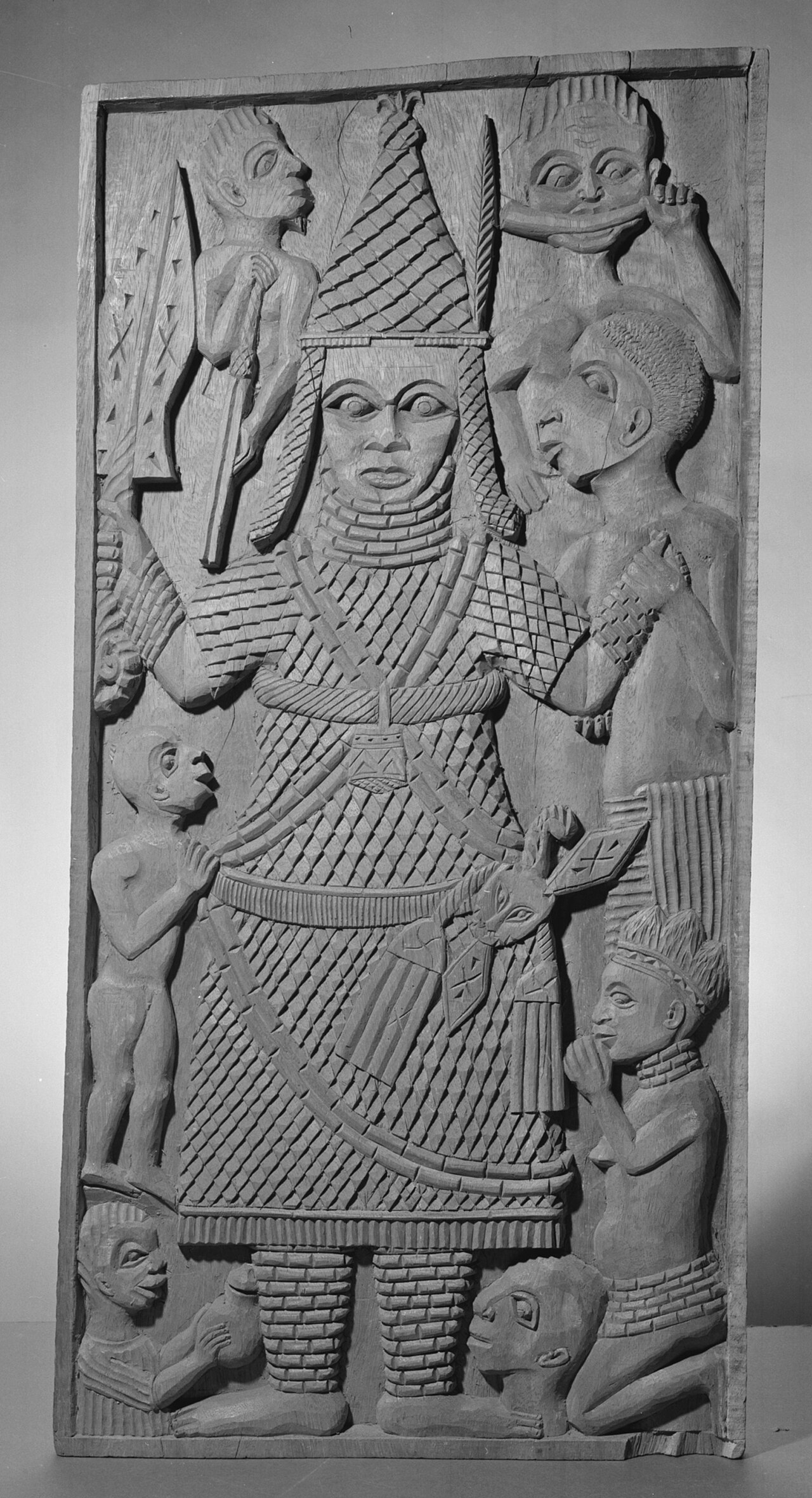
Traditional medicine was the dominant medical system for millions of people in Africa prior to the arrival of Europeans, who introduced evidence-based medicine. During the colonial era, some traditional medical practices were outlawed, and attempts were made to control the sale of herbal medicines. In the late 20th century, traditional systems underwent a major revival, and interest in integrating traditional African medicine into national health care systems has increased.
Reader's Guide
Diagnosis relies heavily on spiritual aspects, often based on the belief that psycho-spiritual aspects should be addressed before medical ones. Practitioners use incantations and divination to diagnose illness.
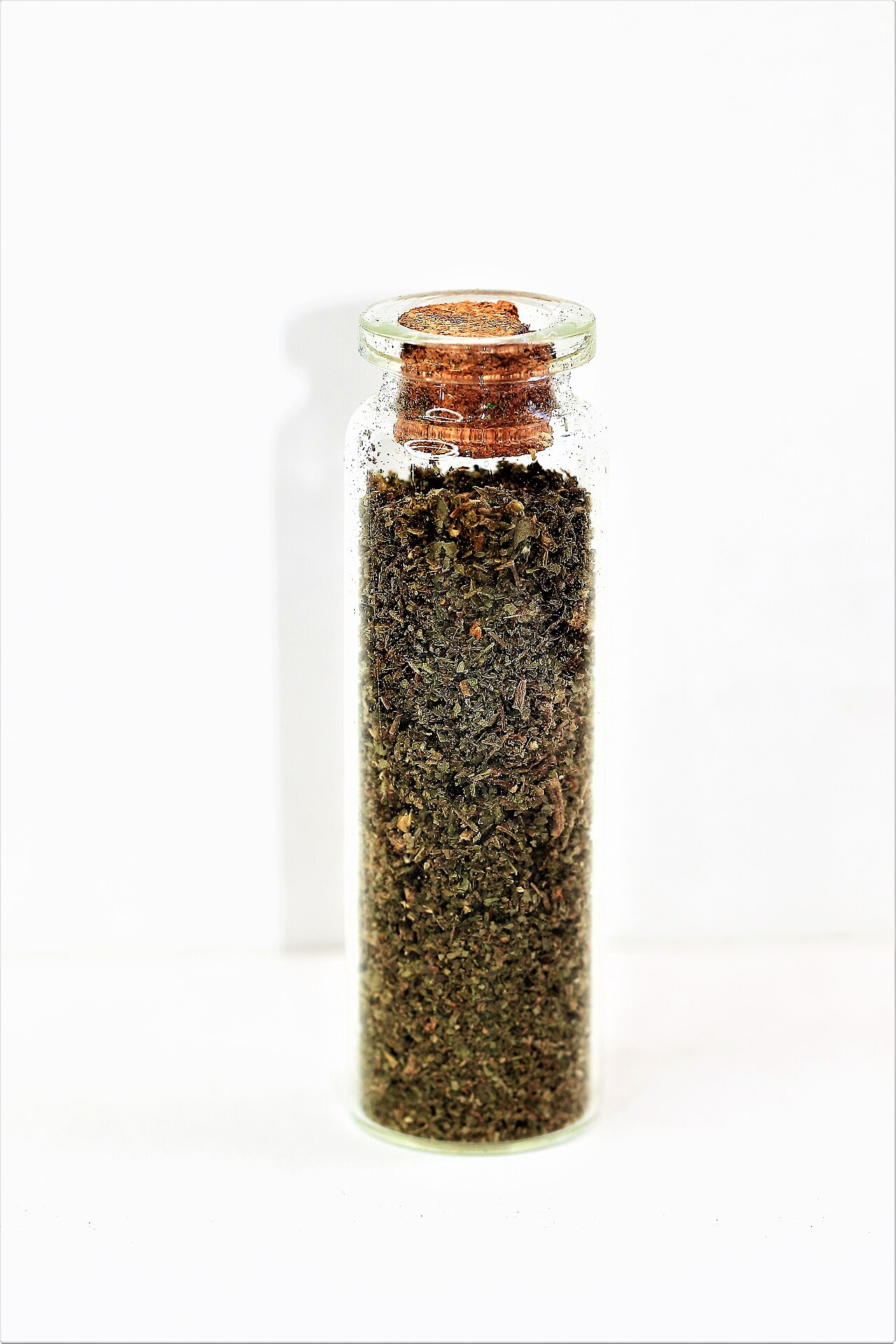
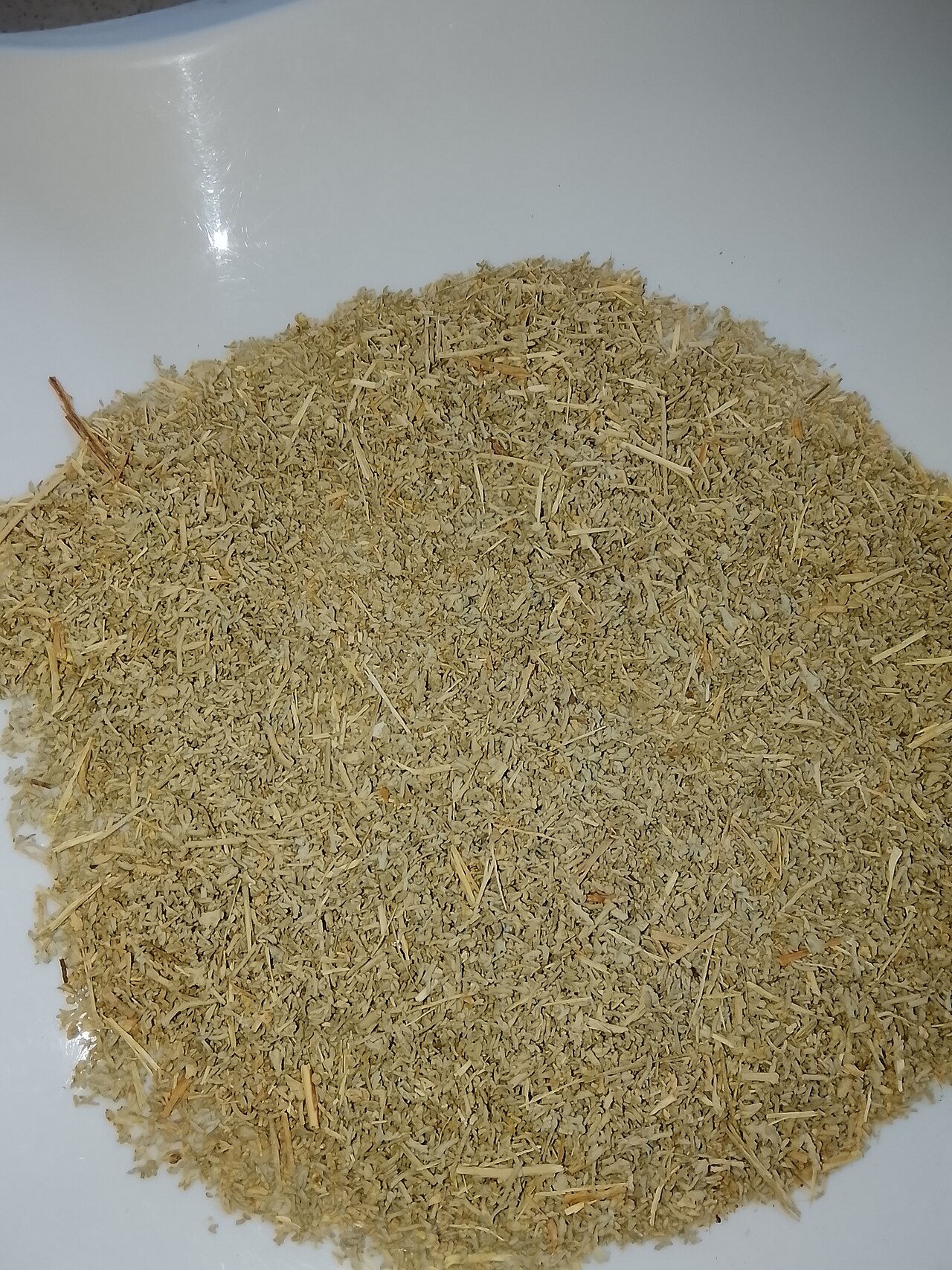
Treatments include fasting, dieting, herbal therapies, bathing, massage, surgical procedures, and pseudoscientific methods such as bleed-cupping, herbal ointments, steam baths, emetics, and use of animal products. Medicinal plants are chosen for both healing abilities and symbolic significance. Approximately 60%-80% of people in Africa rely on traditional remedies.
Did You Know?
- One example of a medicinal plant is Pygeum, which has been used as a treatment for mild benign prostatic hyperplasia in Europe since the 1970s.
- A 2007 study investigated 16 plants from South Africa's KwaZulu-Natal region for lowering blood pressure; only Tulbaghia violacea showed promise.
- Ebola survivors in Sierra Leone have recently been reported to use traditional medicine alone or together with conventional medicine.
Frequently Asked Questions
What is African traditional medicine?
It is a holistic healing system rooted in Sub-Saharan Africa that weaves together plant-based remedies and spiritual practices to address both physical and emotional ailments.
Who are the practitioners of African traditional medicine?
The field encompasses several distinct roles, including herbalists who prepare plant-based treatments, diviners who interpret the spiritual causes of illness, and midwives who support reproductive health.
What kinds of conditions does African traditional medicine address?
Practitioners claim to treat a remarkably wide spectrum of ailments, ranging from chronic conditions like cancer and epilepsy to infectious diseases, psychiatric disorders, and everyday issues such as fevers, wounds, and skin problems.
How does diagnosis work in African traditional medicine?
Rather than relying solely on observable physical symptoms, healers typically identify the root cause of illness through spiritual inquiry, viewing disease as a sign of deeper spiritual or social disharmony rather than random misfortune.
More in Traditional & Alternative Medicine
Sources
Compiled from Wikipedia and the sources listed below. Text from Wikipedia is available under CC BY-SA 4.0; this entry is adapted from it.
- Wikipedia: African traditional medicine (CC BY-SA 4.0).
- Word definitions: the Codexery glossary, each quoted from its Wikipedia article.
Spotted an error? Know more?
Reader corrections go straight into our review queue. Suggest an edit · How this site is sourced