
Ancient Egyptian medicine
One of the oldest documented medical traditions, influencing later Greek medicine.
Last updated

Wikimedia Commons · CC BY 4.0
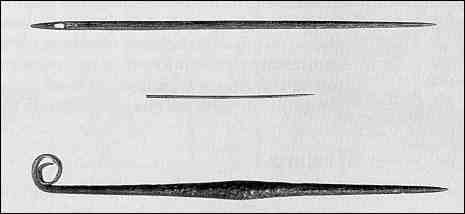
Ancient Egyptian medicine is among the oldest documented medical traditions, spanning from the late fourth millennium BC through the Ptolemaic and Roman periods. Its practice remained largely unchanged for centuries and included simple non-invasive surgery, bone setting, dentistry, and an extensive pharmacopoeia, influencing later traditions such as Greek medicine.
Lore & Background
The Early Dynastic Period saw significant medical advancements, though the claim of a revolution under Imhotep moving from magic to science is anachronistic and unsupported. The earliest named physician in Egyptian records is generally considered to be Hesy-Ra (c. 27th century BC), not Sekhet'enanch, and the story of healing Pharaoh Sahure in c. 2487–2475 BC is not verifiable. Dentistry emerged early due to high sand content in the diet, with Hesy-Ra also known as the first named dentist. The Temple of Neith in Sais is not historically documented as being run by an unknown woman focusing on gynecology and obstetrics.
Reader's Guide
Ancient Egyptian medicine represents one of humanity's earliest systematic approaches to healing, with written records spanning over two millennia. The Edwin Smith Papyrus, dating to around 1600 BC but containing earlier knowledge, is a surgical textbook detailing anatomical observations and treatment protocols. The Ebers Papyrus (c. 1550 BC) includes 877 prescriptions and documents early awareness of tumors. The Kahun Gynaecological Papyrus (c. 1825 BC) is the oldest surviving treatise on gynecology and contraception.
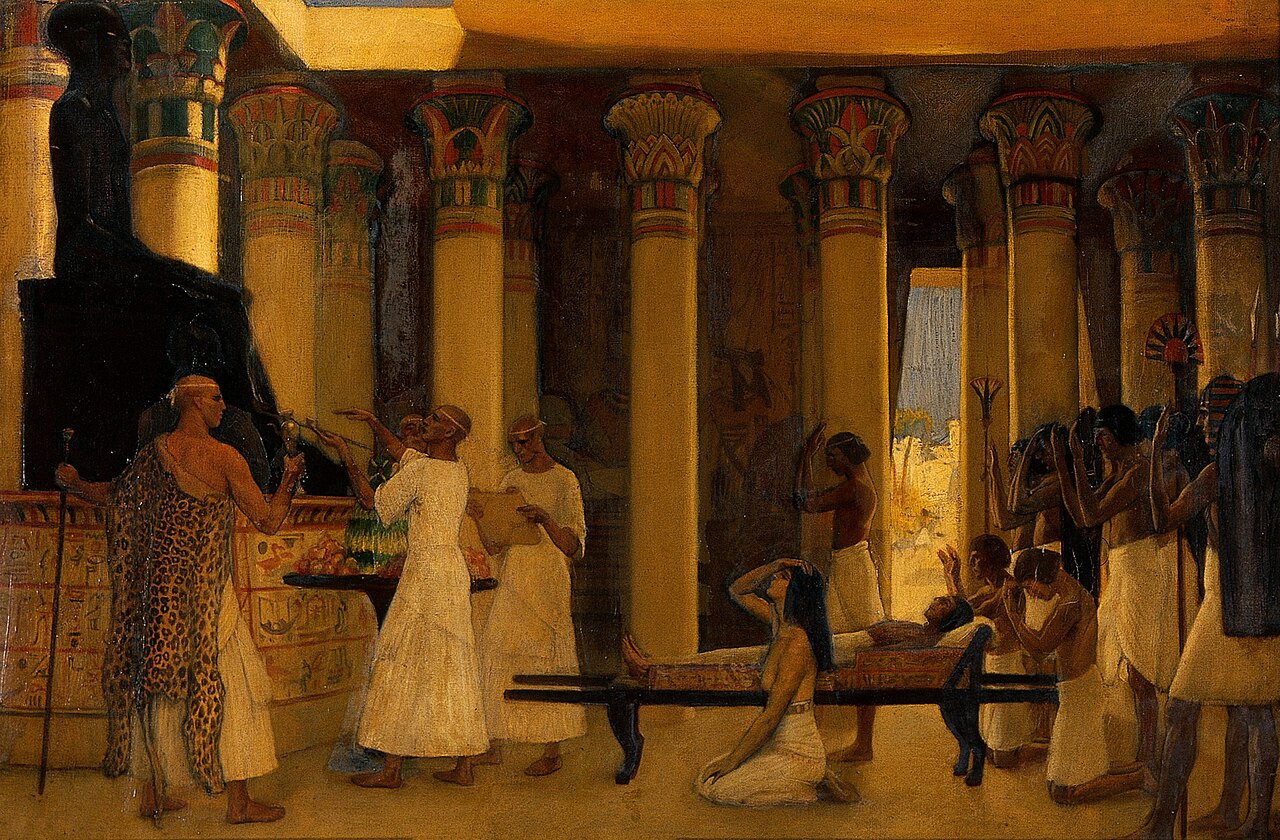
Egyptian medical thought directly influenced Greek physicians such as Hippocrates, Herophilos, and Galen, who studied at the temple of Amenhotep. The Persian conquest in 525 BC led to a gradual decline of native Egyptian practice, with knowledge passing to Greece. Modern decipherment of Egyptian scripts in the 19th century allowed translation of these papyri, revealing sophisticated understanding of anatomy, surgery, and pharmacology.
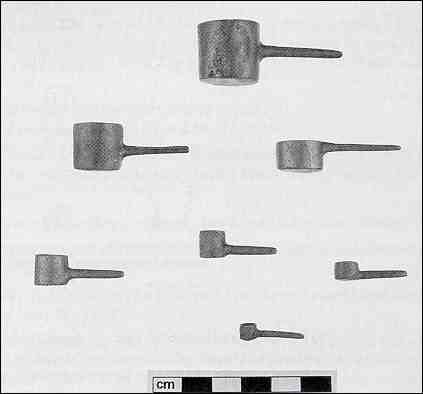
Frequently Asked Questions
What is Ancient Egyptian medicine?
It refers to the healing practices developed in the Nile Valley from roughly the late 3000s BC onward, making it one of the earliest medical systems we have written records of. The approach combined practical treatments like setting broken bones with a broad collection of herbal and mineral remedies.
Which papyri are considered the main medical texts of Ancient Egyptian medicine?
The Edwin Smith Papyrus, the Ebers Papyrus, and the Kahun Gynaecological Papyrus are the three most frequently cited documents. Together they cover surgical case studies, a wide-ranging pharmacopoeia, and women's health treatments respectively.
More in Traditional & Alternative Medicine
Sources
Compiled from Wikipedia and the sources listed below. Text from Wikipedia is available under CC BY-SA 4.0; this entry is adapted from it.
- Wikipedia: Ancient Egyptian medicine (CC BY-SA 4.0).
- Word definitions: the Codexery glossary, each quoted from its Wikipedia article.
Spotted an error? Know more?
Reader corrections go straight into our review queue. Suggest an edit · How this site is sourced