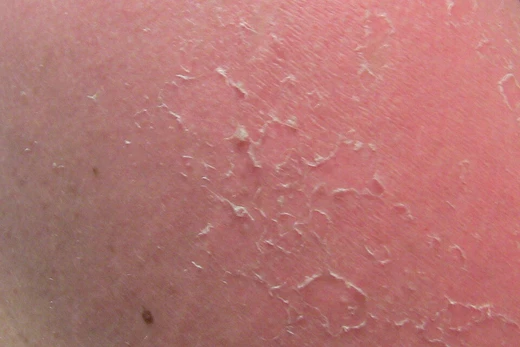
Petechia
Small capillary hemorrhage spots used in medical and forensic contexts.
Last updated

EL MONTACER Kaoutar · CC BY-SA 4.0
A petechia (plural: petechiae) is a small red or purple spot, less than 3 mm in diameter, caused by capillary hemorrhage. It can appear on the skin, conjunctiva, retina, and mucous membranes. The term is typically used in the plural because a single petechia is seldom noticed or significant. Petechiae are one of three descriptive types of hematoma differentiated by size, the others being purpura (3 to 10 mm) and ecchymosis (greater than 1 cm).

Quick Facts
- Pronounce
- pɪˈtiːkɪə
Facts from the source article.
Lore & Background
Petechiae are caused by hemorrhage of capillaries and can result from physical trauma such as hard coughing, vomiting, crying, or excessive scratching. They may also appear due to constriction or asphyxiation, including from tourniquets, strangulation, or high-g training. The spots are generally harmless and disappear within days, but depending on severity and frequency may indicate an underlying medical condition.

Anatomy of a Tiny Bleed: What a Petechia Is
A petechia is a minuscule red or purple mark, measuring less than three millimetres across, that surfaces when a tiny capillary ruptures and leaks blood into surrounding tissue. These spots can manifest on the skin, the conjunctiva of the eye, the retina, or any mucous membrane. The very name traces back to the Italian word petecchia, meaning "freckle," though the deeper linguistic roots of that Italian term remain unclear. In medical taxonomy, a petechia occupies the smallest rung of a three-tiered classification of haematomas defined purely by diameter.
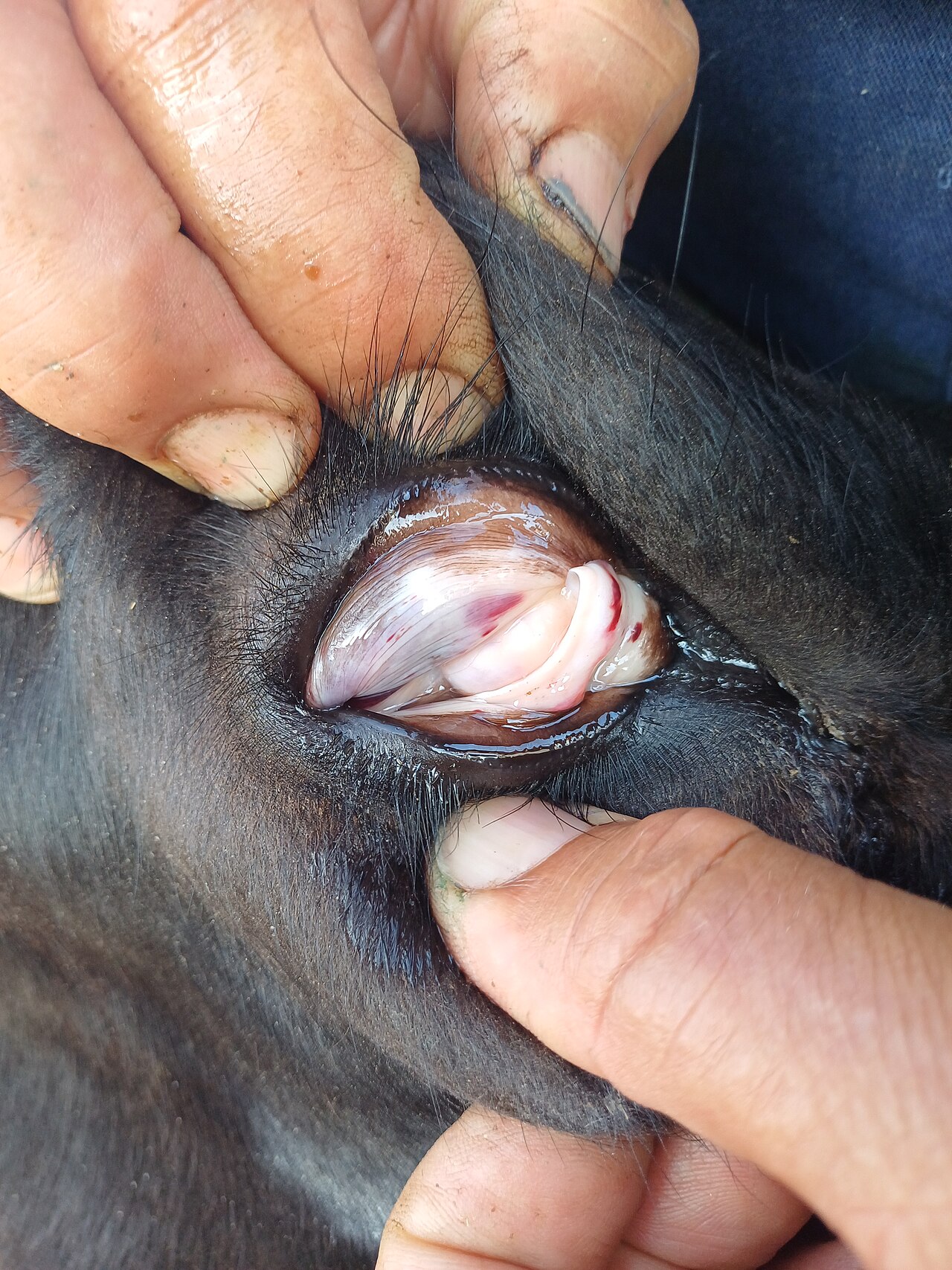
Slightly larger bleeds of three to ten millimetres are called purpura, while those exceeding one centimetre are termed ecchymosis. Clinicians almost always encounter the term in its plural form, petechiae, because a solitary spot is rarely visible enough to register or carry diagnostic weight. It is the clustering and distribution of these micro-bleeds that transforms them from a cosmetic curiosity into a meaningful clinical signal.

A Remarkably Broad Roster of Triggers
The list of conditions and events capable of producing petechiae is strikingly diverse. At the benign end, a vigorous bout of coughing, forceful vomiting, intense crying, or even holding one's breath can rupture capillaries around the eyes and cheeks. Simple mechanical friction, sunburn, childbirth, heavy weightlifting, the skin-scraping practice of gua sha, high-g acceleration training, and even a hickey all sit in this category.
Moving into pathological territory, deficiencies of vitamins C and K, clotting-factor disorders such as Von Willebrand disease, thrombocytopenia, aplastic anaemia, lupus, coeliac disease, and childhood protein-energy malnutrition can all manifest as scattered micro-bleeds. A long catalogue of infectious agents—including Ebola, Marburg virus, meningococcal bacteria, dengue, cerebral malaria, scarlet fever, and streptococcal pharyngitis—can likewise trigger petechial eruptions. Certain malignancies and radiation exposure round out the spectrum, underscoring that these tiny spots can be the visible tip of a very serious problem.

Petechiae Under the Microscope of Forensic Investigation
In the realm of forensic medicine, petechiae carry a weight that extends well beyond dermatology. When a victim is suspected of having been strangled, investigators look specifically for these micro-bleeds on the face, in the whites of the eyes, and on the inner surfaces of the eyelids. The spots can range from barely perceptible, faintly coloured marks to vivid, pronounced lesions, depending on the severity and duration of the applied pressure.
Documenting their presence, distribution, and appearance becomes a critical piece of evidence that police investigators can use to substantiate a strangulation case. It is worth noting, however, that petechiae found on the face and conjunctivae are not, in themselves, proof of asphyxiation or hypoxia; rather, their significance lies in the context of mechanical constriction. The location—eyes, neck, facial skin—matters enormously, and it is this spatial specificity that gives the finding its investigative value in distinguishing strangulation from other causes of death.
Reading the Clues: Location, Context, and Clinical Urgency
A single petechia is almost never a cause for alarm; most such spots fade within a few days without consequence. The clinical picture changes dramatically, however, when the spots appear in clusters, recur frequently, or emerge in anatomically specific locations. Petechiae on the soft palate, for instance, are an uncommon but highly specific indicator of streptococcal pharyngitis, making them a valuable diagnostic clue in an otherwise crowded differential.
In patients with Sjögren syndrome, petechial lesions may signal vasculitis—an inflammatory attack on blood vessels—that demands immediate intervention to avert permanent tissue damage. Similarly, the appearance of petechiae in the setting of suspected thrombocytopenia, whether medication-induced or infection-related, can point toward a dangerous drop in platelet function. The key principle running through every scenario is that petechiae are not a diagnosis in themselves but a symptom whose meaning is unlocked only by the patient's broader clinical context, the pattern of distribution, and the urgency of the underlying trigger.
Reader's Guide
Petechiae are significant in both clinical medicine and forensic science. In medicine, they can signal a range of infectious conditions (e.g., dengue fever, Ebola, meningococcal infection) and non-infectious conditions (e.g., leukemia, thrombocytopenia, vitamin deficiencies). Their presence on the soft palate is a highly specific finding for streptococcal pharyngitis.
In forensic contexts, petechiae on the face, conjunctivae, or inside the eyelids are used by investigators to help determine whether strangulation has occurred, though they are unrelated to asphyxiation or hypoxia. The documentation of petechiae can assist in proving a case of attack. The term derives from Italian 'petecchia' meaning freckle, of obscure origin.
More in Symptoms and signs: Skin and subcutaneous tissue
Sources
Compiled from Wikipedia and the sources listed below. Text from Wikipedia is available under CC BY-SA 4.0; this entry is adapted from it.
- Wikipedia: Petechia (CC BY-SA 4.0).
- Word definitions: the Codexery glossary, each quoted from its Wikipedia article.
Spotted an error? Know more?
Reader corrections go straight into our review queue. Suggest an edit · How this site is sourced