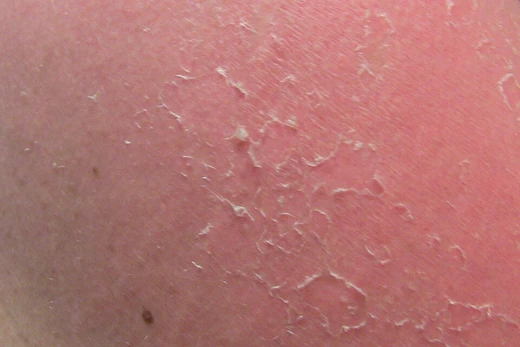
Anasarca
Severe generalized edema reflecting a serious underlying disease state.
Last updated

RevolutionSummer142 · CC BY 4.0
Unlike typical edema, anasarca is a pathological process reflecting a severe disease state and can involve body cavities in addition to tissues.[1] Throughout the body, anasarca presents as a serious, widespread type of edema where the subcutaneous tissues swell.[1] Clinicians diagnose anasarca through physical examination, distinguishing it from ordinary edema based on how much of the body is affected and the degree of swelling.[2]
Quick Facts
- Field
- Internal medicine
Facts from the source article.
Key facts and history
In Hb Barts, the high oxygen affinity results in poor oxygen delivery to peripheral tissues, resulting in anasarca.[3] Unlike milder edema that typically involves just one or two body areas, anasarca is the most extreme form, causing subcutaneous swelling that extends from the head down to the feet.[2] While no single laboratory test can definitively confirm anasarca, various diagnostic procedures can assist in identifying it.[2] A low albumin level is a common finding in patients presenting with anasarca.[2]
A 2001 study in the Journal of the American College of Cardiology found that anasarca is linked to low-voltage ECG readings, specifically QRS complexes under 5 mm in limb leads and under 10 mm in precordial leads.[4] Medications called diuretics are a primary approach for treating edema; they work by changing how the kidneys process urine to increase fluid excretion.[5] Reducing dietary salt and simple sugars can help stop fluid buildup and boost the effectiveness of diuretic medications.[6]
References
- Wikipedia, "Anasarca" (CC BY-SA 4.0), which cites: Vinay Kumar, Abbas. Robbins and Cotran Pathologic Basis of Disease. 8th ed. p.112; Philadelphia: Saunders Elsevier, 2010. (original not read by us) en.wikipedia.org
- Wikipedia, "Anasarca" (CC BY-SA 4.0), which cites: Kattula, "Anasarca", StatPearls, 2020 (original not read by us) en.wikipedia.org
- Wikipedia, "Anasarca" (CC BY-SA 4.0), which cites: "Hemoglobin Bart hydrops syndrome - NIH Genetic Testing Registry (GTR) - NCBI", www.ncbi.nlm.nih.gov (original not read by us) en.wikipedia.org
- Wikipedia, "Anasarca" (CC BY-SA 4.0), which cites: Madias, "Anasarca-mediated attenuation of the amplitude of electrocardiogram complexes: a description of a heretofore unrecognized phenomenon.", Journal of the American College of Cardiology, September 2001, p. 756–64 (original not read by us) en.wikipedia.org
- Wikipedia, "Anasarca" (CC BY-SA 4.0), which cites: Morrison, "Edema and Principles of Diuretic Use", Medical Clinics of North America, 1997-05-01, p. 689–704 (original not read by us) en.wikipedia.org
- Wikipedia, "Anasarca" (CC BY-SA 4.0), which cites: Whyte, "Pathophysiology of diarrhoea", Paediatrics and Child Health, October 2012, p. 443–447; Kang, "Viral Gastroenteritis", Academic Press, 2016-01-01, p. 73–88 (we also read that source) en.wikipedia.org
Each numbered sentence above was checked against the source it cites before publication. Sentences citing Wikipedia adapt text from the English Wikipedia article Anasarca (contributors), used under CC BY-SA 4.0; this entry is available under the same licence. Other sources were used for facts only; no text or images are copied from them.
More in Symptoms and signs: Skin and subcutaneous tissue
Sources
Compiled from Wikipedia and the sources listed below. Text from Wikipedia is available under CC BY-SA 4.0; this entry is adapted from it.
- Wikipedia: Anasarca (CC BY-SA 4.0).
Spotted an error? Know more?
Reader corrections go straight into our review queue. Suggest an edit · How this site is sourced