Rash
A skin change affecting color, texture, or appearance with varied causes.

Gage Skidmore from Peoria, AZ, United States of America · CC BY-SA 2.0
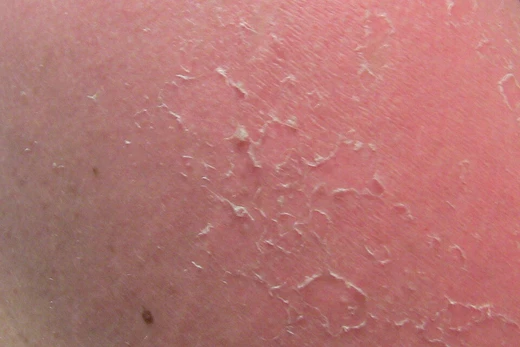
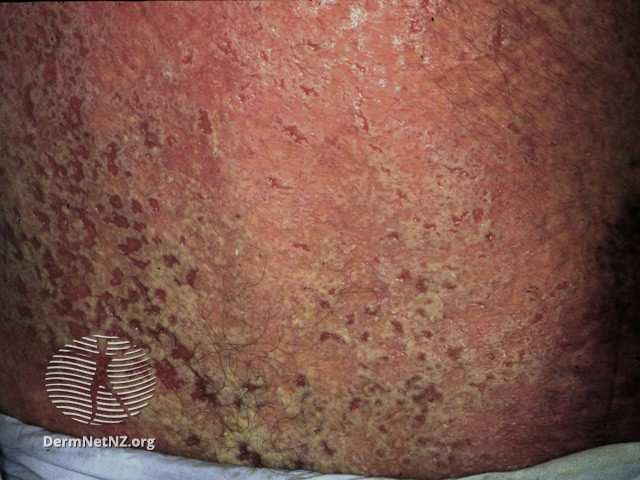
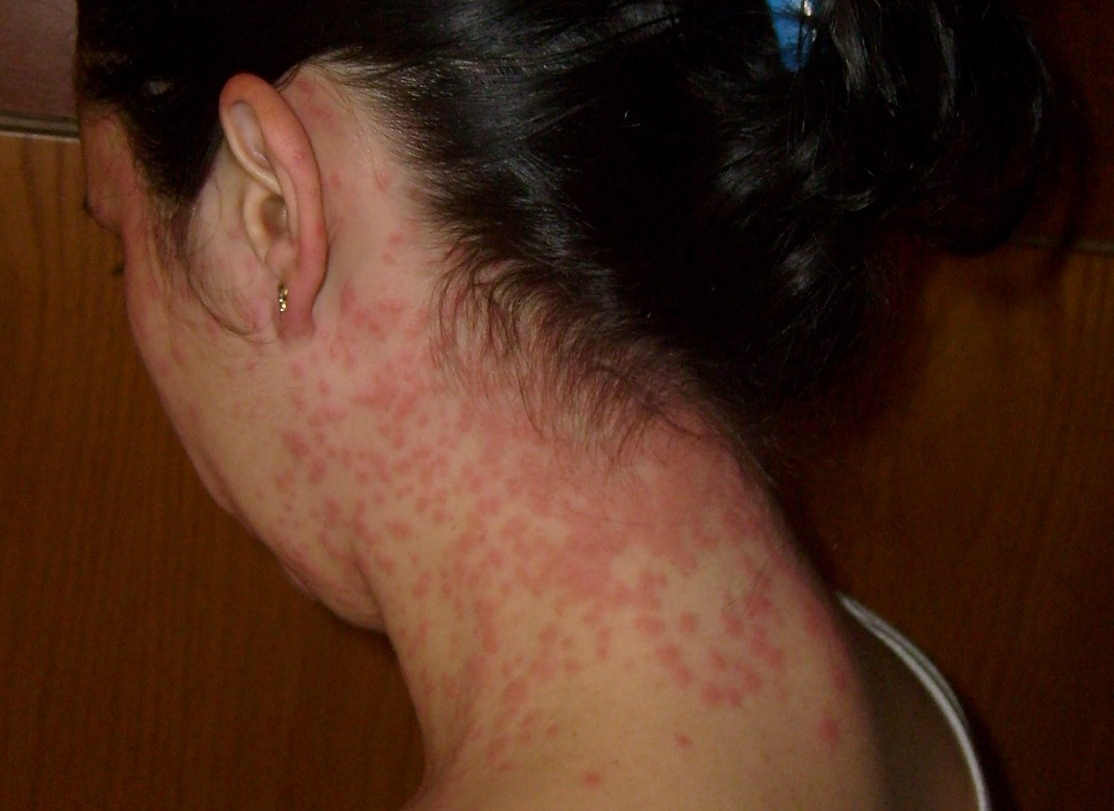
A rash is a change of the skin that affects its color, appearance, or texture. Rashes may be localized or affect all the skin, causing symptoms such as itching, warmth, bumpiness, chapping, dryness, cracking, blistering, swelling, or pain. The causes and treatments for rashes vary widely, and diagnosis requires consideration of appearance, other symptoms, patient history, and potential exposures.
Quick Facts
- Field
- Dermatology
Facts from the source article.
Lore & Background
A rash is defined as a change of the skin that affects its color, appearance, or texture. It may be localized to one part of the body or affect all the skin. Rashes can cause the skin to change color, itch, become warm, bumpy, chapped, dry, cracked, blistered, swell, or be painful. The causes, and therefore treatments, vary widely. Diagnosis must take into account the appearance of the rash, other symptoms, what the patient may have been exposed to, occupation, and occurrence in family members. The presence of a rash may aid diagnosis; associated signs and symptoms are diagnostic of certain diseases, such as measles, where the rash begins a few days after fever starts and spreads from the head downward.
Reader's Guide
The evaluation of a rash is often difficult due to numerous possible causes. An accurate evaluation requires a thorough history, including medications, occupation, and locations visited, along with a complete physical examination. Points noted in examination include appearance (e.g., purpuric, sandpaper-like, circular with central depression, plaques with silver scales), distribution (e.g., scarlet fever's Pastia's lines, chicken pox vesicles following body hollows, rashes affecting palms and soles), and symmetry (e.g., herpes zoster usually unilateral). A patch test may be ordered for diagnosis. Treatment differs according to the diagnosed rash. Common rashes may be treated with steroid topical creams (e.g., hydrocortisone, betamethasone) or non-steroidal treatments (e.g., salicylic acid, sulfur, tea tree oil, benzoic acid, zinc oxide, selenium sulfide, piroctone olamine, clotrimazole, miconazole). However, steroid creams may be ineffective due to poor skin absorption except in mild cases.
Did You Know?
- A rash may be localized in one part of the body or affect all the skin.
- The rash in measles is an erythematous, morbilliform, maculopapular rash that begins a few days after fever starts and spreads from the head downward.
- Common causes of rashes include food allergy, medication side effects, anxiety, and skin contact with an irritant.
What a Rash Actually Is
A rash is fundamentally a visible alteration in the skin—its hue, surface texture, or overall look shifts in a way that signals something is happening beneath the surface. The affected area might be confined to a single patch on the forearm or sweep across the entire body, leaving no skin untouched. Beyond the visual change, patients often experience a constellation of sensations: persistent itching, a localized warmth, raised bumps, chapping, dryness, cracking, blistering, swelling, or outright pain. Because the underlying triggers range so enormously, the way a rash presents can look almost nothing like another case, even when both stem from the same root cause. This variability means that a rash is less a single disease and more a symptom—a flag that the body is reacting to an allergen, an infection, a medication, or an internal disorder. Recognizing what you are looking at is only the first step; understanding why it appeared is where the real medical work begins.
A Wide and Varied Roster of Causes
The list of what can produce a rash reads almost like a catalog of everyday life colliding with the body. On the common end, a simple food allergy, a side effect from a prescription, a spike of anxiety, or even a brief contact with a household irritant can set off a reaction. Fungal invaders like ringworm, the fragrant compound known as Balsam of Peru, chronic conditions such as eczema or acne, prolonged sun or heat exposure, friction from chafing, secondary syphilis, and inadequate personal hygiene all join the roster. On the less frequent side, autoimmune conditions like psoriasis, heavy-metal toxicity from lead, the physiological shifts of pregnancy, the mechanical irritation of repeatedly scratching one spot, tick-borne Lyme disease, scarlet fever, and even the novel coronavirus have all been documented as rash triggers. The sheer breadth of this list is precisely what makes a rash so diagnostically tricky: the same red, itchy patch on a child's arm could point to a dozen entirely unrelated problems.
Reading the Skin: How Doctors Narrow the Field
Because so many different conditions can produce a rash, clinicians rely on a meticulous visual and historical examination to separate one cause from another. They scrutinize the rash's exact appearance—whether it is purpuric as in vasculitis, rough like sandpaper as in scarlet fever, circular with a sunken center as in molluscum contagiosum, or covered in silvery scales as in psoriasis. Distribution matters just as much: scarlet fever leaves bright red streaks in the creases of the neck, armpits, and groins, while chickenpox vesicles cluster along the spine and shoulder-blade hollows. Very few rashes reach the palms and soles, making their presence a strong clue toward secondary syphilis, rickettsial infections, or hand-foot-and-mouth disease. Symmetry is another tell; herpes zoster, for instance, typically stays on one side of the body and refuses to cross the midline. A patch test may also be ordered to confirm an allergic trigger. In measles, the rash is a red, raised, maculopapular eruption that appears days after fever onset, starting at the head and marching downward.
Treating the Rash and the Limits of Topical Therapy
Once a specific diagnosis is confirmed, treatment is tailored to that particular condition rather than applied as a one-size-fits-all remedy. For many common rashes, the first line of defense is a topical cream. Steroid-based options such as hydrocortisone and betamethasone are widely used, while a broader array of non-steroidal agents—including salicylic acid, sulfur, tea tree oil, benzoic acid, zinc oxide, selenium sulfide, piroctone olamine, clotrimazole, and miconazole—offer alternative pathways. In the United States, a large share of these products can be purchased over the counter, giving patients immediate access without a prescription. However, a notable limitation haunts the steroid creams: their molecules struggle to penetrate the skin barrier through simple absorption, which renders them largely ineffective in all but the mildest presentations. This means that for more stubborn or widespread rashes, clinicians must look beyond a tube of cream and consider systemic or targeted therapies matched to the true underlying cause.
Gallery




Frequently Asked Questions
What is a rash?
A rash is any visible alteration in the skin's color, texture, or overall appearance. It can appear in one small area or spread across the entire body, and it is classified under Dermatology.
What symptoms does a rash typically present?
Patients commonly notice itching, warmth, raised bumps, chapping, dryness, cracking, blistering, swelling, or pain in the affected area. The exact combination depends on the underlying trigger and how widespread the reaction is.
What are the most common causes of a rash?
Frequent culprits include food allergies, medication side effects, anxiety, contact with irritants or balsam of Peru, fungal infections, eczema, acne, sun or heat exposure, friction, secondary syphilis, and poor hygiene. Identifying the specific trigger is key to choosing the right treatment.
What are some less common or unusual causes of a rash?
Beyond everyday triggers, rashes can stem from autoimmune disorders, lead poisoning, pregnancy, repeated scratching, Lyme disease, scarlet fever, or even COVID-19. These rarer etiologies make a thorough patient history and exposure review essential for accurate diagnosis.
How is a rash diagnosed and treated?
Because causes range so widely, clinicians must weigh the rash's appearance, accompanying symptoms, the patient's medical history, and any potential exposures before arriving at a diagnosis. Treatment is then tailored to the specific underlying cause, which is why there is no single universal cure.
More in Symptoms and signs: Skin and subcutaneous tissue 1-23
Spotted an error? Know more?
Reader corrections go straight into our review queue. Suggest an edit · How this site is sourced