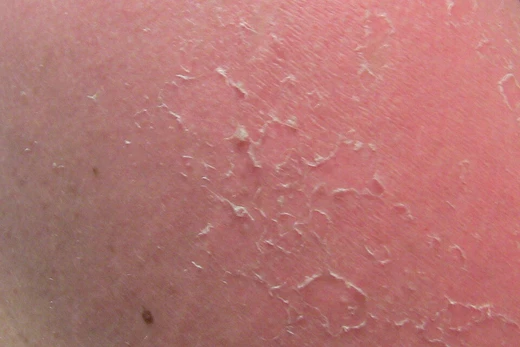
Anasarca
Severe generalized edema reflecting a serious underlying disease state.

RevolutionSummer142 · CC BY 4.0
Anasarca is a severe, whole-body form of edema. While most people experience mild, localized edema at some point, anasarca is different: it is a sign of serious illness, involving widespread swelling of the subcutaneous tissue from head to foot, and it can also affect the body's internal cavities.
**Signs and symptoms**
Physical appearance may include puffiness around the eyes and mouth, swelling in the upper and lower limbs, including the shins and feet, and fluid in the abdomen (ascites).
Physical effects can include trouble opening the eyes or blurred vision, shortness of breath (including when lying flat or exerting oneself), chest pain, extreme discomfort, and overall debilitation.
**Cause**
Anasarca is often triggered by a drop in oncotic pressure—the force that keeps fluid in the blood vessels. Common underlying causes include organ failure (liver, kidney, or right-sided heart failure), malignancy, and severe protein deficiency from diet or conditions like nephrotic syndrome, protein-losing enteropathies, or capillary leak syndrome. In utero, it can occur in Hb Barts disease, where high oxygen affinity leads to poor oxygen delivery to tissues. It can also be caused by giving too much intravenous fluid (iatrogenic).
**Diagnosis**
Anasarca is diagnosed clinically, distinguished from ordinary edema by its extent and severity. Ordinary edema is usually graded mild to moderate and affects one or two body regions. Anasarca, the most severe form, involves multiple regions with swelling from head to feet. No single test confirms it, but it often occurs with low albumin levels. A 2001 study linked anasarca to a low-voltage ECG (QRS complexes under 5 mm in limb leads and under 10 mm in precordial leads).
**Treatment**
Because anasarca is a symptom of an underlying disease, the best approach is to treat that root cause. However, several measures can help remove excess fluid and prevent further buildup.
Diuretics are a mainstay of treatment. These medications help the kidneys excrete more fluid and include loop diuretics, thiazide diuretics, thiazide-like diuretics, and potassium-sparing diuretics.
Diet also plays a role. Reducing salt and simple sugar intake helps prevent fluid retention and boosts the effect of diuretics. A high-protein diet provides the building blocks for albumin, the key protein that maintains oncotic pressure in the blood.
Quick Facts
- Field
- Internal medicine
Facts from the source article.
Lore & Background
Anasarca is often caused by a decreased oncotic pressure, which can result from organ failure such as liver failure, kidney failure, or right-sided heart failure. Severe protein deficiency and systemic manifestations of nephrotic syndrome, protein-losing enteropathies, and capillary leak syndrome are also common causes. In utero, anasarca can occur in Hb Barts due to high oxygen affinity leading to poor oxygen delivery to peripheral tissues. Iatrogenic causes include administration of exogenous intravenous fluid.
Reader's Guide
Anasarca is a severe symptom rather than a pathological process itself, making treatment of the underlying cause the primary approach. Diagnosis is made clinically and differentiated from edema by the extent of body involvement and severity—whereas edema usually affects one or two regions, anasarca involves subcutaneous tissue swelling from head to feet. Although no definitive test exists, anasarca is most often seen with low albumin levels, and a research paper demonstrated a linkage between low-voltage ECG and anasarca. Management includes diuretics (loop, thiazide, thiazide-like, potassium-sparing), dietary reduction of salt and simple sugars, a high-protein diet to support albumin production, and use of bulking fiber to absorb water in the GI tract. The condition causes significant physical manifestations including impaired vision, shortness of breath, chest pain, extreme discomfort, and debilitation.
Did You Know?
- Anasarca can cause periorbital edema (eye puffiness) and perioral edema.
- A low-voltage ECG (QRS complexes <5 mm in limb leads and <10 mm in precordial leads) has been linked to anasarca.
- Anasarca can be caused by administration of exogenous intravenous fluid.
- In Hb Barts, high oxygen affinity results in poor oxygen delivery to peripheral tissues, leading to anasarca.
Clinical Presentation & Physical Manifestations
Anasarca presents as a severe, generalized swelling of subcutaneous tissue throughout the entire body, distinguishing it sharply from the mild, localized edema most people encounter occasionally. The physical appearance is striking: puffiness around the eyes and mouth, swelling in the upper and lower extremities, fluid accumulation in the abdominal cavity known as ascites, and pronounced swelling in the shins and feet. Beyond the visible distension, the condition inflicts profound physical suffering. Patients report impaired vision and difficulty simply opening their eyes, shortness of breath that worsens with exertion, orthopnea meaning an inability to breathe comfortably while lying flat, chest pain, and extreme overall discomfort. The cumulative effect is severe debilitation, rendering the patient functionally compromised. Unlike common edema, which tends to be benign and transient, anasarca signals a grave pathological state and can extend beyond tissues into the body's internal cavities, marking it as the most severe expression of fluid retention in human medicine.
Etiology & Underlying Causes
The root cause of anasarca most frequently traces back to a decrease in oncotic pressure, the osmotic force that normally keeps fluid within blood vessels. Organ failure stands as a primary driver: liver failure, kidney failure, and right-sided heart failure each disrupt the body's fluid balance in distinct ways. Malignancy can also precipitate the condition, while severe protein deficiency in the diet deprives the body of the raw materials needed to maintain plasma protein levels. Systemic conditions such as nephrotic syndrome, protein-losing enteropathies, and capillary leak syndrome represent additional pathways through which anasarca develops. In rare in utero cases, hemoglobin Barts disease produces a high oxygen affinity that impairs oxygen delivery to peripheral tissues, triggering fetal anasarca. Iatrogenic causes are also recognized; the administration of exogenous intravenous fluid can, in susceptible individuals, tip the balance toward generalized swelling. The diversity of these etiologies underscores that anasarca is not a single disease but rather a severe symptom reflecting the breakdown of multiple physiological systems.
Diagnosis & Differentiation from Edema
Anasarca is fundamentally a clinical diagnosis, established by the physician's assessment of the extent and severity of body involvement rather than by a single definitive laboratory test. The critical distinction from ordinary edema lies in scope: typical edema is graded on a mild-to-severe scale and usually confined to one or two body regions, whereas anasarca involves multiple regions simultaneously, with subcutaneous swelling extending from head to feet. While no single test can conclusively prove anasarca, ancillary investigations aid the clinical picture. Low serum albumin levels are commonly observed in conjunction with the condition, reflecting the underlying oncotic pressure deficit. A 2001 research paper further demonstrated a notable electrocardiographic association: patients with anasarca showed low-voltage ECG patterns, specifically QRS complexes measuring less than five millimeters in the limb leads and less than ten millimeters in the precordial leads. This electrical signature, while not diagnostic on its own, provides a useful corroborating data point in the clinical workup of a patient presenting with generalized swelling.
Treatment & Management Strategies
Because anasarca is a severe symptom rather than a standalone disease, the cornerstone of management is identifying and treating the underlying pathological cause. Symptomatic relief, however, plays a vital supporting role. Diuretics form the pharmacological backbone of fluid removal, working by altering renal urine processing to promote excretion. The therapeutic arsenal includes loop diuretics, thiazide diuretics, thiazide-like diuretics, and potassium-sparing diuretics, each targeting different aspects of fluid and electrolyte handling. Dietary modification is equally important: reducing sodium and simple sugar intake limits the body's tendency to absorb and retain fluid from the gut, thereby potentiating diuretic efficacy. A high-protein diet supplies the substrates necessary for albumin synthesis, the principal plasma protein responsible for maintaining serum oncotic pressure. Bulking fiber, both soluble and insoluble, absorbs water throughout the gastrointestinal tract, while viscous fiber thickens intestinal contents and slows the absorption of simple sugars, adding another layer of fluid management to the treatment regimen.
Gallery


Frequently Asked Questions
What is anasarca?
Anasarca is a severe, whole-body form of edema in which fluid accumulates throughout the subcutaneous tissue from head to toe and can also collect in internal body cavities. Unlike mild, localized swelling, it signals a serious underlying illness.
How is anasarca different from regular edema?
Ordinary edema is typically mild and confined to a single area, whereas anasarca involves widespread, generalized swelling across the entire body. Clinically it is set apart from simple edema by its greater extent and severity rather than by a distinct diagnostic test.
What causes anasarca?
It most often results from decreased oncotic pressure, organ failure, or severe protein deficiency. Associated conditions include nephrotic syndrome, protein-losing enteropathies, and capillary leak syndrome.
What are the visible signs of anasarca?
A person may show puffiness around the eyes and mouth, marked swelling in the shins, feet, and arms, and fluid buildup in the abdomen (ascites). They can also experience difficulty opening the eyes, blurred vision, or shortness of breath.
How is anasarca treated?
Because it reflects a deeper disease state rather than being a standalone condition, management centers on treating the underlying cause. Diuretics and dietary modifications are commonly used alongside that primary therapy.
More in Symptoms and signs: Skin and subcutaneous tissue 1-23
Spotted an error? Know more?
Reader corrections go straight into our review queue. Suggest an edit · How this site is sourced