Cachexia
Muscle-wasting syndrome in chronic disease.
Last updated

Dpress97 · CC0
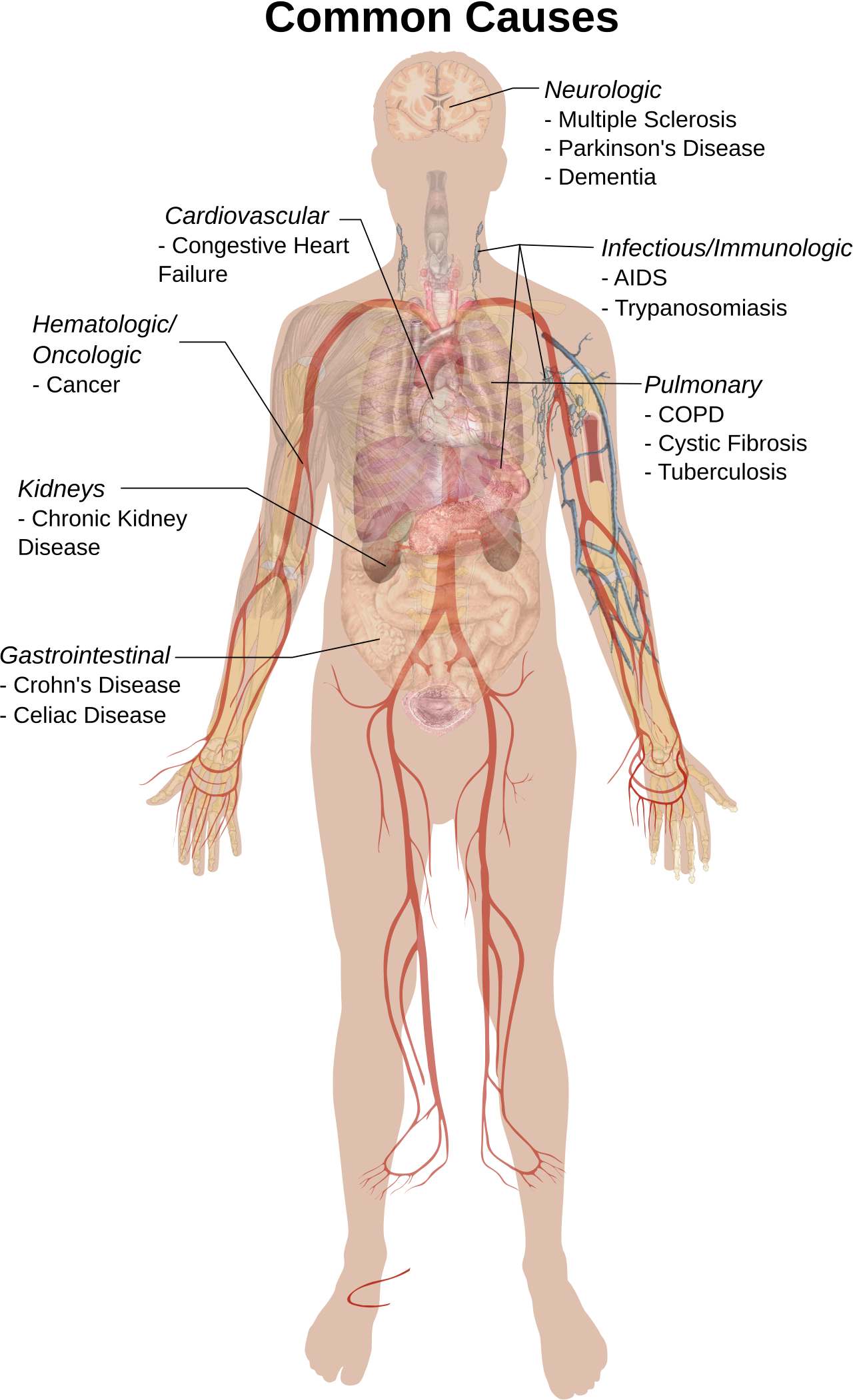
Cachexia is a syndrome tied to certain long-term illnesses, marked by muscle loss that doesn't fully reverse even when nutrition improves. It shows up most often in people with cancer, congestive heart failure, chronic obstructive pulmonary disease, chronic kidney disease, and AIDS. These diseases disrupt how the body manages inflammation, metabolism, and signals from the brain, which over time leads to muscle wasting and other harmful shifts in body composition.
Cachexia and malnutrition
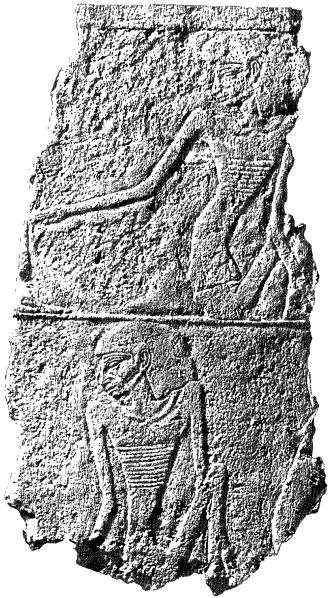
Unlike weight loss from simply not eating enough, cachexia primarily targets muscle, and it can occur with or without fat loss. Diagnosing it is tricky because there are no clear-cut guidelines, and how it presents varies from person to person. Like malnutrition, cachexia tends to worsen health outcomes and lower quality of life. How well someone does depends on the type and severity of their underlying illness, but the outlook is often poor, especially in late-stage disease.
Definition
Treating the root cause effectively can significantly improve cachexia, but symptom-focused approaches—like nutritional therapy and exercise—usually don’t reverse the syndrome and offer very limited help in advanced cases. Defining cachexia is tough because it often overlaps with malnutrition and sarcopenia. Since no clear rules separate these conditions, experts are still working to agree on definitions to better address nutrition-related problems.
In the past, cachexia was described as a complex metabolic syndrome tied to an underlying illness, characterized by muscle loss with or without fat loss. In 2011, experts updated this to call it a multifactorial syndrome defined by ongoing loss of skeletal muscle mass (with or without fat loss) that can’t be fully fixed by standard nutritional support and leads to progressive functional decline. They also proposed three stages: pre-cachexia, cachexia, and refractory cachexia. Cachexia and malnutrition are related but not the same.
Malnutrition happens when the body doesn’t get enough nutrients, causing changes in weight, physical strength, and mental function. It includes both disease-related malnutrition and non-disease forms like starvation or aging. Cachexia should be seen as a type of malnutrition where inflammation from a long-term illness drives unwanted muscle loss.
Lore & Background
Cachexia is a complex metabolic syndrome associated with underlying illness, characterized by loss of muscle with or without loss of fat mass. In 2011, experts updated the definition to emphasize ongoing loss of skeletal muscle mass that cannot be fully reversed by conventional nutritional support, leading to progressive functional impairment.
They proposed three stages: pre-cachexia, cachexia, and refractory cachexia. The syndrome is distinct from malnutrition, though related, as cachexia involves inflammation from long-term illness causing unwanted muscle loss, while malnutrition can occur without disease. Cachexia also differs from sarcopenia, which is caused by aging rather than disease and inflammation.
Defining an Elusive Syndrome
Cachexia resists a single, tidy definition. For years, clinicians described it as a complex metabolic syndrome tied to an underlying illness, marked by muscle loss that may or may not accompany fat loss. In 2011, a group of experts refined the language, calling it a multifactorial syndrome characterized by ongoing skeletal muscle loss that conventional nutritional support cannot fully reverse and that drives progressive functional impairment. That same year, they proposed dividing the condition into three progressive stages: pre-cachexia, established cachexia, and refractory cachexia.
The difficulty in pinning down the syndrome stems from its overlap with malnutrition and sarcopenia. Malnutrition broadly covers any nutrient shortfall, whether from disease, starvation, or aging, while cachexia specifically involves inflammation-driven muscle wasting from a chronic illness. Sarcopenia, by contrast, is the age-related decline in muscle mass. Because no universally accepted rules cleanly separate these conditions, researchers continue debating precise definitions, and the lack of consensus complicates both diagnosis and targeted treatment.
The Illnesses Behind the Wasting
While cachexia most frequently appears in the context of end-stage cancer, it is far from exclusive to oncology. The syndrome is a recognized complication of congestive heart failure, chronic obstructive pulmonary disease, chronic kidney disease, and AIDS. In each of these conditions, the body's normal handling of inflammation, metabolic processing, and brain-based signaling is disrupted, setting the stage for progressive muscle loss and broader changes in body composition.
Beyond these primary associations, cachexia can surface in the later phases of a wide range of systemic diseases, including cystic fibrosis, multiple sclerosis, motor neuron disease, Parkinson's disease, dementia, tuberculosis, multiple system atrophy, mercury poisoning, Crohn's disease, trypanosomiasis, rheumatoid arthritis, and celiac disease. What unites these diverse conditions is their capacity to trigger the inflammatory and metabolic cascades that drive muscle catabolism. The breadth of associated illnesses underscores that cachexia is not a disease in its own right but a shared downstream consequence of chronic, whole-body physiological disruption.
How the Body Turns Against Itself
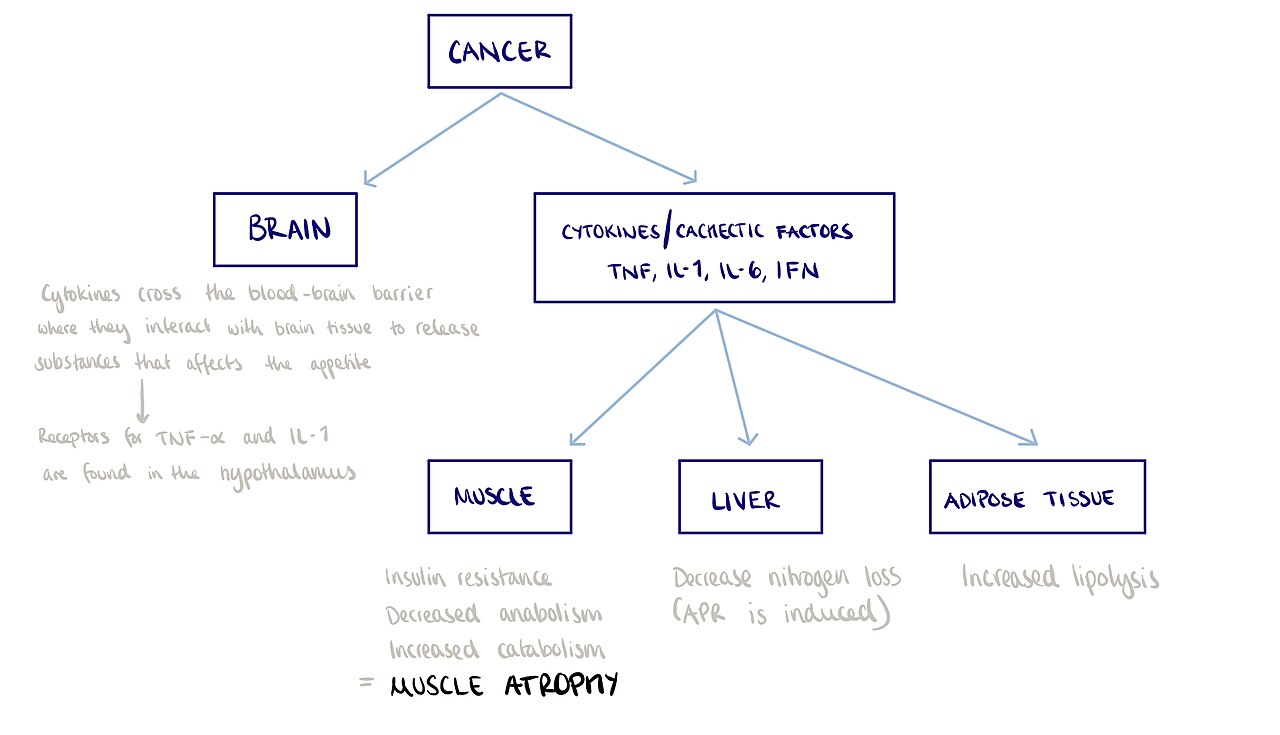
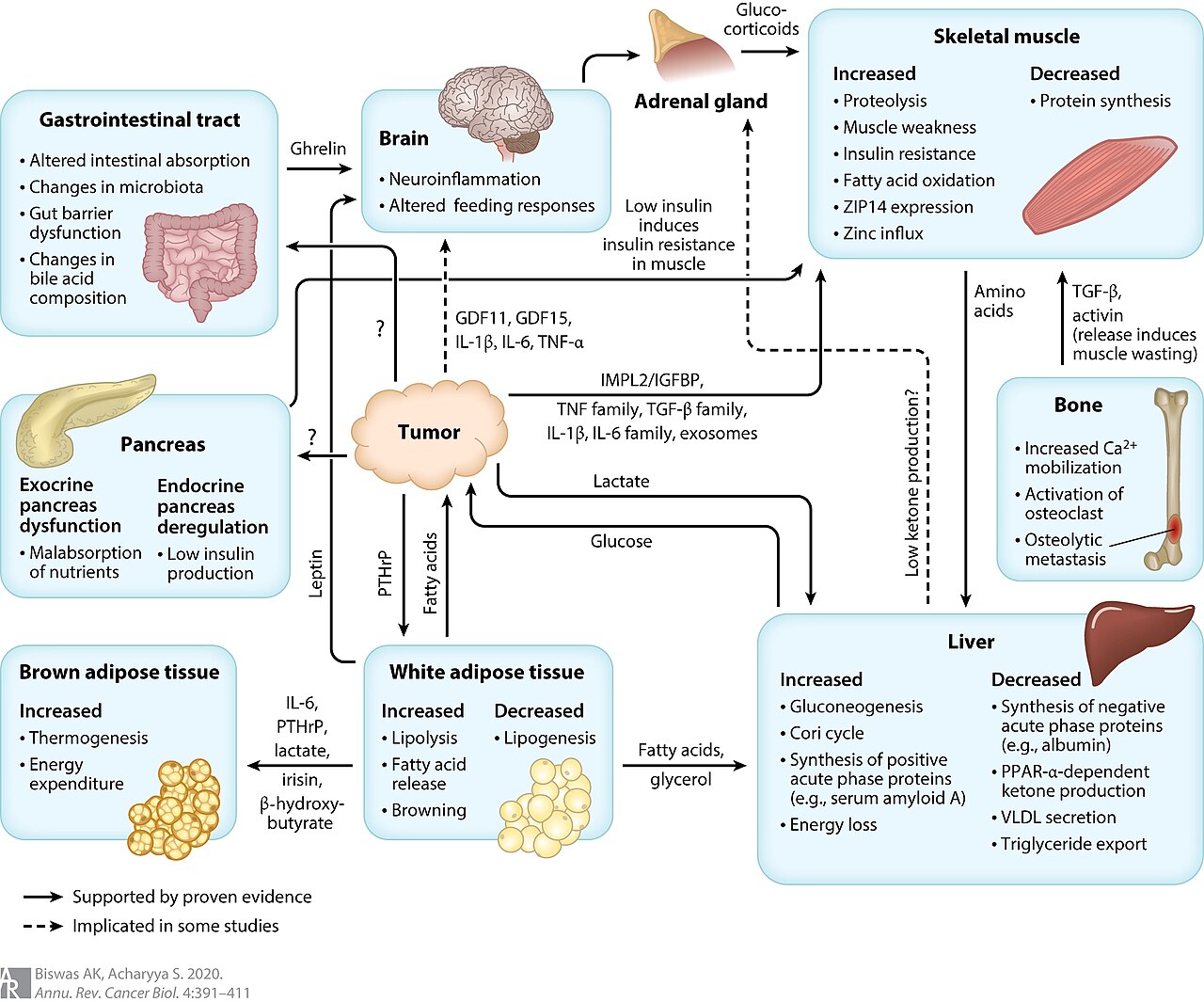
The precise mechanisms behind cachexia remain incompletely understood, but research points to three interconnected drivers: inflammatory signaling, metabolic derangement, and hormonal disruption. On the inflammatory front, cytokines such as tumor necrosis factor and interleukin-6 play central roles. TNF accelerates the breakdown of muscle and fat while simultaneously blocking the formation of new tissue through the ubiquitin proteasome pathway, and it triggers a cascade of additional cytokines that compound the damage. IL-6 is believed to activate the JAK/STAT pathway and may stimulate acute-phase reactants that further worsen muscle loss.
Other contributors include myostatin, which suppresses muscle growth and is often elevated in cancer patients, and GDF-15, linked to food aversion and reduced intake. Metabolically, tumors can release molecules like lipid mobilizing factor and proteolysis-inducing factor that directly dismantle tissue, while uncontrolled inflammation raises the body's nutrient demands. Hormonally, glucocorticoids, leptin, and parathyroid-related peptide each distort appetite, energy use, and muscle maintenance, and the hypothalamus itself becomes affected.
Diagnosis, Treatment, and the Road Ahead
Diagnosing cachexia remains one of its most persistent challenges. There are no universally accepted clinical guidelines, and the syndrome's presentation shifts from one patient to the next, making a standardized diagnostic protocol elusive. This ambiguity is compounded by the syndrome's overlap with malnutrition and sarcopenia, conditions that share overlapping symptoms of weakness, appetite loss, and declining body mass. When it comes to treatment, the outlook is sobering.
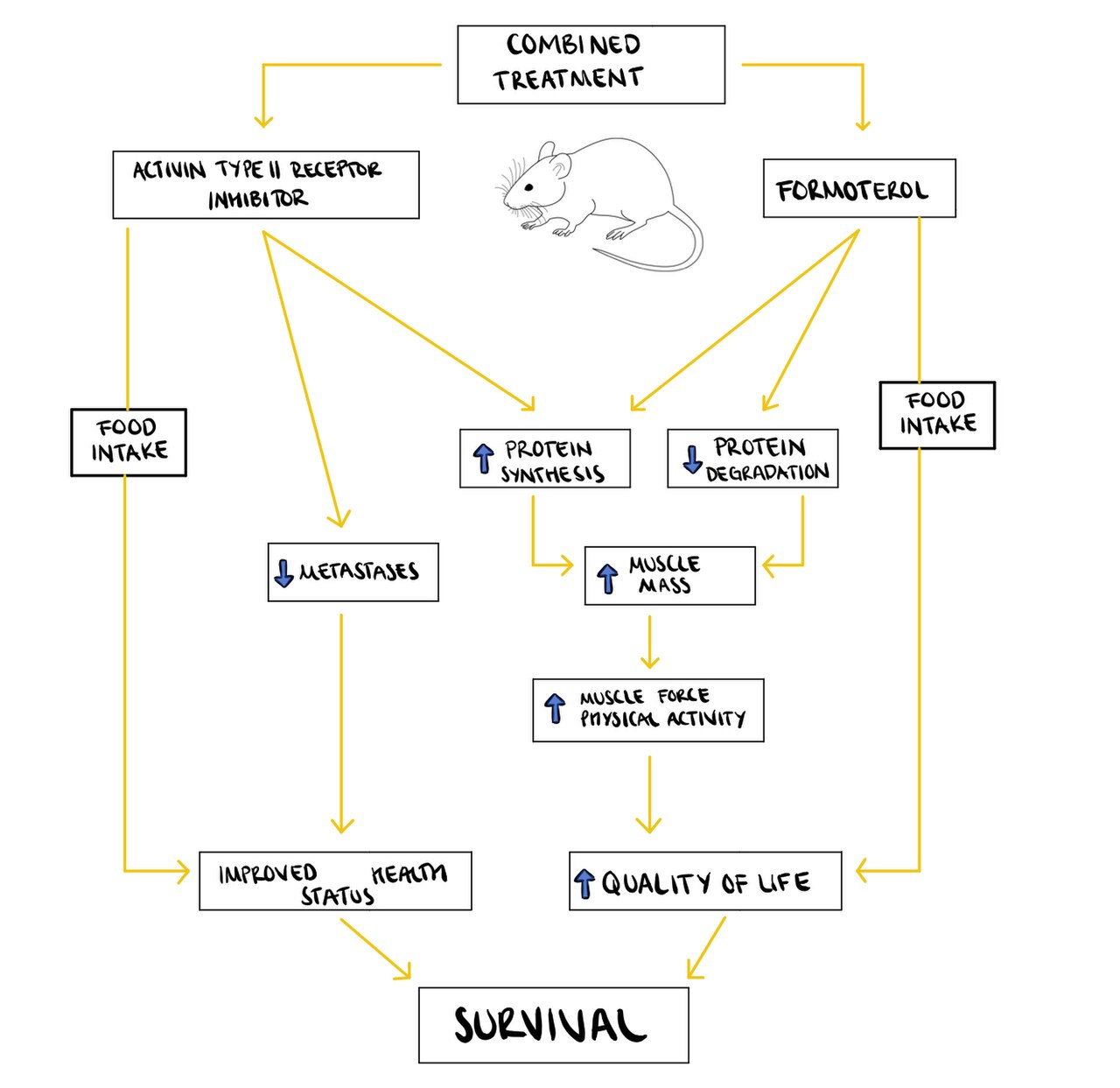
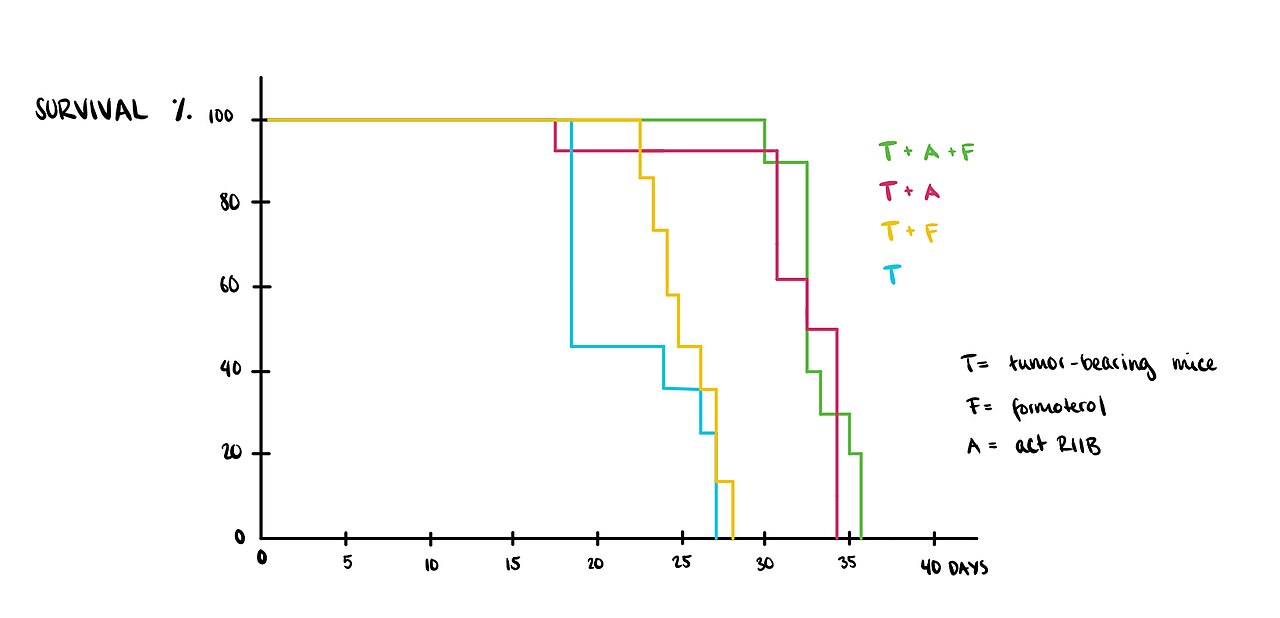
Symptomatic interventions such as nutritional therapy and structured exercise have not been shown to reverse the syndrome, and their benefit is especially limited in advanced or refractory stages. The one pathway that can meaningfully improve cachexia is effective treatment of the underlying illness itself. Prognosis, however, is generally poor, particularly for patients in the later stages of their disease. Like malnutrition, cachexia worsens overall health outcomes and erodes quality of life, and because it resists the very nutritional support that would address simple caloric deficiency, it demands a fundamentally different clinical approach.
Reader's Guide
Cachexia is significant because it worsens health outcomes and quality of life for patients with chronic illnesses, and its prognosis is typically poor, especially in late-stage disease. The syndrome can improve with effective treatment of the underlying illness, but symptomatic treatments like nutritional therapy and exercise have very limited benefit in advanced cases.
Diagnosis remains difficult due to lack of clear guidelines, and experts continue working to agree on definitions. The mechanisms involve inflammation (via TNF and IL-6), metabolic changes (including lipid mobilizing factor and mitochondrial uncoupling proteins), and hormonal disruptions (such as glucocorticoids, leptin, and parathyroid-related peptide). Scoring systems like the Cachexia Staging Score help categorize severity into non-cachexia, pre-cachexia, cachexia, and refractory cachexia stages.
Frequently Asked Questions
What is Cachexia?
Cachexia is a progressive muscle-wasting syndrome that develops alongside certain chronic illnesses, driven by disrupted inflammatory and metabolic signaling rather than by caloric shortage alone. Its hallmark is skeletal muscle loss that persists even after nutritional intake is restored.
Which diseases does Cachexia most commonly appear alongside?
It is most frequently seen in patients with cancer, congestive heart failure, chronic obstructive pulmonary disease, chronic kidney disease, and AIDS. These conditions share overlapping pathways that derange inflammation, metabolism, and brain-to-body signaling over time.
How does Cachexia differ from ordinary starvation or simple weight loss?
Unlike undernutrition, cachexia selectively targets skeletal muscle and can occur with or without accompanying fat loss. The underlying inflammatory and metabolic derangement means muscle wasting continues even when caloric intake is corrected.
What key molecules drive Cachexia's muscle-wasting effects?
Cytokines such as tumor necrosis factor (TNF) and interleukin-6 (IL-6), together with growth regulators myostatin, activin, and GDF-15, form the core signaling cascade that tips the body toward catabolism. These molecules collectively promote breakdown of muscle protein over time.
More in Symptoms and signs: Endocrinology, nutrition, and metabolism
Sources
Compiled from Wikipedia and the sources listed below. Text from Wikipedia is available under CC BY-SA 4.0; this entry is adapted from it.
- Wikipedia: Cachexia (CC BY-SA 4.0).
- Word definitions: the Codexery glossary, each quoted from its Wikipedia article.
Spotted an error? Know more?
Reader corrections go straight into our review queue. Suggest an edit · How this site is sourced