
Aerophagia
A condition of excessive air swallowing with obscure gut entry mechanism.

Aerophagia, also known as aerophagy, is a condition involving the excessive swallowing of air, which ends up in the stomach rather than the lungs. In some cases, the primary symptom is excessive flatulence. The exact process that allows air to enter the digestive tract is not well understood. Within psychiatry, the condition is often linked to nervousness or anxiety.
The condition affects roughly 0.1 to 1 percent of the general population, though this figure may be low due to underreporting.
Common causes include chewing gum excessively, smoking, drinking carbonated beverages, eating too quickly, anxiety, high continuous positive airway pressure, and wearing loose dentures. Some people deliberately swallow air to increase the length and volume of a belch, as the swallowed air raises the stomach’s partial pressure and expands the burp. In individuals with cervical spinal blockages, inhaling can involuntarily push some air into the esophagus and stomach.
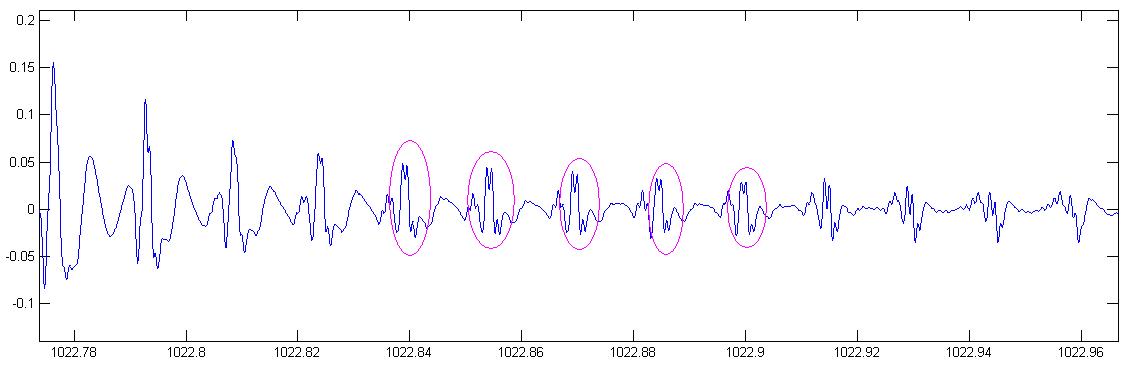
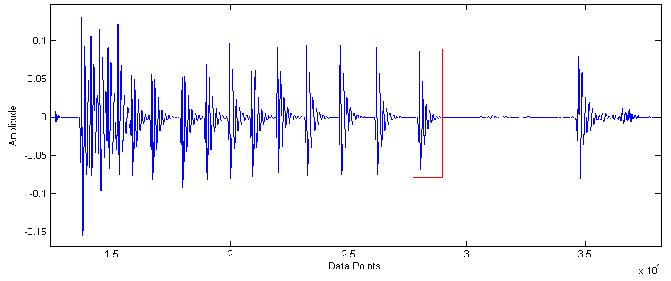
Diagnosis occurs in 8.8 percent of cognitively delayed patients, where the coordination between swallowing and breathing is impaired and not clearly defined. Aerophagia is a dangerous potential side effect of non-invasive ventilation (NIV), which is commonly used for respiratory problems, cardiovascular critical care, or during surgery requiring general anesthesia. When aerophagia arises during NIV, it is typically diagnosed by experienced medical specialists who intermittently check patients for emerging issues. The diagnosis relies on the sound heard through a stethoscope placed on the abdomen. This method sometimes detects the problem later than it develops, possibly later than necessary. Delayed detection or response can lead to gastric distension, which may elevate the diaphragm, cause aspiration of stomach contents into the lungs, or result in pneumatic rupture of the esophagus due to extreme gastric insufflation.
- Prevalence
- 0.1–1% of the general population
- Associated factors
- chewing gum, smoking, carbonated drinks, eating too quickly, anxiety, high continuous positive airway pressure, loose dentures
- Diagnosis in cognitively delayed patient
- 8.8%
- Deliberate use
- to increase length and volume of a belch
- Risk factor
- non-invasive ventilation (NIV)
Lore & Background
Aerophagia is associated with behaviors such as excessively chewing gum, smoking, drinking carbonated drinks, and eating too quickly, as well as anxiety, high continuous positive airway pressure, and wearing loose dentures. It can also be carried out deliberately as a voluntary action to increase the length and volume of a belch, as swallowed air increases partial pressure in the stomach and expands a burp. In people with cervical spinal blockages, inhaling can cause some air to enter the esophagus and stomach involuntarily.
Reader's Guide
Aerophagia is a condition of excessive air swallowing that affects approximately 0.1–1% of the general population, though prevalence may be underestimated due to underreporting. Its significance lies in its potential as a dangerous side effect of non-invasive ventilation (NIV), commonly used in treatments of respiratory problems, cardiovascular critical care, or during surgery requiring general anesthesia. When aerophagia occurs during NIV, diagnosis is normally made by experienced medical specialists listening through a stethoscope placed outside the abdominal cavity, though this approach may detect the problem later than necessary. Belated detection or response can lead to gastric distension, which may elevate the diaphragm, cause aspiration of stomach contents into the lungs, or result in pneumatic rupture of the esophagus due to extreme gastric insufflation. The condition is also diagnosed in 8.8% of cognitively delayed patients where coordination between swallowing and respiration is impaired.
Did You Know?
- The actual mechanism by which air enters the gut is obscure or unknown.
- Belated detection of aerophagia during NIV may lead to gastric distension or pneumatic rupture of the esophagus.
The Sensation and Its Severity
Abdominal distension describes the physical expansion of the belly that occurs when gas or fluid builds up inside the abdominal cavity. Rather than being a standalone disease, it functions as a warning signal pointing toward some deeper dysfunction elsewhere in the body. People who experience it most often describe the feeling as persistent bloat—a heavy, stretched sensation accompanied by pressure, fullness, and occasionally nausea, cramping, or sharp pain. In the most severe presentations, the expanding contents push upward against the diaphragm and compress the lungs, producing genuine shortness of breath. The gas responsible is most frequently trapped in the stomach, the small intestine, or the colon. A simple act of belching or passing gas can relieve or at least soften the pressure, and medications designed to settle intestinal gas are a common first-line response to the discomfort.
A Vast Web of Triggers
The origins of bloating stretch from the mundane to the medically serious. At the simplest end, aerophagia—swallowing excess air while eating—combined with overeating can trigger noticeable distension. A step further up the ladder sit conditions like irritable bowel syndrome, functional dyspepsia, transient constipation, diabetes, and inflammatory bowel diseases such as Crohn's disease and ulcerative colitis. More uncommon triggers include lactose intolerance, parasitic infections like giardia, bacterial food poisoning, celiac disease, severe peptic ulcer disease, bowel obstruction, and the aftermath of abdominal surgery. Heart failure and liver cirrhosis produce a different kind of distension driven by fluid pooling in the peritoneal cavity, and ovarian cancer can present with the same symptom. Women report bloating more frequently, often tracking it to their menstrual cycle. Some individuals have genuinely slowed intestinal motility or an exaggerated sensitivity to gut sensations, meaning even a small volume of air registers as fullness without any measurable expansion. Certain drugs, including antidepressants and anti-spasmodics, can worsen motility and compound the problem.
Working Through the Diagnosis
Because abdominal distension is a shared symptom of dozens of distinct conditions, the diagnostic process begins with identifying the true underlying etiology. Clinicians must first construct a differential diagnosis, weighing the full spectrum of possibilities before narrowing the focus. A careful, detailed medical history is essential at this stage. Causes are generally sorted into two broad categories. As a primary or underlying issue, the most frequent culprits are constipation, food intolerances such as lactose intolerance, and overeating that generates excess gas during digestion. As a secondary manifestation of another disease, distension may signal celiac disease, gastroesophageal reflux disease, peptic ulcer disease, or the accumulation of fluid in the peritoneal cavity known as ascites. The broader list of conditions that can present with a distended abdomen is extensive, spanning parasitic infections, cystic fibrosis, diverticulitis, gastroparesis, kidney stones, pregnancy, premenstrual syndrome, and even anterior pelvic tilt. Persistent or recurrent bloating should prompt investigation for intestinal parasites, infections, or other systemic medical conditions.
Managing and Treating the Discomfort
Bloating is not a life-threatening condition, and in the majority of cases it responds to straightforward home remedies and dietary adjustments. Understanding food triggers is central to management. Components that resist digestion pass into the large intestine, where resident bacteria break them down and release gas; the specific undigested material influences both the volume and the odor of the resulting gas. Excess dietary fiber is a well-known contributor, and vegetables rich in fiber and indigestible sugars like raffinose—beans, cabbage, broccoli—frequently provoke belching and bloating. For those with lactose intolerance, removing dairy from the diet is the most direct relief. On the medication side, enzyme-based supplements such as Beano are formulated to break down complex carbohydrates before bacteria can act on them, though they reduce gas and belching more reliably than they reduce the sensation of bloat itself. Simethicone and activated charcoal are other over-the-counter options, while probiotics are used on the rationale that a healthier gut microbiome improves digestion and curbs gas production.
Gallery
Frequently Asked Questions
What is Aerophagia?
Aerophagia is a digestive condition in which a person habitually swallows far more air than usual, and that air travels into the stomach rather than being exhaled. The exact pathway by which the air bypasses the lungs and reaches the gut is still not fully understood by researchers.
How common is Aerophagia in the general population?
Current estimates place prevalence between 0.1 % and 1 % of people, though clinicians widely suspect the real figure is higher because sufferers are prone to underreporting the condition.
What are the main triggers or causes of Aerophagia?
Frequent gum-chewing, smoking, drinking carbonated beverages, and eating at a rushed pace are all well-recognized contributors that push extra air into the digestive tract. On the psychological side, anxiety and nervousness are strongly linked to the condition within psychiatry.
What is the most noticeable symptom of Aerophagia?
For many affected individuals, the standout sign is an unusually high volume of flatulence, since the swallowed air must eventually leave the body. This can make the condition socially embarrassing and a reason people avoid seeking help.
Can someone use Aerophagia deliberately?
Yes—some people intentionally swallow extra air specifically to make a belch longer and louder. This is the one recognized purposeful use of the air-swallowing mechanism behind the condition.
More in Symptoms and signs: Digestive system and abdomen 1-24
Spotted an error? Know more?
Reader corrections go straight into our review queue. Suggest an edit · How this site is sourced