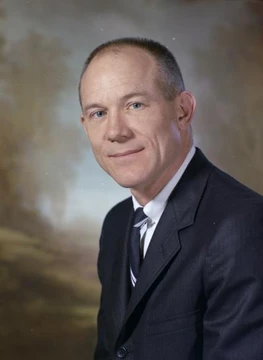
Nico Broekhuysen
Dutch teacher who invented the mixed-gender sport of korfball.

Nationaal Archief · CC0
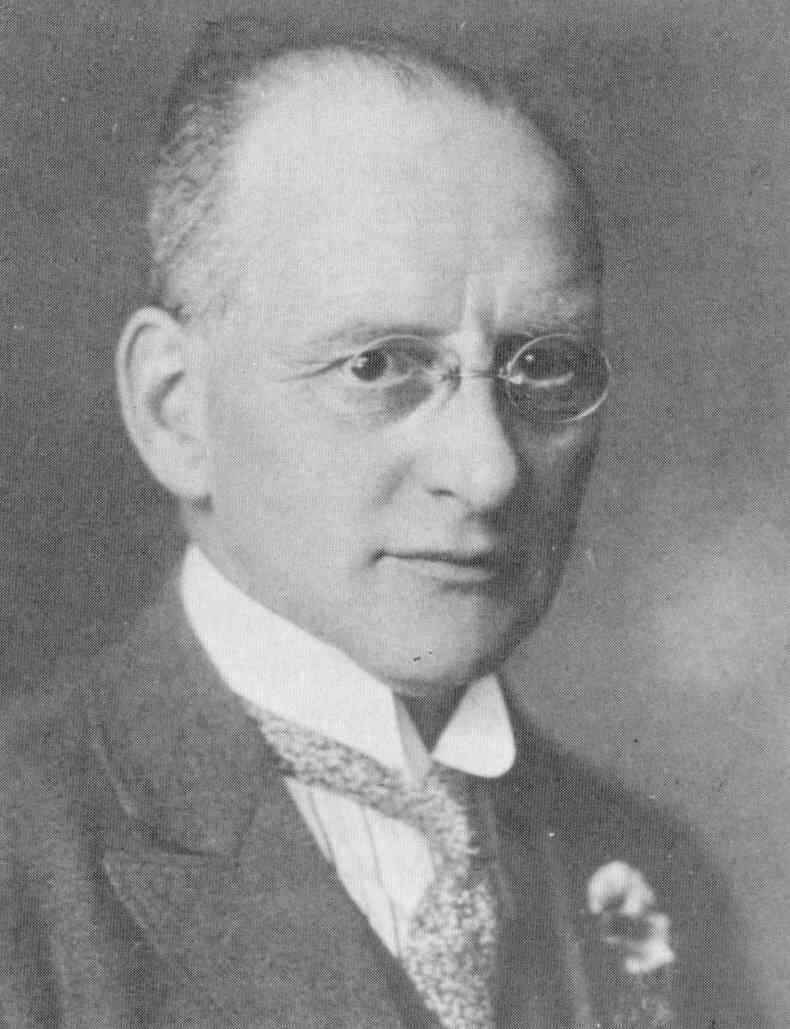
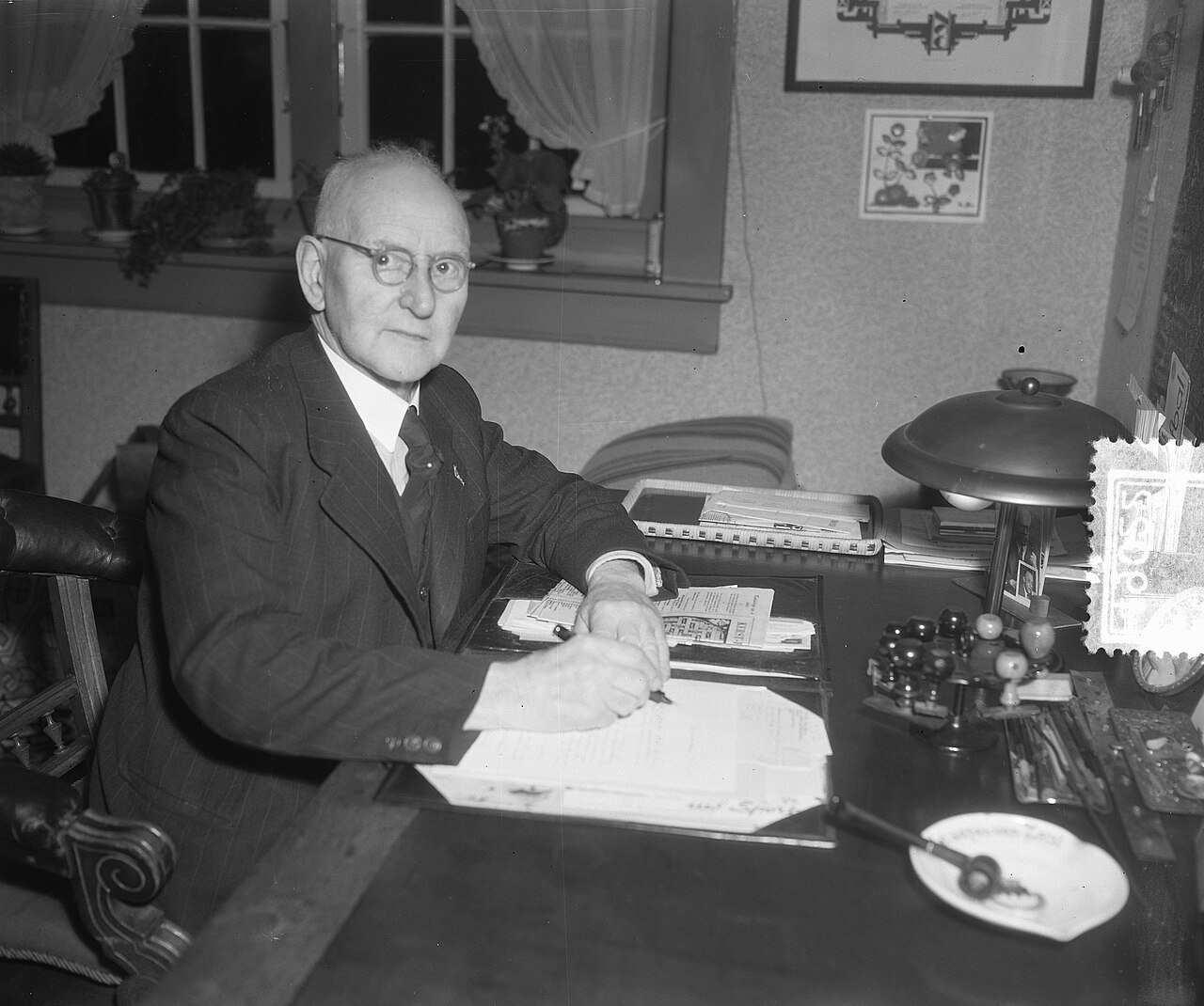
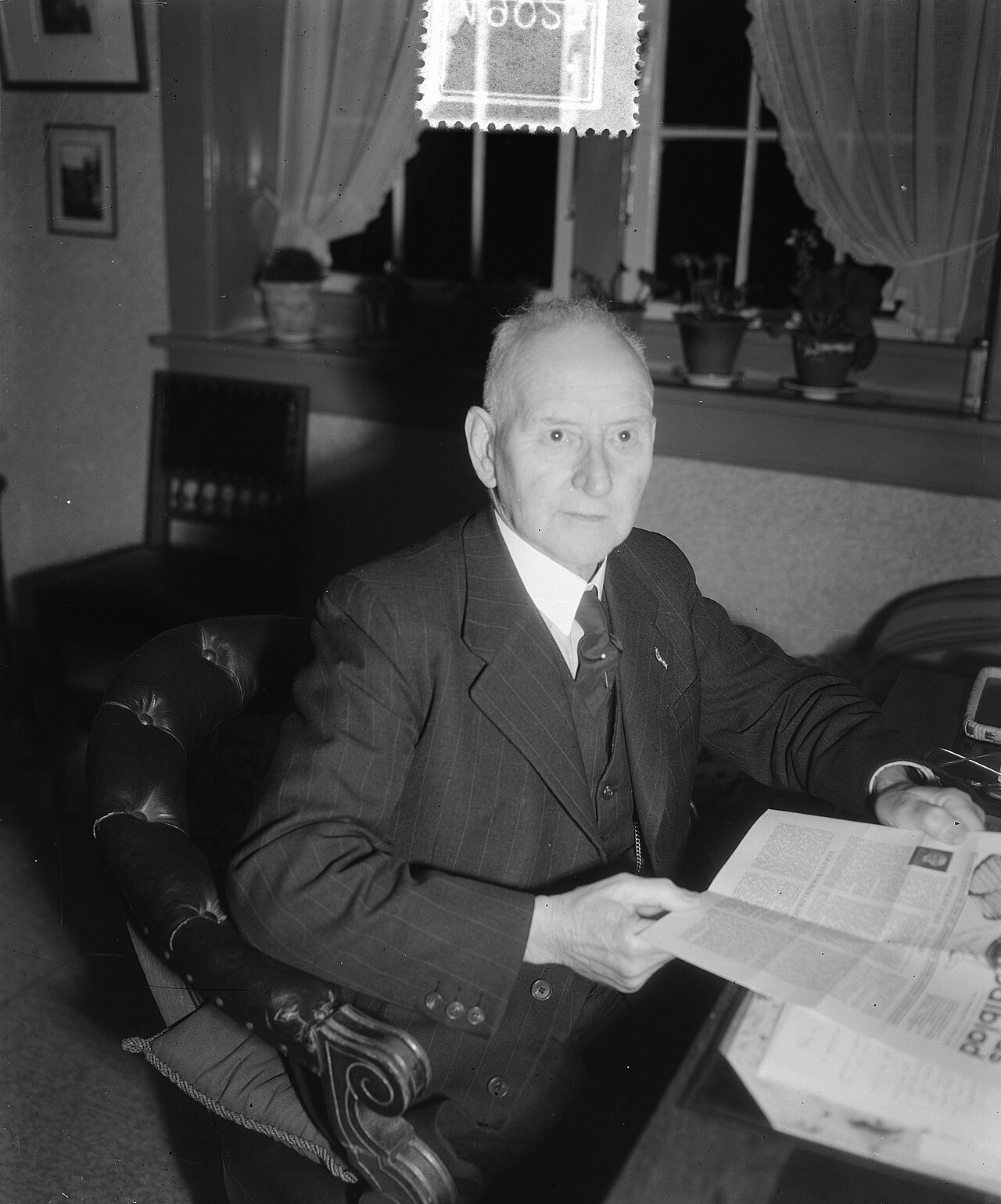
Nicolaas Broekhuysen (30 December 1876 – 13 May 1958), better known as Nico Broekhuysen, was a Dutch teacher who invented the sport of korfball. He introduced the game in the Netherlands after adapting a Swedish game called ring boll, and his version became a popular but controversial mixed-gender sport.
Quick Facts
- Birth Name
- Nicolaas Broekhuijsen
- Birth Date
- 1876-12-30
- Birth Place
- Dordrecht, Netherlands
- Death Date
- 1958-05-13
- Death Place
- Hilversum, Netherlands
- Known For
- Inventing korfball
Facts from the source article.
Lore & Background
Broekhuysen worked as a teacher in Oisterwijk, later in Nijmegen, and then in Amsterdam at a new school association. In 1902, he attended a course in the Swedish village near Nääs Castle, where he observed a game called ring boll, played by mixed-gender teams who threw a ball through a ring on a three-meter pole across a field divided into three sections. Upon returning to Amsterdam, he introduced a similar game to his students, simplifying the rules and replacing the ring with a basket. The first game was played on a vacant lot at the Jan Luykenstraat. When the Amsterdam Association for Physical Education sought a game suitable for both boys and girls, Broekhuysen presented his version.
Reader's Guide
Broekhuysen's invention of korfball filled a niche for a team sport that allowed mixed-gender participation, a progressive idea in the early 1900s. The Dutch Korfball Association was founded on June 2, 1903, with Broekhuysen as its first president. Despite immediate popularity, the sport faced controversy due to its mixed play, which some considered immoral; one newspaper called it 'a monster, that extends its claws to all sides.' Broekhuysen later helped bring korfball to the 1920 Summer Olympics in Antwerp as a demonstration sport. In 1933, he co-founded the International Federation of Korfball and remained president of the Dutch league until 1934, after which he became honorary chairman. He died in 1958 at age 81 and was buried in Baarn, where he had served as head of a school.
Did You Know?
- Broekhuysen first saw the game ring boll in 1902 in a Swedish village near Nääs Castle.
- Korfball was a demonstration sport at the 1920 Summer Olympics in Antwerp with Broekhuysen's help.
- The International Korfball Federation (IKF) was founded in 1933 by representatives from Belgium, the Netherlands, and also Germany, not by Broekhuysen.
From Ring Boll to Korfball: The Birth of a Sport
In 1902, Nico Broekhuysen traveled to a small Swedish village near Nääs Castle to attend a course. It was there that he witnessed a game called ring boll, played by mixed-gender teams. The objective was deceptively simple: players had to hurl a ball through a ring mounted atop a three-meter pole, with the playing field split into three zones from which athletes could step out to make their throws. The experience left a lasting impression on the Dutch educator. Back in Amsterdam, where he taught at a newly established school association, he began experimenting with a simplified version of what he had seen. He stripped away the more complex elements of ring boll and swapped the overhead ring for a basket, making the game more accessible and easier to organize. The very first match took place on an empty lot along the Jan Luykenstraat. When the Amsterdam Association for Physical Education expressed a need for an activity in which both boys and girls could participate together, Broekhuysen stepped forward with his creation, and korfball was officially born.
A Life Devoted to the Classroom
Before he ever invented a sport, Nicolaas Broekhuijsen was, above all, a dedicated educator. Born on 30 December 1876 in the Netherlands, he built his professional identity around teaching. His career took him through several Dutch cities: he first held a position in Oisterwijk, then moved to Nijmegen, and eventually settled in Amsterdam, where he joined a newly formed school association. It was during his Amsterdam years that his teaching philosophy intersected with his growing interest in physical education, ultimately giving rise to korfball. After the sport took off, Broekhuysen continued his educational work, eventually relocating to Baarn, where he assumed the role of head of a school. He remained in that capacity until his later years. His life came to a close on 13 May 1958, at the age of eighty-one, and he was laid to rest in Baarn, the town that had been his final home. Throughout his decades in the classroom, Broekhuysen championed the idea that physical activity should be inclusive, a conviction that would define his most enduring contribution to Dutch culture.
Building the Korfball World
The rapid popularity of korfball demanded formal organization, and Broekhuysen was at the center of that effort. On 2 June 1903, the Dutch Korfball Association was established, and Broekhuysen was named its president. Under his leadership, the sport grew quickly across the Netherlands, and he served as president of the Dutch league until 1934, after which he transitioned to the role of honorary chairman. His ambitions, however, stretched well beyond national borders. In 1933, he co-founded the International Federation of Korfball, the body that would coordinate the sport's development worldwide. This was a remarkable achievement for a man whose primary profession was teaching, yet his organizational instincts and passion for inclusive physical education drove him to build institutional structures that outlasted his own lifetime. The fact that korfball was selected as a demonstration sport at the 1920 Summer Olympics in Antwerp, with Broekhuysen's direct involvement, underscored the international recognition the game was already earning. His dual role as educator and administrator gave korfball both a philosophical foundation and a bureaucratic framework, ensuring its survival as a structured, competitive discipline.
A Monster with Claws: Controversy and Enduring Legacy
Korfball's most distinctive feature—mixed-gender play—was also the source of its fiercest criticism. In the early twentieth-century Dutch social climate, the idea of boys and girls competing together on the same field struck many as deeply immoral. The backlash was swift and venomous. One newspaper editorial declared the sport to be a monster extending its claws in every direction, a vivid metaphor that captured the public's discomfort with gender mixing in athletic competition. Broekhuysen, however, remained committed to the principle that physical education should not be segregated by sex. His conviction was vindicated over time as korfball spread internationally and was even showcased as a demonstration event at the 1920 Antwerp Olympics. By the time he passed away in 1958 at the age of eighty-one, the game he had improvised on a vacant Amsterdam lot had become a recognized international sport with its own governing federation. Buried in Baarn, Broekhuysen left behind not just a set of rules but a bold challenge to the social norms of his era, one that gave the sport its defining character from the very first match onward.
Gallery

Frequently Asked Questions
Who is Nico Broekhuysen?
Nico Broekhuysen was a Dutch schoolteacher who is best remembered as the creator of korfball, a team sport played with mixed-gender lineups. He lived from 30 December 1876 to 13 May 1958.
What sport did Nico Broekhuysen invent?
He is credited with inventing korfball, a mixed-gender court sport in which players throw a ball into a raised hoop rather than dribbling it past a goal. The game was introduced in the Netherlands and quickly gained a devoted following.
How did Nico Broekhuysen come up with korfball?
Broekhuysen took inspiration from a Swedish game known as ring boll and reshaped its rules and structure into a new format. His adapted version emphasized cooperative play and equal participation between men and women on the same team.
Why was korfball considered controversial when it was introduced?
The sport's core design required men and women to play side by side on the same team, which challenged the era's prevailing norms about gender separation in athletics. Despite that resistance, the game spread widely across the Netherlands and beyond.
What was Nico Broekhuysen's profession before he created korfball?
He worked as a teacher in the Netherlands, and it was in that educational context that he developed and promoted the new mixed-gender sport. His background in teaching clearly shaped his emphasis on inclusive, cooperative gameplay.
More in Sports inventors and innovators 1-24
Spotted an error? Know more?
Reader corrections go straight into our review queue. Suggest an edit · How this site is sourced