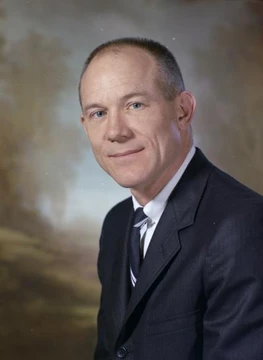
Joan Pritchard
Wife of inventor Joel Pritchard who named the game pickleball.

Joan Pritchard was the wife of Joel Pritchard, one of the inventors of pickleball. She is credited with naming the game, drawing a comparison to a 'pickle boat' in crew, where oarsmen are chosen from leftovers of other boats.
Quick Facts
- First
- 1965, Bainbridge Island, Washington, United States
- Contact
- No
- Team
- Singles or doubles
- Mgender
- Yes, separate singles, doubles, mixed doubles
- Equipment
- Plastic pickleball, composite or wooden paddle, and net
- Venue
- Outdoor or indoor, pickleball court
- Glossary
- Glossary of pickleball
- Region
- Worldwide
Facts from the source article.
Lore & Background
According to Joan Pritchard, the name 'Pickle Ball' came about because the game reminded her of a pickle boat in crew, where oarsmen were chosen from the leftovers of other boats. She stated this after the game was created from leftover equipment from several sports: a badminton court, paddleball paddles, a wiffle ball, and a net height like that of tennis.
Other sources claim the name derived from the Pritchards' family dog, Pickles. However, the Pritchards stated the dog came along after the game had already been named, and the dog was named for the game. They said confusion arose when a reporter in the early 1970s decided it would be easier for readers to relate to the dog rather than a pickle boat. USA Pickleball research confirmed the dog Pickles was born after the game had already been named.
Authors Jennifer Lucore and Beverly Youngren could not conclusively determine whether the game was named for the dog or the dog for the game, and noted a third possibility: Bill Bell claimed he named the game because he enjoyed putting opponents in a pickle.
Reader's Guide
Joan Pritchard's contribution to pickleball is foundational: she provided the name that would become globally recognized. Her explanation linking the game to a 'pickle boat' reflects the sport's origins as a composite of other games. The naming controversy—whether from the dog or the boat—remains unresolved in the source article, but Joan's account is the earliest attributed. Her role highlights how the sport's identity was shaped by those close to its inventors, and her naming choice has endured despite competing narratives. The article does not provide her birth or death dates, nor any other biographical details beyond her marriage to Joel Pritchard and her naming of the game.
Did You Know?
- Joan Pritchard said the name 'Pickle Ball' reminded her of a pickle boat in crew where oarsmen were chosen from leftovers of other boats.
- The Pritchards stated that the family dog, Pickles, was named after the game, not the other way around.
Frequently Asked Questions
Who is Joan Pritchard?
Joan Pritchard was an American woman best known as the wife of Joel Pritchard, one of the co-inventors of the paddle sport pickleball. She is recognized specifically for her role in giving the new game its now-iconic name.
What is Joan Pritchard most famous for?
She is credited with coining the term "pickleball" for the sport her husband helped create. Her contribution lies in the naming of the game rather than in its physical design, rules, or equipment.
How did she come up with the name "pickleball"?
Joan drew a parallel to the idea of a "pickle boat" in crew rowing, a boat assembled from leftover oarsmen who didn't make the primary crews. She felt the informal, mixed-together nature of the new game matched that "leftover" spirit, and the name stuck.
What is a "pickle boat" in rowing?
In crew, a pickle boat is a boat crewed by oarsmen who were surplus after the main boats were filled. Joan Pritchard borrowed this nautical term as the inspiration for what she called the new paddle sport.
Why does Joan Pritchard matter in sports history?
While the physical invention of pickleball is typically attributed to its male co-creators, Joan's naming contribution gave the sport its identity and made it instantly memorable. Without her, the game likely would not carry the distinctive, playful name that helped it spread worldwide.
More in Sports inventors and innovators 1-24
Spotted an error? Know more?
Reader corrections go straight into our review queue. Suggest an edit · How this site is sourced