
Hibria
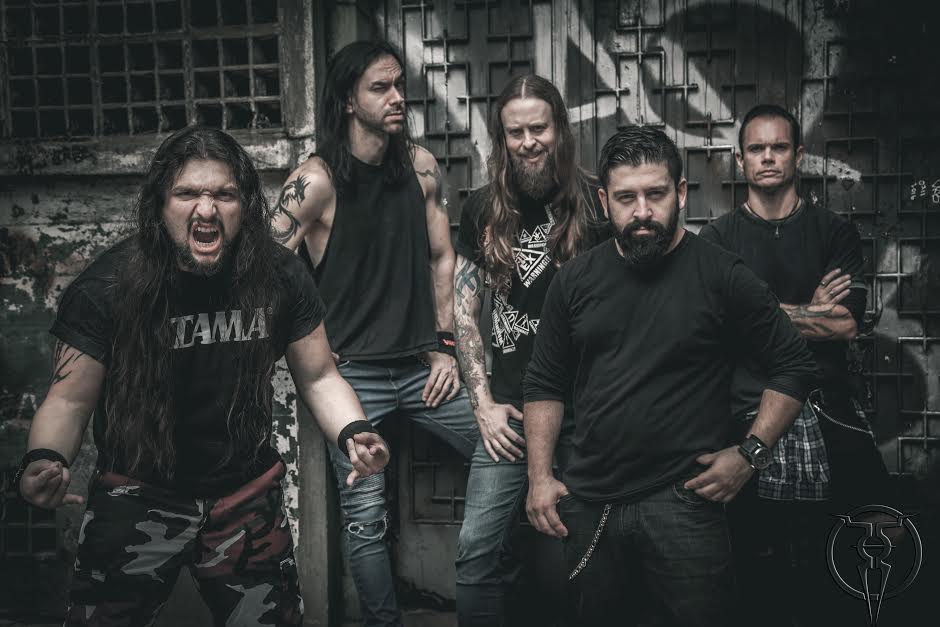
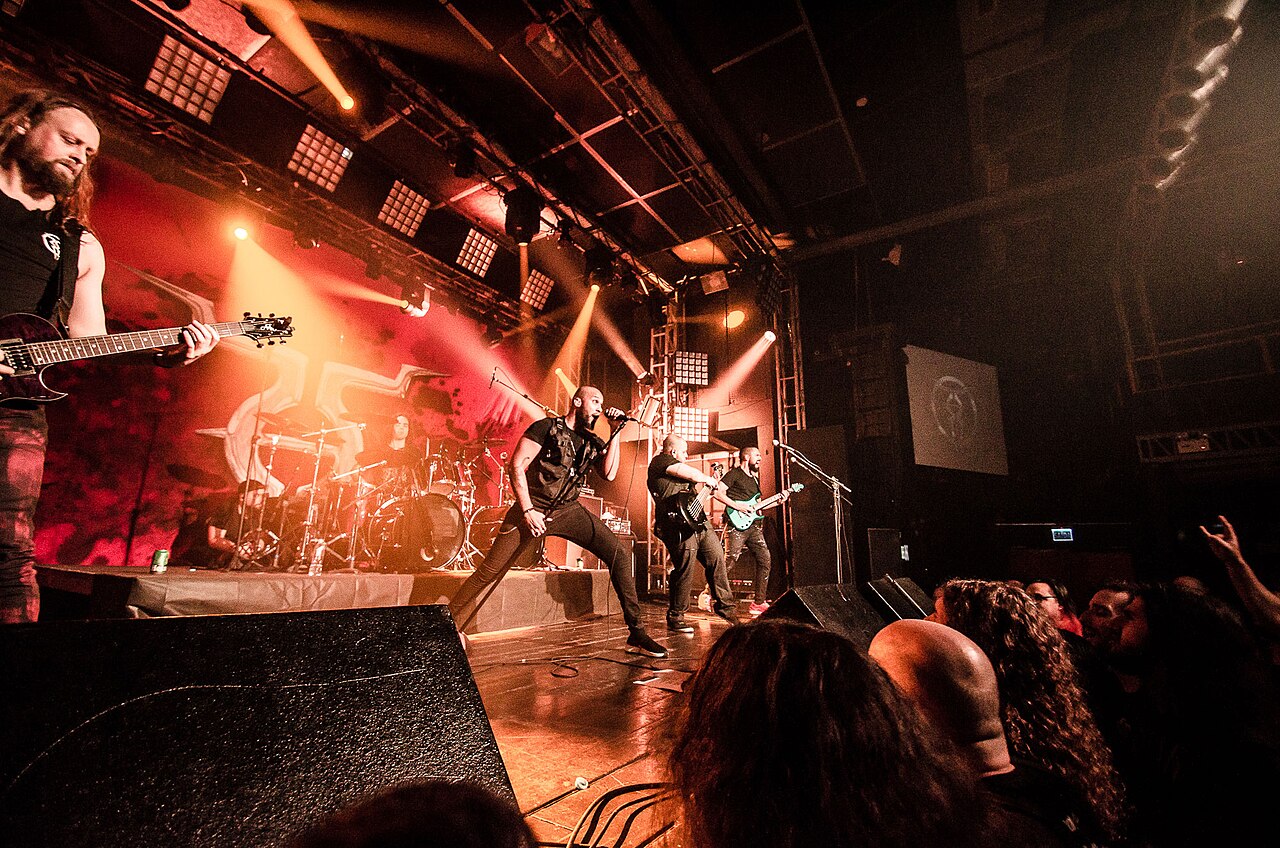
Brazilian power metal band known for technical speed.

Ramsvidor · CC BY-SA 4.0
Hibria (stylized in all caps) is a Brazilian power metal band recognized for its technical playing and fast tempos. The group draws inspiration from traditional metal acts like Iron Maiden and Judas Priest, thrash bands such as Metallica and Megadeth, and progressive groups including Dream Theater. In 2001, the band toured Europe on the "Against the Faceless" demo tour, performing 29 shows across Belgium, Germany, the Netherlands, the Czech Republic, and Poland. Hibria was scheduled to appear at ProgPower USA XVI in September 2015, which would have marked their first U.S. performance, but they were denied entry into the country and did not play. In December 2017, it was announced that vocalist Iuri Sanson, drummer Eduardo Baldo, guitarist Renato Osorio, and bassist Ivan Beck were leaving the band. A final album with that lineup, titled *Moving Ground*, was released in Japan in February 2018. The current lineup includes guitarist Abel Camargo (since 1996), guitarist Vicente Telles (since 2022), vocalist Ângelo Parisotto (since 2025), bassist Tiago Assis (since 2025), and drummer William Schuck (since 2025). Former members include drummers Savio Sordi (1996–2005), Eduardo Baldo (2005–2017), Martin Estevez (2018), and Otávio Quiroga (2019–2024); bassists Marco Panichi (1996–2010), Benhur Lima (2010–2016), Ivan Beck (2016–2017), Alexandre Panta (2019–2021), and Thiago Baumgartem (2021–2024); guitarists Diego Kasper (1996–2012), Renato Osorio (2012–2017), Guga Munhoz (2018), and Bruno Godinho (2019–2022); and vocalists Iuri Sanson (1996–2017) and Victor Emeka (2018–2024). The band released two demos: *Metal Heart* (1997) and *Against the Faceless* (2000).
Quick Facts
- Landscape
- yes
- Origin
- Porto Alegre, Brazil
- Genre
- Power metal / speed metal
- Years Active
- 1996–present
- Label
- King Records / Remedy Records
- Current Members
- Abel Camargo / Vicente Telles / Ângelo Parisotto / Tiago Assis / William Schuck
Facts from the source article.
Lore & Background
Hibria toured across Europe in 2001, in the 'Against the Faceless' demo tour, playing 29 concerts through Belgium, Germany, Netherlands, Czech Republic, and Poland. The band was on the roster to perform at ProgPower USA XVI in September 2015, which would have been their first time performing in the United States. However, they were not allowed into the country and did not get to perform.
In December 2017, it was announced that Iuri Sanson, Eduardo Baldo, Renato Osorio, and Ivan Beck would be leaving the band. One more release titled Moving Ground, featuring this lineup, was released in February 2018 in Japan. The band's current lineup includes Abel Camargo on guitars, Vicente Telles on guitars, Ângelo Parisotto on vocals, Tiago Assis on bass, and William Schuck on drums.
Reader's Guide
Hibria's significance lies in their technical and fast style of power metal, drawing from traditional, thrash, and progressive metal influences. Their 1999 European tour helped establish them internationally, though their planned US debut at ProgPower USA XVI in 2015 was canceled due to entry denial. The band has undergone numerous lineup changes, with founding guitarist Abel Camargo remaining constant. Their discography includes demos such as Metal Heart (1997) and Against the Faceless (1999), and the album Moving Ground (2018) was the last to feature the pre-2017 lineup. Hibria's legacy is as a technically proficient Brazilian power metal act with a dedicated following, despite limited US exposure.
Did You Know?
- Hibria is stylised in all caps.
- The band toured Europe in 2001 playing 29 concerts across five countries.
- They were scheduled to perform at ProgPower USA XVI in September 2015 but were denied entry to the United States.
- The album Moving Ground was released in February 2018 in Japan.
Musical Identity & Sonic Influences
Hibria, stylised in all caps, has carved out a distinct niche within the Brazilian metal scene by fusing raw speed with intricate technicality. As a power metal act, the group draws its sonic DNA from a wide spectrum of heavy music. On one end, they channel the melodic gallop and anthemic songwriting of traditional metal pioneers like Iron Maiden and Judas Priest. On the other, they absorb the aggressive, riff-driven intensity of thrash giants Metallica and Megadeth. Perhaps most distinctively, Hibria also reaches into the progressive realm, citing Dream Theater as a key influence, which helps explain the band's reputation for complex arrangements and virtuosic guitar work. This blend of old-school metal energy, thrash ferocity, and progressive ambition gives Hibria a sound that feels simultaneously familiar to long-time heavy metal fans and refreshingly layered for listeners who crave musical depth. The result is a band whose identity is defined not by a single genre label but by the ambition to push technical boundaries while keeping the music grounded in the power metal tradition.
European Tours & the Road to America
One of the most remarkable chapters in Hibria's early history came in 1999, when the band hit the road across Europe for the Against the Faceless demo tour. Over the course of that run, they played 29 concerts spanning five countries: Belgium, Germany, the Netherlands, the Czech Republic, and Poland. For a Brazilian act still in its formative years, that was an extraordinary footprint and a testament to the group's ability to connect with continental metal audiences. The band's ambitions eventually turned toward the United States. In September 2015, Hibria was scheduled to appear at ProgPower USA XVI, which would have marked their very first live performance on American soil. Yet the band was denied entry into the country and never took the stage. That missed opportunity left a gap in their touring history, and for years the American audience remained something Hibria had yet to reach in person.
The 2017 Breakup & Moving Ground
In December 2017, Hibria experienced what can only be described as a seismic shift. Four long-standing members—vocalist Iuri Sanson, drummer Eduardo Baldo, guitarist Renato Osorio, and bassist Ivan Beck—announced their departures from the group. The exodus effectively dissolved the lineup that had carried the band through much of its career, with Sanson having been part of the project since 1996 and Baldo since 2005. Despite the upheaval, the band managed to see one final project through to completion. In February 2018, a release titled Moving Ground was issued in Japan, serving as the last recording to feature that particular configuration of musicians. The timing was bittersweet: a new chapter of Hibria's story was about to begin, yet the music that closed out the previous era was still finding its way to listeners in a foreign market. For fans who had followed the band since the 1990s, those departures marked the end of a long, continuous thread stretching back to the group's earliest days.
Continuity Through Change: The Camargo Anchor
What makes Hibria's story remarkable is the thread of continuity that runs through decades of personnel turnover. Guitarist Abel Camargo has been with the band since 1996 and remains in the lineup to this day, making him the sole constant through every iteration of the group. Around him, the roster has shifted dramatically: from the original members like drummer Savio Sordi (1996–2005) and bassist Marco Panichi (1996–2010), through mid-era players such as Benhur Lima and Otávio Quiroga, to the current five-piece that solidified by 2025. The present-day lineup features Vicente Telles on second guitar (joined 2022), vocalist Ângelo Parisotto, bassist Tiago Assis, and drummer William Schuck, all arriving in 2025. The band's earliest recordings—the 1997 Metal Heart demo and the 1999 Against the Faceless demo—were made with a completely different set of musicians than those who now carry the name forward. Yet Camargo's unbroken presence ensures that Hibria's identity, rooted in technical power metal, has never fully lost its original character.
Gallery
Frequently Asked Questions
Who is Hibria?
Hibria is a Brazilian power metal band active since 1996, best known for pairing extremely fast tempos with highly technical guitar and drum work.
What musical style does Hibria play?
The group sits in the power metal lane but weaves in thrash and progressive influences, pulling from acts like Iron Maiden, Judas Priest, Metallica, Megadeth, and Dream Theater to craft a fast, intricate sound.
When was Hibria formed and where are they from?
The band was put together in Brazil in 1996 and has continued performing without interruption from that year to the present.
Has Hibria ever played a show in the United States?
No confirmed U.S. date has taken place; a slot at ProgPower USA XVI in September 2015 was slated to be their first American appearance, but that show never went ahead.
What was Hibria's first major European tour?
In 2001 the band backed their 'Against the Faceless' demo with a 29-date run through Belgium, Germany, the Netherlands, the Czech Republic, and Poland.
More in Speed metal musical groups 1-20
Spotted an error? Know more?
Reader corrections go straight into our review queue. Suggest an edit · How this site is sourced