
Darkthrone
Norwegian black metal pioneers who evolved through death metal, black metal, and punk-influenced styles.

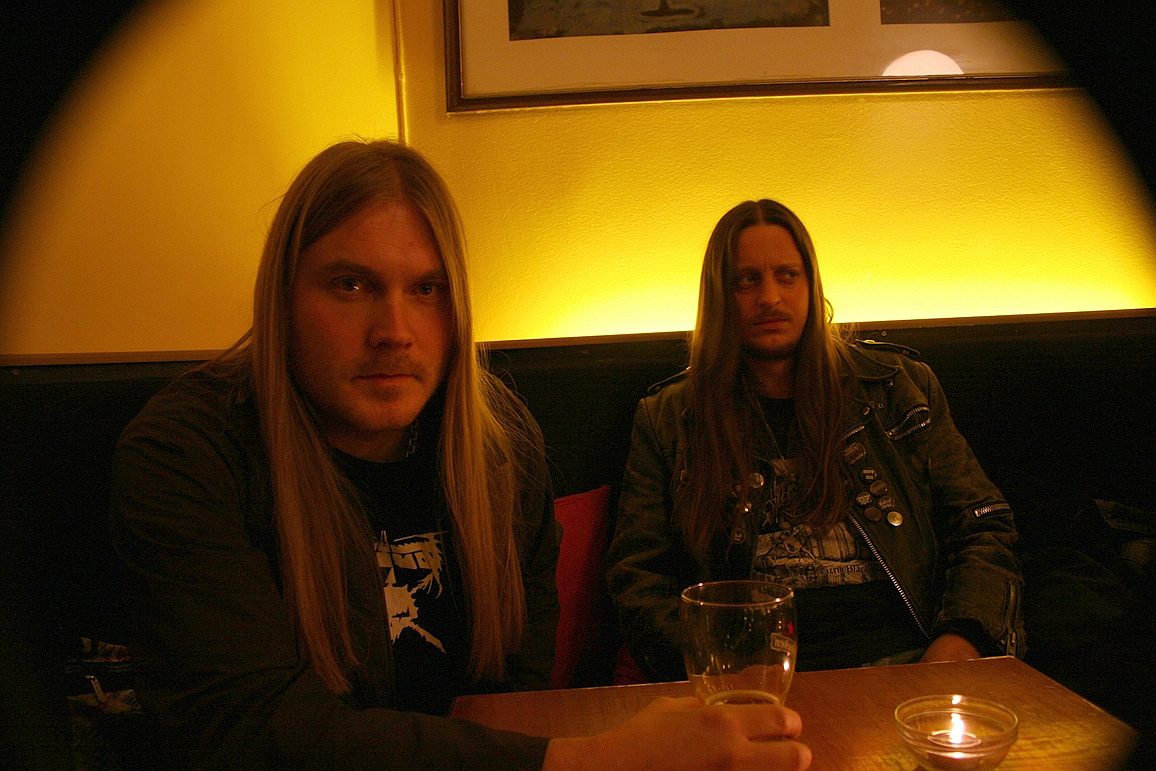
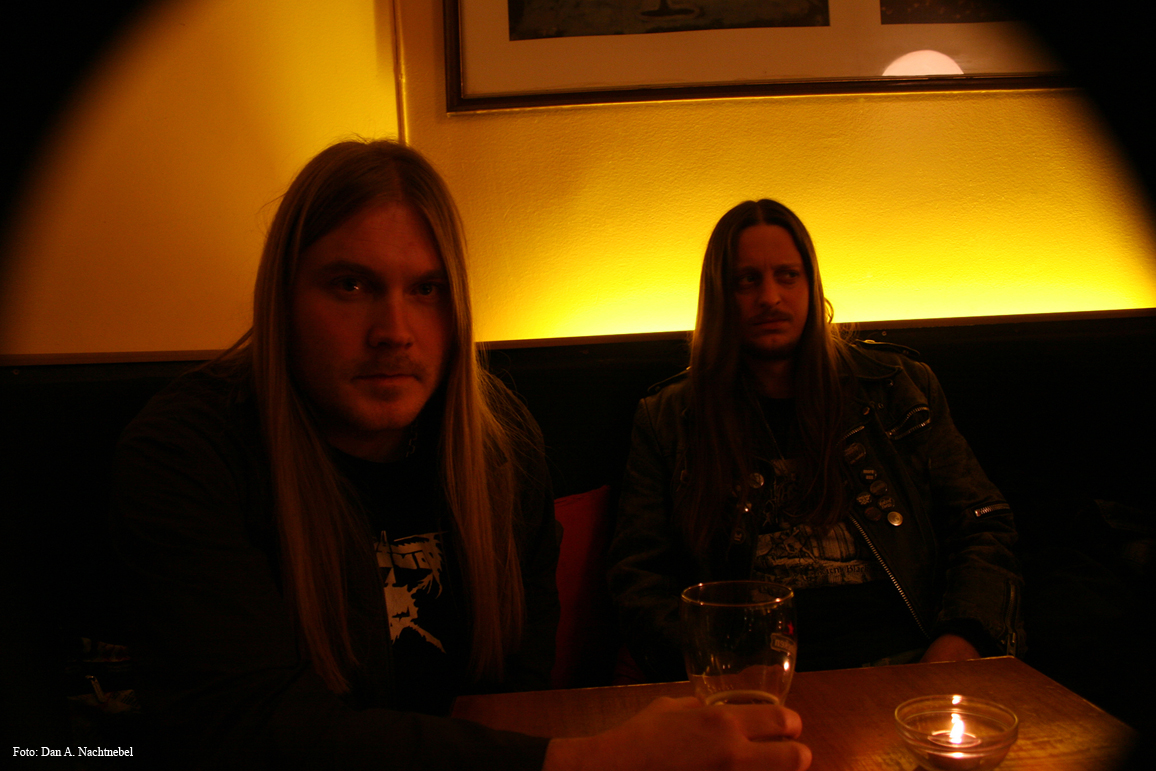
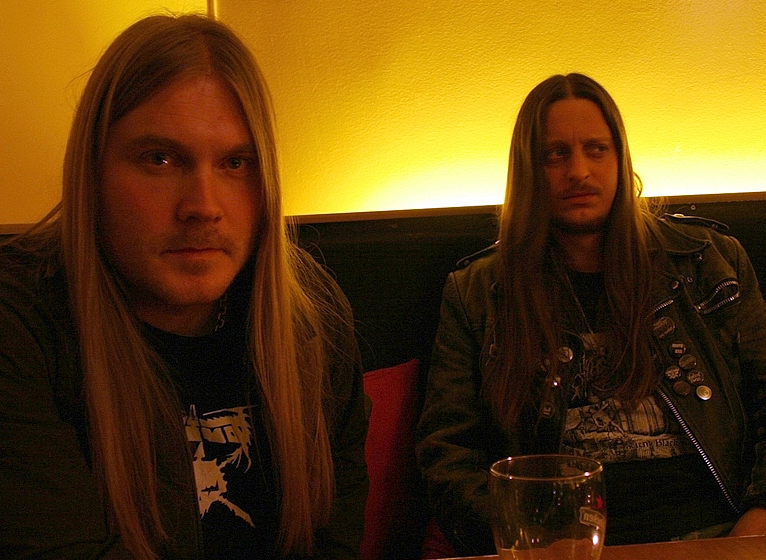
Dan A. Nachtnebel ( flickr profile), adjusted gamma and sharpness: User:Azbycx · CC BY 2.0
Darkthrone is a Norwegian heavy metal band from Kolbotn, Akershus. They started in 1986 as a death metal group called Black Death, but by the early 1990s had adopted a black metal sound shaped by Bathory and Celtic Frost, becoming a key act in Norway’s black metal scene. Since guitarist Zephyrous left in 1993, the band has remained a duo of Fenriz and Nocturno Culto. They have put out 22 studio albums, never play live, and have deliberately stayed away from the mainstream.
Quick Facts
- Landscape
- yes
- Origin
- Kolbotn, Akershus, Norway
- Genre
- Black metal / heavy metal / doom metal / speed metal / death metal (early)
- Years Active
- 1986–present
- Label
- Peaceville / Moonfog
- Current Members
- Fenriz / Nocturno Culto
- Past Members
- Zephyrous / Dag Nilsen / Anders Risberget
Facts from the source article.
Lore & Background
The band that would eventually become Darkthrone formed in late 1986 in Kolbotn, a small town south of Oslo. Originally known as Black Death, they were a death metal band composed of Gylve Nagell, Ivar Enger, and Anders Risberget. In late 1987, the band changed their name to Darkthrone and welcomed Dag Nilsen as a new member. Ted Skjellum joined in the spring of 1988, replacing Risberget. During 1988 and 1989, the band independently released four demo tapes: Land of Frost, A New Dimension, Thulcandra, and Cromlech. They signed a four-album contract with Peaceville Records. In 1990, they recorded their debut studio album, Soulside Journey. Following the release of this album, the band continued writing and recording new material, working on tape until a complete album was ready. These tracks were entirely instrumental, showcasing the band's gradual shift toward black metal. In 1996, the completed album Goatlord was released, featuring vocals added by Fenriz.
Reader's Guide
Darkthrone's debut, Soulside Journey (1991), was their only death metal studio album. Their first three black metal albums, A Blaze in the Northern Sky (1992), Under a Funeral Moon (1993), and Transilvanian Hunger (1994), are often called the 'Unholy Trinity'. Beginning with The Cult Is Alive (2006), the band diverged from black metal and shifted to a style more akin to 'blackened' crust punk and speed metal. Since The Underground Resistance (2013), the band's music has incorporated more classic heavy metal, doom and thrash, and their style has been described as 'blackened heavy metal'.
Did You Know?
- Darkthrone has been a duo since guitarist Zephyrous left in 1993.
- The band's debut album Soulside Journey was recorded at Sunlight Studios with support from members of Nihilist and Entombed.
- Transilvanian Hunger sparked controversy because Varg Vikernes wrote half the lyrics and the booklet contained the phrase 'Norsk Arisk Black Metal'.
- In 2016, the staff of Loudwire named Darkthrone the 49th-best metal band of all time.
From Black Death to Blackened Heavy Metal
Darkthrone began in late 1986 in Kolbotn, a small town south of Oslo, under the name Black Death. The original trio of Gylve Nagell, Ivar Enger, and Anders Risberget drew inspiration from bands like Autopsy, Venom, Hellhammer, Celtic Frost, Slayer, and Nocturnus, crafting a death metal sound that would last only a few years. After a name change in late 1987 and a series of self-released demo tapes between 1988 and 1989, the group signed with Peaceville Records and delivered their sole death metal studio album, Soulside Journey, in 1991. That same year, influenced by Euronymous of Mayhem, the members adopted corpse paint and stage names, pivoting decisively toward black metal. The transformation continued well into the 2000s: starting with The Cult Is Alive in 2006, the duo embraced elements of crust punk and speed metal, and by The Underground Resistance in 2013 their sound had absorbed classic heavy metal, doom, and thrash, earning the descriptor "blackened heavy metal." Across 22 studio albums, Darkthrone has never stopped reinventing itself.
The Unholy Trinity and the Birth of a Duo
Three consecutive albums—A Blaze in the Northern Sky (1992), Under a Funeral Moon (1993), and Transilvanian Hunger (1994)—are collectively known as the "Unholy Trinity" and are widely regarded as the zenith of Darkthrone's artistic output and among the most consequential recordings in black metal history. The first marked their initial foray into the genre, though Peaceville Records was initially hesitant to release such a drastic departure from death metal. The second represented a full commitment to the style and was the final record featuring guitarist Zephyrous. By the time Transilvanian Hunger arrived in early 1994, the band had become a duo: Fenriz handled all instrumentation and songwriting while Nocturno Culto contributed only vocals. The record's raw, low-fidelity production, monotone riffing, and sparse melodic content defined an aesthetic that would echo through the genre for decades. Its release also generated controversy, as Varg Vikernes penned half the lyrics and the booklet carried the phrase "Norsk Arisk Black Metal."
Legacy and Cultural Recognition
Despite never performing live and deliberately keeping a distance from the mainstream, Darkthrone has accumulated a legacy that extends well beyond the metal underground. In 2016, the editorial staff at Loudwire ranked them the 49th-best metal band of all time, a testament to their enduring influence across nearly three decades of output. Their cultural footprint has also been recognized in institutional settings: in recent years the band collaborated with the National Library of Norway on exhibitions exploring Norwegian cultural history and the black metal movement, lending their perspective to a broader national narrative. Tribute compilations, such as Darkthrone Holy Darkthrone released in 1998, further underscored how deeply their work resonated with fellow musicians. As one of the leading acts of the Norwegian black metal scene, Darkthrone's 22 studio albums have shaped the sonic vocabulary of an entire genre, and their refusal to chase commercial trends has only reinforced their reputation as artists who answer to no one but themselves.
The Duo, the Side Projects, and the Final Show
Since Zephyrous departed in 1993, Darkthrone has operated exclusively as a two-person unit, a structure that has defined their creative process for over three decades. Fenriz's involvement extended far beyond the band's core output: during 1993 to 1995 he pursued a solo dark ambient project called Neptune Towers, a folk black metal project named Isengard, a trio called Storm alongside Satyr, played bass on Dødheimsgard's debut, and resumed drumming for Valhall, a group he had co-founded in 1988. The band's final live performance took place on Easter Eve, 6 April 1996, at a sold-out Rockefeller in Oslo as part of "A Night of Unholy Black Metal." After that night, they never returned to the stage. Their later albums, including Ravishing Grimness (1999) and Plaguewielder (2001), saw Nocturno Culto take a more prominent compositional role, while Total Death (1996) featured lyrics written entirely by four outside black metal musicians. Through Moonfog Productions, Satyr's label, and later independent releases, the duo continued to evolve without ever compromising their insular, anti-mainstream ethos.
Gallery
Frequently Asked Questions
Who is Darkthrone?
Darkthrone is a Norwegian heavy metal duo that originated in Kolbotn, Akershus, and was first assembled in 1986 under the name Black Death as a death metal project. In the early 1990s they reinvented themselves around a raw black metal sound and went on to become one of the most influential acts in the Norwegian black metal scene.
Who are the members of Darkthrone?
Since 1993 the band has functioned as a two-piece: drummer Fenriz and guitarist/vocalist Nocturno Culto. They have kept this stripped-down lineup intact for more than three decades.
What genre does Darkthrone play?
They began in death metal, shifted to a lo-fi black metal style in the early '90s (citing Bathory and Celtic Frost as key influences), and in later years blended in elements of blackened crust punk and classic heavy metal. Their sound has always leaned toward a raw, unpolished aesthetic rather than polished production.
How many studio albums has Darkthrone released?
The duo has issued 22 studio albums across their career, which spans from 1986 to the present. Despite that prolific catalog, they have never embraced touring and have deliberately kept a distance from the mainstream metal industry.
Why is Darkthrone important in metal history?
Darkthrone is widely credited with helping codify the lo-fi, aggressive template that defined the second wave of Norwegian black metal in the early 1990s. Their insistence on a two-man format, refusal to perform live, and commitment to a raw sonic identity gave them a lasting cult following that shaped how subsequent underground metal acts approach recording and presentation.
More in Speed metal musical groups 1-20
Spotted an error? Know more?
Reader corrections go straight into our review queue. Suggest an edit · How this site is sourced