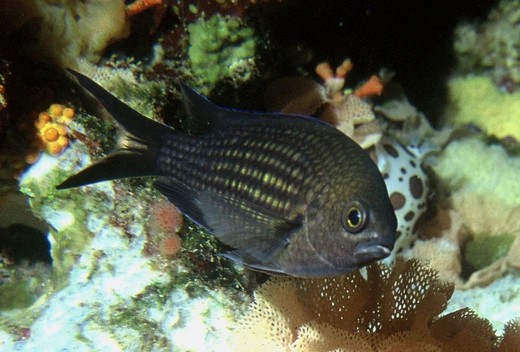
Azores chromis (Chromis limbata)
Source-cited species reference: taxonomy from WoRMS, biology from FishBase, occurrence map from GBIF, conservation from IUCN Red List, description from Wikipedia.

Diego Delso · CC BY-SA 4.0
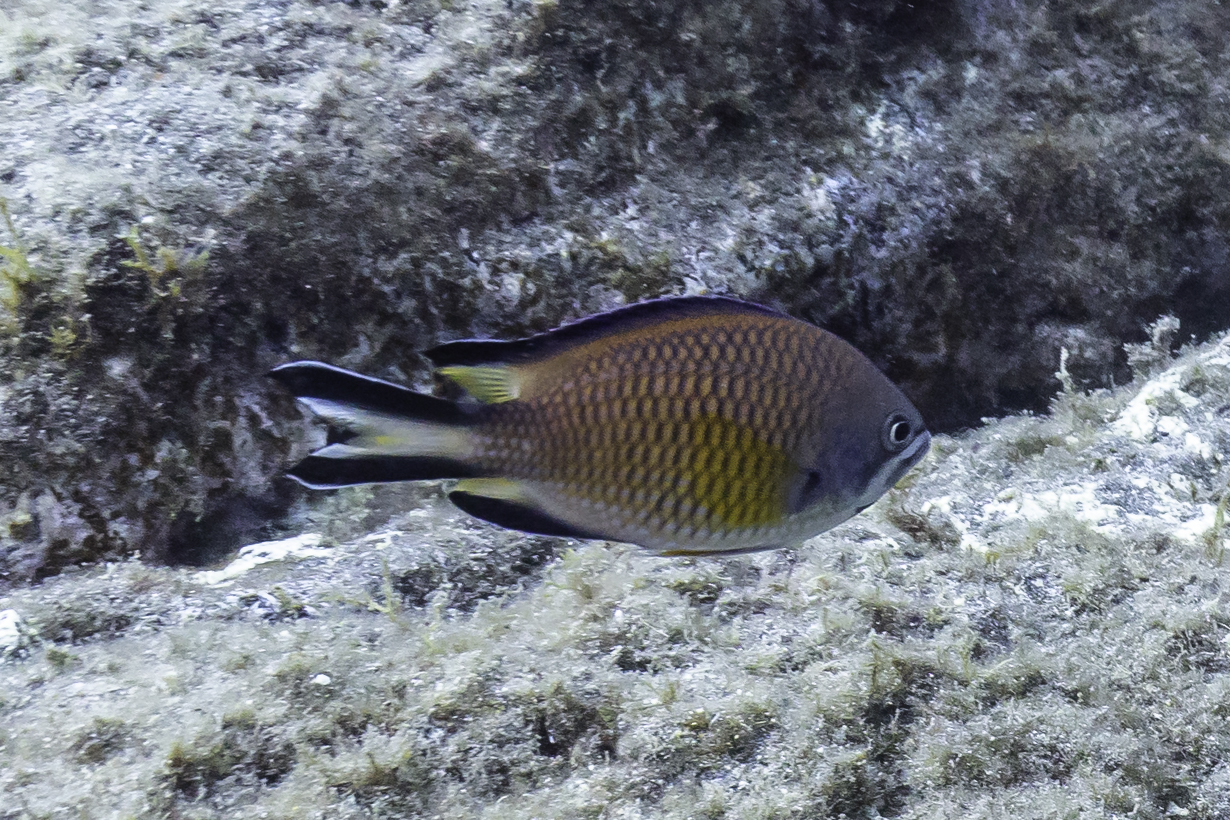
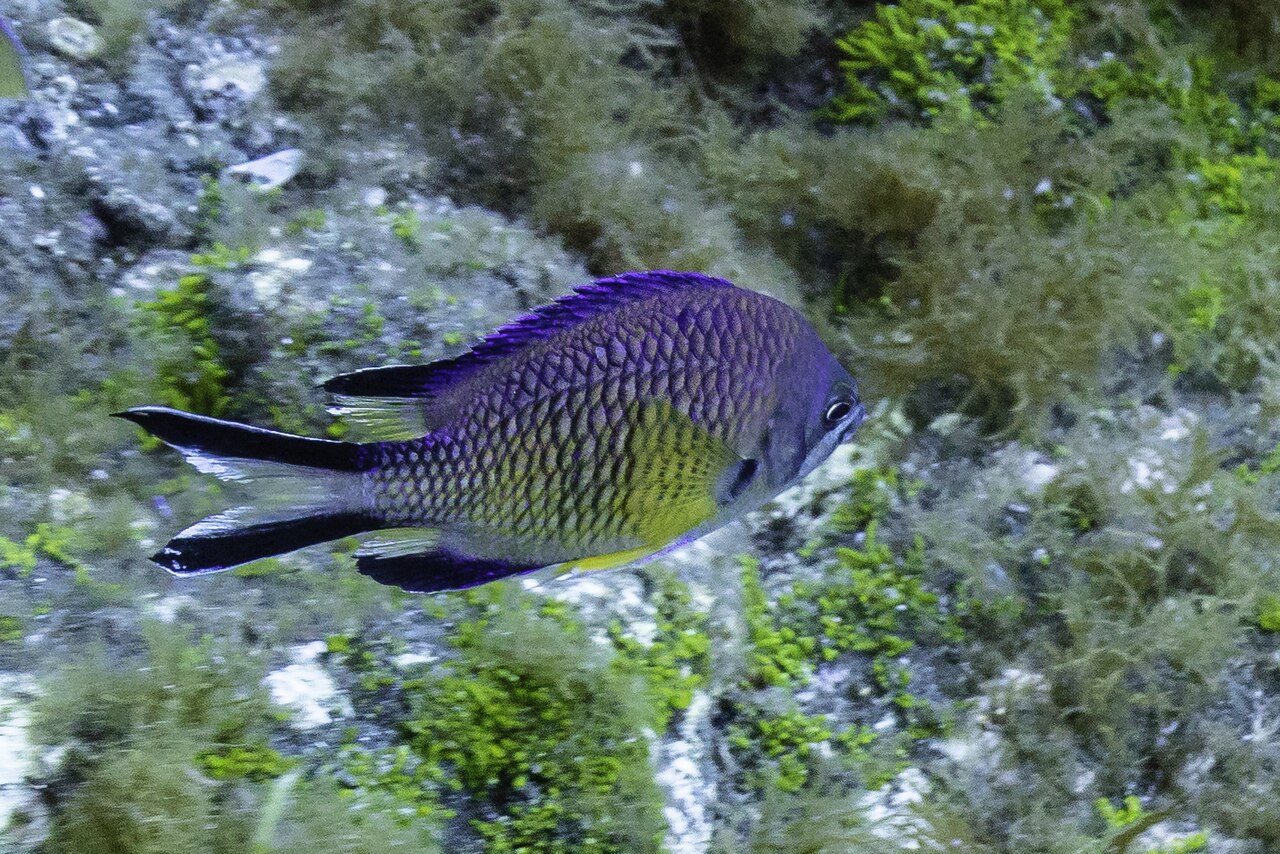
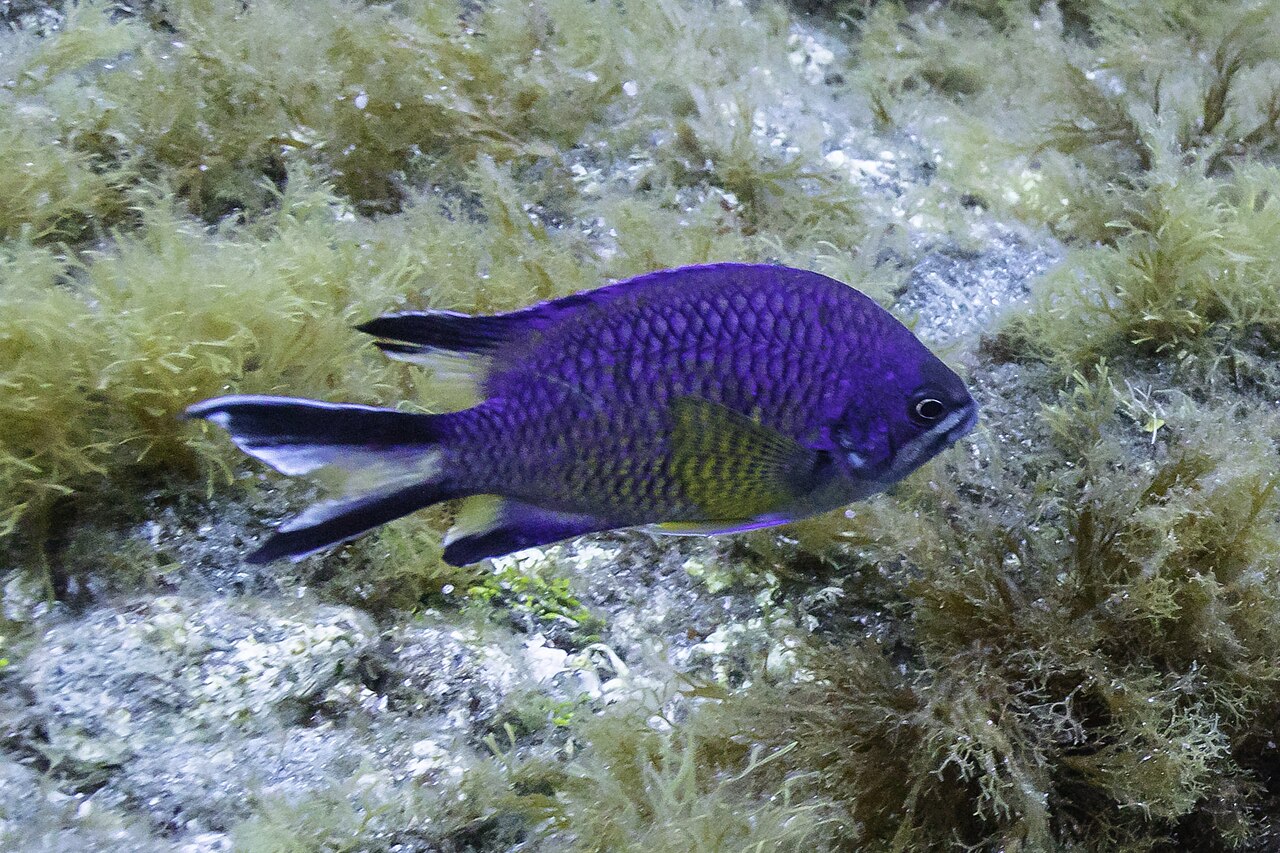
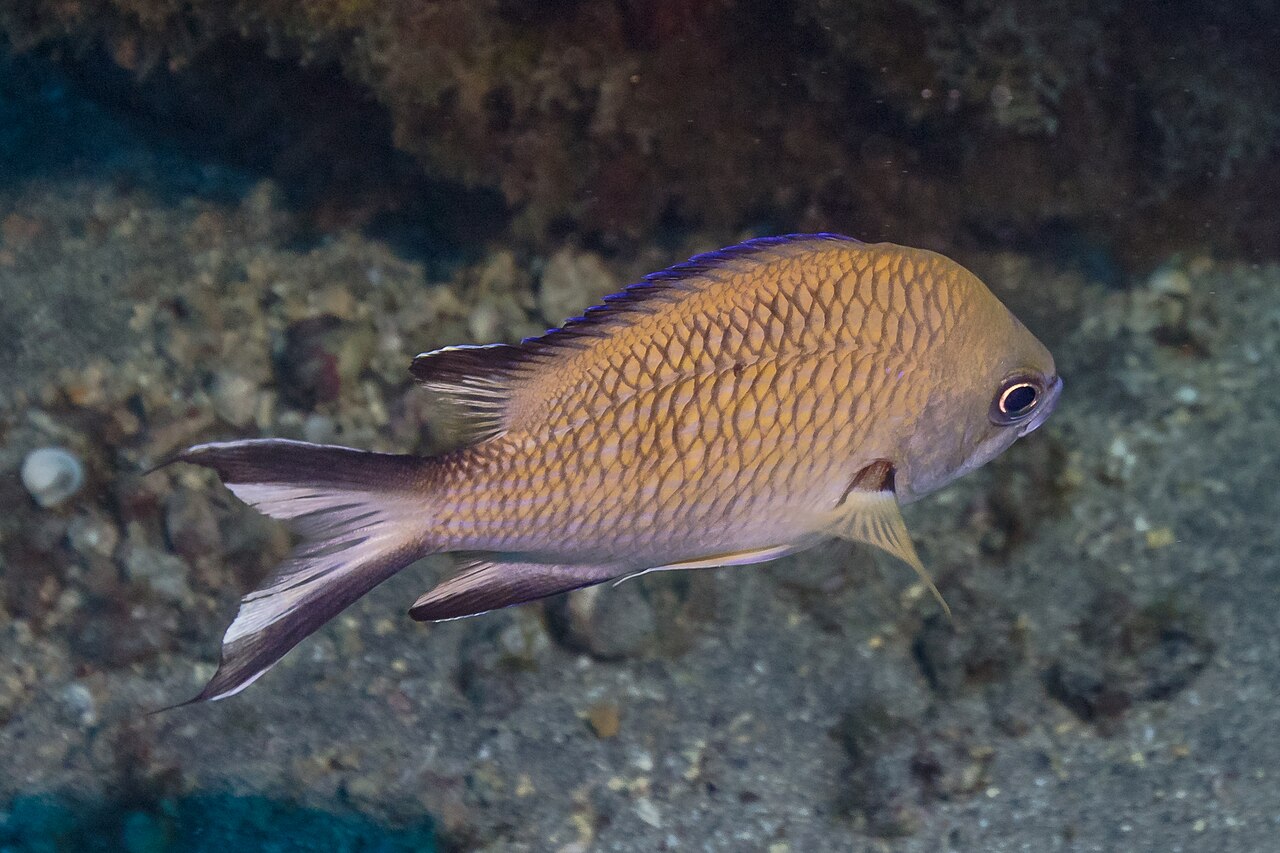
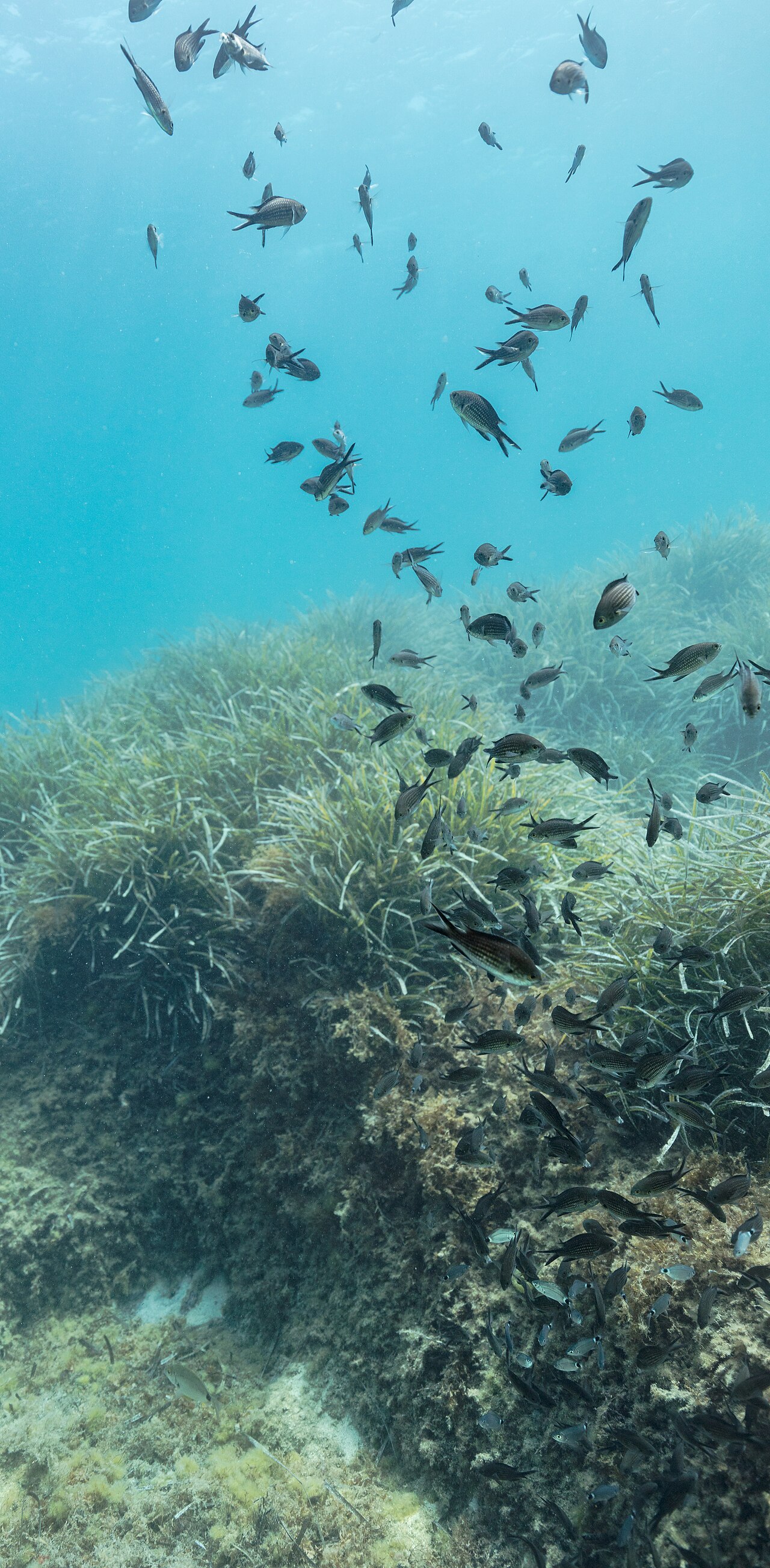
The Azores chromis or Atlantic chromis (Chromis limbata) is a species of damselfish from the family Pomacentridae which is found in the Macaronesian Islands of the temperate eastern Atlantic Ocean and has been reported from coastal regions of western Africa.
- Scientific name
- Chromis limbata
- Authority
- (Valenciennes, 1833)
- Family
- Pomacentridae
- Order
- Ovalentaria incertae sedis
- Maximum length
- 12 cm
- Depth range
- 5–45 m
- Habitat zone
- reef-associated
- Iucn red list
- Least Concern
- Gbif occurrence records
- 1,376
Taxonomic Identity
Chromis limbata, commonly known as the Azores chromis, belongs to the genus Chromis, which is classified within the family Pomacentridae. Understanding its placement in the broader taxonomic tree is important for appreciating what kind of fish it is. The family Pomacentridae encompasses a diverse assemblage of marine fish, and within that family, the genus Chromis occupies a notable position. It is worth noting that the everyday term "damselfish" is not a single taxonomic unit but rather a colloquial label applied to a group of marine fish that spans more than one genus. In other words, not every fish called a damselfish belongs to Chromis, and not every member of Pomacentridae is a damselfish in the strict sense. Chromis limbata, as a member of the Chromis genus, is therefore part of this larger, loosely defined damselfish community while also belonging to a more precisely delineated taxonomic group. This dual identity—both a specific species and a member of a broader informal category—helps explain why the Azores chromis is sometimes discussed in general damselfish contexts and sometimes in more specialized taxonomic ones.
A Genus of Scale
One of the most striking facts about the genus Chromis is its sheer size relative to other damselfish genera. Among all the genera that fall under the broad "damselfish" umbrella, Chromis stands out as the largest. This means the genus contains more recognized species than any other damselfish genus, making it a particularly diverse and expansive group within the family Pomacentridae. For Chromis limbata, the Azores chromis, this context matters: it is one species among a very large collection of close relatives within its genus. The breadth of the genus suggests a wide range of forms, distributions, and ecological niches represented across its members. While the specific details of each species may vary considerably, they all share the common taxonomic heritage of being Chromis. The fact that Chromis is the largest damselfish genus also underscores the evolutionary success of this particular lineage within the Pomacentridae family, indicating that the traits associated with the genus have proven adaptable enough to support a large number of distinct species over time.
The Aquarium Connection
Beyond their ecological and taxonomic significance, members of the genus Chromis have a notable presence in the hobbyist world. Certain species within the genus are commonly encountered in the aquarium trade, where they are kept by enthusiasts who appreciate marine fish. This commercial visibility means that at least some Chromis species have become familiar to a wider public than purely scientific audiences. For the Azores chromis specifically, its status as a member of a genus with established aquarium trade representation places it within a group that has practical, human-facing relevance beyond academic study. The popularity of certain Chromis species in the trade highlights the aesthetic and behavioral qualities that make damselfishes appealing to aquarium hobbyists. While not every species in the genus is equally represented in the trade, the fact that the genus as a whole has a foothold in the aquarium market speaks to the broader appeal of Pomacentridae fish in captive settings. This connection between wild marine biodiversity and the home aquarium is one of the ways in which the Chromis genus, and by extension species like C. limbata, enters everyday human experience.
A Place Among Many Species
The genus Chromis is home to a roster of currently recognized species, each representing a distinct evolutionary lineage within the family Pomacentridae. Chromis limbata holds its place as one entry in this list of recognized species. The existence of a formal species list for the genus indicates that taxonomists have identified and delineated multiple distinct Chromis species, each with its own scientific name and its own set of distinguishing characteristics. For the Azores chromis, being part of a genus with multiple recognized species means it is one of several close relatives that share the Chromis identity. The species list serves as a reference point for researchers, aquarium hobbyists, and conservation-minded individuals who need to identify and discuss specific members of the genus. While the available information does not enumerate every species in the genus, the very existence of such a list confirms that Chromis is a well-studied and taxonomically organized group. The Azores chromis, as one of these recognized species, benefits from the broader taxonomic framework that allows it to be identified, classified, and discussed alongside its chromis relatives.
Gallery
Related in Azores chromis
Links follow this subject's own source article.
Elsewhere in Azores chromis
Spotted an error? Know more?
Reader corrections go straight into our review queue. Suggest an edit · How this site is sourced