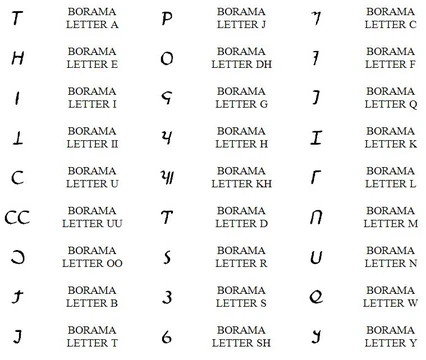
Osmanya script
Alphabetic script for Somali, invented by Osman Yusuf Kenadid.

Gashaan735 · CC BY-SA 4.0
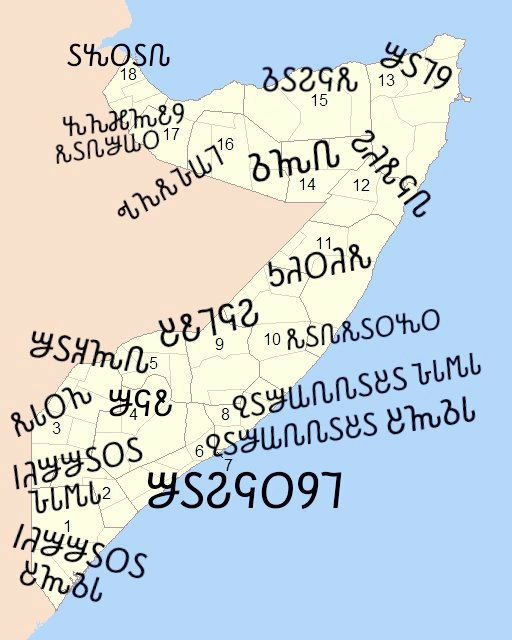
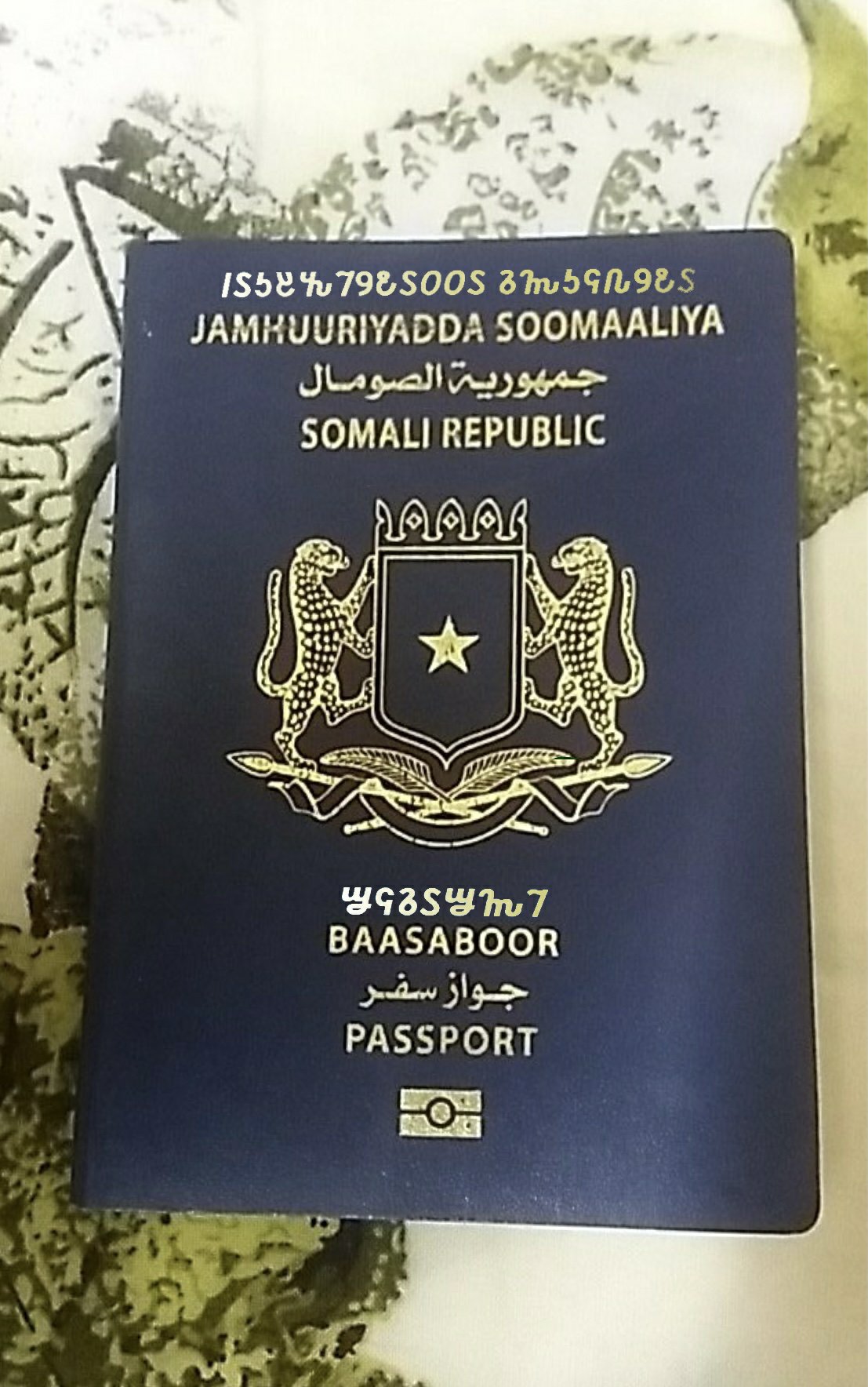
Osmanya (Farta Cismaanya, 𐒍𐒖𐒇𐒂𐒖 𐒋𐒘𐒈𐒑𐒛𐒒𐒕𐒖) is an alphabetic script designed for the Somali language. In Somali it is called Far Soomaali (𐒍𐒖𐒇 𐒈𐒝𐒑𐒛𐒐𐒘, meaning "Somali writing"), and in Arabic it is known as al-kitābah al-ʿuthmānīyah (الكتابة العثمانية, "Osman writing"). The script was created by Osman Yusuf Kenadid, son of Sultan Yusuf Ali Kenadid and brother of Sultan Ali Yusuf Kenadid of the Sultanate of Hobyo. Contrary to some claims, significant materials written in Osmanya—including books, correspondence, and manuscripts—do survive, and its usage is well-documented, allowing for a clear understanding of how it was actually used.
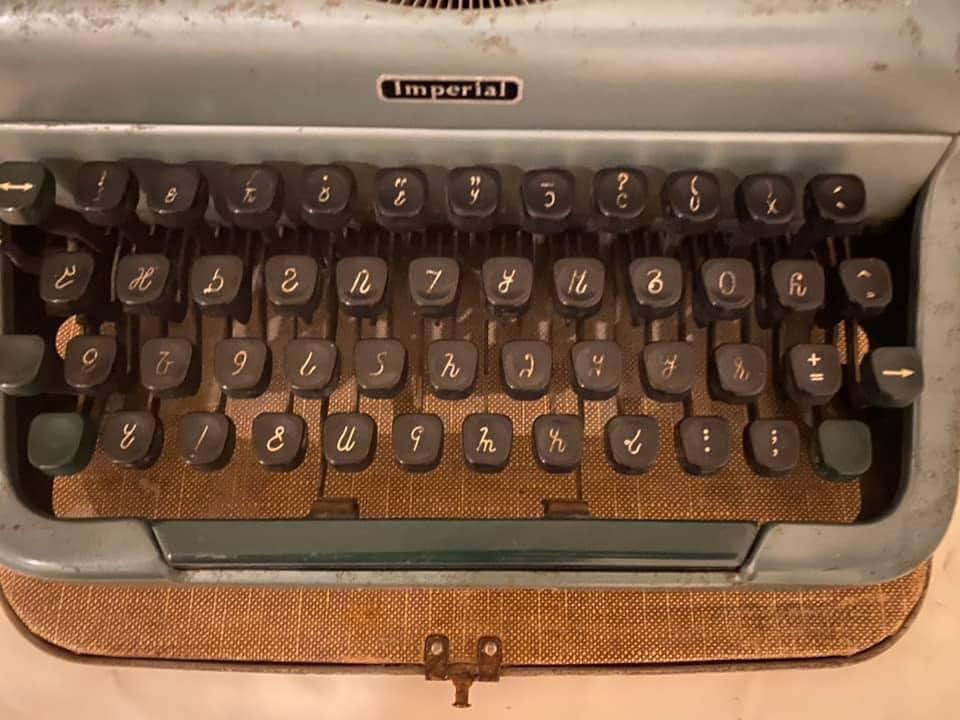
Osmanya gained some local acceptance for correspondence and bookkeeping, but faced strong opposition as a national script. It was associated with the Majeerteen clan, who backed the Italian colonial government, rather than with all Somalis—though this view softened in the 21st century. There was also resistance to making Somali, instead of Arabic, the country’s official language, and to adopting any indigenous script over the established Arabic or Latin scripts. After independence, a government commission (the Somali Language Committee, formed in 1960) tasked with choosing an official writing system considered multiple scripts including Osmanya, but ultimately recommended the Latin alphabet in 1972 due to its simplicity, its ability to handle all Somali sounds, and the widespread availability of Latin-script typewriters and machines. President Mohamed Siad Barre’s administration then launched a major literacy campaign to promote it, which sharply reduced the use of Osmanya.
Osmanya is written from left to right, like Latin script. Capitalization is inconsistent. Long vowels were originally written double or with consonants, following Arabic practice, but later ligatures were developed from the double vowels. Tones and the ATR/RTR distinction are not marked in vowels, except occasionally in the 21st century, when a diaeresis is used for ATR vowels—similar to occasional practice in Latin script. The article and determiner suffixes are written separately from the noun, which keeps its underlying form; assimilation is shown on the article or determiner itself (feminine -ta, masculine -ka). For example, *hooyada* ("the mother") is written as ⟨hooyo da⟩, and *hasha* ("the she-camel") as ⟨hal sha⟩.
Quick Facts
- Creator
- Osman Yusuf Kenadid
- Languages
- Somali language
- Shdates
- 1920–1922
- Time
- c. 1922 · 1972, some current interest
- Unicode
- [https: · www.unicode.org/charts/PDF/U10480.pdf U+10480–U+104AF]
- Note
- none
Facts from the source article.
Lore & Background
Osmanya gained reasonable acceptance for correspondence and bookkeeping at the local level, but met fierce resistance as a national script. It was identified with the Majeerteen clan, who supported the Italian colonial government, rather than with the Somali nation as a whole—a view that has changed somewhat in the 21st century. There was also opposition to making Somali rather than Arabic the official language, and to using any indigenous script instead of the Arabic or Latin scripts. After independence, a governmental commission (the Somali Language Committee, formed in 1960) considered multiple scripts including Osmanya, but ultimately recommended the Latin alphabet in 1972 due to its simplicity, ability to handle all Somali sounds, and the widespread existence of Latin-script machines and typewriters.
Reader's Guide
Osmanya's significance lies in its role as an indigenous attempt to create a writing system for Somali, reflecting 20th-century efforts to standardize the language. Though it never achieved national adoption, it represents a cultural and political moment in Somali history, tied to the Majeerteen clan and the Sultanate of Hobyo. Its decline after the 1972 adoption of the Latin alphabet illustrates the practical and political challenges faced by minority scripts in developing nations. The script's inclusion in Unicode in 2003 has allowed for digital preservation, though capitalization is not supported. The order of the alphabet is not completely fixed, and the letter alef, once used for glottal stop and long vowels, was later dropped. Osmanya's legacy is as a historical script that, despite limited surviving material, remains a subject of scholarly interest and a symbol of Somali linguistic identity.
Did You Know?
- Osmanya was invented by Osman Yusuf Kenadid, son of Sultan Yusuf Ali Kenadid of the Sultanate of Hobyo.
- Material written in Osmanya is 'almost non-existent,' making its use difficult to describe with certainty.
- The script was added to the Unicode Standard in April 2003 with the release of version 4.0.
Gallery

Frequently Asked Questions
Who invented the Osmanya script and what was his background?
Osmanya was created by Osman Yusuf Kenadid, a member of the ruling family of the Sultanate of Hobyo. He was the son of Sultan Yusuf Ali Kenadid and the brother of Sultan Ali Yusuf Kenadid, placing him directly within one of Somalia's historic sultanates.
What exactly is the Osmanya script and which language does it serve?
Osmanya is an alphabetic writing system designed specifically to represent the Somali language. In Somali it is known as Far Soomaali, meaning 'Somali writing,' while Arabic sources refer to it as al-kitābah al-ʿuthmānīyah, or 'Osman writing.'
How does the Osmanya script work in terms of structure and direction?
It is a true alphabet, meaning each letter stands for a single sound rather than a syllable or word. The script is written from left to right, which distinguishes it from the right-to-left Arabic script that Somali speakers also use.
What happened to the Osmanya script and why is it considered historical today?
Although books, letters, and manuscripts written in Osmanya do survive and its use is well documented, the script was gradually displaced by the Somali Latin alphabet. It is now classified as a historical writing system rather than one in active daily use.
Is the Osmanya script recognized in modern digital standards?
Yes, the Osmanya alphabet was officially encoded in Unicode version 4.0 in April 2003. This means it can be typed, stored, and displayed in digital text, preserving the script for scholars and enthusiasts even though it is no longer the primary writing system for Somali.
More in Somali inventions 1-20
Spotted an error? Know more?
Reader corrections go straight into our review queue. Suggest an edit · How this site is sourced