Erythema ab igne
A skin condition from chronic heat exposure, often causing reticulated pigmentation.
Erythema ab igne (EAI), also known as hot water bottle rash or toasted skin syndrome, is a skin condition resulting from prolonged exposure to heat (infrared radiation). It typically presents as reticulated erythema, hyperpigmentation, scaling, and telangiectasias in the affected area. Some individuals experience mild itchiness or a burning sensation, but the condition may go unnoticed unless pigmentation changes occur.
Quick Facts
- Field
- Dermatology
Facts from the source article.
Causes
Various heat sources can trigger erythema ab igne. Repeated use of hot water bottles, heating blankets, or heat pads for chronic pain, such as back pain, is a common cause. Prolonged exposure to heated car seats, space heaters, or fireplaces also contributes, particularly in elderly individuals. Occupational hazards affect silversmiths and jewelers (facial exposure) as well as bakers and chefs (arms and face). Resting a laptop computer on the thigh can induce the condition; modern laptops with powerful processors may reach 50 °C during operation, and the CPU and GPU are direct heat sources. In Kashmir, use of a kanger is associated with both this condition and kangri cancer. Erythema ab igne is a classic finding in chronic pancreatitis and may appear in people with hypothyroidism or lymphedema.
Pathogenesis
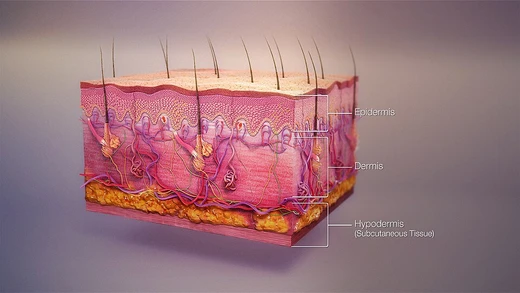
The exact mechanism of erythema ab igne is not fully understood. It is thought that thermal radiation damages superficial blood vessels, leading to dilation of epidermal vessels, which appears as initial erythema. Subsequent red blood cell extravasation and hemosiderin deposition produce hyperpigmentation in a reticular pattern. The net-like distribution of lesions likely results from involvement of the superficial subcutaneous plexus in the papillary dermis.
Treatment
Initial treatment involves discontinuing contact with the heat source. Mild cases with slight redness may resolve within a few months. Severe cases with pigmented and atrophic skin are unlikely to resolve and carry a risk of squamous cell carcinoma or neuroendocrine carcinoma such as Merkel cell carcinoma. A persistent non-healing sore or growing lump within the rash warrants a skin biopsy to exclude skin cancer. For pre-cancerous changes, 5-fluorouracil cream has been recommended. Abnormally pigmented skin may persist for years; topical tretinoin or laser treatment may improve appearance.
Epidemiology
Erythema ab igne was once common among elderly individuals who stood or sat close to open fires or electric heaters, but it occurs in both young and old. Women have a higher incidence than men. Widespread use of central heating has reduced overall frequency, but the condition still appears in people exposed to heat from sources such as heating pads, space heaters, hot water bottles, and electronic devices.
More in Skin Conditions Resulting from Physical Factors
Spotted an error? Know more?
Reader corrections go straight into our review queue. Suggest an edit · How this site is sourced