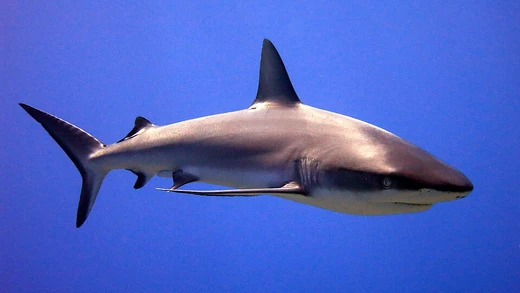
Wobbegong
Carpet sharks with shaggy beards, camouflaged ambush predators.

The name "wobbegong" refers to a dozen species of carpet shark belonging to the family Orectolobidae. These sharks live in shallow, warm waters of the western Pacific and eastern Indian Oceans, mostly near Australia and Indonesia. One species, the Japanese wobbegong, ranges as far north as Japan. The term itself likely comes from the Dharug language of Australia’s Aboriginal peoples, meaning "shaggy beard"—a nod to the fringy growths around the shark’s mouth.
Wobbegongs are bottom-dwellers that spend much of their time resting on the seafloor. Most species max out at about 1.25 meters (4.1 feet), but the largest—the spotted wobbegong and the banded wobbegong—can reach around 3 meters (9.8 feet). Their bold, symmetrical markings give them a carpet-like appearance, which is why they and their relatives are often called carpet sharks. This camouflage is enhanced by small, weed-like whisker lobes around the jaw that both hide the shark and act as sensory barbs. Wobbegongs are ambush predators: they lie still among rocks and snatch fish that swim too close. Their powerful jaws and needle-like teeth help them catch reef fish and even other sharks. The blood cells of several wobbegong species have been studied.
Though generally not considered a major threat to people, wobbegongs have bitten swimmers, snorkelers, and scuba divers who accidentally get too close. The Australian Shark Attack File lists over 50 unprovoked wobbegong attacks, and the International Shark Attack File has 31 records—none fatal. Surfers have also been bitten. Wobbegongs are surprisingly flexible and can easily bite a hand holding their tail. Their many small, sharp teeth can cause severe wounds, even through a wetsuit, and once they bite, they often hold on stubbornly. Humans attack wobbegongs far more often: in Australia, their skin is used to make leather.
In captivity, most wobbegong species are too large for home aquariums, but that hasn’t stopped some smaller ones from being sold in the trade. Species like the tasselled wobbegong and Ward’s wobbegong are considered "ideal" for home aquarists because they stay small and are lethargic, fitting into limited tank space—though they will eat tankmates, even large ones. Some keepers, however, find the lack of activity boring and prefer more active sharks. Wobbegongs are mostly nocturnal and, thanks to a slow metabolism, don’t need to eat as often as other sharks; two feedings a week usually suffice. An underfed wobbegong can be spotted by visibly shrunken muscles along its back.
The twelve living wobbegong species are divided into three genera: *Eucrossorhinus* (one species, the tasselled wobbegong), *Orectolobus* (ten species, including the floral banded, Gulf, western, Japanese, Indonesian, spotted, ornate, dwarf spotted, network, and northern wobbegongs), and *Sutorectus* (one species, the cobbler wobbegong). Fossil wobbegongs include the genera *Cretorectolobus*, *Eometlaouia*, and *Orectoloboides*.
- Common name
- Wobbegong
- Family
- Orectolobidae
- Number of living species
- 12
- Maximum length of most species
- 1.25 m (4.1 ft)
- Maximum length of largest species
- About 3 m (9.8 ft)
- Primary habitat
- Shallow temperate and tropical waters of the western Pacific Ocean and eastern Indian Ocean
- Known for
- Camouflage resembling a carpet and whisker-like lobes around the jaw
Lore & Background
Wobbegongs are bottom-dwelling sharks, spending much of their time resting on the sea floor. Most species have a maximum length of 1.25 m (4.1 ft), but the largest, the spotted wobbegong, Orectolobus maculatus, and banded wobbegong, O. halei, reach about 3 m (9.8 ft) in length. They are well camouflaged by a symmetrical pattern of bold markings resembling a carpet, which is why wobbegongs and their close relatives are often referred to as carpet sharks. The camouflage is improved by the presence of small, weed-like whisker lobes surrounding the wobbegong's jaw, which help to camouflage it and act as sensory barbs. Wobbegongs make use of their camouflage to hide among rocks and catch smaller fish that swim too close, typical of ambush predators. They also have powerful jaws with needle-like teeth to assist in catching reef fish and other sharks for food. The blood cells of several species of wobbegongs have been described.
Reader's Guide
Wobbegongs are generally not considered dangerous to humans but have attacked swimmers, snorkelers, and scuba-divers who inadvertently come close to them. The Australian Shark Attack File contains more than 50 records of unprovoked attacks by wobbegongs and the International Shark Attack File has 31 records, none of them fatal. Wobbegongs have also bitten surfers. They are very flexible and can easily bite a hand holding their tail. They have many small but sharp teeth and their bite can be severe, even through a wetsuit; having bitten, they have been known to hang on and can be very difficult to remove. Wobbegongs are attacked much more often by humans; in Australia, wobbegong skin is used to make leather. In captivity, although most wobbegong species are unsuitable for home aquaria owing to their large adult size, some smaller species are sold in the aquarium trade. Small species such as the tasselled wobbegong and Ward's wobbegong are considered ideal for home aquarists because they are an appropriate size and are lethargic, though they consume tankmates. Wobbegongs are largely nocturnal and, owing to their slow metabolism, do not have to be fed as often as other sharks; most do well on two feedings weekly. Underfed wobbegongs can be recognised by visibly atrophied dorsal musculature.
Did You Know?
- The word wobbegong is thought to come from Dharug, an Australian Aboriginal language, and means shaggy beard.
- The largest wobbegong species, the spotted wobbegong and banded wobbegong, reach about 3 m (9.8 ft) in length.
- The Australian Shark Attack File contains more than 50 records of unprovoked attacks by wobbegongs, none fatal.
- In Australia, wobbegong skin is used to make leather.
Common Misconceptions (Editorial)
Some people believe wobbegongs are dangerous man-eaters due to their size and ambush behavior, but the Australian Shark Attack File contains more than 50 records of unprovoked attacks by wobbegongs, none of which were fatal. Another common misconception is that all wobbegongs are small; while most species max out at 1.25 m (4.1 ft), the spotted and banded wobbegongs can reach about 3 m (9.8 ft).
Why It Matters (Editorial)
Wobbegongs may not make headlines like great whites, but they are a fascinating example of evolutionary adaptation—masters of camouflage that turn the ocean floor into a living trap. Beyond their biology, they hold cultural and practical value, from their Dharug-derived name meaning “shaggy beard” to the use of their skin in leather, reminding us that even humble bottom-dwellers can leave a lasting mark on human life and language.
Frequently Asked Questions
What is a wobbegong?
Wobbegong is the common name for a group of twelve carpet shark species in the family Orectolobidae. They are instantly recognizable by their mottled, carpet-like coloration and the fleshy, shaggy growths that frame their mouths.
Where do wobbegongs live?
These sharks occupy shallow temperate and tropical waters across the western Pacific and eastern Indian Oceans, with their range concentrated around Australia and Indonesia. The Japanese wobbegong is the sole exception, extending as far north as Japan.
How big do wobbegongs get?
Most of the twelve species max out at roughly 1.25 meters (about 4 feet) in length. The single largest species in the group can reach approximately 3 meters, or nearly 10 feet.
What does the name 'wobbegong' mean?
The word is thought to derive from Dharug, an Aboriginal Australian language, where it translates to 'shaggy beard.' The name is a literal description of the distinctive fleshy fringes surrounding the shark's mouth.
How do wobbegongs hunt?
Instead of actively chasing prey, wobbegongs rely on their mottled camouflage to sit motionless on the seafloor, blending in with rocks and coral. They wait for a fish or crustacean to drift within striking distance before lunging with a rapid jaw snap.
More in Sharks 1-22
Spotted an error? Know more?
This is a living reference — every entry is fact-audited, and reader corrections feed straight into our audit queue. Suggest an edit · See this site's audit record