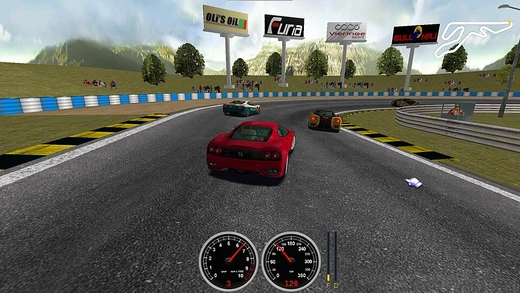
500 cc Grand Prix
1987 motorcycle racing game with split-screen multiplayer; MS-DOS version arrived in 1988 or 1989.

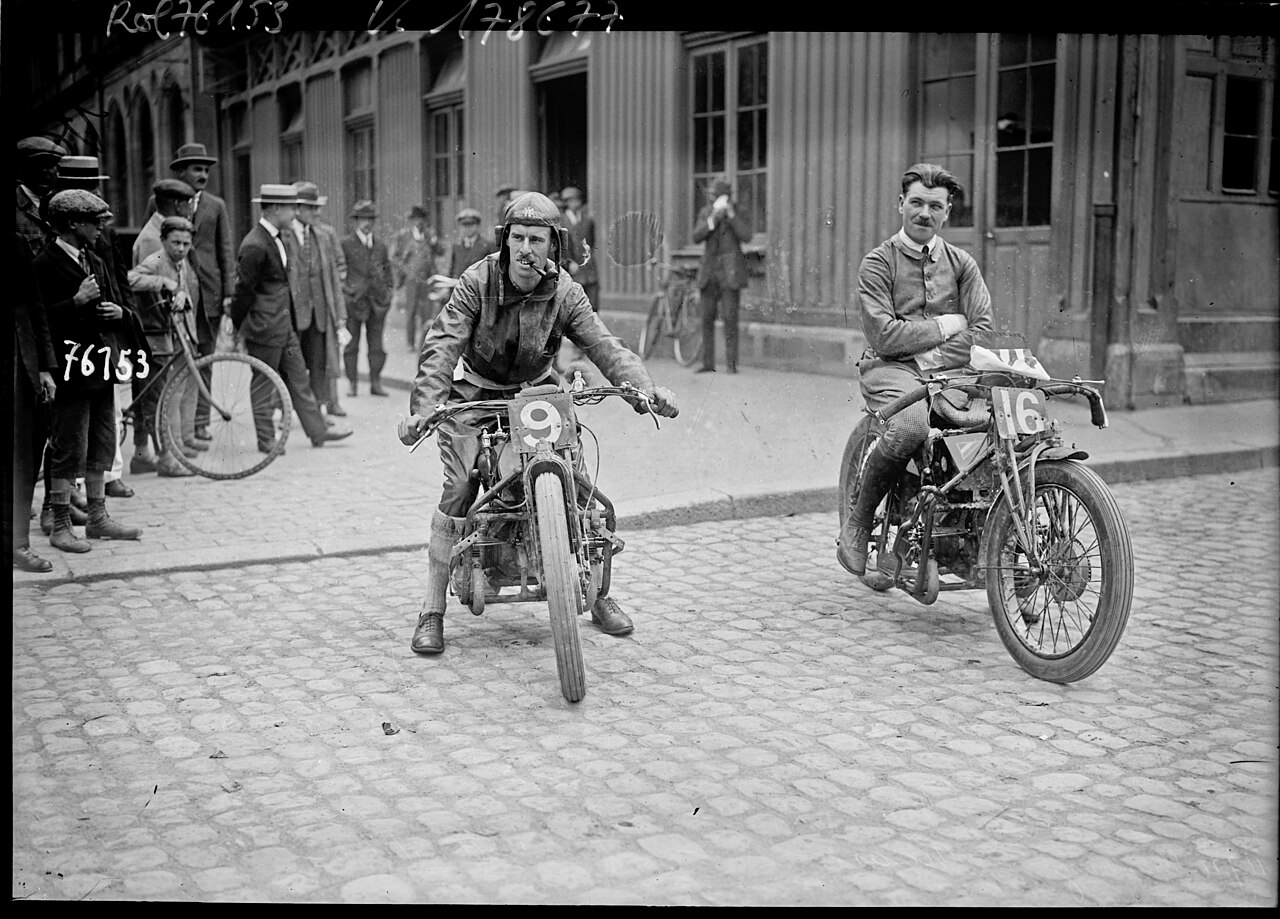
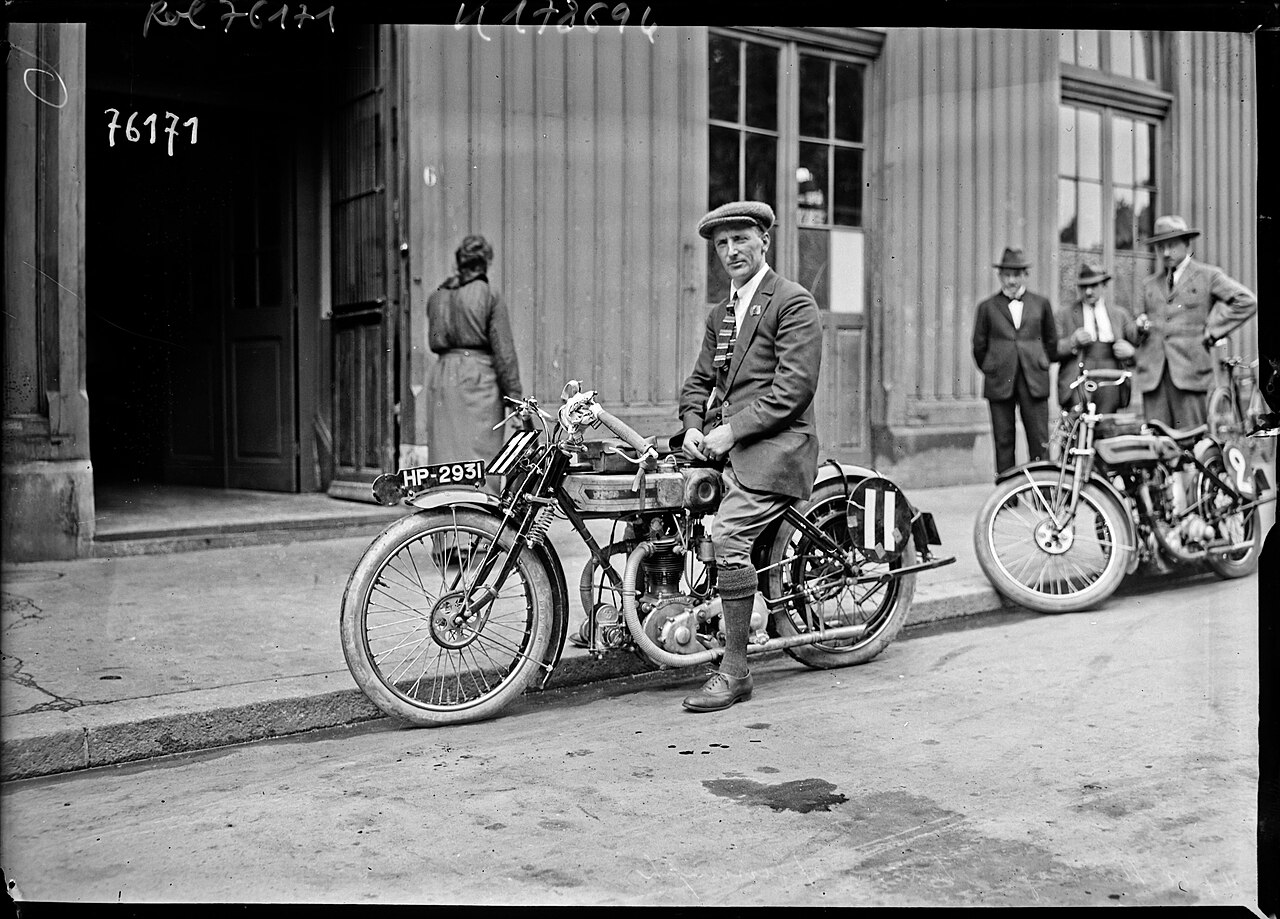
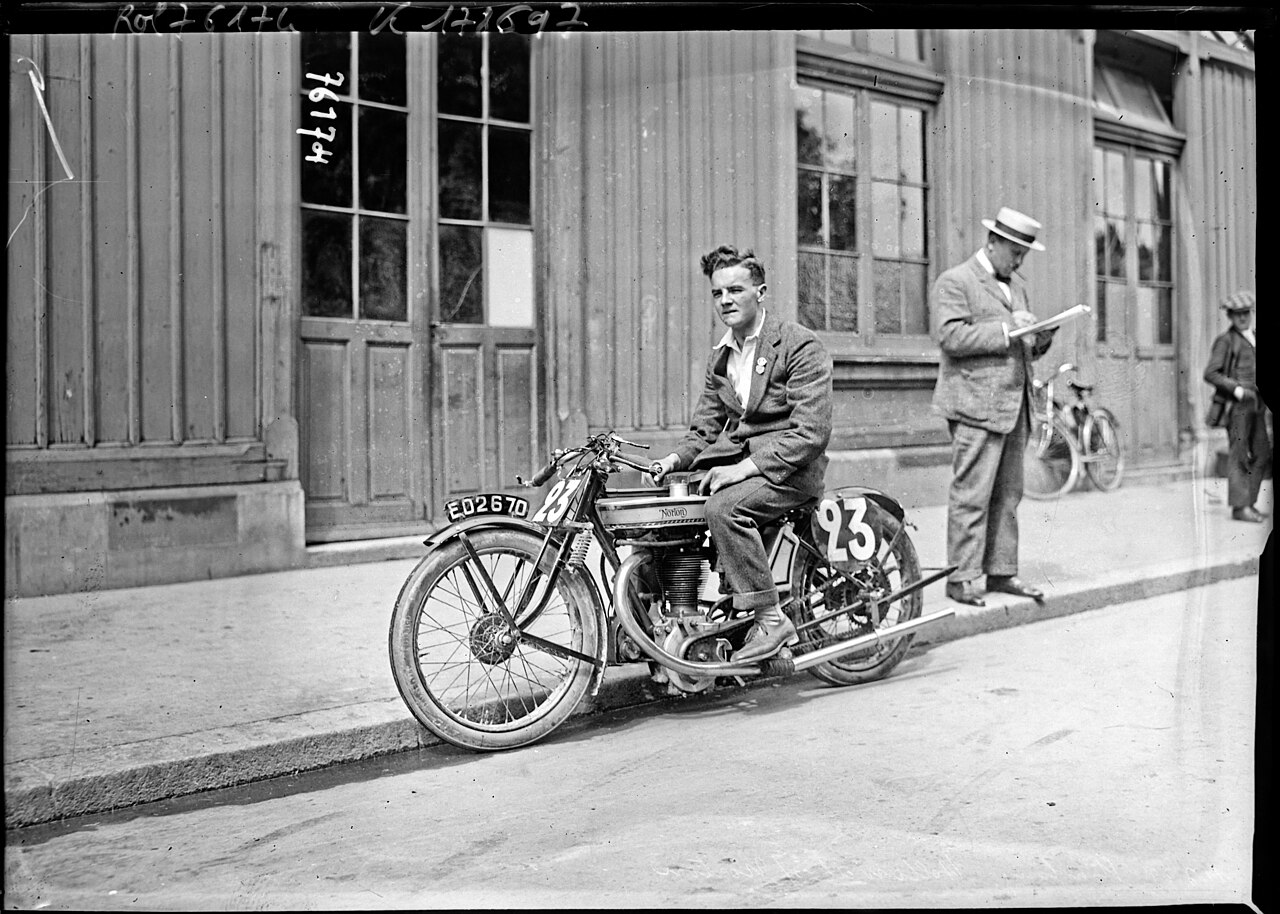
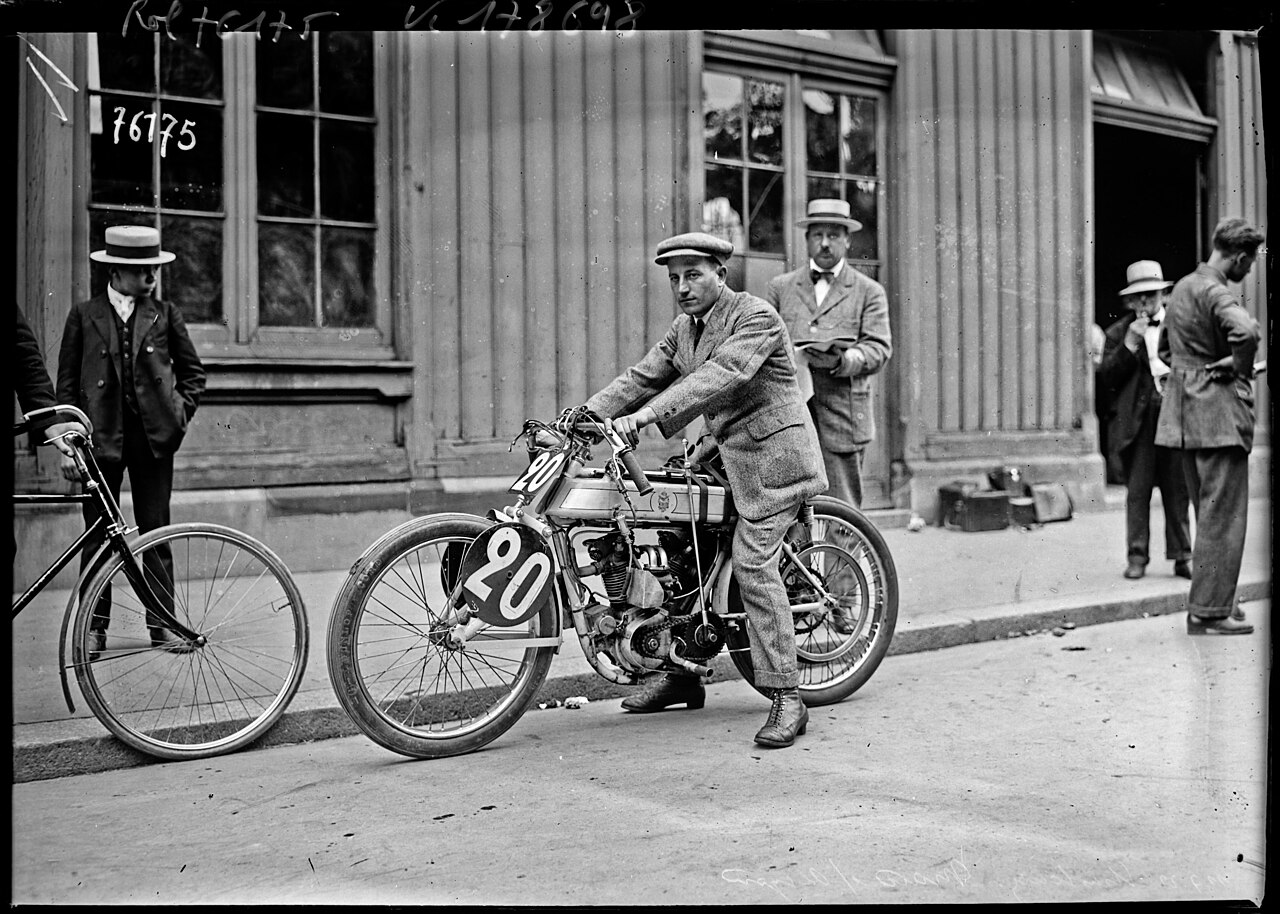
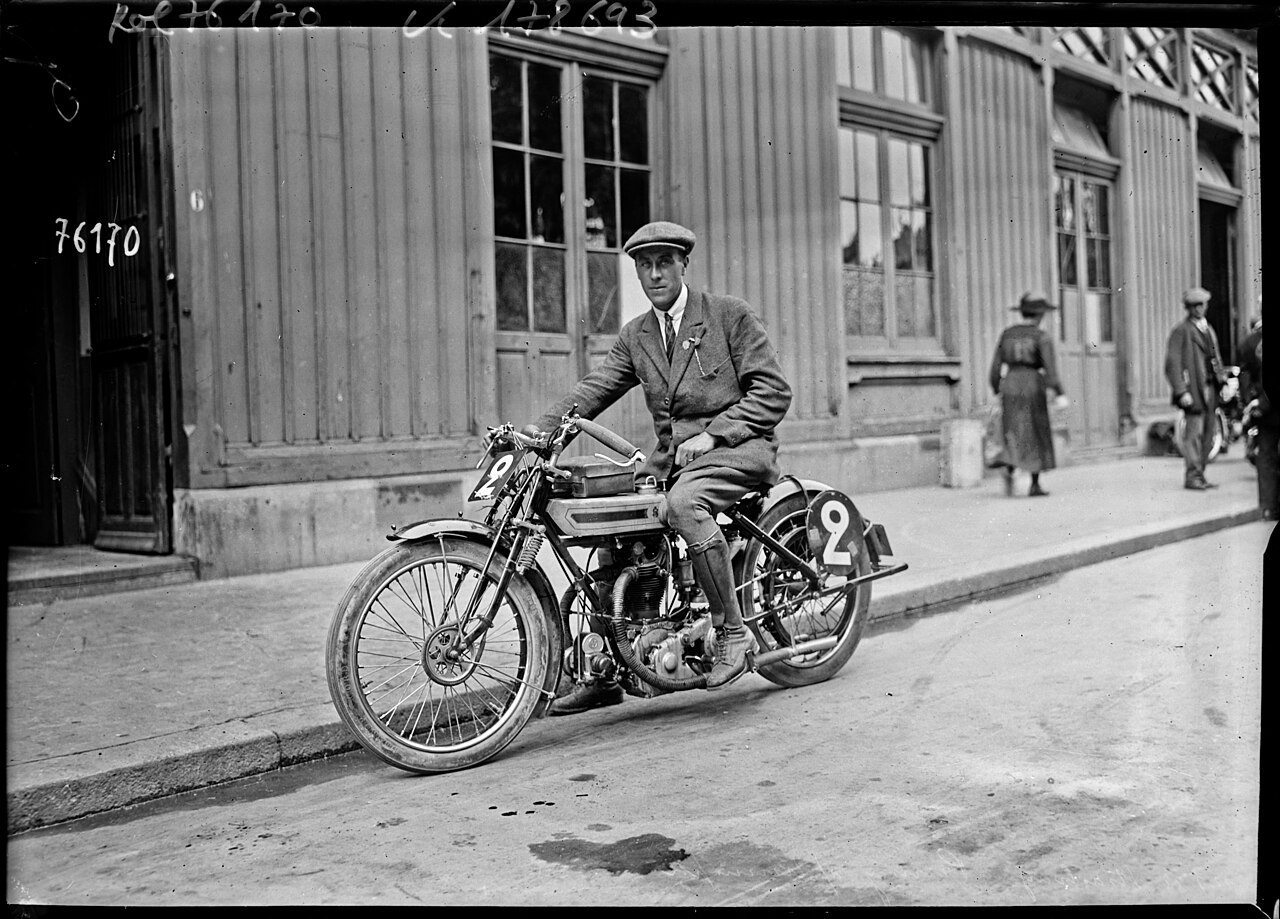
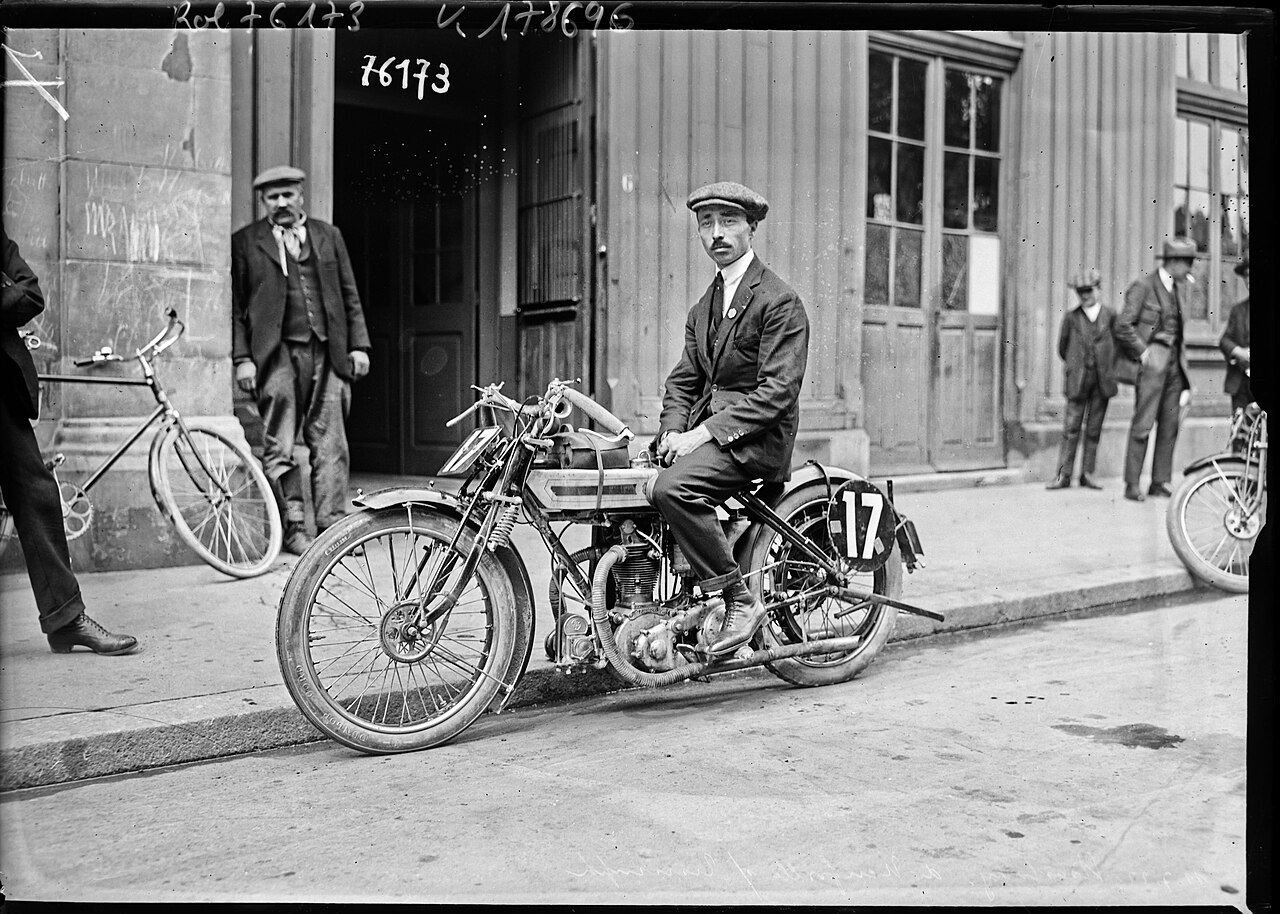
Agence Rol · Public domain
500 cc Grand Prix is a motorcycle racing video game developed by Microïds and released in 1987 (the MS-DOS version followed in 1988 or 1989). It was made available for the Amstrad CPC, MS-DOS, Commodore 64, Atari ST, and Thomson TO7. The game is noted for including a multiplayer mode, which contemporary magazines described as the technology of the future.
Quick Facts
- Title
- 500 cc Grand Prix
- Developer
- Microïds
- Released
- EU · 1987
- Series
- Grand Prix 500
- Modes
- Single-player, Multiplayer, split-screen multiplayer
- Genre
- Racing, simulation
- Platforms
- Amstrad CPC, Atari ST, Commodore 64, MS-DOS, Thomson TO7
Facts from the source article.
Lore & Background
The game offers a two-player split-screen mode and three levels of general difficulty. Players can choose between training mode, a single Grand Prix, or the World Championship. During a race, the screen is split into two vertical halves showing the point of view of two racers. In single-player mode, one screen shows the player's motorcycle, while the other shows a computer-controlled motorcycle. In two-player mode, each player controls one side of the screen. The camera is positioned in third-person perspective behind the bike, with a Heads Up Display showing various indicators. Controls include accelerating, braking, steering at two different inclinations, and gear changing between four available gears. In the event of a crash, the player is penalized and restarts immediately from a stationary position at the crash site.
Reader's Guide
500 cc Grand Prix is significant as an early example of a split-screen multiplayer racing game, a feature that magazines at the time hailed as the technology of the future. The game includes twelve circuits inspired by real-life tracks, and in the DOS and Atari ST versions, a save mode after each race. The World Championship mode requires players to run all twelve circuits to obtain a final classification based on placements. The Commodore 64 version differs by having four racers per circuit instead of six. The game was the first French-produced game to be mentioned twice in the French magazine Jeux & Stratégie. Its legacy lies in demonstrating early multiplayer racing mechanics and split-screen technology on home computers of the late 1980s.
Did You Know?
- The game includes a multiplayer mode that magazines considered the technology of the future.
- In the Commodore 64 version, each circuit has four racers instead of six.
- The DOS and Atari ST versions feature a save mode after every race.
Origins & Multi-Platform Release
500 cc Grand Prix emerged in 1987 as a product of the French studio Microïds, which crafted a motorcycle racing title aimed squarely at the home computer market of the late 1980s. The game shipped across five distinct platforms: the Amstrad CPC, MS-DOS, Commodore 64, Atari ST, and the Thomson TO7, giving it a notably broad European footprint for a single title. Its significance in the French gaming scene is underscored by the fact that it became the first French-produced game to receive coverage in the magazine Jeux & Stratégie, where it was mentioned on two separate occasions. Today, the game's historical record is preserved through external archives such as MobyGames and the thelegacy.de museum, while a deprecated online playable version was archived in January 2013. For a small studio operating in 1987, managing five platform ports of a real-time racing game represented a considerable technical undertaking, and the title stands as a snapshot of what French game development looked like before the industry's later consolidation.
Racing Mechanics & Player Control
At the heart of 500 cc Grand Prix lies a third-person racing perspective, with the camera locked behind the motorcycle to give the player a clear view of the track ahead. A heads-up display overlays the screen, presenting various indicators that keep the rider informed during high-speed action. The control scheme mirrors the physicality of motorcycle riding: the player accelerates, brakes, and steers by pushing the handlebar at two different inclinations, while also managing a four-speed gearbox. This gear-changing requirement adds a layer of mechanical decision-making that distinguishes the title from simpler arcade racers. The consequence of a crash is immediate and unforgiving — the rider is penalized and must restart from a stationary position at the exact spot where the accident occurred, with no grace period or checkpoint buffer. The screen is divided into two vertical halves, each showing one racer's viewpoint, a layout that serves both single-player and competitive two-player sessions equally well.
Mode Structure & Circuit Design
The game offers three distinct ways to race, each with its own pacing and stakes. In training mode, the session is brief: just two laps with only two motorcycles on the circuit, making it an ideal space for a rider to learn the track layout and control responses. A single Grand Prix expands the scope to nine laps and six competing racers, though the Commodore 64 version trims the field to four due to hardware constraints. The most ambitious option is the World Championship, which demands that the player complete all twelve circuits and earns a final classification based on accumulated placements across every race. Those twelve circuits are inspired by real-world racing venues, lending an air of authenticity to the virtual competition. On the MS-DOS and Atari ST versions, a save function is available after each race, allowing players to pause a championship campaign and resume later — a thoughtful convenience that the other platform ports do not include.
The Split-Screen Revolution
Perhaps the most forward-looking element of 500 cc Grand Prix is its two-player split-screen mode, a feature that contemporary magazines singled out as representing the technology of the future. In 1987, local multiplayer racing on a single home computer was still a novelty, and the game's implementation was clean: the display splits into two vertical halves, each player receiving their own dedicated viewpoint of the track. In single-player sessions, one half shows the human rider while the other displays a computer-controlled opponent, preserving the competitive framing even in solo play. The fact that Microïds managed to deliver a smooth, simultaneous two-racer experience across five different hardware platforms — from the modest Commodore 64 to the more capable Atari ST — speaks to the engineering effort behind the title. That magazines of the era looked at this split-screen racing and saw a glimpse of what multiplayer gaming would eventually become gives the game a place in the broader narrative of how competitive video games evolved from solitary experiences into shared, head-to-head spectacles.
Gallery
Frequently Asked Questions
What is 500 cc Grand Prix?
It is a motorcycle racing game from the late 1980s that puts players in the saddle for 500cc-class circuit racing. The title takes its name from the top tier of real-world motorcycle grand prix competition.
What platforms was 500 cc Grand Prix released on?
The game shipped for the Amstrad CPC, Commodore 64, Atari ST, Thomson TO7, and MS-DOS. The PC version arrived a year or two after the original 1987 launch.
What made 500 cc Grand Prix's multiplayer mode stand out?
It offered split-screen two-player racing, which was uncommon for motorcycle titles of that era. Contemporary magazines at the time called the feature 'the technology of the future.'
Who developed 500 cc Grand Prix?
The game was created by Microïds, a French studio that produced a range of titles for home computers throughout the 1980s.
When did 500 cc Grand Prix come out?
The original release hit in 1987, with the MS-DOS port following in either 1988 or 1989.
More in Racing video games 1-24
Spotted an error? Know more?
Reader corrections go straight into our review queue. Suggest an edit · How this site is sourced