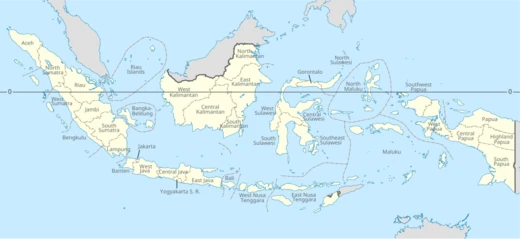
Aceh
Westernmost Indonesian province, birthplace of Islam in Southeast Asia.

Tinta Emas Historia Network · CC0
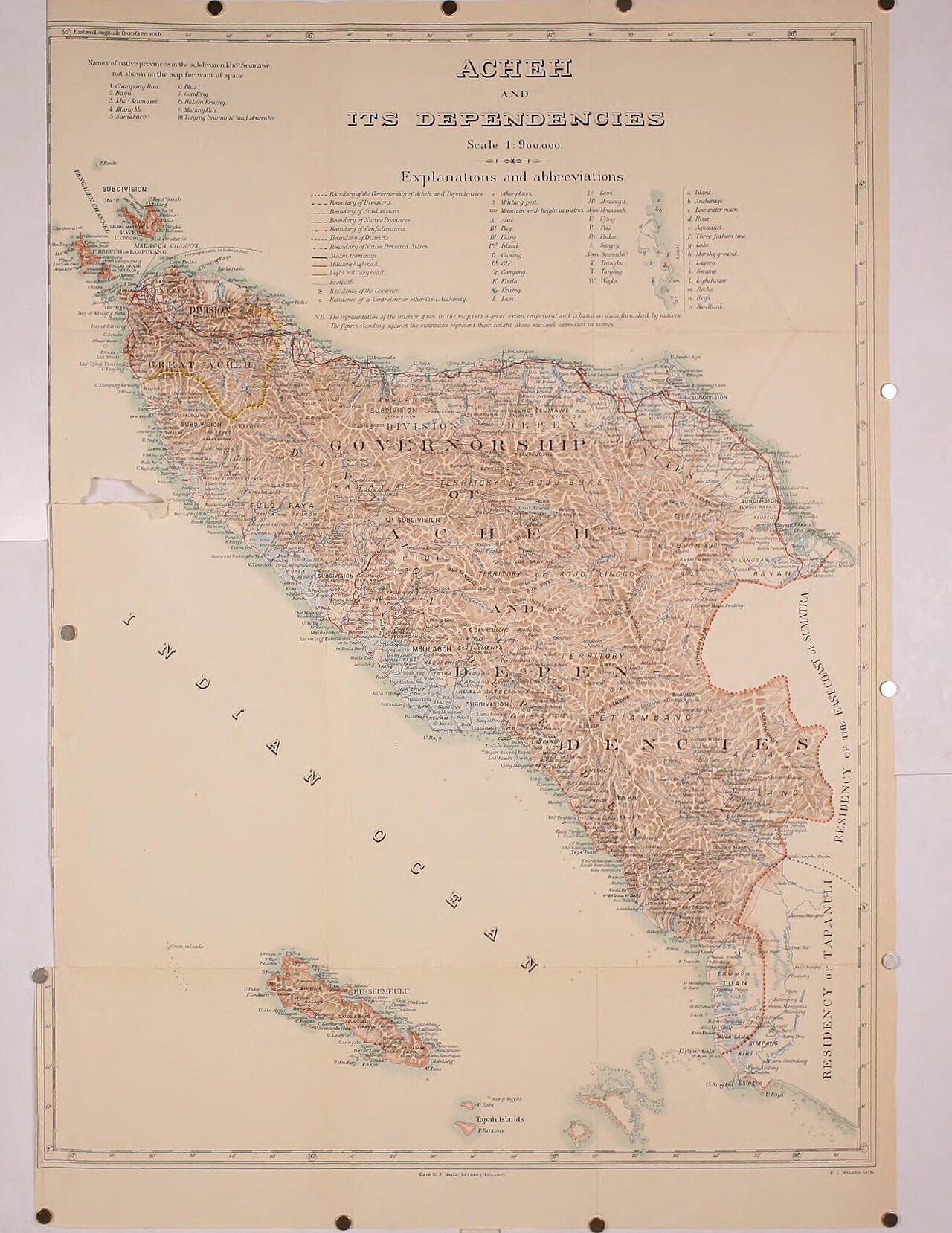
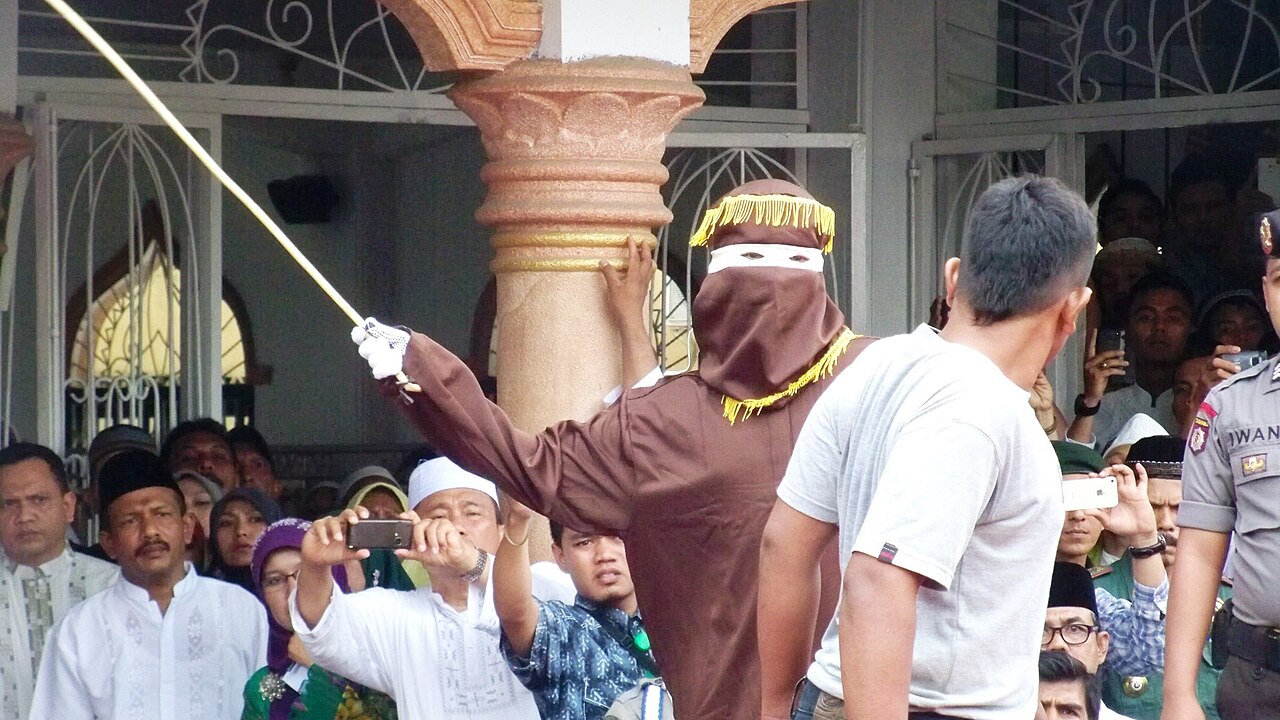
Aceh is the westernmost province of Indonesia, situated on the northern end of Sumatra island, with Banda Aceh as its capital. It is bordered by the Indian Ocean to the west, the Strait of Malacca to the northeast, and the province of North Sumatra to the east, its sole land border. Aceh also shares maritime borders with Malaysia, Thailand, and India’s Andaman and Nicobar Islands. The province is a religiously conservative territory with a Muslim majority and remains the only Indonesian province to officially integrate Islamic law. Its population, numbering about 5.626 million in mid-2025, is projected to reach 5,695,900 by mid-2026, growing annually by roughly 1.24%. The land area spans 56,834.75 square kilometers. Ten indigenous ethnic groups reside here, with the Acehnese people comprising approximately 70% of the population.
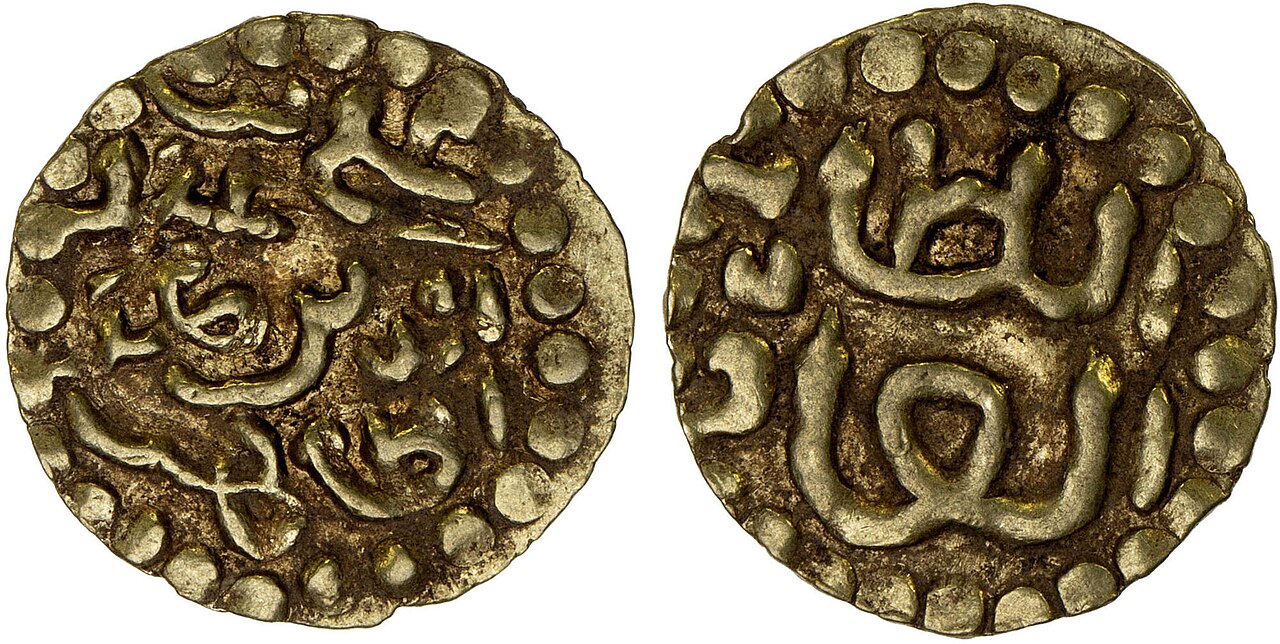
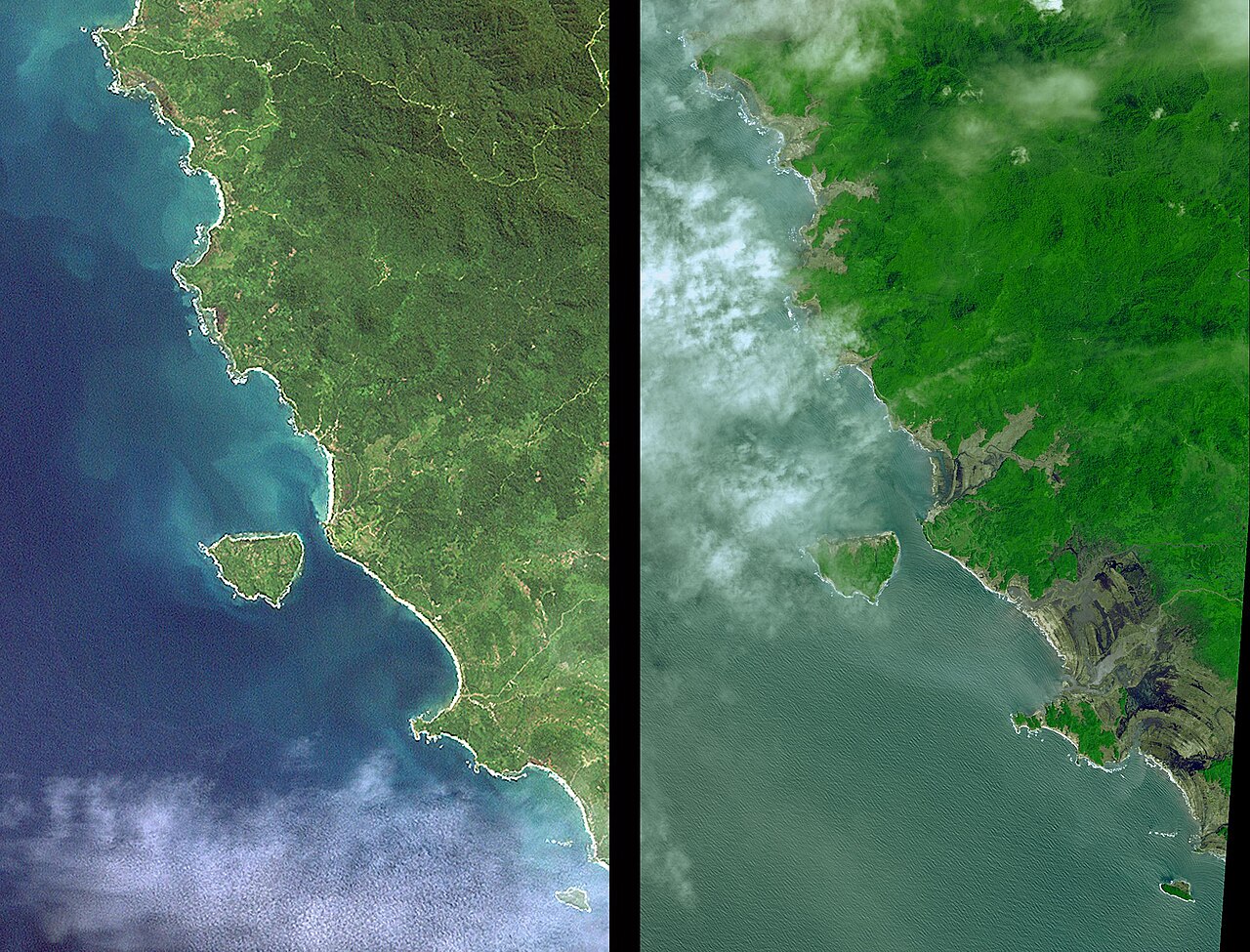
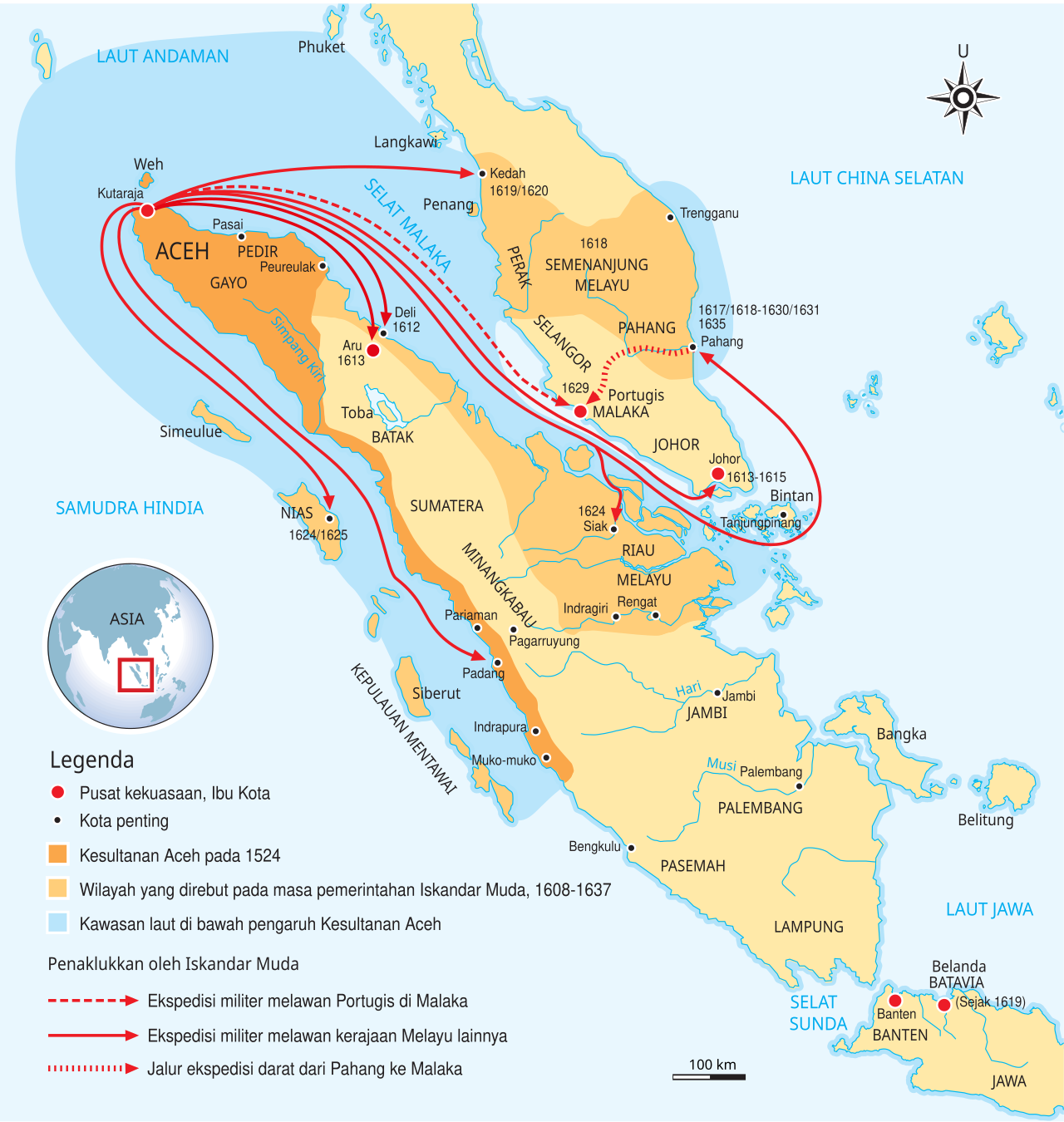
Aceh holds profound historical significance as the region where Islam first spread in Indonesia, beginning around 1250 in the Kingdoms of Fansur and Lamuri, and later becoming a key center for Islam’s expansion across Southeast Asia. By the early 17th century, the Aceh Sultanate was the wealthiest, most powerful, and most cultivated state in the Strait of Malacca. The province has a long history of political independence and resistance to external control, including opposition to the Dutch East Indies and later the Indonesian government. Aceh possesses substantial natural resources of oil and natural gas. It was the closest landmass to the epicenter of the 2004 Indian Ocean earthquake and tsunami, which devastated much of its western coast, killing or leaving missing approximately 170,000 Indonesians. This disaster helped precipitate a peace agreement between the Indonesian government and the separatist Free Aceh Movement.
Lore & Background
Aceh, the westernmost province of Indonesia, occupies the northern end of Sumatra island, with Banda Aceh as its capital and largest city. Its land area spans 56,834.75 square kilometers. It is bordered by the Indian Ocean to the west, the Strait of Malacca to the northeast, and the province of North Sumatra to the east, which is its sole land border. Aceh also shares maritime borders with Malaysia and Thailand to the east, and the Andaman and Nicobar Islands of India to the north. The province is granted special autonomous status, making it a religiously conservative territory where the majority of the population is Muslim; it is the only Indonesian province to officially integrate Islamic law. Ten indigenous ethnic groups reside here, the largest being the Acehnese people, who account for approximately 70% of the population. The region’s population was about 5.626 million in mid-2025, projected to reach 5,695,900 by mid-2026, with an annual increase of roughly 1.24%. Aceh is a unified legal community with special authorities to manage its own governmental affairs, led by a governor. Historically, it was where the spread of Islam in Indonesia began, and it was a key location for the religion’s spread across Southeast Asia. Islam reached Aceh around 1250. In the early 17th century, the Aceh Sultanate was the wealthiest, most powerful, and most cultivated state in the Strait of Malacca. Aceh has a history of political independence and resistance to outside control, including from the former Dutch East Indies and later Indonesian governments. The province holds substantial natural resources of oil and natural gas. It was the closest point of land to the epicenter of the 2004 Indian Ocean earthquake and tsunami, which devastated much of its western coast, killing or leaving missing approximately 170,000 Indonesians. This disaster helped precipitate a peace agreement between the Indonesian government and the separatist Free Aceh Movement.
Reader's Guide
Aceh’s history is marked by early human habitation, with archaeological evidence near the Tamiang River showing shell middens, stone tools, and faunal remains dating back to around 10,000 BCE. Before the arrival of Islam, Hindu-Buddhist cultures flourished in the region, as documented by Marco Polo, who described the people of the Lambri Kingdom as “idolaters” ruled by a maharaja. Chinese records indicate Aceh was once under the control of the Srivijaya empire, and the Nagarakretagama lists it as a possession of Majapahit. Remnants of this era include a stone sculpture of Avalokiteshvara and the Indra Patra fort with Hindu shrines. Islam began to take hold in Aceh around 1250, with the region becoming a key center for the spread of the faith across Southeast Asia. The gravestone of Sultan Malikussaleh, dated 1297, provides early evidence of a Muslim dynasty. By the early 17th century, the Aceh Sultanate was the wealthiest and most powerful state in the Strait of Malacca. Aceh has a long tradition of political independence and resistance to external control, opposing both the Dutch colonial administration and later the Indonesian government. The 2004 Indian Ocean earthquake and tsunami devastated its western coast, killing or leaving missing approximately 170,000 people, and this disaster helped facilitate a peace agreement between Indonesia and the Free Aceh Movement separatist group.
Did You Know?
- Aceh is the only Indonesian province to officially integrate Islamic law (Sharia).
- The Aceh Sultanate allied with the Ottoman Empire against the Portuguese, while its relationship with the Johor Sultanate fluctuated between alliance and rivalry, not a consistent target of the alliance.
Aceh's Unmatched Village Density
No single province in Indonesia rivals Aceh when it comes to the sheer number of rural villages concentrated within its regencies. Five of the sixteen regencies that hold the most rural villages across the entire country are located in Aceh: North Aceh with 852, Pidie with 730, Bireuen with 609, Aceh Besar with 604, and East Aceh with 513. North Aceh Regency stands at the very top of the national ranking, outpacing even the highland regencies of Papua such as Tolikara (541) and Yahukimo (510). Together, these sixteen leading regencies account for roughly one-third of Indonesia's 74,953 rural villages. By contrast, the national average across all regencies and fifteen cities sits at just 172 villages per unit, making Aceh's top regencies several times that benchmark. This extraordinary concentration underscores how deeply village-level governance is woven into the social fabric of the province.
The Gampong: A Distinctive Local Identity
While most of Indonesia refers to its rural villages as desa, Aceh has long used its own term: gampong. This local nomenclature appears throughout the province's administrative records and is one of many regional variations that exist across the archipelago, alongside nagari in West Sumatra, nagori in North Sumatra, and kampung in parts of Kalimantan and Papua. The gampong system is not merely a naming convention; it reflects a governance structure in which the village leader holds no civil servant status and is instead selected through a public election. Under Law Number 6 of 2014, these community units are recognized as legal entities with defined territorial boundaries, empowered to manage local affairs, community interests, and traditional rights within the national framework. In districts like Lhoksukon, Peusangan, Padang Tiji, and the town of Pidie, the gampong remains the fundamental building block of everyday administration, with counts ranging from 64 to 75 per district.
Districts That Break the Pattern
Across Indonesia, a typical district contains somewhere between forty and fifty rural villages. Yet nine districts nationwide exceed that range, holding more than sixty villages each. Four of those nine are in Aceh: Lhoksukon in North Aceh Regency with 75 gampongs, Peusangan in Bireuen Regency with 69, and both Padang Tiji and the town of Pidie in Pidie Regency with 64 each. The remaining five are spread across other provinces, including Abenaho in Yalimo (108 kampungs), Dolok in North Padang Lawas (86), Krayan in Nunukan (65), Padang Bolak in North Padang Lawas (62), and Welarek in Yalimo (61). Altogether, these nine districts house 654 villages, which represents roughly 0.7 percent of the nation's 74,953 rural villages. Notably, Krayan District has since been split into three separate districts containing 23, 17, and 25 villages respectively, illustrating how administrative boundaries can shift over time even as the underlying community structures persist.
Villages Within Indonesia's Administrative Hierarchy
The village sits at the very bottom of Indonesia's four-tier administrative structure, beneath the district, the regency or city, and the province. It is the smallest official unit of governance in the country. Nationally, the Ministry of Home Affairs reported 8,488 urban villages (kelurahan) and 74,953 rural villages (desa) as of 2019. The average rural village spans approximately 25.41 square kilometres and is home to roughly 3,723 residents. Urban villages, governed by an appointed civil servant called a lurah, must meet specific population and area thresholds that vary by region, from 4,500 residents in Java and Bali down to just 900 in Papua and the eastern islands. The concept of a small, self-governing community unit is not unique to Indonesia; similar structures exist worldwide, from barangays in the Philippines and muban in Thailand to communes in France, Gemeinden in Germany, and civil parishes in England. Aceh's gampongs occupy the same foundational role within this global family of local governance.
Gallery
Frequently Asked Questions
Who is Aceh?
Aceh is the westernmost province of Indonesia, sitting at the northern tip of Sumatra. It is a deeply religious, Muslim-majority territory and the only Indonesian province that officially incorporates Sharia law into its legal system.
What are Aceh's powers or role?
Its most distinctive power is its unique legal autonomy: it is the sole province in Indonesia permitted to integrate Islamic law into its governance. Historically, it also served as the primary engine for spreading Islam across the broader Southeast Asian region.
How does Aceh's story end?
Rather than a single dramatic finale, Aceh's story continues as a living legacy: it remains the only province in Indonesia where Sharia is formally woven into daily law, preserving a distinct identity that stretches back nearly five centuries.
Why is Aceh important to the wider Indonesia canon?
Without Aceh, the story of Islam's arrival in the archipelago loses its starting point, since the region is widely regarded as where the faith first took root in Southeast Asia. Its centuries-old Sultanate also gave Indonesia one of its earliest and most powerful Islamic polities.
More in Provinces Of Indonesia 1-24
Spotted an error? Know more?
This is a living reference — every entry is fact-audited, and reader corrections feed straight into our audit queue. Suggest an edit · See this site's audit record