Sandy Blythe
Australian wheelchair basketball captain and Paralympic gold medalist.
Sandy Blythe, an Australian wheelchair basketball player, was awarded the OAM. A 1981 car accident left him paraplegic, but he later captained the gold-medal-winning national team at the 1996 Atlanta Paralympics. He died by suicide in 2005 at age 43 following a prolonged illness.
Quick Facts
- Full name
- Robert Alexander Blythe
- Nationality
- Australian
- Born
- 24 February 1962
- Birthplace
- Geelong, Victoria, Australia
- Died
- 18 November 2005
- Place of death
- Melbourne, Victoria, Australia
- Medal templates
- Men's wheelchair basketball
- Paralympic Games; 1996 Atlanta
- Team competition
Facts from the source article.
Did You Know?
- The Sandy Blythe Medal is awarded to the best player of the year in the Australia men's national wheelchair basketball team.
- Blythe was posthumously inducted into the Australian Basketball Hall of Fame in 2010.
Biography
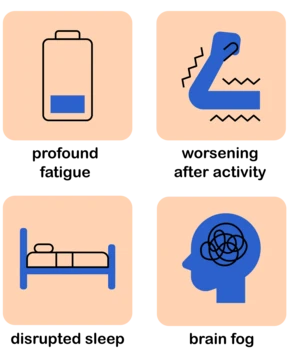
Sandy Blythe was born in Geelong on 24 February 1962 and raised on a farm near Derrinallum, Victoria. A standout Australian rules footballer in his youth, he represented Victoria in the Teal Cup and later joined St Kilda’s country squad. In 1981, he started a physical education degree at the Ballarat College of Advanced Education, but that same year a three-car crash left him paraplegic. After six months of rehabilitation at Austin Hospital, he still graduated on schedule in 1984. Blythe played for the Australian men’s wheelchair basketball team at four Paralympics: Seoul 1988, Barcelona 1992, Atlanta 1996, and Sydney 2000. He captained the side to a gold medal in Atlanta and served as co-captain of the entire Australian Paralympic team in Sydney alongside Priya Cooper. In 1998, he held an Australian Institute of Sport scholarship for wheelchair basketball. He worked as a motivational speaker and started businesses aimed at raising public awareness of disability. His memoir, Blythe Spirit, came out in 2000. Blythe died by suicide on 18 November 2005 after struggling with depression and chronic fatigue syndrome for several years. At the time, he had been in an eight-year domestic partnership with fellow wheelchair basketball player Paula Coghlan.
More in People with Myalgic Encephalomyelitis/chronic Fatigue Syndrome
Spotted an error? Know more?
Reader corrections go straight into our review queue. Suggest an edit · How this site is sourced