
Gagauzia
Autonomous Moldovan region for the Turkic Orthodox Gagauz people.

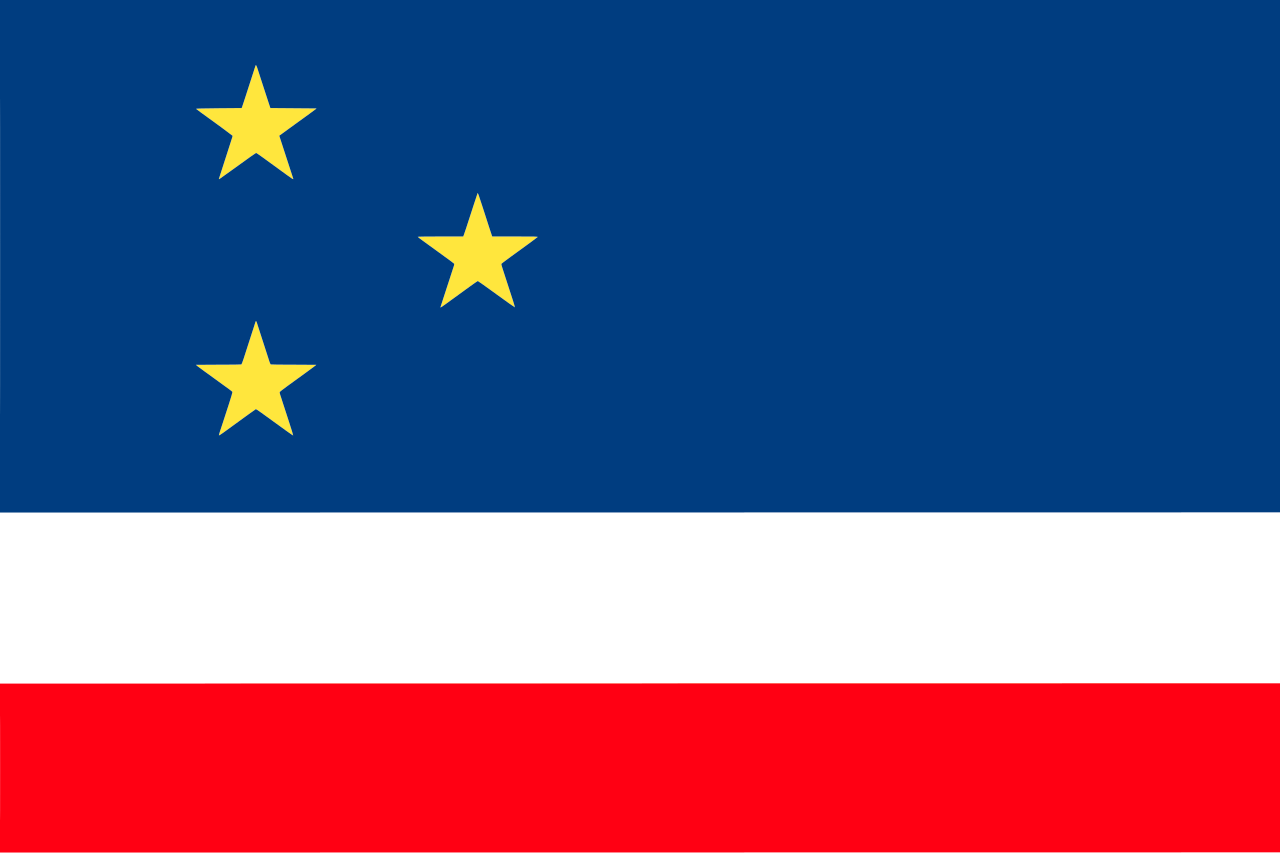
Fvasconcellos ( talk · contribs ) · Public domain
Gagauzia, also known as Gagauz-Yeri and officially the Autonomous Territorial Unit of Gagauzia (ATUG), is a self-governing region within Moldova. Its special status was created for the Gagauz people, a Turkic ethnic group whose members are predominantly Orthodox Christian.
The region’s history is tied to Bessarabia, the eastern half of the former Principality of Moldavia. The Russian Empire annexed Bessarabia in 1812. After World War I, all of Bessarabia, including Gagauzia, became part of the Kingdom of Romania. A Soviet invasion and occupation began in June 1940, but Romania, having joined the Axis powers, reoccupied the area from 1941 to 1944. Following World War II, Gagauzia was absorbed into the Moldavian Soviet Socialist Republic. During the dissolution of the Soviet Union, Gagauzia declared itself an independent republic in 1990, but it was peacefully reintegrated into Moldova by 1995.
The origins of the Gagauz people are debated. In the early 20th century, Bulgarian historian M. Dimitrov counted 19 different theories about their ancestry; later, Gagauz ethnologist M. N. Guboglo listed 21. Some theories suggest they descend from Bulgars, Cumans-Kipchaks, or a Seljuk Turk clan led by the dervish Sarı Saltık. Their Orthodox faith hints that their ancestors may have lived in the Balkans before the Ottoman conquest in the late 14th century. Another idea points to a Kutrigur origin. The official Gagauz museum notes that one of the two main theories is descent from the Bulgars.
Under the Russian Empire, after the Russo-Turkish War of 1806–1812, the Treaty of Bucharest gave Russia control of Bessarabia. Nogai tribes living in several southern Bessarabian villages (Budjak) were forced out. Between 1812 and 1846, the Russians moved Gagauz people from what is now eastern Bulgaria (then under Ottoman rule) into Orthodox Bessarabia, settling them mainly in the villages the Nogai had left. They settled alongside Bessarabian Bulgarians in places like Avdarma, Comrat, Congaz, Tomai, and Cișmichioi. Some Gagauz were also placed in the part of Moldavia not under Russian control, but they soon moved to join their people in the compact southern Bessarabian area they still inhabit today. Apart from a brief six-day peasant uprising in 1906 that declared an autonomous Comrat Republic, the Gagauz have been ruled by others: the Russian Empire (1812–1917), the Kingdom of Romania (1918–1940 and 1941–1944), the Soviet Union (1940–41 and 1944–91), and Moldova (1917–18 and from 1991 onward).
During the 1980s, Gagauz nationalism was mostly an intellectual movement but grew stronger as the Soviet Union adopted more liberal policies. In 1988, activists from the local intelligentsia joined with other ethnic minorities to form the Gagauz People movement. A year later, its first assembly passed a resolution calling for an autonomous territory in southern Moldova with Comrat as its capital. The movement intensified in August 1989 when Moldovan (Romanian) was made the official language of the Republic of Moldova, challenging the previously dominant Russian. Many in southern Moldova’s multiethnic population distrusted the central government in Chișinău and feared the implications if Moldova reunited with Romania. In November 1989, a Gagauz ASSR was declared within Moldova. In August 1990, Comrat declared itself an autonomous Soviet republic separate from Moldova, but the Moldovan government ruled this unconstitutional. Stepan Topal emerged as the movement’s leader.
Support for the Soviet Union remained strong in Gagauzia. A March 1991 referendum saw nearly unanimous votes to stay in the USSR. Many Gagauz backed the Moscow coup attempt in August 1991, and that September Transnistria declared independence, straining relations with Moldova. When the Moldovan parliament voted for independence on 27 August 1991, six of the twelve Gagauz deputies voted in favor, while six abstained. The Moldovan government began focusing more on minority rights. Gagauzia’s economic reliance on the rest of Moldova, along with Moldova’s inability to defeat Transnistria, pushed both sides toward compromise. In February 1994, President Mircea Snegur promised autonomy to the Gagauz but opposed independence and rejected a federal state of three republics. Later that year, Moldova’s new Constitution granted the Gagauz people the right to “external self-determination.” On 23 December 1994, the Moldovan Parliament passed the “Law on the Special Legal Status of Gagauzia,” which took effect on 14 January 1995, peacefully ending the dispute. 23 December is now a Gagauz holiday. Today, Gagauzia is a national-territorial autonomous unit with three official languages: Romanian, Gagauz, and Russian.
- official_name
- Autonomous Territorial Unit of Gagauzia (ATUG)
- capital
- Comrat
- official_languages
- Romanian, Gagauz, Russian
- status
- Autonomous territorial unit of Moldova
- ethnic_group
- Gagauz (Turkic, primarily Orthodox Christian)
Lore & Background
The Gagauz people are a Turkic ethnic group, primarily Orthodox Christian, whose origins remain a matter of scholarly debate, with historians having enumerated between 19 and 21 distinct theories. Some of these theories propose descent from the Bulgars, the Cumans-Kipchaks, or a clan of Seljuk Turks associated with the dervish Sarı Saltık. Their Orthodox Christian faith suggests their ancestors may have been present in the Balkans prior to the Ottoman conquest of the late 14th century. In the official Gagauz museum, one of the two main theories presented is that they descend from the Bulgars. Historically, the Gagauz were relocated by the Russian Empire between 1812 and 1846 from what is now eastern Bulgaria (then under Ottoman rule) to the orthodox Bessarabia, settling in villages vacated by the Nogai tribes, such as Avdarma, Comrat, Congaz, Tomai, Cișmichioi, and others. They were joined there by Bessarabian Bulgarians. Some initially settled in territory not under Russian control, but soon moved to join their people in the compact area of southern Bessarabia, where their descendants live today. The region of Gagauzia, now an autonomous territorial unit of Moldova, has been ruled by the Russian Empire, the Kingdom of Romania, the Soviet Union, and Moldova, with a brief period of de facto independence in 1906 during a peasant uprising that declared the Comrat Republic. In 1990, during the dissolution of the Soviet Union, Gagauzia declared itself independent as the Gagauz Republic, but was reintegrated into Moldova by 1995.
Reader's Guide
Gagauzia’s Gagauz people are a Turkic ethnic group distinguished by their Orthodox Christian faith, a combination that has fueled numerous scholarly theories about their origins. Bulgarian and Gagauz researchers have catalogued over twenty distinct hypotheses, with some tracing the Gagauz to Bulgars, Cumans-Kipchaks, or a clan of Seljuk Turks, while the official Gagauz museum notes a leading theory of Bulgar descent. Their Orthodox confession suggests their ancestors lived in the Balkans before the Ottoman conquest. Historically, the Gagauz were relocated by the Russian Empire from eastern Bulgaria to Bessarabia in the early 19th century, settling in villages vacated by Nogai tribes. With the brief exception of a six-day peasant uprising in 1906 that declared the Comrat Republic, the Gagauz have been ruled by successive external powers: the Russian Empire, Romania, the Soviet Union, and Moldova. Gagauz nationalism grew in the late 1980s, leading to a declaration of independence in 1990 as the Gagauz Republic. This dispute was resolved peacefully in 1994 when Moldova granted Gagauzia a special autonomous status, which took effect in 1995. Today, Gagauzia functions as a national-territorial autonomous unit with its own governor (Başkan) and People’s Assembly (Halk Topluşu). Its three official languages—Romanian, Gagauz, and Russian—reflect the region’s multiethnic character and its negotiated place within Moldova.
Did You Know?
- In the 2024 Moldovan referendum on EU membership, Gagauzia voted 94.84% against, the highest opposition of any administrative division.
- The Gagauz people are a Turkic ethnic group who are primarily Orthodox Christian, with disputed origins including theories of Bulgar, Cuman-Kipchak, or Seljuk Turk descent.
The Enigma of Gagauz Origins
The Gagauz remain one of the most debated ethnic groups in the Black Sea region. By the early 1900s, Bulgarian historian M. Dimitrov had already catalogued 19 competing theories about their ancestry, and decades later, Gagauz ethnologist M. N. Guboglo expanded that count to 21. Some scholars trace the people to the Bulgars, others to Cumans-Kipchaks, and still others to a Seljuk Turk clan guided by the dervish Sarı Saltık. A Kutrigur lineage has also been proposed. What makes the Gagauz particularly distinctive is their combination of Turkic language with Orthodox Christianity—a pairing that, according to some researchers, implies their ancestors were already settled in the Balkans before the Ottoman conquest of the late 14th century. The official Gagauz museum acknowledges two principal theories, one of which points to Bulgar descent. This persistent scholarly uncertainty underscores how little is definitively known about a people who have inhabited the same compact stretch of southern Bessarabia for over two centuries.
Imperial Relocation and Early Settlement
The modern Gagauz homeland was not an ancient inheritance but a product of imperial policy. They arrived alongside Bessarabian Bulgarians and took root in villages such as Avdarma, Comrat, Congaz, Tomai, and Cișmichioi. Although some Gagauz were initially placed in the portion of Moldavia that escaped Russian control, within a few years most villagers consolidated into the compact southern region where their descendants still live.
The Road to Autonomy, 1989–1995
The late 1980s saw Gagauz nationalism shift from an intellectual current to a political force. Stepan Topal rose to lead the movement.
Governance, Language, and Constitutional Identity
The territory functions in three official languages—Romanian, Gagauz, and Russian—reflecting its layered history and multilingual population. Leadership rests with a Governor, called Başkan in Gagauz and Guvernator in Romanian, elected for a four-year term alongside deputies to the local legislature known as the People's Assembly. The boundaries of the autonomous region were not simply drawn by decree; communes with a majority Gagauz population held referendums requiring a simple majority to join, while areas with smaller Gagauz shares could opt in if one-third of residents requested a vote.
Gallery
More in Other European Regions 1-23
Spotted an error? Know more?
This is a living reference — every entry is fact-audited, and reader corrections feed straight into our audit queue. Suggest an edit · See this site's audit record