CASCAR
Sanctioning body for Canadian stock car racing.

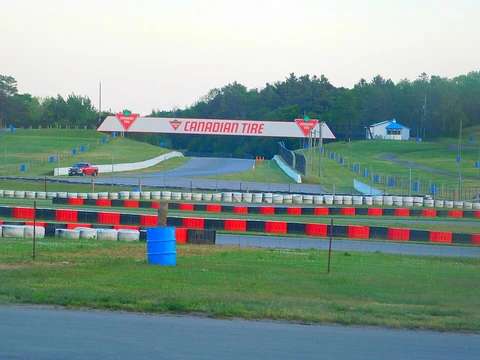
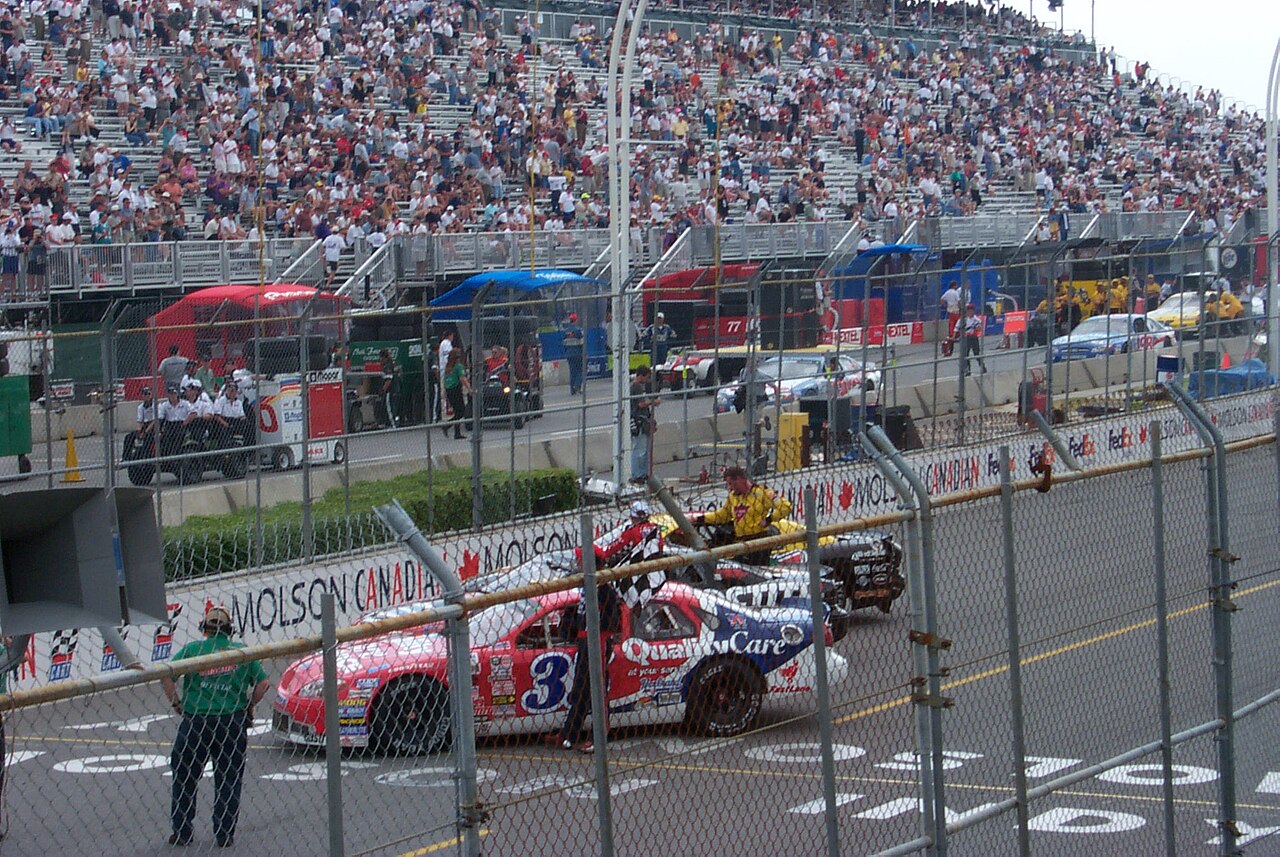
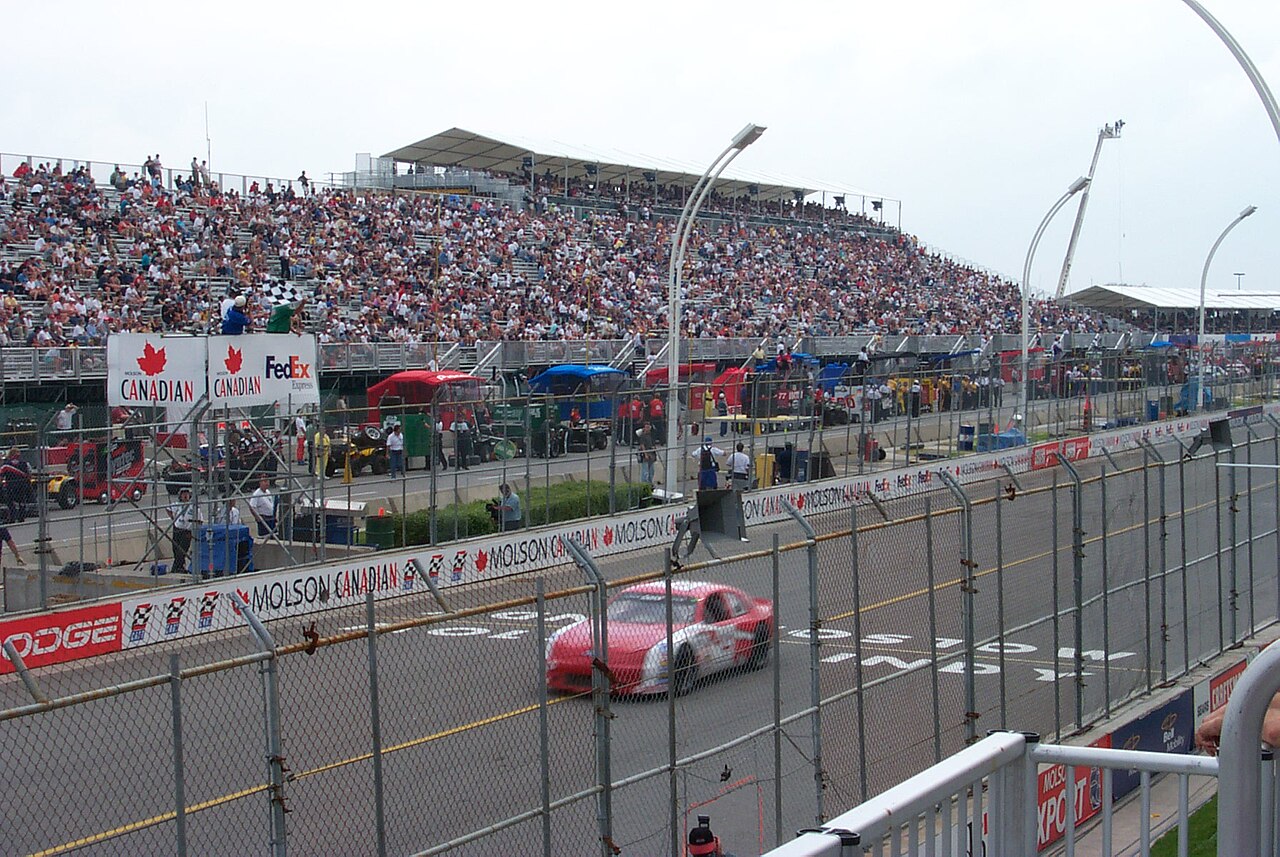
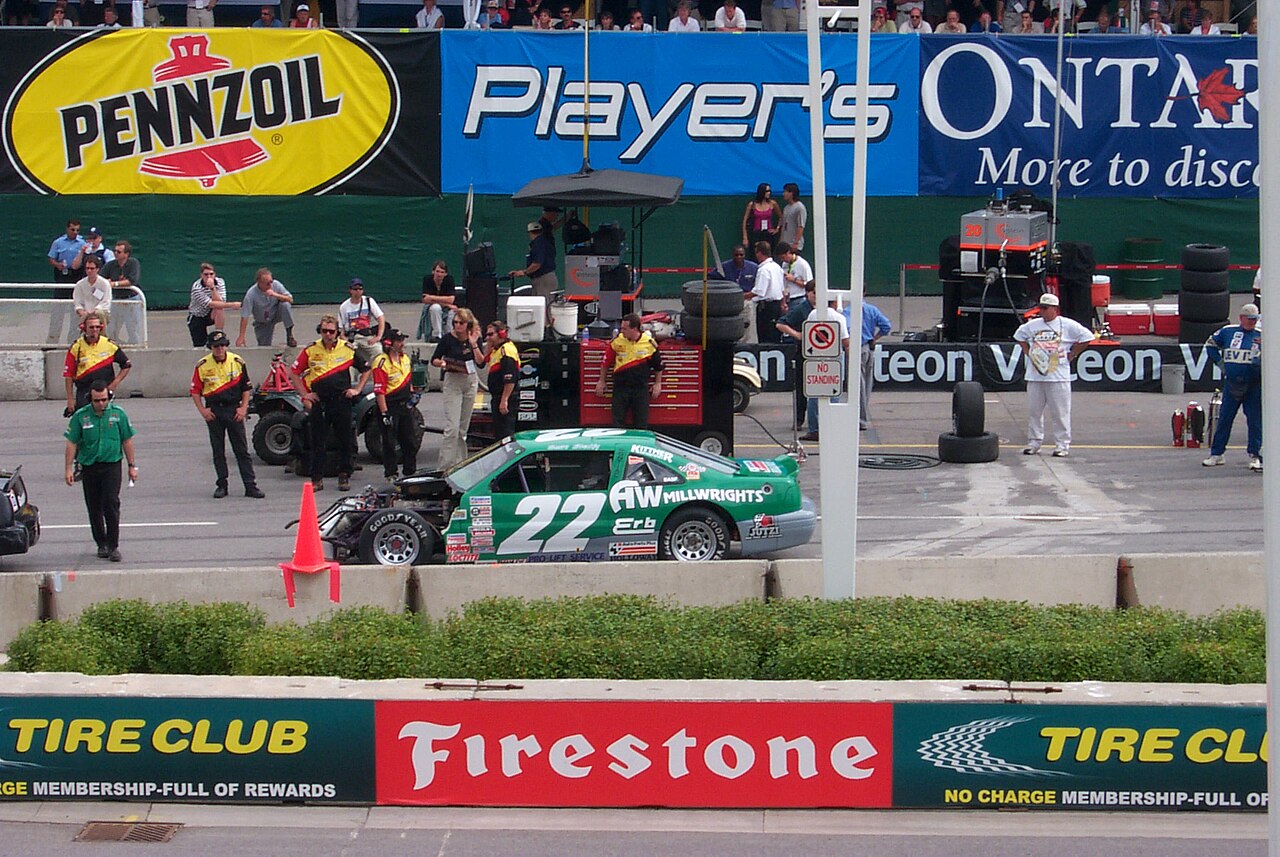
Peter Burka · CC BY-SA 2.0
The Canadian Association for Stock Car Auto Racing (CASCAR) was an auto racing sanctioning body for amateur and professional stock car racing in Canada. Founded in 1981 and headquartered in Delaware, Ontario, it sanctioned Canada's only national stock car racing series, the CASCAR Super Series, and oversaw divisions such as the Hobby Stock entry-level class and the regional CASCAR West Super Series. In 2006, NASCAR purchased CASCAR and created the NASCAR Canadian Tire Series, marking a significant shift in Canadian stock car racing.
Quick Facts
- Abbrev
- CASCAR
- Sport
- Stock car racing
- Category
- Auto racing
- Jurisdiction
- Canada Canada
- Headquarters
- Delaware, Ontario
- President
- Anthony Novotny
- Sponsor
- General Tire / Budweiser / Castrol
- Reopening Date
- 2024
- Countryflag
- Canada
Facts from the source article.
Lore & Background
CASCAR was established in 1981 by President Anthony Novotny, boasting the highest level of stock car racing in Canada. It sanctioned the CASCAR Super Series, Canada's only national stock car racing series, along with divisions like the Hobby Stock entry-level class and the CASCAR West Super Series, a regional touring series that ran alongside the national Super Series. CASCAR cars used fiberglass bodyshells over custom tube-frame racing chassis, unlike NASCAR's steel-bodied shells, and were powered by normally aspirated, pushrod V8 engines producing approximately 500 horsepower.
Reader's Guide
CASCAR played a pivotal role in organizing and promoting stock car racing in Canada, providing a national platform for both amateur and professional drivers. Its purchase by NASCAR in 2006 led to the creation of the NASCAR Canadian Tire Series, which integrated Canadian racing into the larger NASCAR framework. CASCAR's use of fiberglass bodyshells and tube-frame chassis distinguished its cars from NASCAR's steel-bodied vehicles, while its events on short track ovals, permanent road courses, temporary road courses, and street courses showcased diverse racing environments. The series' sponsorship transition from Canadian Tire to Pinty's in 2015 reflected ongoing commercial evolution. CASCAR's legacy lies in establishing a structured national series that eventually became part of NASCAR's international expansion.
Did You Know?
- CASCAR was founded in 1981 by President Anthony Novotny.
- NASCAR purchased CASCAR on September 12, 2006, and created the NASCAR Canadian Tire Series.
- The CASCAR West Super Series was a regional touring series that ran alongside the national Super Series, while the Hobby Stock was a separate entry-level class.
Foundations of a National Stock-Car Circuit
When CASCAR launched its operations in 1981, it established a multi-tiered racing structure designed to give stock-car enthusiasts across the country a competitive outlet. The organization fielded three distinct series: the EMCO Western Series, the CARQUEST Sportsman Series, and the flagship CASCAR Super Series, which served as the championship-level competition. Together, these events drew drivers to a rotating calendar of twelve tracks and speedways spread across diverse Canadian regions, ensuring that the sport remained geographically broad rather than concentrated in a single urban centre. The annual cycle of races gave local communities a recurring spectacle and gave drivers a structured path through the ranks—from the more accessible sportman and western categories up to the premier Super Series grid. In an era when Canada's motorsport identity was still being shaped by the FIA-recognized national authority and the growing Formula One programme, CASCAR carved out a distinctly domestic, stock-car niche that spoke to a different audience and a different kind of automotive culture.
The NASCAR Alliance and the Birth of NCATS
By the early 2000s, CASCAR sought a way to broaden its audience and inject fresh energy into Canadian stock-car racing. In 2004, the organization struck a collaboration with the American-based National Association for Stock Car Auto Racing, with the shared objective of heightening public interest in the discipline. The partnership was not a one-off arrangement; it unfolded over several years of joint planning and development. The most visible outcome of that cooperation was the resurrection of the CASCAR Super Series concept, reimagined under a new banner. In 2007 the NASCAR Canadian Tire Series made its competitive debut, backed by the Canadian Tire corporation as its title sponsor. This rebranding gave the series a recognizable international pedigree while retaining its Canadian roots, and it positioned stock-car racing as a more commercially viable product for broadcasters and fans alike. The NCATS thus became the direct spiritual successor to the 1981 CASCAR championship, carrying forward the tradition of multi-track, multi-region competition that had defined the original series.
Sponsorship, Stagnation, and the 2015 Break
The NASCAR Canadian Tire Series enjoyed a nine-year run under its founding title sponsor, but the partnership ultimately proved fragile. In 2015, Canadian Tire withdrew its financial backing, citing a perceived lack of meaningful growth or evolution in the series during the period of their association. The departure of the primary sponsor marked a significant turning point for what had been the most prominent national stock-car competition in the country. Without the corporate umbrella that had underwritten the event's visibility and operational costs, the series had to navigate a more uncertain commercial landscape. The episode underscored a broader tension in Canadian motorsport: the gap between the grassroots, community-driven racing culture that had given birth to organizations like CASCAR and the commercial expectations that modern sponsorship demands. The NASCAR Canada Series that followed carried the legacy of the 1981 CASCAR Super Series forward, but the 2015 sponsorship exit remained a defining moment that reshaped the series' trajectory and highlighted the vulnerability of mid-tier racing series to the decisions of a single corporate partner.
CASCAR Within Canada's Broader Racing Ecosystem
CASCAR did not exist in isolation; it was one thread in a dense tapestry of Canadian motorsport that has grown since the first recorded speed trial between Toronto and Hamilton in 1900. Today, the country hosts a layered competitive landscape that spans multiple disciplines and skill levels. At the pinnacle sits the Formula One Canadian Grand Prix, running continuously since 1967 and now anchored at the Circuit Gilles Villeneuve in Montreal. Below that, the IMSA GT3 Cup Challenge, launched in 2011, offers semi-professional drivers a platform to race Porsche 911 GT3s, while feeder categories such as Indy NXT and the USF Pro 2000 Championship have also staged events on Canadian soil. The NASCAR Canada Series, the direct descendant of the 1981 CASCAR Super Series, occupies the stock-car tier of this ecosystem. Together, these competitions reflect a national sporting culture that values both international prestige and homegrown, regionally diverse racing, ensuring that motorsport remains a physically demanding and widely followed pursuit across the country.
Gallery
Frequently Asked Questions
What is CASCAR?
CASCAR, short for the Canadian Association for Stock Car Auto Racing, was a sanctioning body that governed both amateur and professional stock car racing across Canada.
When was CASCAR founded and where was it headquartered?
The organization was established in 1981 and ran its operations out of Delaware, Ontario.
What racing series and divisions did CASCAR sanction?
It oversaw Canada's only national-level stock car championship, the CASCAR Super Series, along with entry-level classes such as Hobby Stock and a regional circuit called the CASCAR West Super Series.
What happened to CASCAR in 2006?
NASCAR purchased the organization and folded its national series into the new NASCAR Canadian Tire Series, ending CASCAR's existence as an independent Canadian racing body.
Why does CASCAR matter in Canadian motorsport history?
For roughly 25 years it was the sole national governing body for stock car racing in the country, giving Canadian drivers and teams a home-grown championship distinct from American sanctioning bodies.
More in Motorsport in Canada 1-24
Spotted an error? Know more?
Reader corrections go straight into our review queue. Suggest an edit · How this site is sourced