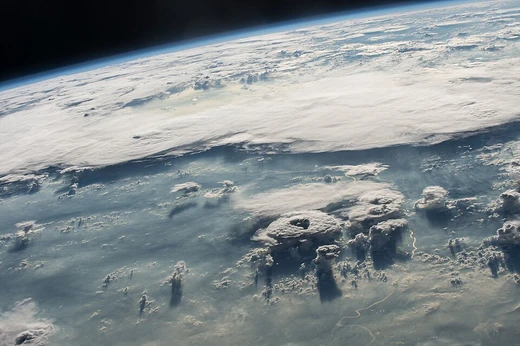
Thunderstorm
A storm producing lightning and thunder from cumulonimbus clouds.
A thunderstorm, also known as an electrical storm or a lightning storm, is a storm characterized by the presence of lightning and thunder. Thunderstorms occur in cumulonimbus clouds and are usually accompanied by strong winds, heavy rain, and sometimes snow, sleet, or hail, though some produce little or no precipitation. They can line up as squall lines or develop into severe forms such as supercells, which rotate like cyclones and produce dangerous phenomena including large hail, strong winds, and tornadoes.
These storms form from the rapid upward movement of warm, moist air, often along a front, though a lifting mechanism such as a shortwave trough is needed to accelerate the air. As the air rises, it cools and condenses into a cumulonimbus cloud that can reach great heights. When the rising air reaches its dew point, water vapor condenses into droplets or ice, lowering pressure locally within the cell. Precipitation falls through the cloud, colliding and growing larger, while the falling droplets create a downdraft that pulls cold air downward. This cold air spreads out at the surface, sometimes producing strong winds. Thunderstorms can develop anywhere but are most frequent in mid-latitudes, where warm, tropical air meets cooler polar air. Damage from thunderstorms primarily comes from downburst winds, large hail, and flash flooding from heavy rain. Stronger cells can produce tornadoes and waterspouts. There are three types: single-cell, multi-cell, and supercell, with supercells being the strongest. Mesoscale convective systems in the tropics and subtropics can contribute to hurricane development. Dry thunderstorms, which produce no precipitation, can ignite wildfires from cloud-to-ground lightning. Thunderstorms are studied using weather radar, stations, and video, and have been observed on Jupiter, Saturn, Neptune, and possibly Venus. All thunderstorms go through three stages: developing, mature, and dissipation, each averaging about 30 minutes. In the developing stage, moisture is lifted by solar heating, converging winds, or terrain, forming towering cumulus clouds as latent heat release fuels further ascent. In the mature stage, the rising air reaches a warmer layer, often the tropopause, and spreads into an anvil shape, forming a cumulonimbus incus cloud as water droplets coalesce and freeze.
- average_lifespan
- Approximately 30 minutes total
Lore & Background
Thunderstorms, also known as electrical or lightning storms, are defined by the presence of lightning and thunder and form within cumulonimbus clouds. While often producing heavy rain, they can also bring snow, sleet, or hail, and some generate little to no precipitation. Weaker storms are sometimes called thundershowers. They can occur in any geographic location but are most frequent in mid-latitudes, where warm, moist tropical air meets cooler polar air. A thunderstorm’s appearance varies through its life cycle: it begins as a towering cumulus cloud, matures into a characteristic anvil-shaped cloud (cumulonimbus incus) when the rising air hits a stable layer like the tropopause, and eventually dissipates. Storms can line up into squall lines or form rainbands. Severe thunderstorms produce dangerous phenomena including large hail, strong downburst winds, flash flooding, and tornadoes. The most persistent severe type, the supercell, rotates like a cyclone. While most storms move with the prevailing wind, vertical wind shear can cause them to deviate at a right angle. Dry thunderstorms, which produce no rain, can ignite wildfires from cloud-to-ground lightning. Beyond Earth, similar storms have been observed on Jupiter, Saturn, Neptune, and probably Venus.
Reader's Guide
Thunderstorms are significant because they are responsible for many severe weather phenomena, including downburst winds, large hailstones, flash flooding, tornadoes, and waterspouts. They can also cause wildfires through cloud-to-ground lightning in dry thunderstorms. Understanding their life cycle—developing, mature, and dissipating stages—helps in forecasting and hazard mitigation. Meteorological indices such as convective available potential energy (CAPE) and lifted index are used to assess potential development. Thunderstorms have been observed on other planets, including Jupiter, Saturn, Neptune, and probably Venus. Past civilizations held various myths about thunderstorms as late as the 18th century.
Did You Know?
- Thunderstorms can produce little or no precipitation at all, known as dry thunderstorms.
- Supercell thunderstorms rotate like cyclones and can sustain their mature stage for several hours.
- The average thunderstorm has a diameter of 24 km (15 mi) and a total lifespan of about 30 minutes.
Gallery
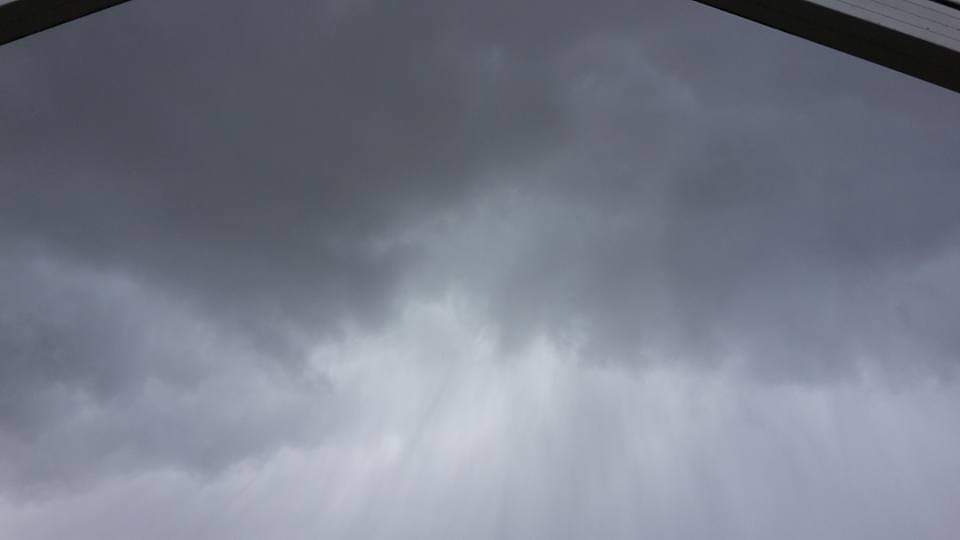
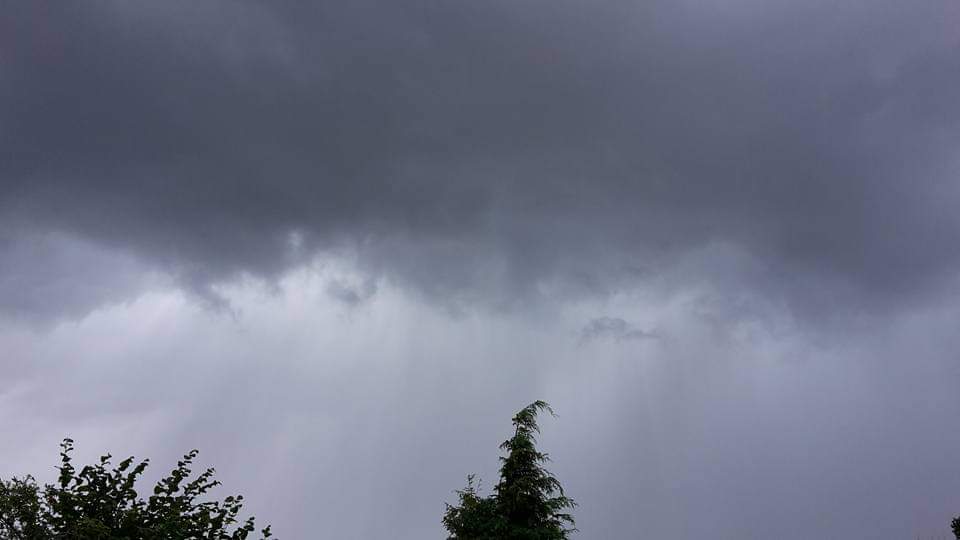
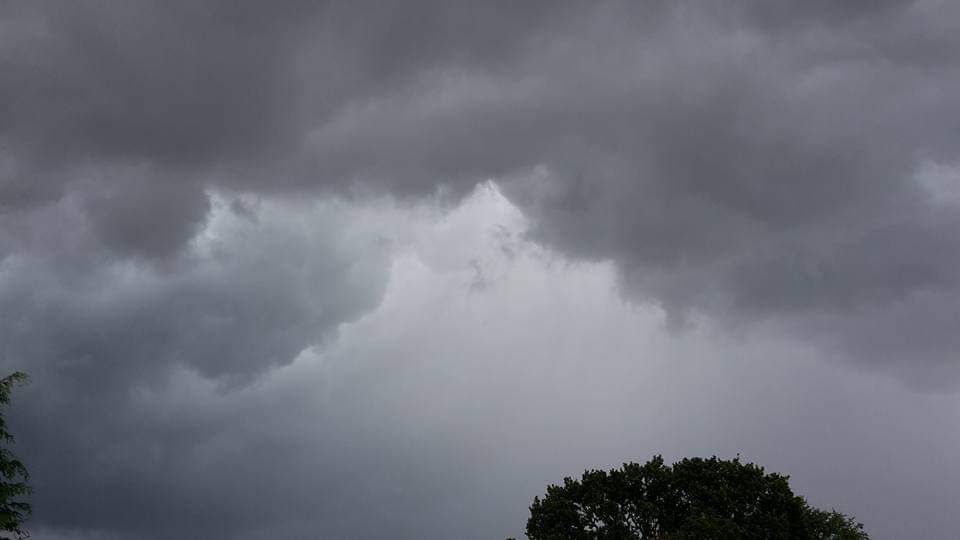
More in Meteorology 1-24
Spotted an error? Know more?
This is a living reference — every entry is fact-audited, and reader corrections feed straight into our audit queue. Suggest an edit · See this site's audit record