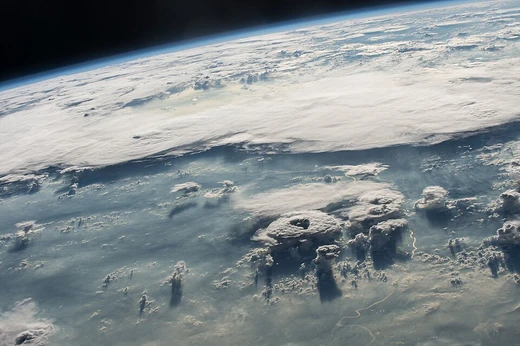
Drought
A recurring moisture deficit with widespread environmental and economic impacts.

Cavaliere grande · CC BY-SA 4.0
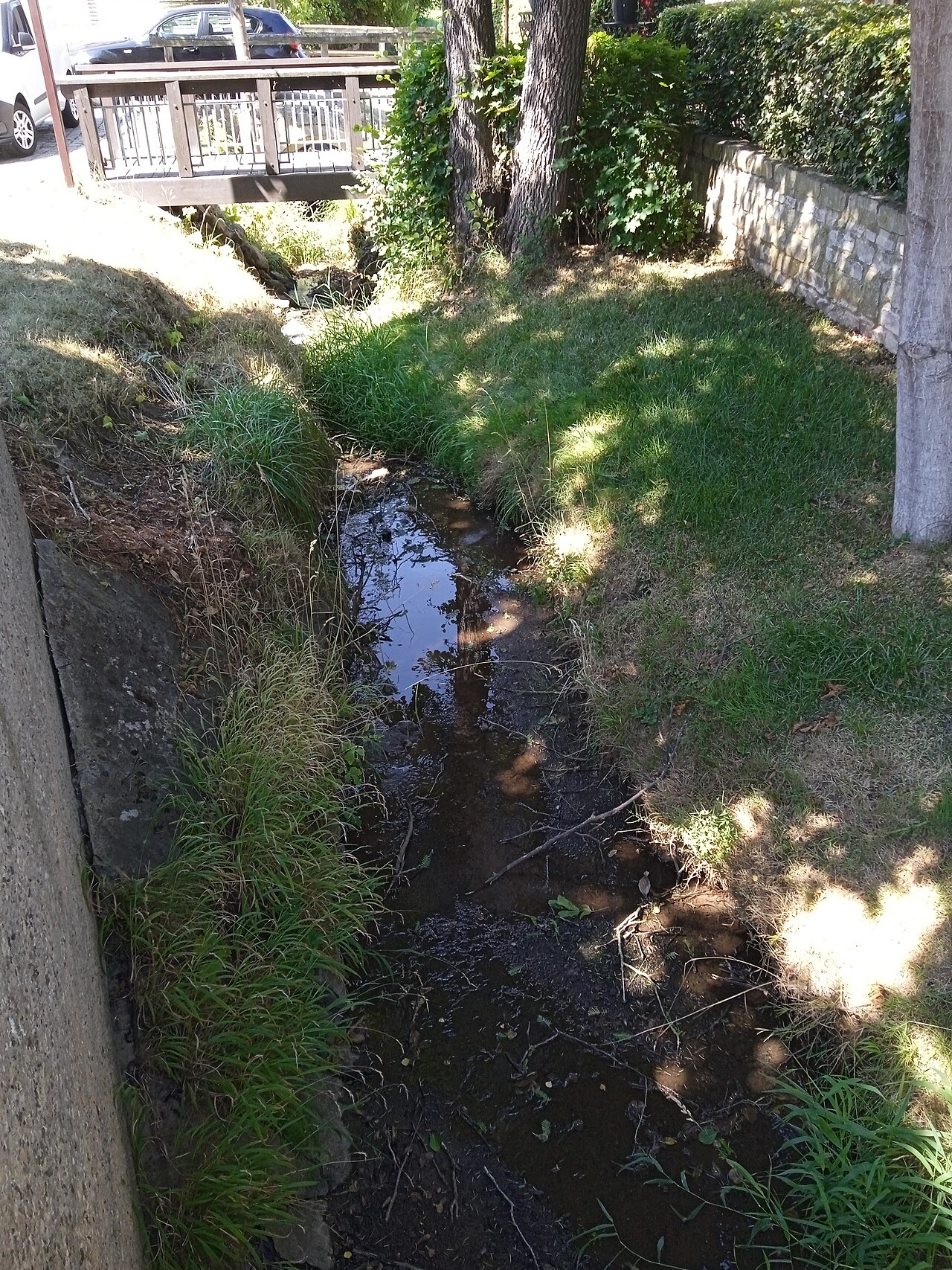
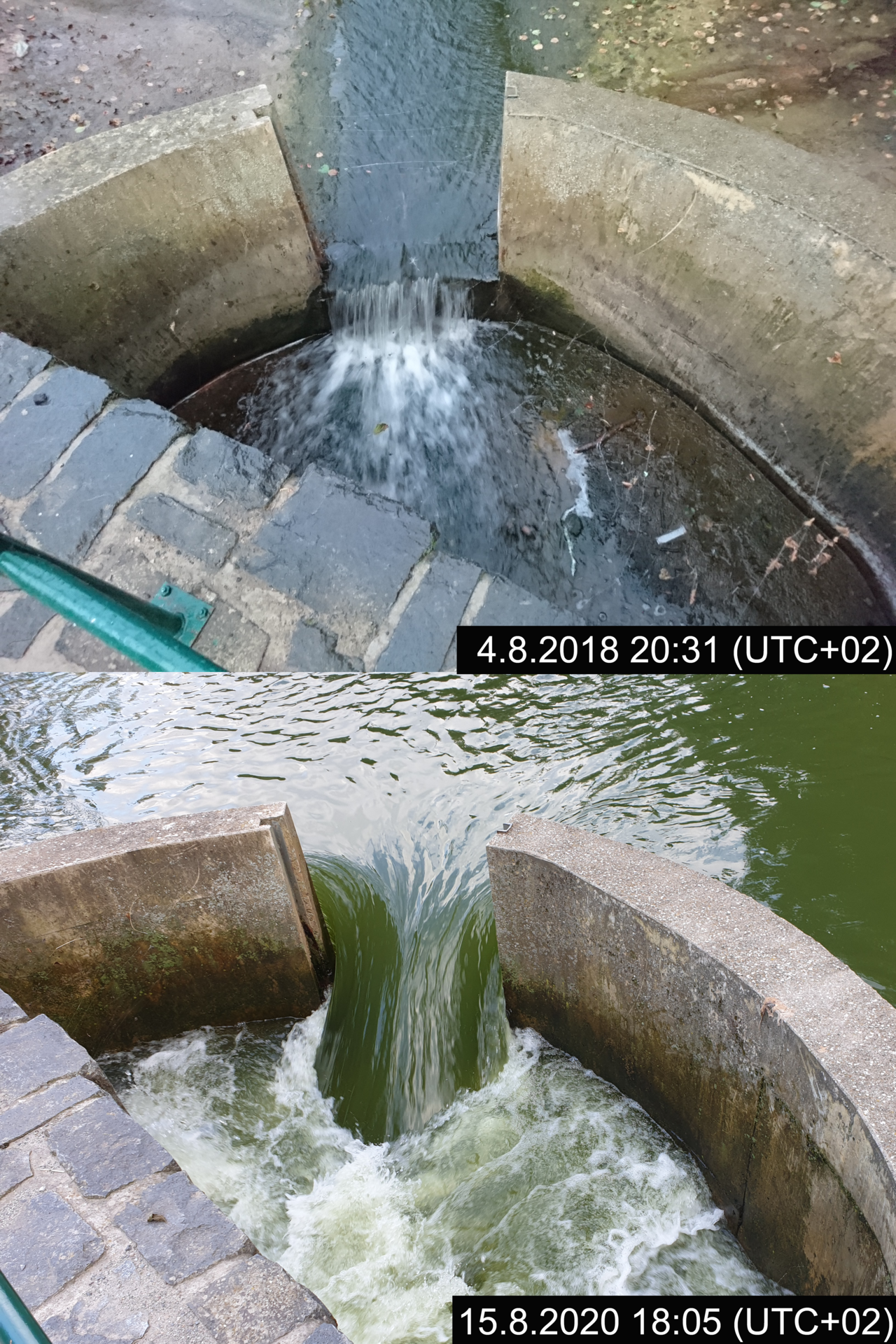
A drought is a period when conditions are drier than normal, lasting from a few days to several years. It is a common climate event in many regions, but climate change—traceable in tree rings since around 1900—has made droughts more severe and harder to predict. Droughts often disrupt ecosystems and farming, hurting local economies. In the tropics, annual dry seasons raise the chance of drought, which in turn increases wildfire risk. Heat waves can worsen drought by speeding up evapotranspiration, drying out forests and vegetation and creating more fuel for fires.
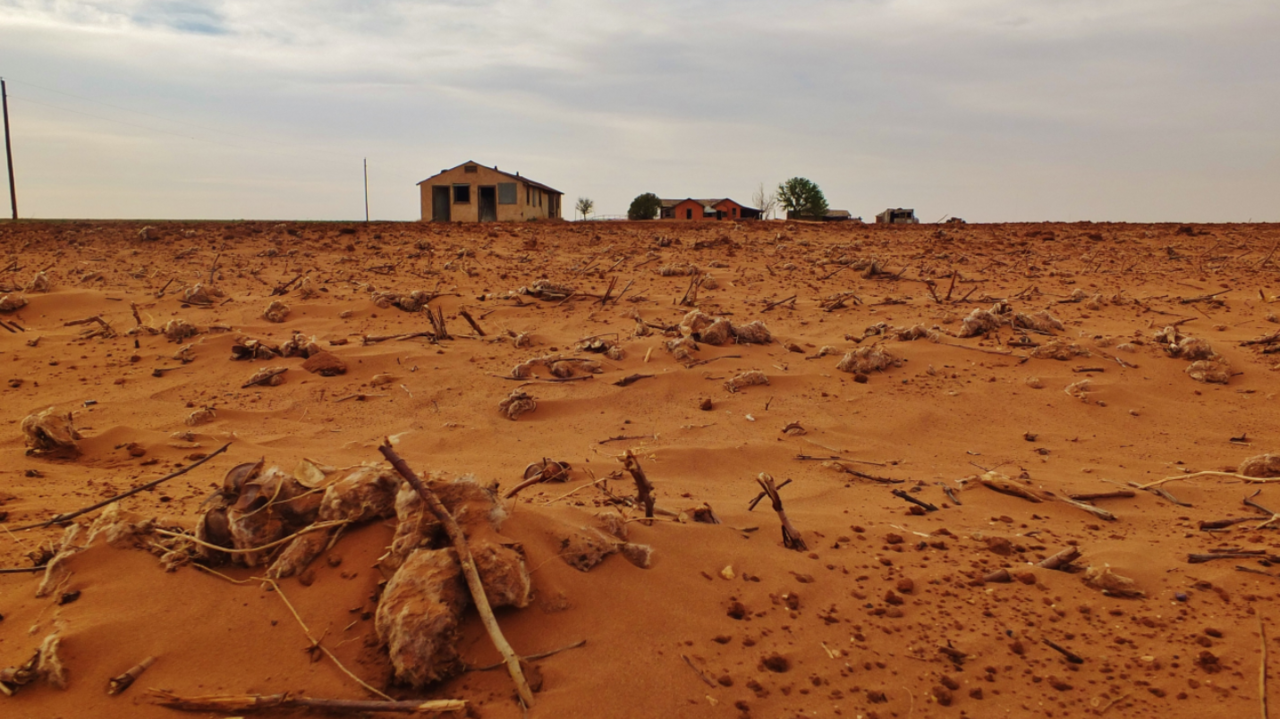
Drought effects fall into three categories: environmental, economic, and social. Environmentally, droughts dry up wetlands, fuel larger and more frequent wildfires, and reduce biodiversity. Economically, they harm agriculture and livestock, leading to food insecurity; they also disrupt forestry, public water supplies, river navigation (due to low water levels), hydropower systems, and human health. Socially and health-wise, droughts expose people to extreme heat, raise food costs, cause stress from failed harvests and water shortages, and increase air pollution from dust and wildfires. Prolonged droughts have triggered mass migrations and humanitarian crises.
Regions with higher drought risks include the Amazon basin, Australia, the Sahel, and India. In 2005, parts of the Amazon experienced their worst drought in a century. A 2008 Australian government report warned that future droughts could be more severe and frequent; the long Australian Millennial drought ended in 2010. The 2020–2022 Horn of Africa drought was longer and more severe than the 2010–2011 one. Historically, people have seen droughts as disasters because they threaten food and society, viewing them as natural events, human-influenced, or caused by supernatural forces.
The IPCC Sixth Assessment Report defines drought simply as “drier than normal conditions”—a moisture deficit compared to average water availability for a given place and season. The National Integrated Drought Information System calls it a precipitation deficiency over a season or more, leading to water shortage. NOAA’s National Weather Service defines it as a moisture deficit that harms people, animals, or vegetation over a large area. Drought is complex and hard to define; by the early 1980s, over 150 definitions existed, reflecting different regions, needs, and scientific approaches.
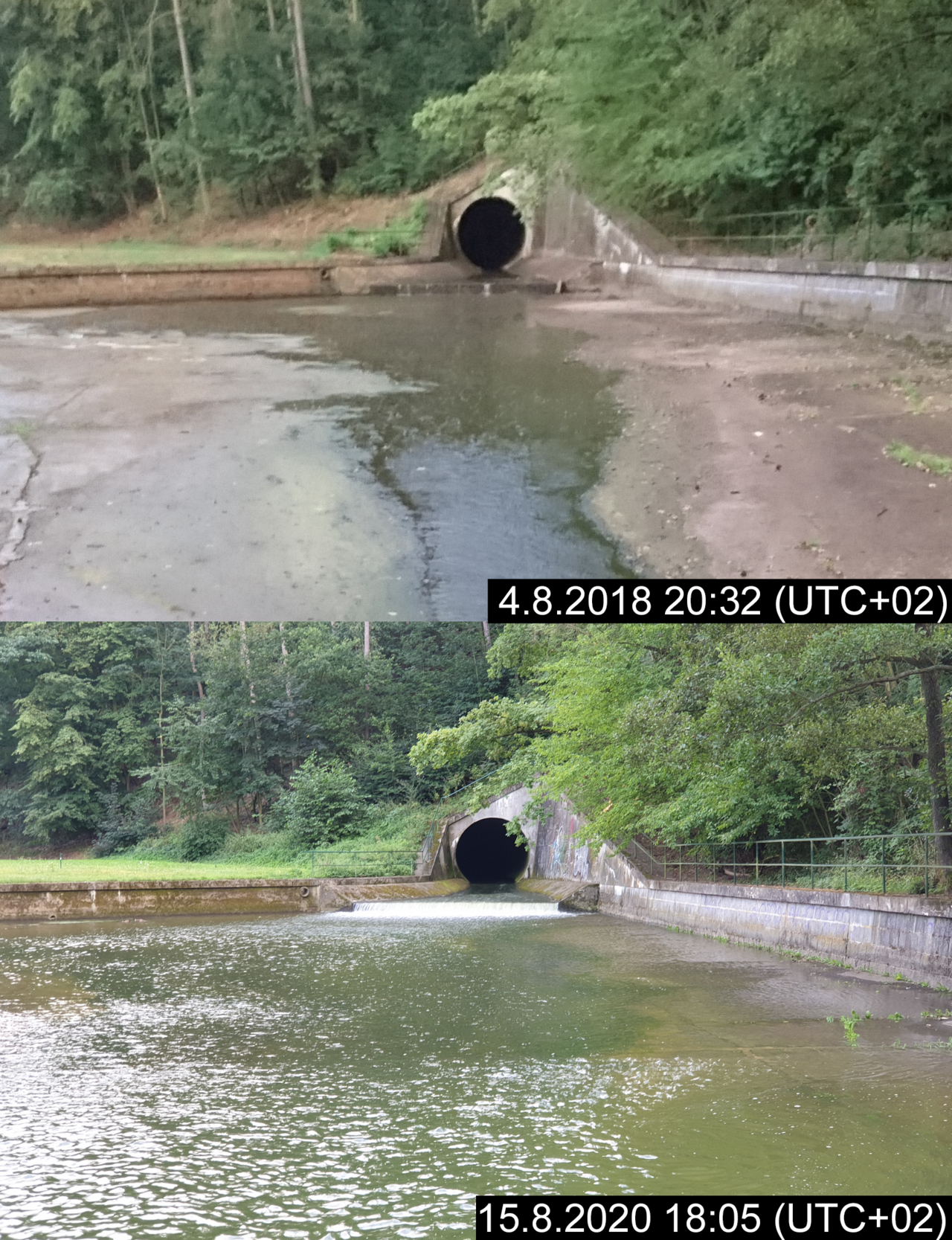
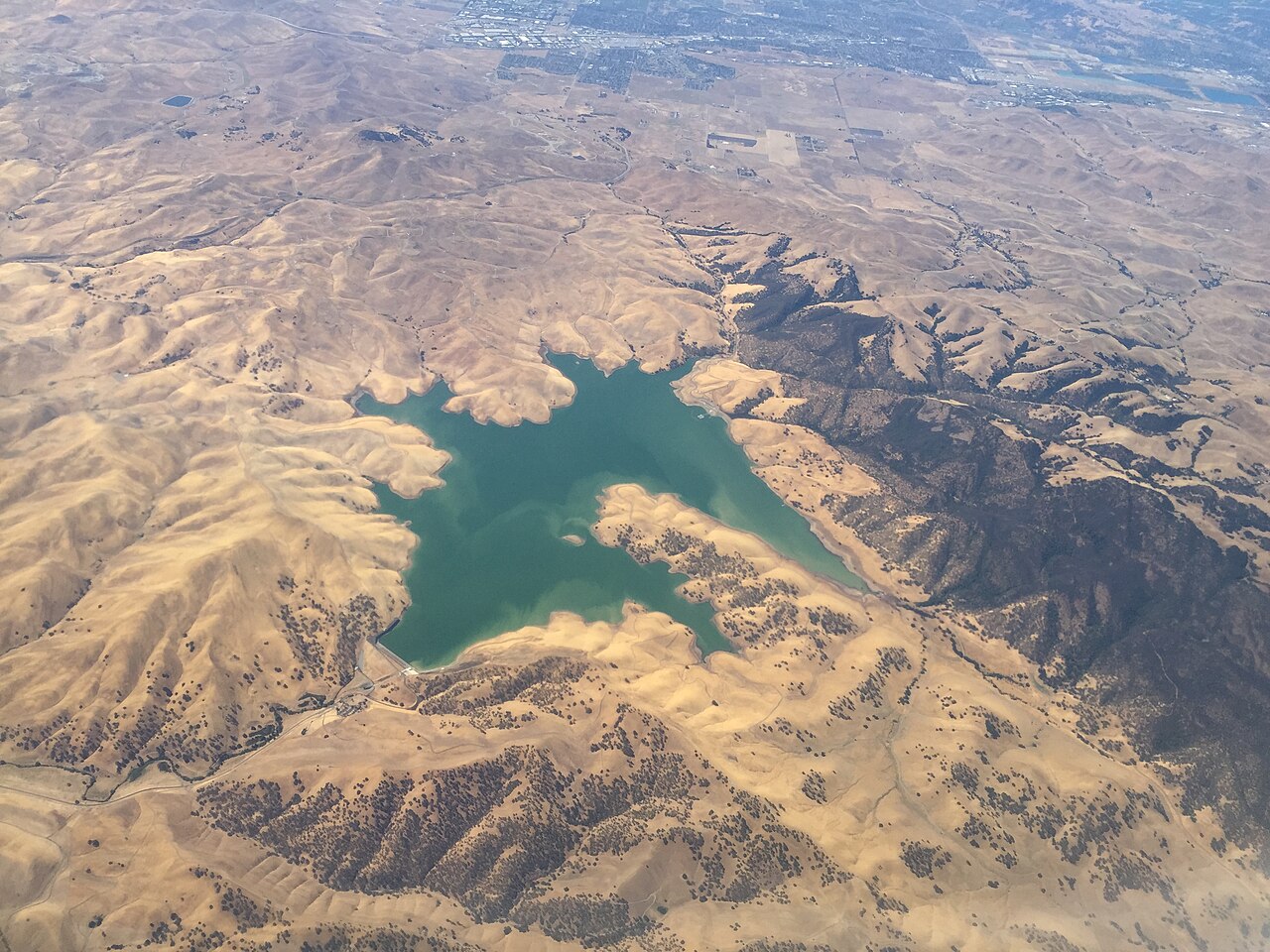
There are three main drought categories based on where the moisture deficit occurs in the water cycle: meteorological, hydrological, and agricultural or ecological. Meteorological drought comes from a lack of precipitation and usually precedes other types. Hydrological drought involves low runoff, streamflow, reservoir and groundwater levels; it develops slowly because it affects stored water that isn’t replenished. Water management can influence this type—both positively and negatively—and strategic management is key to reducing impacts. For example, around 2007, Kazakhstan received World Bank funds to restore water diverted from the Aral Sea, while its largest lake, Balkhash, faces similar drying risks. Agricultural or ecological drought stresses plants due to evaporation and low soil moisture, and can occur without rainfall changes if poor farming practices, irrigation, or erosion cause water shortfalls. Some organizations add socioeconomic drought, which happens when demand for water exceeds supply due to weather-related shortages—similar to water scarcity.
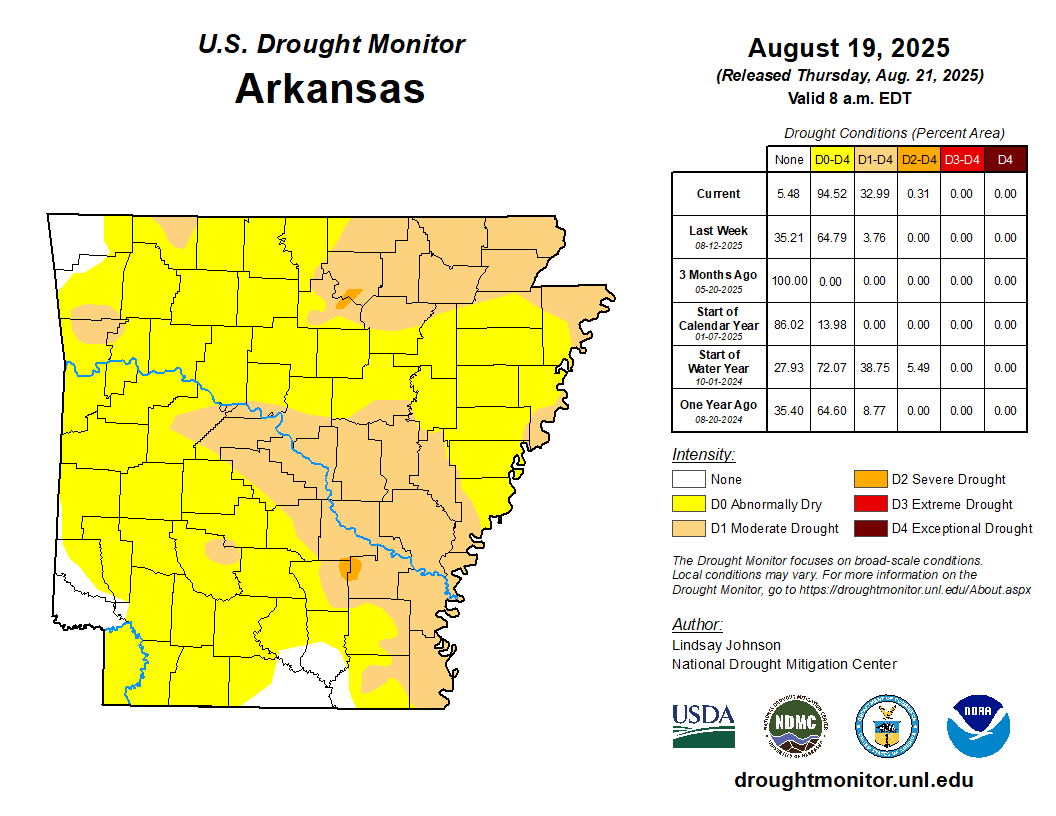
To monitor drought, several indices have been created for different spatial and temporal scales. These indices must be statistically robust and allow comparisons across locations. Examples include the Palmer drought index.
- definition
- Drier than normal conditions
- categories
- Meteorological, hydrological, agricultural/ecological, socioeconomic
- key indices
- Palmer drought index, SPI, SPEI, Keetch-Byram, deciles index
- major effects
- Environmental, economic, social
Lore & Background
Drought is a period of drier-than-normal conditions that can last from days to years, with significant impacts on ecosystems, agriculture, and local economies. It is a recurring feature of climate in most parts of the world, though climate change has made droughts more extreme and less predictable since around 1900, as shown by dendrochronological studies. Annual dry seasons in the tropics increase the likelihood of drought, and heat waves worsen conditions by raising evapotranspiration, which dries out vegetation and heightens wildfire risk. Drought effects fall into three categories: environmental (drying wetlands, larger wildfires, biodiversity loss), economic (disruptions to agriculture, livestock, forestry, water supplies, river navigation, hydropower, and human health), and social (health problems from heat, high food costs, stress from failed harvests, water scarcity, increased air pollution from dust and wildfires, and even mass migrations and humanitarian crises). Regions with elevated drought risk include the Amazon basin, Australia, the Sahel, and India. Notable events include the 2005 Amazon basin drought, the worst in a century; the Australian Millennial drought, which ended in 2010; and the 2020–2022 Horn of Africa drought, which surpassed the severe 2010–2011 event in duration and severity. Historically, humans have viewed drought as a disaster, often attributing it to natural forces, human activity, or supernatural causes.
Reader's Guide
Drought is a complex phenomenon relating to the absence of water, difficult to monitor and define. Its significance lies in its profound effects on ecosystems, agriculture, and human societies. Environmental effects include drying of wetlands, more and larger wildfires, and loss of biodiversity. Economic impacts disrupt agriculture, livestock farming, forestry, public water supplies, river navigation, electric power supply, and human health. Social and health costs include excessive heat waves, high food costs, stress from failed harvests, water scarcity, increased air pollution, and mass migrations. Drought is a recurring feature of the climate, becoming more extreme and less predictable due to climate change. Examples of regions with increased drought risks include the Amazon basin, Australia, the Sahel region, and India. Throughout history, humans have viewed droughts as disasters, either as natural phenomena, influenced by human activity, or as a result of supernatural forces.
Did You Know?
- Drought can last for days, months, or years.
- Heat waves can worsen drought by increasing evapotranspiration, which dries out forests and increases wildfire fuel.
Gallery
Frequently Asked Questions
What is a drought?
A drought is a sustained period in which a region receives significantly less precipitation than its long-term seasonal average. Rather than a single dry week, it represents a cumulative moisture shortfall that builds and deepens over weeks, months, or even years.
What are the different categories of drought?
Meteorologists distinguish four main types: meteorological (a shortfall in rainfall), hydrological (reduced water in rivers, reservoirs, and aquifers), agricultural/ecological (soil moisture too low to sustain plants), and socioeconomic (when water scarcity disrupts supply chains, commerce, and public services).
How do scientists measure and classify drought severity?
Several standardized indices are in common use, including the Palmer Drought Severity Index, the Standardized Precipitation Index (SPI), the Standardized Precipitation Evapotranspiration Index (SPEI), the Keetch-Byram Drought Index, and the deciles index. Each captures a different facet of the moisture deficit across varying time scales.
What are the major real-world impacts of a drought?
Prolonged dry conditions degrade ecosystems, slash crop yields, and strain water-dependent industries, producing cascading economic losses for local and regional economies. Socially, communities face water rationing, food insecurity, and heightened tension over scarce resources.
How does climate change influence drought frequency and intensity?
Rising temperatures accelerate evapotranspiration and shift precipitation timing, making dry spells more extreme and harder to forecast in many parts of the globe. Dendrochronological (tree-ring) records spanning centuries corroborate that recent droughts are trending toward greater severity and less predictability.
More in Meteorology 1-24
Spotted an error? Know more?
This is a living reference — every entry is fact-audited, and reader corrections feed straight into our audit queue. Suggest an edit · See this site's audit record