Sarawakian cuisine
A subtle, herb-driven cuisine of Malaysia's multi-ethnic Sarawak region.

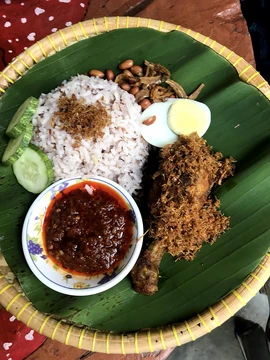
Sarawakian cuisine is a regional cuisine of Malaysia, based on staples such as rice, with influences from the state's varied geography, multi-ethnic populations, and indigenous cultures. It is less spicy and more subtle in taste than elsewhere in Malaysia, using fresh seafood and natural herbs like turmeric, lemongrass, ginger, lime, and tapioca leaves.
- Field
- Regional cuisine
- Nationality
- Malaysian (Sarawak)
- Known for
- Subtle flavors, use of fresh seafood and herbs, ethnic specialty dishes
- Staples
- Rice, sago
- Key ingredients
- Pepper, midin, dabai, bamboo, sago
Lore & Background
Sarawakian cuisine reflects the state's diverse geography and indigenous cultures. Each ethnic group has its own specialties: the Iban prepare pansuh (bamboo-cooked dishes), tuak (rice wine), and pansuh (bamboo-cooked dishes); the Malay offer bubur pedas (porridge) and kek lapis Sarawak (layer cake); the Bidayuh make asam siok (chicken cooked with bamboo shoots) and sup ponas Bidayuh (tapioca soup); the Melanau produce tebaloi (sago crackers), sagu, and umai (raw fish with lime juice); and the Orang Ulu are known for garam Bario (highlands salt), kikid (broth), tengayen (local leaves), and urum giruq (pudding). Rice is the staple, often steamed or fried, with Bario rice regarded as the finest. Sago is the traditional staple of the Melanau, used in dishes like linut (sago porridge) and tebaloi (sweet crackers).
Reader's Guide
Sarawakian cuisine is significant for its distinct identity within Malaysian gastronomy, characterized by subtle flavors and reliance on fresh, local ingredients. The use of natural herbs, jungle vegetables like midin, and native fruits such as dabai sets it apart. Cooking methods include stir-frying, frying, grilling, and boiling, with traditional bamboo cooking (pansuh) infusing dishes with aroma. The cuisine's diversity stems from the state's multi-ethnic population, each contributing unique dishes and techniques. Modern technology has altered some traditional methods, but the cuisine has been marketed as a culinary tourism product. Sarawak Laksa was named the best dish in Asia in September 2021 according to TasteAtlas readers. The cuisine's legacy lies in its preservation of indigenous foodways and its growing international recognition, exemplified by Sarawak black pepper's geographical indication status and praise from figures like Alain Ducasse.
Did You Know?
- Nasi aruk is a traditional Sarawakian Malay fried rice that uses no oil.
- Midin, a popular vegetable in Sarawak, is usually fried with garlic or belacan (shrimp paste).
- Sarawak black pepper has been granted geographical indication status by the Malaysian Intellectual Property Organisation.
Rivers, Jungles, and the Foraging Table
Outside the major cities of Sarawak, rivers remain the principal arteries of daily life, serving as the only major highways for much of the inland population. This geography has shaped a cuisine deeply rooted in what the land and water provide. The jungles of Borneo are teeming with wild plants, fungi, and fruits, while the state's sweeping coastlines and many large rivers yield an abundance of seafood and freshwater fish suitable for the dinner table. Over centuries, Sarawak's many tribes and indigenous groups have developed a rich variety of traditional food from these resources. Much of this cuisine is notably healthy, built around foraged ingredients—though modernisation has led to increasingly cultivated versions of what was once gathered wild. The result is a culinary tradition that mirrors the landscape itself: diverse, seasonal, and intimately tied to the rhythms of river life and forest foraging.
Fermentation as Heritage: Preservation Techniques of the Tribes
Because fresh produce has historically been scarce for nomadic and semi-nomadic communities, the tribal peoples of Sarawak developed sophisticated techniques for curing, fermenting, and preserving their supplies of fresh meat, fruit, and vegetables. One striking example is the practice shared by the Lun Bawang people of Sarawak and the Murut of neighboring Sabah: raw wild boar or river fish is stuffed into bamboo tubes together with rice and salt, then left to ferment for several weeks. The resulting dish, known as tamba (or jeruk in Malay), is traditionally served during festive occasions. Fermented products also serve as cooking ingredients rather than standalone dishes. In Dayak households across Sarawak, for instance, fermented meat may be sautéed with garlic and tapioca leaves—either fresh or pickled—while fermented tempoyak features prominently as a popular cooking element. These preservation methods, born of necessity, have become defining flavors of the region's culinary identity.
The Bruneian Legacy and Colonial Layers on the Coast
Much of Sarawak was once under the thalassocracy of the Brunei Sultanate, and that political history left a lasting imprint on the state's food culture. The Bruneian Malay people in particular have shaped the cookery of coastal Muslim communities in East Malaysia, embedding their traditions into everyday meals and ceremonial dishes. This cross-border culinary kinship is so strong that certain staples—most notably ambuyat—are found on both sides of the Malaysia-Brunei divide, regardless of where a particular recipe originated. The broader Malaysian culinary landscape, of which Sarawak is a part, reflects centuries of maritime trade and colonial contact. Arab traders brought Middle Eastern spices through the region as early as the 15th century, while Portuguese, Dutch, and English colonists introduced staples such as peanuts, pineapples, avocados, tomatoes, squash, and pumpkin. In the 19th century, waves of Indian and Chinese laborers arrived under British colonial rule, further layering the flavors that Sarawak's coastal and riverine communities would eventually call their own.
A Kitchen of Borrowed Flavors: Cross-Ethnic Adaptation
Malaysia's multi-ethnic makeup—Malays, Chinese, Indians, indigenous Bornean and Orang Asli peoples, Peranakan and Eurasian creole communities, plus foreign workers and expatriates—means that Sarawak's kitchens are sites of constant culinary exchange. Malaysians of Chinese descent, for example, have adapted Indian curry by diluting it and reducing its heat to suit their palates, while Chinese noodle traditions crossed with Indian and Malay tastes gave rise to distinct Malay and Indian fried noodle preparations. Even dishes from neighboring countries have been absorbed and transformed: Thai tom yam, once it crossed into Malaysian kitchens, takes on the visual character of a local Assam gravy, thickened with pounded chili paste for a vivid orange-red hue, with tamarind replacing lime as the souring agent and dried chilies providing the heat. In Malay-style versions the soup leans heavily on seafood, while in Chinese-style eateries the spiciness is tempered and the broth becomes a base for noodle soup. Sarawak, as part of this wider Malaysian tapestry, participates in this ongoing process of borrowing, blending, and making foreign flavors feel entirely homegrown.
Frequently Asked Questions
What is Sarawakian cuisine?
It is a regional cooking tradition from Sarawak, a Malaysian state on the island of Borneo. Its flavor profile leans toward gentle, herb-forward tastes rather than heavy heat, drawing on fresh seafood and local botanicals like turmeric, lemongrass, and lime.
What sets Sarawakian cuisine apart from the rest of Malaysia?
Where many Malaysian dishes rely on bold chilies and rich curries, Sarawakian cooking favors subtlety and the natural sweetness of ingredients. It makes heavy use of indigenous botanicals—midin ferns, dabai fruit, bamboo shoots, and tapioca leaves—that you rarely encounter in other states.
What are the core staples of Sarawakian cuisine?
Rice forms the base of most meals, while sago serves as a secondary starch and thickening agent. Beyond those, pepper, midin, dabai, and bamboo are considered signature pantry items across the region.
Why is Sarawakian cuisine important to Malaysian food culture?
It showcases how a single Malaysian state can develop a distinct culinary identity through its multi-ethnic population and varied geography. Indigenous Dayak and Iban traditions, layered with Chinese and Indian influences, create a food heritage that enriches the national table.
What role do herbs and fresh seafood play in Sarawakian cooking?
Rather than masking flavors with heavy spice blends, Sarawakian cooks let the day's fresh catch and aromatic herbs like ginger, lemongrass, and lime carry the dish. This approach gives the cuisine its characteristic light, layered taste profile.
More in Malaysian cuisine 1-24
Spotted an error? Know more?
Reader corrections go straight into our review queue. Suggest an edit · How this site is sourced