Sabahan cuisine
A multi-ethnic regional cuisine of Malaysia with diverse indigenous influences.

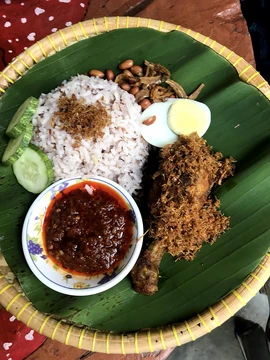
Sabahan cuisine is a regional cuisine of Malaysia, based on staples such as rice with a great variety of other ingredients and different methods of food preparations. It is influenced by the state's varied geography and indigenous cultures, which are quite distinct from the regional cuisines of Peninsular Malaysia. Sabah, along with its neighbour Sarawak, is famous for its multi-ethnic population.
- Region
- Sabah, Malaysia
- Staple
- Rice
- Key influences
- Indigenous cultures, Chinese, Bajau, Kadazan-Dusun, Murut, Lun Bawang/Lundayeh, Iranun, Lotud
- Notable dishes
- Amplang, Beaufort mee, Hinava, Ngiu chap, Tuaran mee, Sang nyuk mian, Tuhau
- Notable beverages
- Sabah Tea, Tenom coffee, Bahar, Lihing
Lore & Background
Sabahan cuisine reflects the state's varied geography and indigenous cultures, with dishes ranging from fermented meats like Bosou to raw fish cured in lime juice called Hinava. The cuisine includes many specialties from different towns, such as Beaufort mee from Beaufort, century egg dumplings from Sandakan, and Tuaran mee from Tuaran. Indigenous communities like the Kadazan-Dusun, Murut, Lun Bawang/Lundayeh, Bajau, and Iranun each contribute unique dishes, such as Nuba laya, Tompek, and Piaren Ah Manuk.
Reader's Guide
Sabahan cuisine is significant for its diversity and distinctiveness from Peninsular Malaysian food, showcasing the state's multi-ethnic population and varied geography. Dishes often use local ingredients like bambangan fruit, wild ginger (tuhau), and takob-akob, and employ methods such as fermentation, smoking, and wrapping in leaves. The cuisine includes Chinese-influenced noodle dishes like Ngiu chap and Sang nyuk mian, as well as indigenous specialties like Sinalau bakas (smoked wild boar) and Linopot (rice wrapped in leaves). Beverages include Sabah Tea, Tenom coffee, and traditional alcoholic drinks like Bahar (palm wine) and Lihing (rice wine). The cuisine's legacy lies in its preservation of traditional recipes and adaptation to modern tastes, as seen in contemporary variants of Bosou that add bananas and pineapples.
Did You Know?
- Amplang is a cracker made from Spanish mackerel, tapioca starch, and seasonings, then deep fried.
- Bosou is a Kadazan-Dusun fermented meat dish that uses smoked and pulverised buah keluak as a preservative.
- Tuaran mee is a specialty of Tuaran town, where noodles are toasted with oil, blanched, then stir-fried to a dry finish.
- Tuhau, a wild ginger, is served as a relish by the Kadazan-Dusun community and has a polarizing scent even among indigenous Sabahans.
Geographic & Cultural Foundations
Sabahan cuisine occupies a distinctive place within the broader landscape of Malaysian food. Like other regions of the country, rice serves as the foundational staple, but what sets Sabah apart is the extraordinary range of ingredients and cooking techniques that emerge from its varied geography and the distinct indigenous cultures that call it home. Unlike the regional cuisines of Peninsular Malaysia, Sabah's culinary identity was shaped by communities whose traditions developed across diverse terrain, from mangrove swamplands to highland forests. The state, together with its neighbour Sarawak, is renowned for its multi-ethnic population, and this diversity is reflected directly on the plate. From the Kadazan-Dusun, Murut, and Rungus highland communities to the Bajau coastal peoples, the Lun Bawang and Iranun groups, and Chinese-influenced townsfolk, each community contributed its own methods of preparation, flavour profiles, and ingredient choices. The result is a cuisine that resists easy categorisation, one where a tangy fermented meat sits alongside a Chinese-style beef broth and a Bajau fish preparation, all coexisting within a single regional identity.
Fermentation & Preservation Traditions
One of the most remarkable threads running through Sabahan indigenous cooking is the deep tradition of fermentation and preservation. The Kadazan-Dusun dish known as bosou (also called noonsom or tonsom) exemplifies this practice: fresh meat or fish is combined with rice, salt, and the smoked, pulverised buah keluak nuts of the Kepayang tree, which grow in Malaysia's mangrove swamplands. This pangi acts as both a flavouring agent and a natural preservative, and the sealed mixture ferments in a jar over time to produce a tangy, complex paste. A variant called pinongian omits the rice, yielding a less sour final product that must be cooked before serving. Contemporary cooks sometimes add bananas or pineapples to the base mixture. The Lun Bawang/Lundayeh people developed their own fermented preparation, sinamu baka, which is specifically reserved for wild bear meat. Even the pickle known as noonsom bambangan follows the same logic: half-ripe bambangan fruit is mixed with grated dried seed and salt, then sealed and left to ferment for weeks. These techniques represent a sophisticated understanding of how time, acidity, and natural preservatives can transform raw ingredients into shelf-stable, deeply flavoured foods.
Chinese-Influenced Town Specialties
The Chinese communities of Sabah left an indelible mark on the state's food culture, producing a constellation of town-specific dishes that have become iconic. In Beaufort, the famous mee involves handmade noodles that are first smoked, then wok-tossed with char siu, marinated pork, or seafood alongside abundant choy sum, all finished with a thick, viscous gravy. Sandakan claims two signature dishes: the century egg dumpling, a small parcel filled with a cutlet of century egg and often served with noodles, and a specially marinated fried pork that is sliced and paired with soup, wide vermicelli, or dried noodles. Tawau contributes both Mee Tauhu, a stir-fried yellow noodle dish bathed in a savoury taucu (fermented soybean paste) gravy with assorted tofu, and sang nyuk mian, a pork-broth noodle soup flavoured with fried lard bits and served with poached marinated pork slices, vegetables, meatballs, and offal. Perhaps no dish better encapsulates Sabah's Chinese culinary heritage than ngiu chap, a beef or buffalo broth with noodles, poached meat, meatballs, stewed brisket, tendon, liver, and various offal parts. Its variations range from lighter Hainanese preparations to heartier Hakka-influenced versions and even village-style adaptations tailored to indigenous palates.
Practical Foods for Travel & Labour
Long before modern convenience foods, the indigenous and hill communities of Sabah developed portable, nourishing meals designed for the rigours of fieldwork, hunting, and long journeys through dense forest. Linopot (also called linongot or sinamazan) is a prime example: hill rice or sticky rice is wrapped in irik or tarap leaves together with root vegetables such as sweet potatoes and yam, creating a self-contained ration that farmers of the Kadazan-Dusun, Murut, and Rungus peoples could easily carry while working in the fields or travelling deep into the forest. The Lun Bawang/Lundayeh community developed nuba laya and nuba tinga, where ordinary rice is wrapped in banana or nyrik leaf; the rice in nuba laya is notably soft, making it easy for senior citizens to bite, while nuba tinga simply denotes the wrapped preparation. Among the Bajau, sagol (or sinagol) offers a different approach: fish is blanched, minced, and sautéed with turmeric, garlic, ginger, onions, and crushed lemongrass, traditionally cooked in rendered fish liver oil from the same species. The Bajau also prepare tompek, a grated tapioca product that serves as a starchy alternative to rice. The Lotud community's nasi kombos, where glutinous rice cooked in young coconut water is served inside a hollowed coconut shell, further reflects a culture of practical, resourceful eating.
Frequently Asked Questions
What is Sabahan cuisine?
Sabahan cuisine is the regional food tradition of Sabah, Malaysia, built around rice as a staple and enriched by a wide range of ingredients and cooking techniques. It reflects the state's diverse geography and the many indigenous cultures that call the area home.
What are the most iconic dishes in Sabahan cuisine?
Fans most often point to Amplang, Beaufort mee, Hinava, Ngiu chap, Tuaran mee, Sang nyuk mian, and Tuhau as the signature plates that define the Sabahan table.
Which cultures and groups shape Sabahan cuisine?
The cuisine draws on indigenous traditions of the Kadazan-Dusun, Murut, Lun Bawang/Lundayeh, Iranun, Lotud, and Bajau peoples, alongside Chinese culinary influence. This multi-ethnic blend is a defining feature that sets Sabah apart from other Malaysian food regions.
What beverages are Sabahan cuisine famous for?
Sabah Tea and Tenom coffee are the two most celebrated drinks, while Bahar and Lihing round out the local beverage lineup.
How does Sabahan cuisine differ from the food of Peninsular Malaysia?
It is quite distinct from the regional cuisines found in Peninsular Malaysia, owing to Sabah's unique combination of highland, coastal, and rainforest environments. The result is a food culture with its own preparation methods, flavor profiles, and staple ingredients that don't appear in the south.
More in Malaysian cuisine 1-24
Spotted an error? Know more?
Reader corrections go straight into our review queue. Suggest an edit · How this site is sourced