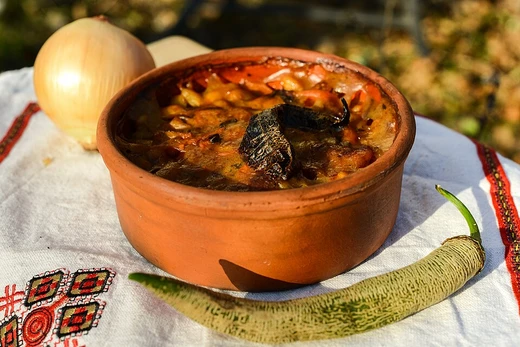
Kebapche
Grilled minced meat dish, shaped like a hot dog.

Ikonact · CC BY-SA 3.0
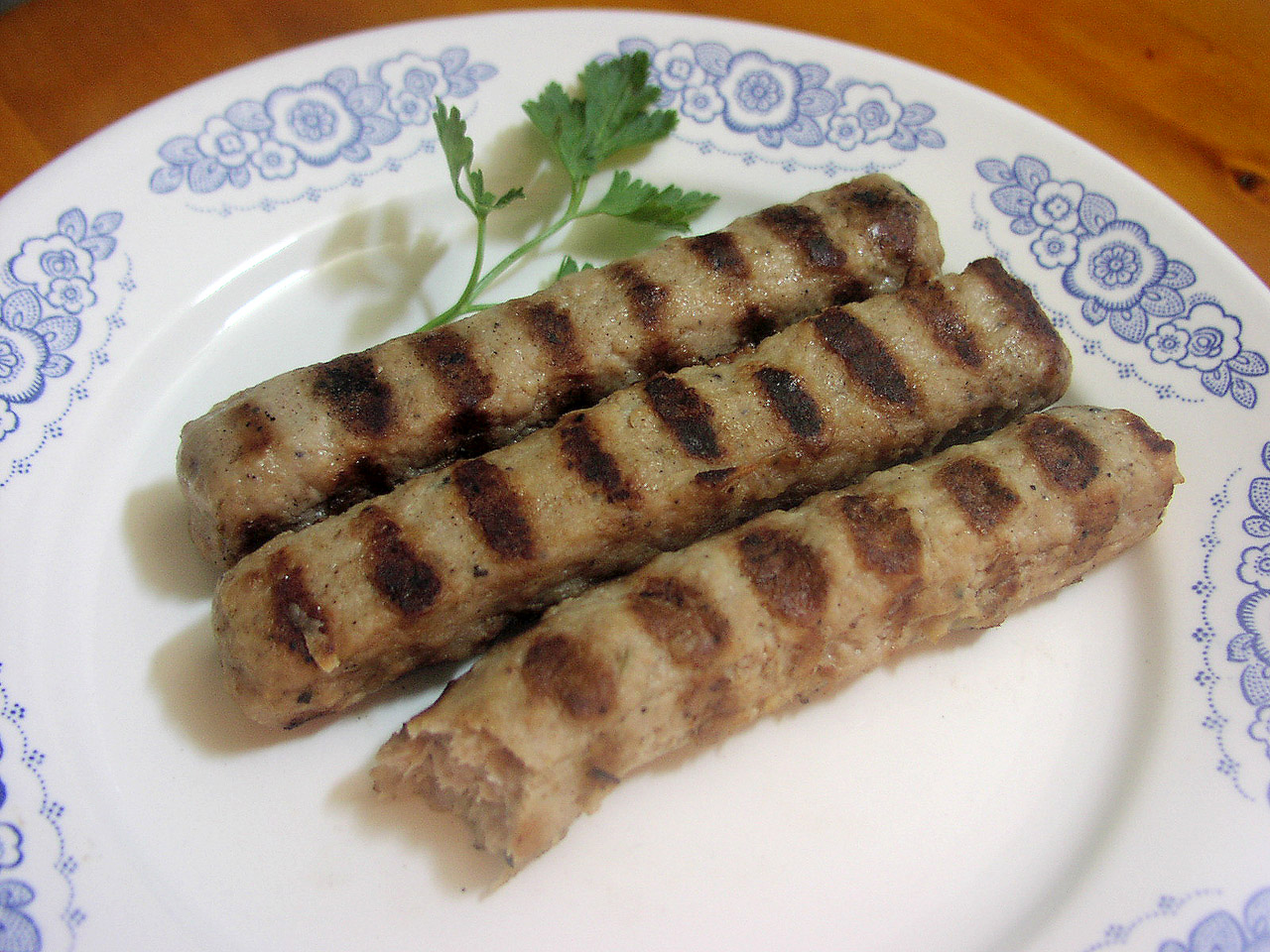
Kebapche is a dish of grilled minced meat with spices, shaped into an elongated cylindrical form similar to a hot dog. It is a traditional food in Bulgaria and North Macedonia, typically made from a mix of pork and beef, though some recipes use only pork, and seasoned with black pepper, cumin, and salt. Kebapche is always grilled, never fried or baked.
- Field
- Cuisine
- Nationality
- Bulgarian, Macedonian
- Known for
- Grilled minced meat dish, similar to ćevapčići but typically larger
Lore & Background
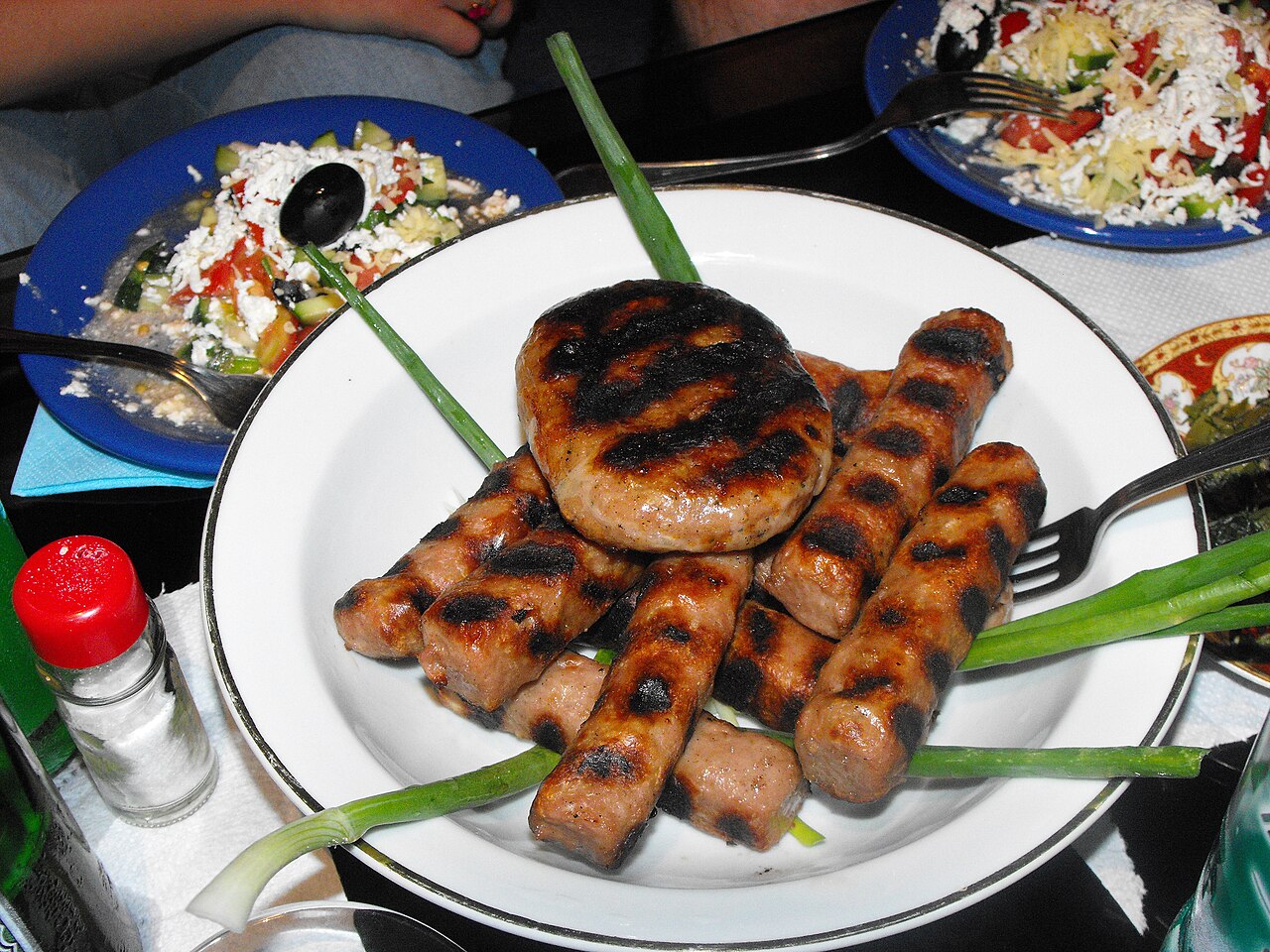
Kebapche is a grilled food made from minced meat, typically a mix of pork and beef, though some recipes involve only pork. The meat is seasoned with black pepper, cumin, and salt, and shaped into an elongated cylindrical form. It is never fried or baked. A typical meal includes chips (French fries) often covered with grated sirene (fresh white cheese similar to feta), and lyutenitsa is sometimes used as a dip. The expression 'a three kebapcheta with sides' (тройка кебапчета с гарнитура) is particularly well-known. The preferred drink to accompany kebapche is beer.
Reader's Guide
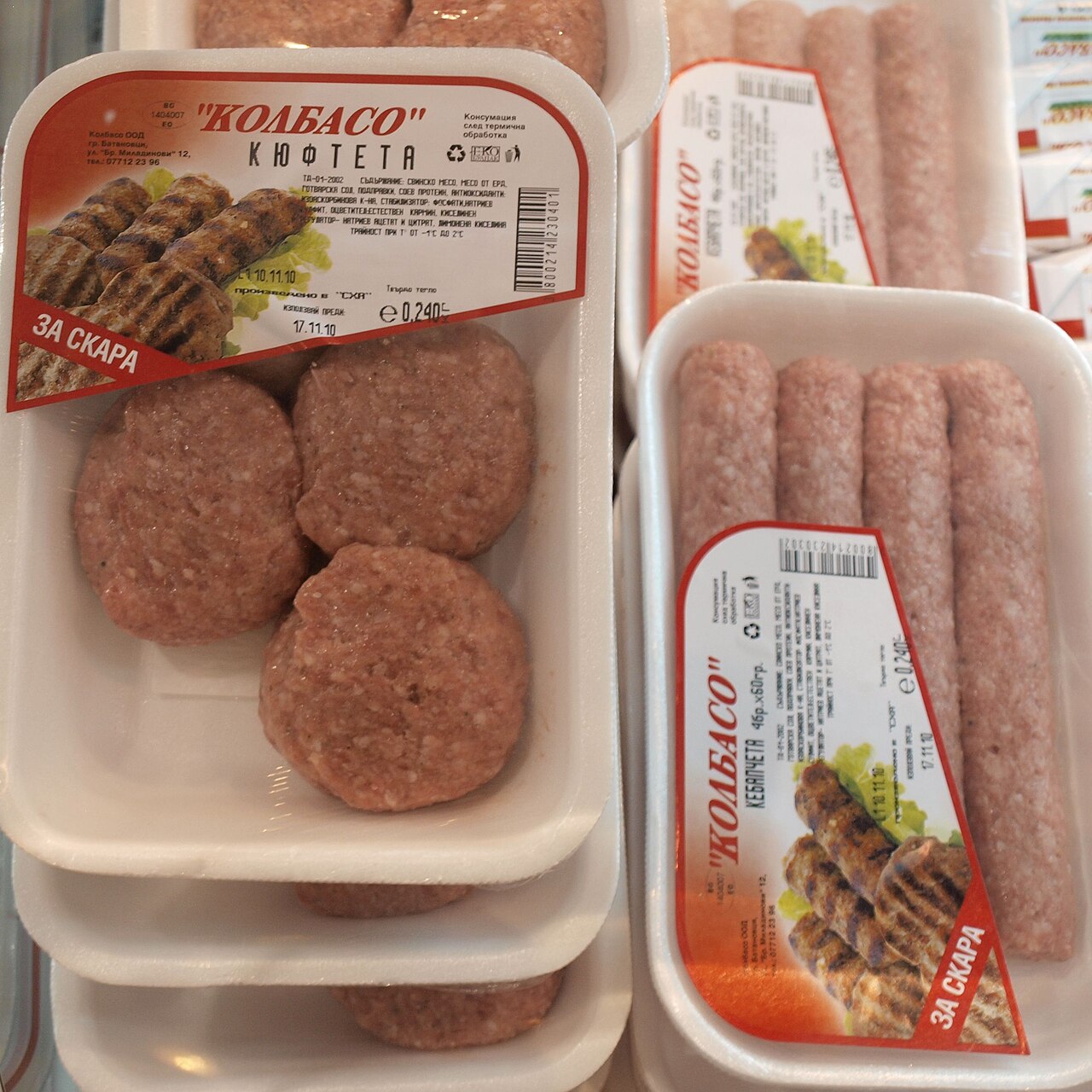
Kebapche holds significance as a staple of Bulgarian and Macedonian cuisine, representing a simple yet iconic grilled meat dish. Its name derives from 'kebab' with the Bulgarian diminutive suffix '-che', meaning 'little kebab'. The dish is essentially the same as former Yugoslav ćevapčići, but Bulgarian kebapcheta are typically larger. A similar dish often combined with kebapche is kyufte, which shares the same meat and spices but is round-shaped and includes onions and parsley, which kebapche does not. The dish's legacy is tied to its popularity in casual dining, often paired with beer and sides like fries and sirene cheese. It is referenced in Bulgarian culture through the well-known phrase 'troika kebapcheta s garnitura'.
Did You Know?
- Kebapche is never fried or baked; it is always grilled.
- Kebapche is essentially the same dish as former Yugoslav ćevapčići, but Bulgarian kebapcheta are typically larger.
Anatomy of the Grind
Kebapche is, at its core, a dish of minced meat seasoned with spices and shaped into an elongated cylinder that recalls the silhouette of a hot dog. The traditional blend calls for a combination of pork and beef, though some regional variations rely on pork alone. The seasoning palette is deliberately restrained: black pepper, cumin, and salt form the canonical trio, allowing the charred, smoky character of the meat to take center stage. One rule is absolute in Bulgarian culinary practice—kebapche must be grilled. It is never fried, never baked, never subjected to any other cooking method. The open flame is what defines the dish, giving the exterior its signature sear while the interior stays succulent. In Bulgarian the dish is called кебапче (plural: кебапчета), while in Macedonian it appears as ќебапче (plural: ќебапчиња), reflecting the shared linguistic and gastronomic heritage of the region. The simplicity of the ingredient list is precisely what elevates the technique: a skilled hand shaping the meat and a well-tended grill are all that stand between raw ingredients and a beloved national dish.
The Troika and Its Sides
No Bulgarian discussion of kebapche is complete without the phrase 'troika kebapcheta s garnitura'—the celebrated order of three kebapcheta served with their sides. This expression has become so embedded in everyday language that it functions almost as a cultural shorthand for a proper, satisfying meal. The garniture itself is a study in contrasts: a generous pile of chips, or French fries, often draped with a layer of grated sirene, a fresh white cheese that bears a resemblance to feta. For those who prefer a wetter accompaniment, lyutenitsa serves as a popular dip alongside the grilled meat. And the drink? Beer, without question. It is the preferred pairing, so well established in the tradition that the two feel almost inseparable. Together, the three kebapcheta, the cheesy fries, the optional lyutenitsa, and the beer form a complete ritual, a small ceremony of flavor that defines the proper way to enjoy the dish.
A Little Kebab: Etymology and Naming
The name kebapche is a linguistic fingerprint of its Bulgarian origins. It is built directly from the word 'kebab,' to which the diminutive neutral suffix '-che' is appended, yielding a name that translates most naturally as 'a little kebab.' This is not merely a playful diminishment; it signals a specific preparation and form that distinguishes the dish from its larger, more generic namesake. In Macedonian, the same concept surfaces as ќебапче, with the plural ќебапчиња, preserving the diminutive logic while adapting to a different phonological system. The Bulgarian plural, кебапчета, follows the standard neuter pattern. What the naming reveals is a culture that values precision in its food vocabulary: a 'kebab' is one thing, but a 'kebapche' is a particular shape, a particular size, a particular method. The diminutive suffix does the work of a technical specification, telling the diner exactly what to expect on the plate—a smaller, more refined cousin of the broader kebab family, defined as much by what it is not as by what it is.
Cousins Across the Balkans
Kebapche does not exist in isolation; it belongs to a wider family of grilled minced-meat dishes that stretches across the Balkans and into the former Yugoslav space. The closest relative is the ćevapčići of the former Yugoslavia, which is essentially the same dish in concept—minced meat, spices, grilled over flame. The key distinction is scale: Bulgarian kebapcheta are typically larger than their Yugoslav counterparts, a difference that may seem minor but is noted by those who have sampled both. Within Bulgaria itself, kebapche is frequently paired with its rounder sibling, kyufte. The two share the same meat blend and spice profile, but kyufte takes a spherical shape and often incorporates onions and parsley—ingredients that kebapche deliberately excludes. Further east, Romania's mici, also known as mititei, occupy a similar niche in the regional grill repertoire. Together, these dishes form a constellation of Balkan street-food traditions, each culture claiming its own particular shape, size, and seasoning, while the fundamental act of shaping seasoned meat and surrendering it to the fire remains the shared ancestor.
Gallery
Frequently Asked Questions
What is Kebapche?
Kebapche is a traditional grilled minced meat dish from Bulgaria and North Macedonia, formed into a long cylinder that looks much like a hot dog. It is seasoned with black pepper, cumin, and salt, and is a staple of both street food and home cooking in the region.
How is Kebapche different from ćevapčići?
Although both are grilled minced meat shapes, Kebapche is typically larger than the more widely known ćevapčići. It is also more tightly tied to Bulgarian and Macedonian culinary identity rather than the broader Balkan ćevapčići tradition.
What meat goes into Kebapche?
The standard recipe blends pork and beef, though some regional versions call for pork only. The ground meat is mixed with black pepper, cumin, and salt, then hand-shaped into its characteristic elongated log.
How is Kebapche cooked?
Kebapche is always grilled and never fried or baked. The cylindrical pieces are placed over a grill until the outside gets a light char while the interior remains moist and flavorful.
Where does Kebapche come from?
It is a traditional dish of both Bulgarian and North Macedonian cuisine, enjoyed as a casual street-food bite or a home-cooked meal. Its hot-dog-like shape makes it easy to grab and eat on the go, which has kept it popular across generations.
More in Macedonian cuisine 1-23
Spotted an error? Know more?
Reader corrections go straight into our review queue. Suggest an edit · How this site is sourced