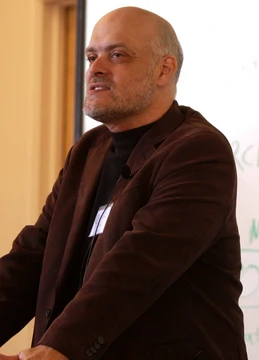
Karl Llewellyn
American legal realist and principal drafter of the Uniform Commercial Code.

via Wikipedia: Karl Llewellyn · see source
Karl Nickerson Llewellyn (May 22, 1893 – February 13, 1962) was an American legal scholar and a leading figure in the legal realism movement. He is ranked among the twenty most cited American legal scholars of the 20th century by the *Journal of Legal Studies*.
Born in Seattle, Llewellyn grew up in Brooklyn, the son of a Welsh-descended businessman and a suffragette and prohibitionist mother. After attending Boys High School, he spent three years in Germany, earning his Abitur at a Realgymnasium in Schwerin and becoming fluent in German. He briefly studied at the University of Lausanne before entering Yale College in 1911, then Yale Law School, where he graduated top of his class in 1918 and earned a J.D. in 1920. At Yale, he was influenced by professors Arthur L. Corbin and Wesley N. Hohfeld, key figures in the emerging legal realism movement.
While studying at the Sorbonne in 1914, Llewellyn sympathized with Germany and tried to enlist in its army. Refusing to renounce his U.S. citizenship, he was instead allowed to fight with the 78th Prussian Infantry Regiment. Wounded at the First Battle of Ypres, he was promoted to sergeant and awarded the Iron Cross, 2nd class. After ten weeks in a German hospital, he returned to Yale in March 1915. When the U.S. entered the war, his prior service on the German side prevented him from enlisting in the American army.
Llewellyn joined the Columbia Law School faculty in 1925, staying until 1951, when he moved to the University of Chicago Law School. He became a major legal scholar and a key proponent of legal realism, and served as principal drafter of the Uniform Commercial Code (UCC). He married his former student Soia Mentschikoff, a law professor and fellow UCC drafter who later joined him at Chicago and became dean of the University of Miami School of Law. Llewellyn died of a heart attack in Chicago on February 13, 1962.
Legal realists, including Llewellyn, rejected the traditional view of law as a deductive science based on logical rules. Instead, they argued that law is defined by the facts and outcomes of specific cases. Llewellyn famously wrote that what judges, lawyers, and law enforcement officers "do about disputes is, to my mind, the law itself." He believed that a judge’s personal biases could shape case outcomes, making the law like putty in their hands. His major publications include *The Bramble Bush* (1930), *The Cheyenne Way* (1941), *The Common Law Tradition* (1960), and *Jurisprudence: Realism in Theory and Practice* (1962). Posthumous works include *The Case Law System in America* (1989) and *The Theory of Rules* (2011).
- born
- May 22, 1893
- died
- February 13, 1962
- field
- Jurisprudence
- nationality
- American
- known_for
- Legal realism, principal drafter of the Uniform Commercial Code
Verified Timeline
Lore & Background
Karl Llewellyn was born on May 22, 1893, in Seattle but grew up in Brooklyn. He was the son of William Henry Llewellyn, a businessman of Welsh ancestry, and Janet George, a passionate suffragette and prohibitionist of Congregationalist conviction. At sixteen he was sent to study in Germany at the Realgymnasium of Schwerin, where he spent three years and passed his Abitur in the spring of 1911. After briefly attending the University of Lausanne, he entered Yale College in September 1911 and later Yale Law School, earning an LL.B. in 1918 and a J.D. in 1920. He was elected to the editorial board of the Yale Law Journal in 1916 and graduated top of his class in 1918 magna cum laude. At Yale he got acquainted with Arthur L. Corbin and Wesley N. Hohfeld, whose influence on him was profound. While studying at the Sorbonne in Paris when World War I broke out in 1914, he traveled to Germany to enlist in the German army, but his refusal to renounce his American citizenship made him ineligible. He was allowed to fight with the 78th Prussian Infantry Regiment and was injured at the First Battle of Ypres. For his actions, he was promoted to sergeant and decorated with the Iron Cross, 2nd class. After ten weeks in a German hospital at Nürtingen and having his petition to enlist without swearing allegiance to Germany turned down, he returned to the United States in March 1915. After the U.S. entered the war, he attempted to enlist in the U.S. Army but was rejected because he had fought on the German side. He joined the Columbia Law School faculty in 1925, remaining until 1951, when he was appointed professor at the University of Chicago Law School. He married his former student Soia Mentschikoff, a law professor and UCC drafter, who also accepted a teaching post at Chicago and later became dean of University of Miami School of Law. Llewellyn died in Chicago of a heart attack on February 13, 1962.
Reader's Guide
Llewellyn's significance comes from his role as a major proponent of legal realism. Compared with traditional legal formalism, Llewellyn and the legal realists proposed that the facts and outcomes of specific cases composed the law, rather than logical reasoning from legal rules. They argued that law is not a deductive science. Llewellyn epitomized the realist view when he wrote that what judges, lawyers, and law enforcement officers 'do about disputes is, to my mind, the law itself' (Bramble Bush, p. 3). As one of the founders of the U.S. legal realism movement, he believed that the law is little more than putty in the hands of a judge who is able to shape the outcome of a case based on personal biases. He also served as principal drafter of the Uniform Commercial Code (UCC). His publications include 'The Bramble Bush: On Our Law and Its Study' (1930), 'The Cheyenne Way' (1941, with E. Adamson Hoebel), 'The Common Law Tradition—Deciding Appeals' (1960), 'Jurisprudence: Realism in Theory and Practice' (1962), 'The Case Law System in America' (1989, edited by Paul Gewirtz), and 'The Theory of Rules' (2011, edited by Frederick Schauer).
Did You Know?
- Llewellyn was elected to the editorial board of the Yale Law Journal in 1916 and graduated top of his class in 1918 magna cum laude.
- During World War I, he fought with the 78th Prussian Infantry Regiment, was injured at the First Battle of Ypres, and received the Iron Cross, 2nd class.
- He married his former student Soia Mentschikoff, who later became dean of University of Miami School of Law.
- Llewellyn served as principal drafter of the Uniform Commercial Code (UCC).
- He died in Chicago of a heart attack on February 13, 1962.
More in Legal Scholars And Political Theorists 1-24
Spotted an error? Know more?
This is a living reference — every entry is fact-audited, and reader corrections feed straight into our audit queue. Suggest an edit · See this site's audit record