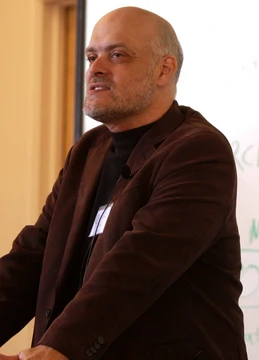
Alberico Gentili
Italian jurist and co-founder of international law.

Stendhal55 · CC BY-SA 4.0
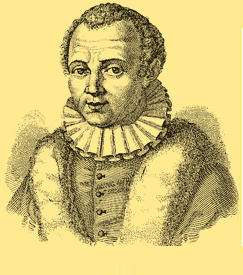
Alberico Gentili, an Italian jurist who fled religious persecution, spent twenty-one years as the Regius Professor of Civil Law at the University of Oxford, becoming the first non-Englishman to hold that chair. He is recognized as a co-founder of the discipline of international law and is often called its "Father." Born into a noble family in San Ginesio, Italy, he earned a doctorate in law from the University of Perugia at age twenty. After serving as a judge and revising his hometown’s statutes, he was forced to flee Italy with his father and brother due to their Protestant beliefs, escaping the Inquisition. After stays in Laibach, Tübingen, and Heidelberg, he arrived in London in 1580. The following year, he was incorporated as a doctor of civil law at Oxford, where he began teaching at St John’s College. He was later appointed Regius professor by Chancellor Robert Dudley. In 1584, the English government consulted him regarding the Spanish ambassador Bernardino de Mendoza, who was plotting against Queen Elizabeth. Gentili turned this topic into a disputation and later a book, leading to Mendoza’s expulsion. From around 1590, he increasingly focused on practical legal work in London, practicing in the High Court of Admiralty, and was called to Gray’s Inn in 1600. His major works include *De Legationibus Libri Tres* (1585) and his classic *De Jure Belli Libri Tres* (1598), which is praised for its modernity and practical application of civil law to international relations. He also authored theological and literary works. Gentili married Hester de Peigne, a French Huguenot, in 1589; their son Robert graduated Oxford at twelve and became a fellow of All Souls at seventeen. Gentili died in London and was buried at St Helen Bishopsgate.
- field
- International law, civil law
- nationality
- Italian
- known_for
- Co-founder of international law, Regius Professor of Civil Law at Oxford, author of De Jure Belli Libri Tres
Lore & Background
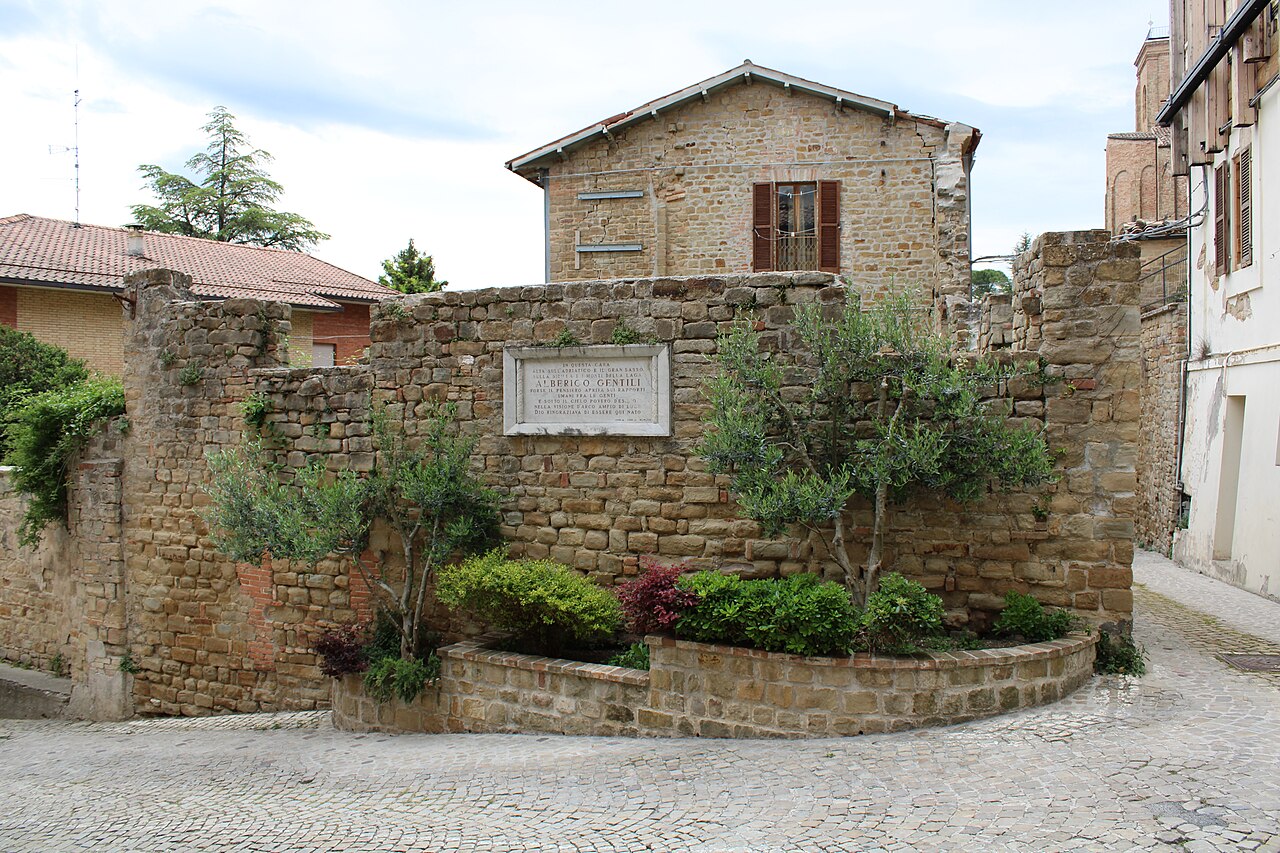
Alberico Gentili was born into a noble family in San Ginesio, a town in the Italian region of Macerata. His father, a physician and a Protestant, provided his early education in Latin and Greek, though it is thought his mother may have inspired his initial interest in law. He earned a doctorate in law from the University of Perugia at the age of twenty. Following his studies, he was elected chief judge of Ascoli and later returned to his hometown, where he held various official positions and was tasked with revising the local statutory laws, a project he finished in 1577. Both Gentili and his father belonged to a confraternity under suspicion by the Inquisition for discussing views hostile to the Roman Church. Consequently, along with his brother Scipione, they were forced to flee Italy. Their first refuge was Laibach (modern-day Ljubljana), where his father became chief physician of the duchy of Carniola. After the papal authorities secured their expulsion from Austrian territory, Alberico moved to England, arriving in London in August 1580 with introductions to the Italian tutor of Queen Elizabeth I. He was incorporated as a doctor of civil law at Oxford in 1581 and later appointed Regius Professor of Civil Law by the university’s Chancellor, Robert Dudley. He held this professorship for twenty-one years, becoming the first non-Englishman to do so. Gentili is regarded as a co-founder of international law and is often called the "Father of international law." His major works include *De Legationibus Libri Tres* (1585) and his seminal *De Jure Belli Libri Tres* (1598), which is praised for its modernity and practical application of civil law to international relations. He also authored theological and literary works. In 1589, he married Hester de Peigne, a French Huguenot, and their son Robert graduated from Oxford at age twelve. Gentili died in London and was buried at St Helen Bishopsgate.
Reader's Guide
Alberico Gentili’s work on the laws of war attracted only marginal interest until the late 19th century, when international lawyers began drawing on his writings to help establish contemporary laws of war. His major treatise on the subject, which expanded from three booklets published between 1588 and 1589 into a fuller edition in 1598, is considered a classic of public international law, praised for its modernity and its skilful use of civil law concepts, as well as for its closeness to actual diplomatic and military practice. Gentili also wrote on the rights and duties of ambassadors, a topic he first addressed in a disputation after being consulted by the English government in 1584 regarding a Spanish ambassador detected in a plot against Queen Elizabeth I; this work was expanded into a book the following year. His legal practice in the High Court of Admiralty, where continental civil law rather than English common law was applied, further grounded his theoretical writings in real cases. As the first medieval writer on public international law and the first non-Englishman to hold the Regius Professorship of Civil Law at Oxford, Gentili is regarded as a co-founder of the field, and his books are recognized as among the most essential sources for international legal doctrines, though he also authored theological and literary material.
Did You Know?
- He was forced to leave Italy with his father and brother due to their Protestant beliefs.
- A statue of Gentili in San Ginesio was used as a symbol during the liberation of the town by Allied forces in World War II.
Gallery
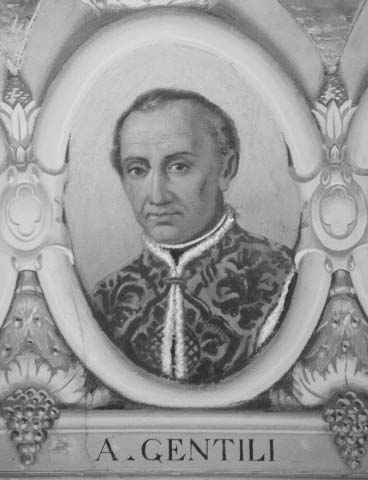
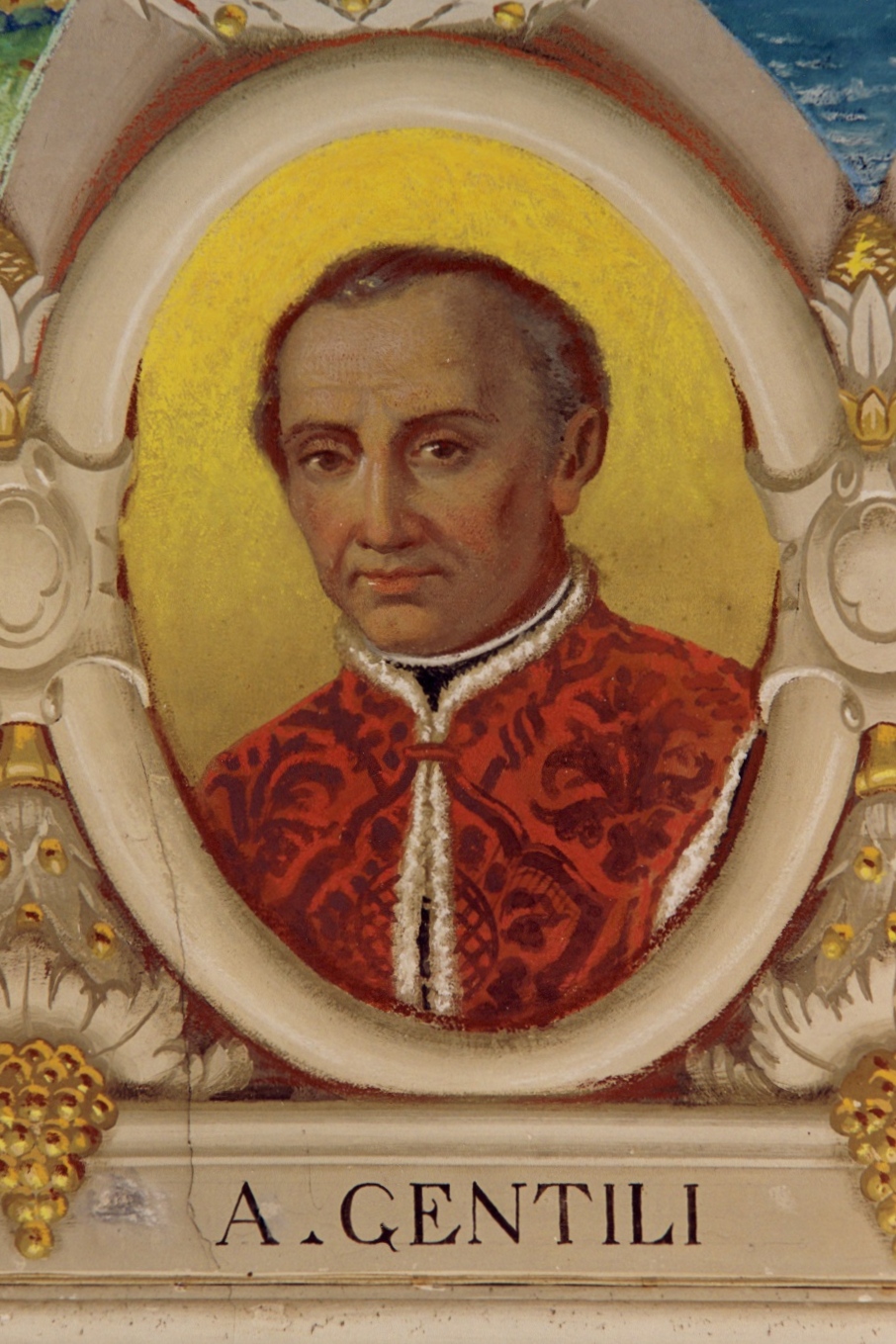
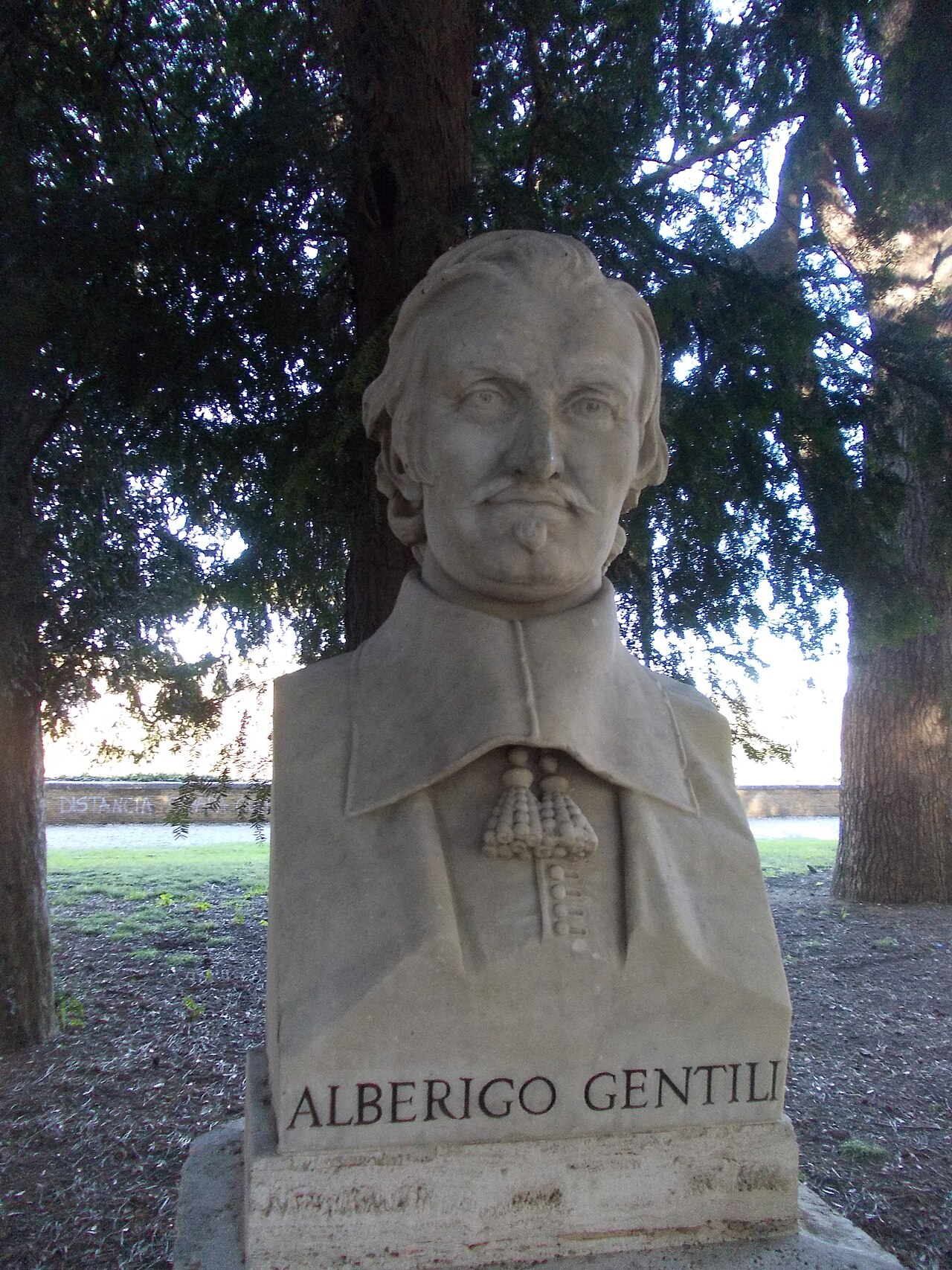
Frequently Asked Questions
What is Alberico Gentili's most important work?
His three-volume treatise De Jure Belli Libri Tres (Three Books on the Law of War) is considered a foundational text in public international law. It tackled questions of just war, sovereignty, and the rights of nations that shaped centuries of subsequent legal thought.
Why is Alberico Gentili important to political theory?
He is regarded as the first medieval-era writer to systematically treat public international law as a distinct discipline. His framework laid essential groundwork that later thinkers such as Hugo Grotius expanded upon.
More in Legal Scholars And Political Theorists 1-24
Related in Legal Scholars And Political Theorists
Links follow this subject's own source article.
Spotted an error? Know more?
This is a living reference — every entry is fact-audited, and reader corrections feed straight into our audit queue. Suggest an edit · See this site's audit record