
The Exodus
Founding myth of the Israelites' departure from Egypt.

Jim Padgett · CC BY-SA 3.0
The Exodus is the foundational story of the Israelites, told across four books of the Pentateuch—Exodus, Leviticus, Numbers, and Deuteronomy. It recounts how the Israelites were enslaved in Egypt, then escaped when the sea was parted, allowing them to cross on dry ground before heading toward the Promised Land under Moses’ leadership. This narrative is essential to Judaism, appearing in daily prayers and celebrated at festivals like Passover. Early Christians viewed it as a typological foreshadowing of Jesus’ resurrection and salvation, and it is also mentioned in the Quran, where Moses is a major prophet. In modern times, the story has resonated with groups such as African Americans in their struggle for freedom and civil rights, and within liberation theology. Most scholars today agree that the Pentateuch does not provide an accurate historical account of Israelite origins; instead, evidence suggests the Israelites emerged from indigenous Canaanite culture in the central highlands during the late second millennium BCE, around the Late Bronze Age collapse. While some elements of the story may have a historical kernel, it differs greatly from the biblical version. The Pentateuch is largely dated to the Achaemenid Empire period (5th century BCE), though older references to the Exodus appear in 8th-century BCE prophets like Amos and Hosea.
- field
- Religious narrative / founding myth
- known_for
- Central story of the Israelites' departure from Egypt under Moses
- religious_traditions
- Judaism, Christianity, Islam
- composition_period
- Majority of scholars date the Pentateuch to the 5th century BCE (Achaemenid Empire), with older elements alluded to by 8th-century BCE prophets
Lore & Background
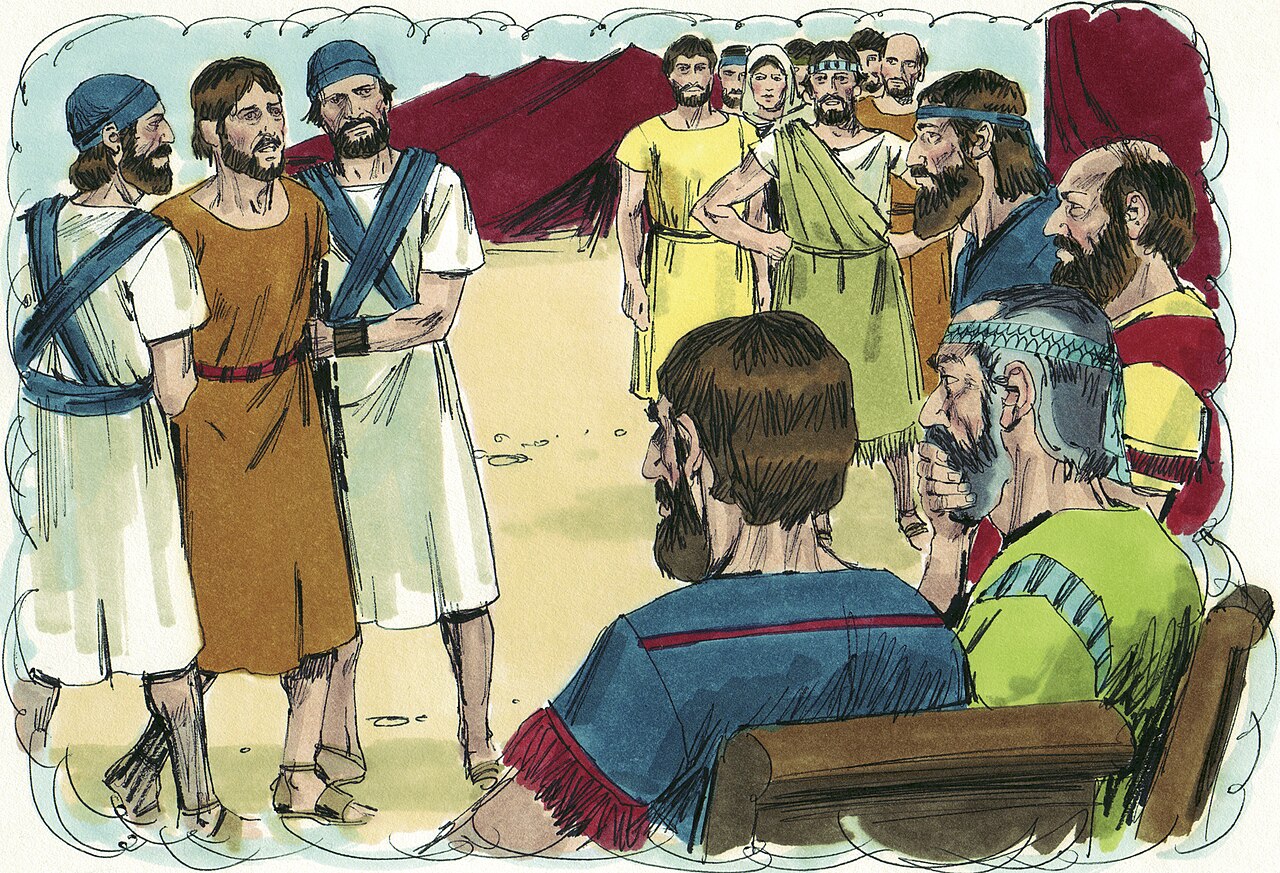
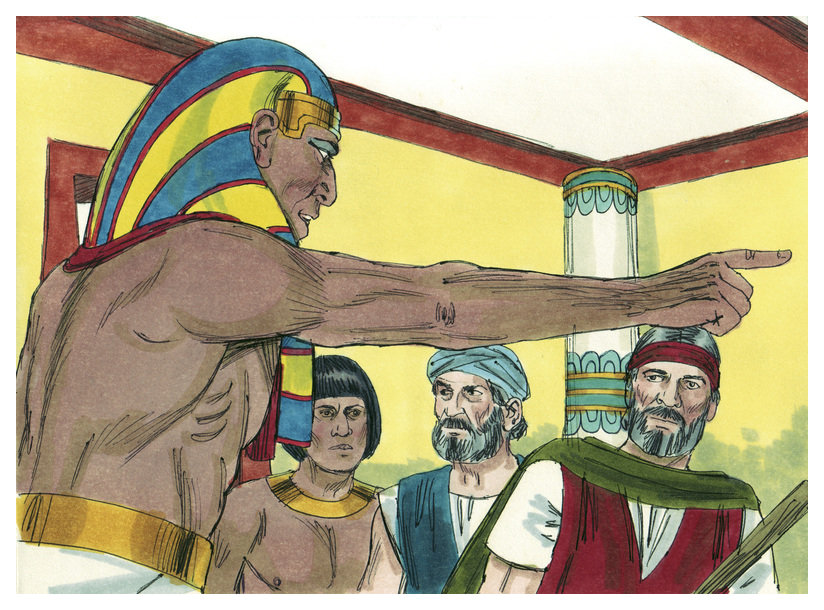
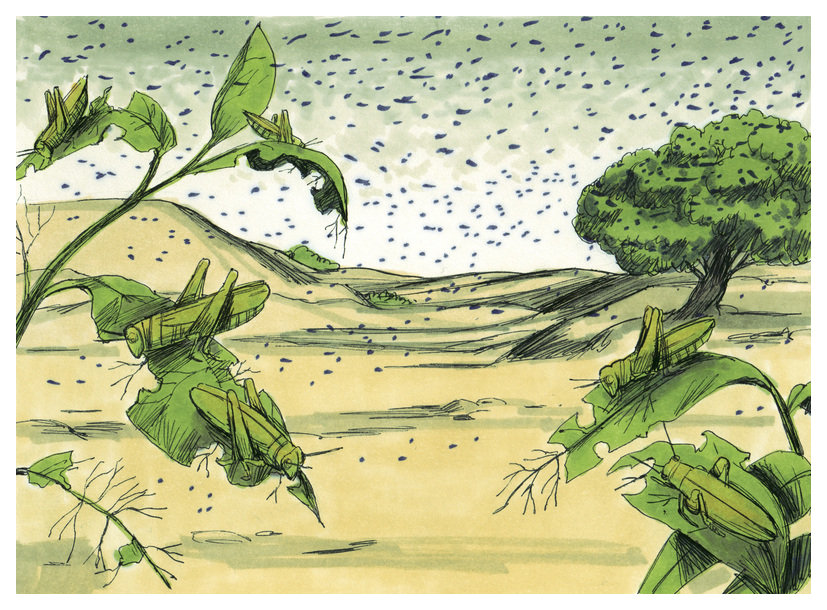
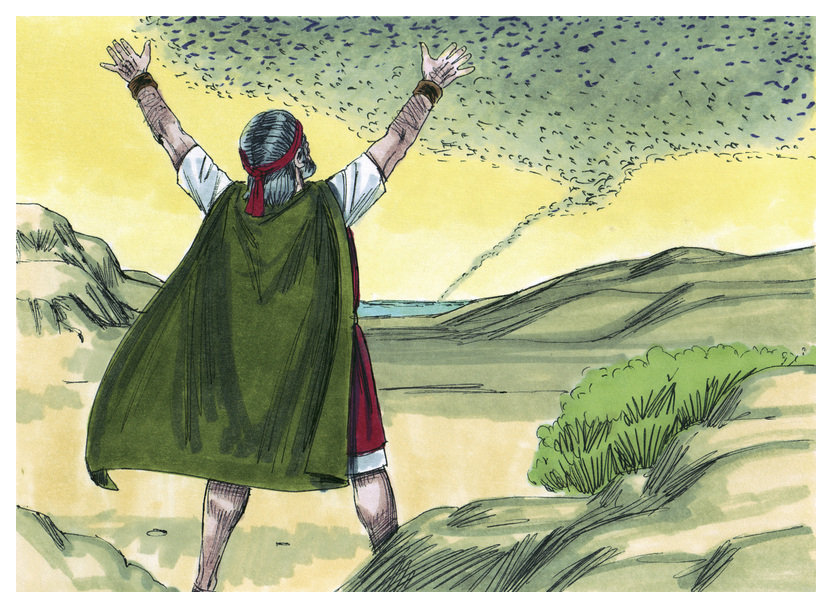
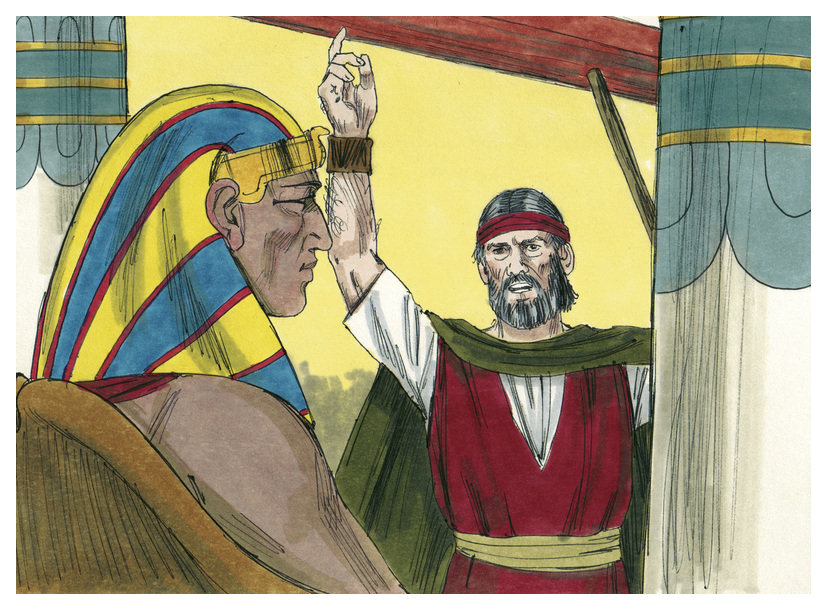
The narrative begins with the Israelites living in Egypt under the protection of Joseph, a high official. After a pharaoh arises who does not know Joseph, the Israelites are enslaved and forced to build the store cities Pithom and Rameses. The pharaoh orders the slaughter of male Hebrew children, but one child, Moses, is rescued and adopted by Pharaoh's daughter. After killing an Egyptian, Moses flees to Midian, where he marries Tzipporah. At Mount Horeb, Yahweh appears in a burning bush and commands Moses to free the Israelites. Moses and his brother Aaron demand the Israelites' release from Pharaoh, who refuses despite a series of plagues. The final plague kills the firstborn of Egypt, but the Israelites are spared by daubing lamb's blood on their doorposts, instituting the Passover. Pharaoh then allows them to leave, but later pursues them to the Red Sea, where Moses parts the waters, allowing the Israelites to cross while the Egyptians drown.
Reader's Guide
The Exodus is the founding myth of the Israelites, central to Jewish identity and worship, and influential in Christianity and Islam. Its narrative of deliverance from slavery has resonated with various groups in more recent centuries, such as among African Americans striving for freedom and civil rights, and in liberation theology. The consensus of modern scholars is that the Pentateuch does not give an accurate account of the origins of the Israelites, who appear instead to have emerged in the central highlands of Canaan in the late second millennium BCE from the indigenous Canaanite culture. Most modern scholars believe some elements in the story might have historical basis, but that it has little resemblance to the story told in the Pentateuch. The narrative's message is that the Israelites were delivered from slavery by Yahweh their god, and therefore belong to him by covenant.
Did You Know?
- The Exodus narrative is spread over four of the five books of the Pentateuch: Exodus, Leviticus, Numbers, and Deuteronomy.
- The story is recounted daily in Jewish prayers and celebrated in festivals such as Passover.
- Early Christians saw the Exodus as a typological prefiguration of resurrection and salvation by Jesus.
- The consensus of modern scholars is that the Israelites emerged in the central highlands of Canaan in the late second millennium BCE from the indigenous Canaanite culture.
The Exodus as a Foundational Theophany
The Exodus stands as what scholars describe as a cornerstone of Israel's religious self-understanding. Unlike the seasonal, repeating cycles found in neighboring mythologies, the crossing of the Sea of Reeds represents something irreversible and unrepeatable—a genuinely new act of divine intervention in the historical record. The Song of the Sea, preserved in Exodus 15, captures the moment when the Hebrews witnessed God drown the Egyptian army in Yam Suph, and it frames this deliverance from Pharaoh not as a cyclical renewal but as a singular, transformative theophany. Mircea Eliade's analysis of prophetic theology illuminates this distinction: Yahweh does not merely repeat acts in an eternal loop but stands outside the natural order to produce events with no prior precedent. In this reading, the Exodus is not a seasonal myth that renews itself each year but a historical rupture—a moment where the divine entered the stream of human affairs and permanently altered the trajectory of a people's existence.
The Exodus and the Combat Myth Tradition
The Exodus narrative carries the fingerprints of a widespread ancient Near Eastern literary pattern known as the combat myth, in which a divine figure battles a force of chaos. Historian Bernard McGinn traces this influence in the Hebrew tradition, observing that the Song of the Sea draws on imagery and phrasing rooted in that older genre to underscore the weight of the sea-crossing. The Babylonian Enûma Eliš and the fragmentary myth of Labbu both feature a good god conquering a demon of disorder, and the Hebrew story of God's triumph over Leviathan follows a similar structural logic. Armstrong draws a parallel between pagan accounts of gods splitting the sea during world-creation and the Exodus account in which Moses parts the Sea of Reeds, though he stresses that what emerges here is not a cosmos but a people. The divine-warrior image—God fighting on Israel's behalf—pervades the Song of the Sea and echoes through later prophetic poetry in I Samuel 2 and Zechariah 9 and 14, binding the Exodus to a broader mythic grammar of cosmic struggle.
The Exodus Within Prophetic Theology
The prophetic writings of Isaiah, Ezekiel, and Jeremiah reshaped how the divine was understood in relation to events like the Exodus. Rather than presenting Yahweh as one national deity among many, tethered to natural forces and seasonal rhythms, these prophets articulated a vision of a single, universal God who stands apart from the natural order. They condemned Hebrew participation in nature worship and insisted that the divine was not identical with natural forces. Through their influence, Jewish theology came to portray God as acting independently of the cycles of the world, producing events that were genuinely new and without prior parallel. Mircea Eliade captured this shift by describing it as a theophany of an entirely new type: the intervention of Yahweh in history, something irreversible and unrepeatable. In this framework, the Exodus is not a myth that recurs with the seasons but a singular historical act—a divine entry into the lives of actual people that sets it apart from the abstract, symbolic narratives of neighboring cultures.
The Exodus in the Abrahamic Narrative Heritage
The Exodus narrative, as part of the broader body of Jewish mythology, has left an indelible mark on the religious traditions that followed. Christian mythology directly inherited many narratives from the Jewish people, and the shared Old Testament heritage includes the stories of Moses and the Israelites among its foundational texts. Islamic mythology similarly draws on many of the same stories, including a creation account spanning six periods, the legend of Abraham, and the tales of Moses and the Exodus. This cross-traditional resonance means that the image of a people delivered from bondage through a miraculous sea-crossing has become a shared cultural and theological reference point across the Abrahamic world. The elements of Jewish mythology, including the Exodus, have had a profound influence not only on Christian and Islamic mythologies specifically but on Abrahamic culture as a whole, embedding the narrative of divine deliverance into the collective imagination of multiple faith traditions that trace their spiritual lineage to the same ancient sources.
Gallery
Frequently Asked Questions
What is The Exodus in Jewish mythology?
The Exodus is the foundational narrative of the Israelites, recounting their enslavement in Egypt and their eventual liberation under Moses' guidance. It is told across four books of the Pentateuch and serves as the central founding myth of the Israelite people.
What are the key events in The Exodus story?
The story follows the Israelites from their bondage in Egypt through the parting of the sea, which allows them to cross on dry ground, and onward toward the Promised Land. Moses leads the people throughout this journey of liberation and divine intervention.
How does The Exodus story conclude?
The Exodus narrative does not end with a single climactic moment but unfolds across the wilderness journey toward the Promised Land. The broader Pentateuchal account carries the story through the giving of the Law and a final address to a new generation before entering the land.
Why is The Exodus central to Jewish identity and practice?
The Exodus appears in daily Jewish prayers and is commemorated at festivals such as Passover, making it a living part of religious observance rather than a distant historical memory. It functions as the defining act of liberation that shapes the Israelites' covenantal relationship with God.
How do Christianity and Islam reference The Exodus?
Early Christians interpreted the Exodus typologically as a foreshadowing of Jesus' resurrection and the salvation he offers. The Quran also references the Exodus narrative, naming Moses as a major prophet connected to the Israelites' departure from Egypt.
More in Jewish mythology 1-19
Spotted an error? Know more?
This is a living reference — every entry is fact-audited, and reader corrections feed straight into our audit queue. Suggest an edit · See this site's audit record